Atmospheric Horror: 6 Books Like The Haunting of Hill House
Jackson's novel works because the horror is never fully separable from Eleanor's psychology -- the house may be haunted, but her relationship to it is produced by her own specific consciousness, and the novel refuses to resolve which is the greater threat. These books share that refusal: horror that lives in the gap between what is real and what the narrator perceives.
June 2026 · 8 min read · The Pagesmith
The Haunting of Hill House is frequently described as a ghost story, which is accurate but misses what makes it work. Jackson is not primarily interested in whether Hill House is genuinely haunted — she is interested in Eleanor Vance, who has been so thoroughly suppressed by her circumstances that she arrives at the house already primed to be claimed by whatever it offers, including a sense of belonging she has never had anywhere else. The horror of the novel is not that the house is evil but that Eleanor’s relationship to it is comprehensible: a lonely, damaged consciousness finding something that feels, for the first time, like it was meant for her. Jackson refuses to resolve whether that feeling is supernatural or psychological, and the ambiguity is the source of the novel’s specific horror — because either answer is frightening, and the reader cannot settle on which is worse. The books here share that formal method. They are all organized around a horror that cannot be fully separated from the consciousness experiencing it, and they all refuse the comfortable resolution of a fully explained haunting.
What Atmospheric Horror Does That Other Horror Cannot
Atmospheric horror — the tradition Jackson belongs to — is interested in consciousness rather than threat. The horror in a slasher film or a creature feature is external: there is a monster, the monster is real, the monster can be defeated or escaped. The horror in atmospheric fiction is internal and irresolvable: something is wrong with the narrator’s perception, or with the place, or with both simultaneously, and the novel is organized around the reader’s inability to determine which. That irresolution is more frightening than any definitive monster because it leaves the reader without the comfort of knowing what to be afraid of. The specific quality of unease that The Haunting of Hill House produces — the feeling that something is not right but that you cannot name it — is what each of the books here achieves in its own way.
The most frightening horror fiction is not organized around what might kill you. It is organized around what you cannot fully trust — whether that is the house, the narrator, the people around you, or the stability of your own perception of what is real.
The Books
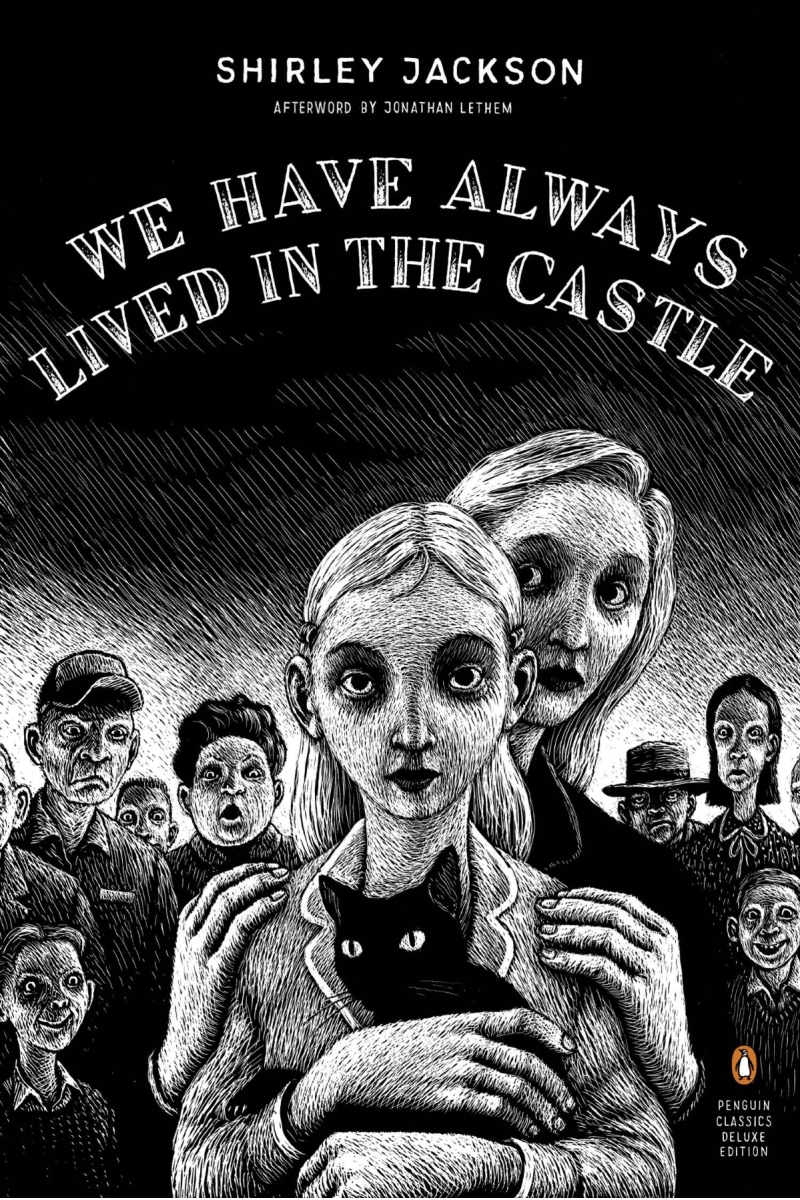
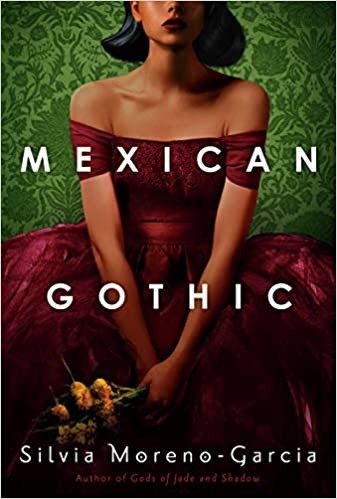
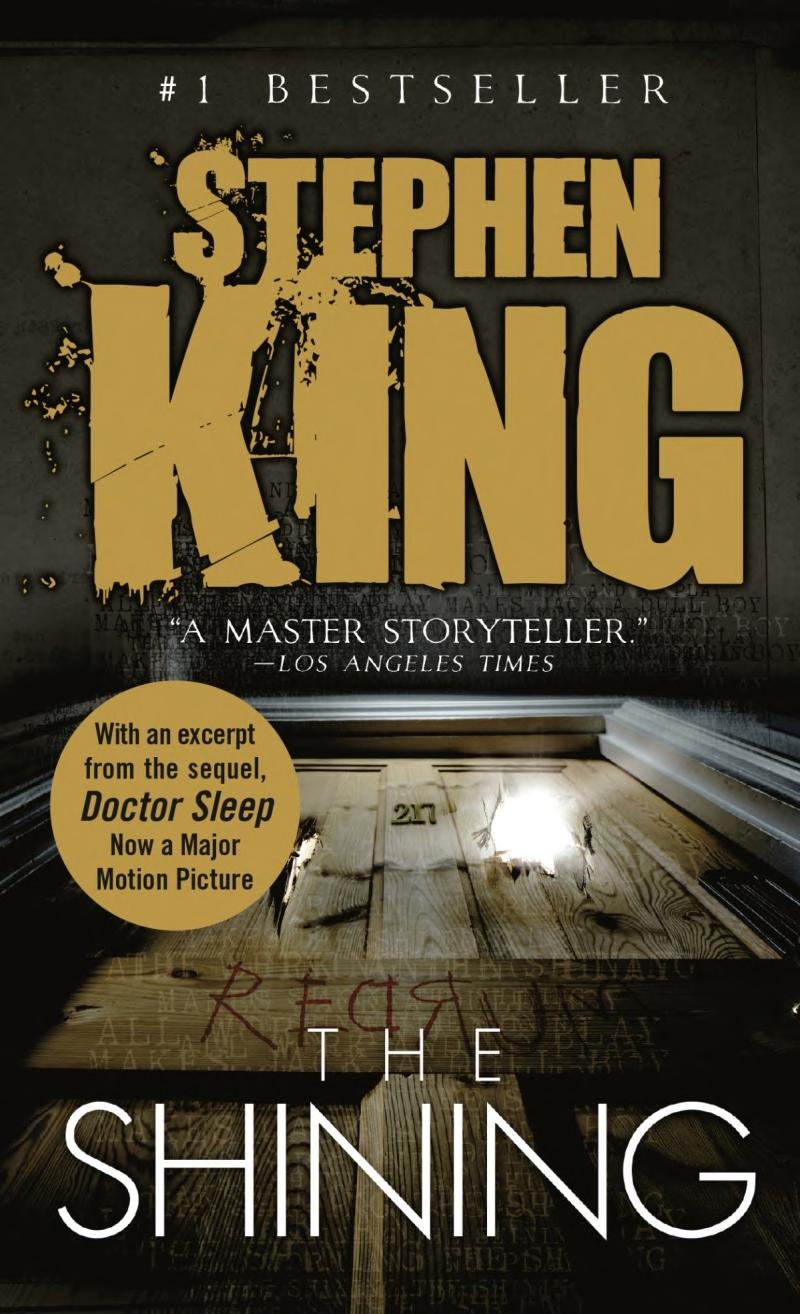
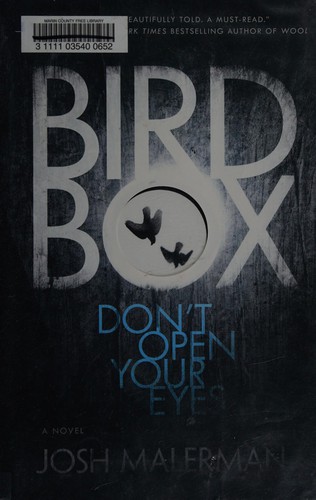
We Have Always Lived in the CastleShirley JacksonJackson’s other masterpiece is the inverse of The Haunting of Hill House in one specific way: where Eleanor’s narration is structured around what she cannot see about herself, Merricat Blackwood’s narration is structured around what she knows and withholds from the reader. We Have Always Lived in the Castle is the most purely atmospheric of Jackson’s novels — the Blackwood estate, the village that fears and hates the two surviving sisters, the specific rituals Merricat uses to protect their world — and the horror emerges gradually from the gap between Merricat’s contentment and the reader’s growing understanding of how that contentment was achieved. The most formally perfect of Jackson’s novels and the right follow-up for Hill House readers who want to stay inside her specific psychological register. Mexican GothicSilvia Moreno-GarciaThe most direct contemporary heir to The Haunting of Hill House: a house with its own malevolent intelligence, a woman who arrives to investigate what is happening to her cousin and finds herself drawn into something she cannot explain, and a horror that is simultaneously supernatural and grounded in the specific historical reality of colonialism and its biology. Moreno-Garcia locates her haunting in 1950s Mexico with enough historical specificity that the supernatural element is inseparable from the social one — the house and what it does is the logical extension of what its owners have always done. The most literary atmospheric horror novel published in the past decade, and the one that earns the Jackson comparison most completely. The ShiningStephen KingKing’s Overlook Hotel shares Hill House’s essential architecture: a building with its own malevolent intelligence, a protagonist whose specific psychological damage makes them susceptible to what the building offers, and a horror that works precisely because the reader is never fully certain where the haunting ends and the character’s own deterioration begins. Jack Torrance arrives at the Overlook already in recovery from alcoholism and domestic violence, and King writes the hotel’s influence as genuinely indistinguishable from the natural progression of Jack’s existing psychology — which is the formal choice that makes The Shining the most psychologically serious horror novel in King’s catalogue. The most direct structural comparison to Hill House on this list. Plain Bad HeroinesEmily M. DanforthDanforth’s dual-timeline gothic alternates between a cursed 1900s girls’ school and a contemporary film adaptation of that school’s history, and uses the doubling to produce the specific atmospheric horror of the uncanny repetition: the same patterns occurring in different centuries, the same deaths, the same magnetic pull of the same place on a different set of girls. The horror in Plain Bad Heroines is less psychological than Jackson’s and more Gothic in the traditional sense — the curse is real, the yellowjackets are real — but Danforth is equally interested in how specific kinds of desire and transgression are produced by specific kinds of enclosed female communities. The most formally ambitious horror novel on this list and the one with the most to say about the genre’s relationship to female experience. House of LeavesMark Z. DanielewskiThe most formally radical entry on this list: a novel organized as an academic analysis of a documentary film that may not exist, assembled by a narrator whose own sanity is deteriorating, about a house whose interior space is larger than its exterior can contain. Danielewski uses the academic apparatus — footnotes, appendices, competing interpretations — to produce the specific atmospheric horror of a text that cannot be trusted, and the horror of the house itself is inseparable from the horror of reading a document assembled by a consciousness that is unraveling. The most demanding novel here and the one that most completely refuses the comfort of a reliable narrator. For Hill House readers who want the psychological instability pushed to its formal limit. Bird BoxJosh MalermanMalerman’s novel applies the atmospheric horror premise to an apocalyptic setting: something has appeared that, if seen, drives humans to immediate violent madness. The horror is organized around what cannot be perceived rather than what can — around the blindfolds that the survivors wear, around the specific terror of navigating a world in which looking is lethal. Where Hill House is organized around the question of whether what Eleanor perceives is real, Bird Box is organized around the inverse question: what is real that cannot be perceived? The two novels share the fundamental atmospheric horror insight that the most frightening thing is not the monster but the specific quality of not knowing — not knowing what is out there, not knowing what is real, not knowing what your own perception can be trusted to deliver. Who This Is For
Readers who finished The Haunting of Hill House specifically responding to its psychological ambiguity — who were disturbed by the horror in the gap between Eleanor’s perception and the reader’s understanding, and who want more horror organized around that kind of irreducible uncertainty rather than around definitive monsters. Also literary fiction readers who found The Haunting of Hill House a more interesting reading experience than they expected and who want to understand the tradition it belongs to.
Frequently asked questions
Q: Is The Haunting of Hill House the same as the Netflix series?
A: The Netflix series by Mike Flanagan uses Jackson’s novel as a starting point but significantly reimagines it — the characters, the backstory, and the structure are all substantially changed. The series is one of the best horror productions on streaming; the novel is one of the best horror novels ever written. They are different experiences and both worth having, in either order.
Q: How scary is Mexican Gothic?
A: Deeply unsettling rather than conventionally frightening. Moreno-Garcia builds dread through accumulation — the house, the family, the history — rather than through jump scares or explicit violence. Readers who are sensitive to body horror should be aware that some scenes in the second half involve biological imagery that some find disturbing. Most horror readers find it sophisticated rather than frightening in the conventional sense.
Q: Is House of Leaves actually readable?
A: It requires more active engagement than most novels — the footnotes demand attention, the formatting is deliberately disorienting, and the layered narrative structure requires the reader to hold multiple time frames and reliability questions simultaneously. Readers who commit to it consistently report that it is one of the most distinctive reading experiences they have had. Readers who want horror to deliver its effects efficiently will find it frustrating.
Q: What is the difference between atmospheric horror and psychological horror?
A: The terms overlap significantly. Atmospheric horror emphasizes the setting — the specific quality of a place or environment that produces dread. Psychological horror emphasizes the unreliability of perception — the specific terror of not being able to trust what you experience. The Haunting of Hill House is both: the atmosphere of the house is real and so is Eleanor’s psychological fragility, and the novel’s power comes from the impossibility of separating them.
Not sure which of these is right for you specifically? The Pagesmith quiz matches you to books based on your mood, pacing preference, and reading goals, not bestseller lists. Takes two minutes.