Books Like The Night Circus for Readers Who Want Wonder
The Night Circus works because the wonder is the point, not the wrapper. Morgenstern builds atmosphere as the primary engine of the novel -- the plot exists to give the reader more reasons to be inside this specific world, not the other way around. These books share that priority: a world you want to stay inside regardless of where the story goes.
June 2026 · 7 min read · The Pagesmith
Most fantasy novels use wonder as a hook — the magical premise that gets the reader interested before the plot, with its conflicts and stakes, takes over as the primary engine. The Night Circus inverts this. Erin Morgenstern’s novel has a plot — a competition between two young magicians, bound since childhood, whose feelings for each other complicate the game they’ve been raised to play — but the plot is not what the novel is actually for. What the novel is for is the circus itself: the ice garden, the cloud maze, the carousel that doesn’t go in circles, rendered with such specific sensory detail that the reader’s primary experience is of being inside a space that is genuinely wonderful, in the full sense of that word. The competition exists to give Morgenstern occasions to build more of the circus, not the other way around. The books here share that priority. They are organized around the experience of wonder itself, with plot in service of that experience rather than the reverse.
What “Wonder as the Point” Actually Means
The technical distinction is between books where atmosphere serves plot and books where plot serves atmosphere. In a conventional fantasy novel, the magical setting exists to enable the story — the wonder is functional. In the books here, the relationship is reversed: the story exists to give the reader more time and more reasons to be inside a world whose primary value is the experience of being inside it. This isn’t a criticism of plot-driven fantasy; it’s a different kind of book, organized around a different kind of pleasure, and readers who specifically want that pleasure — the feeling of being someplace wondrous, for its own sake — are the audience these books are written for.
In most fantasy, the wondrous setting is the reason to care about the plot. In these books, the plot is the reason to spend more time in the wondrous setting — and once you notice that inversion, you start choosing books based on which world you most want to be inside, rather than which story you most want to follow.
The Books
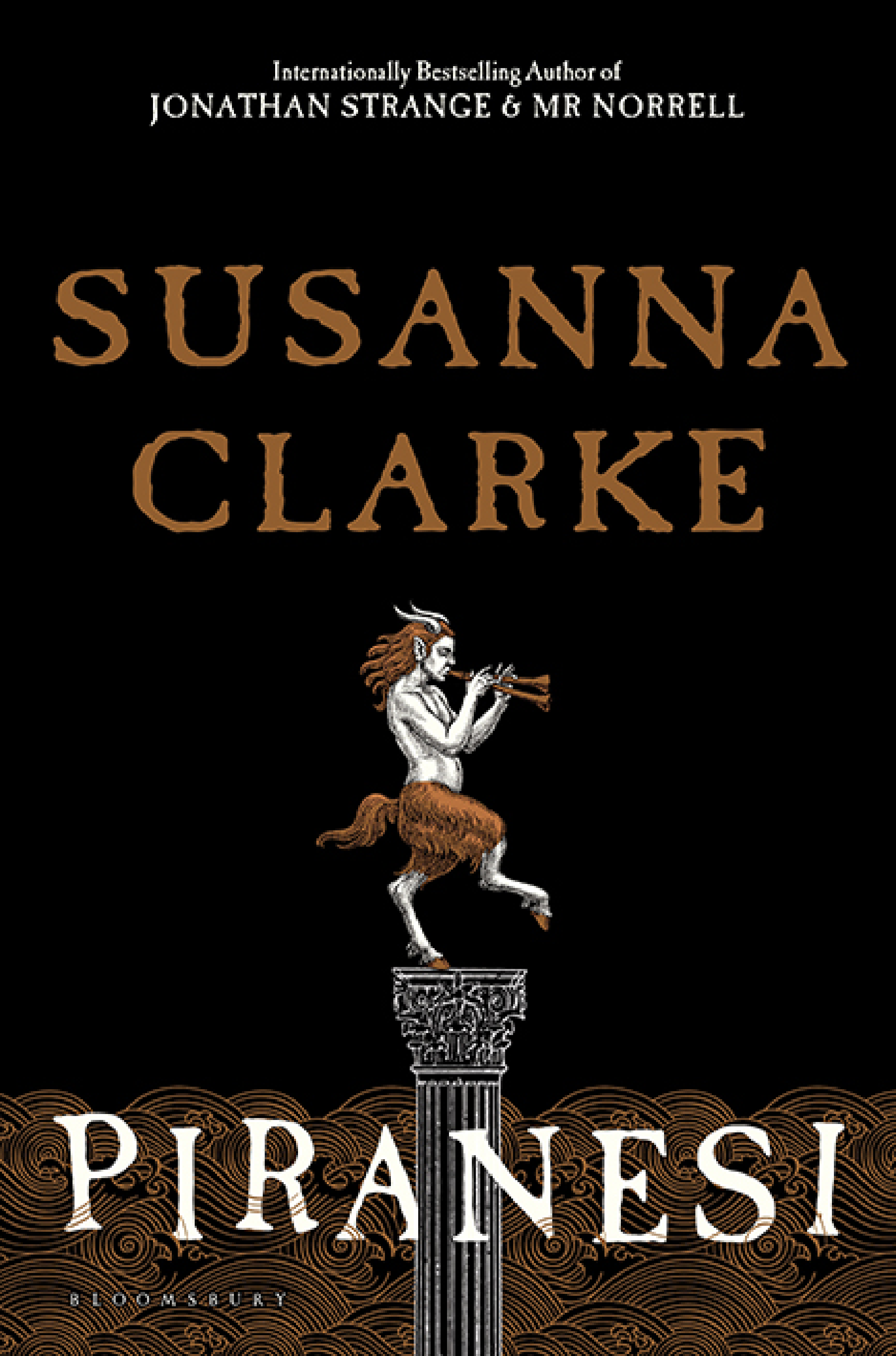
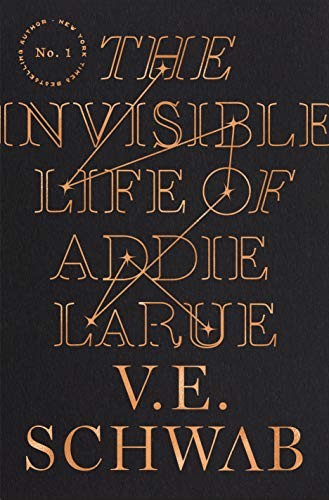
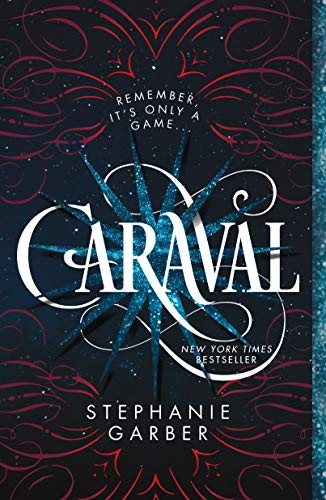
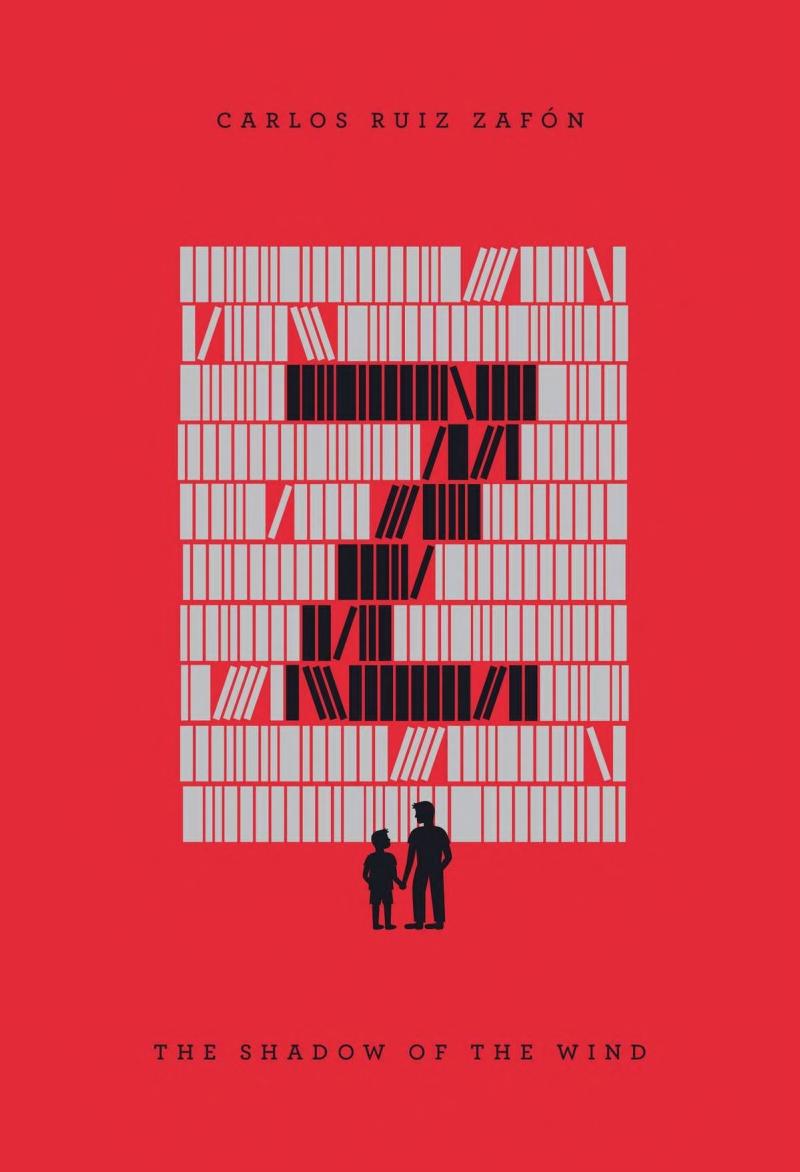
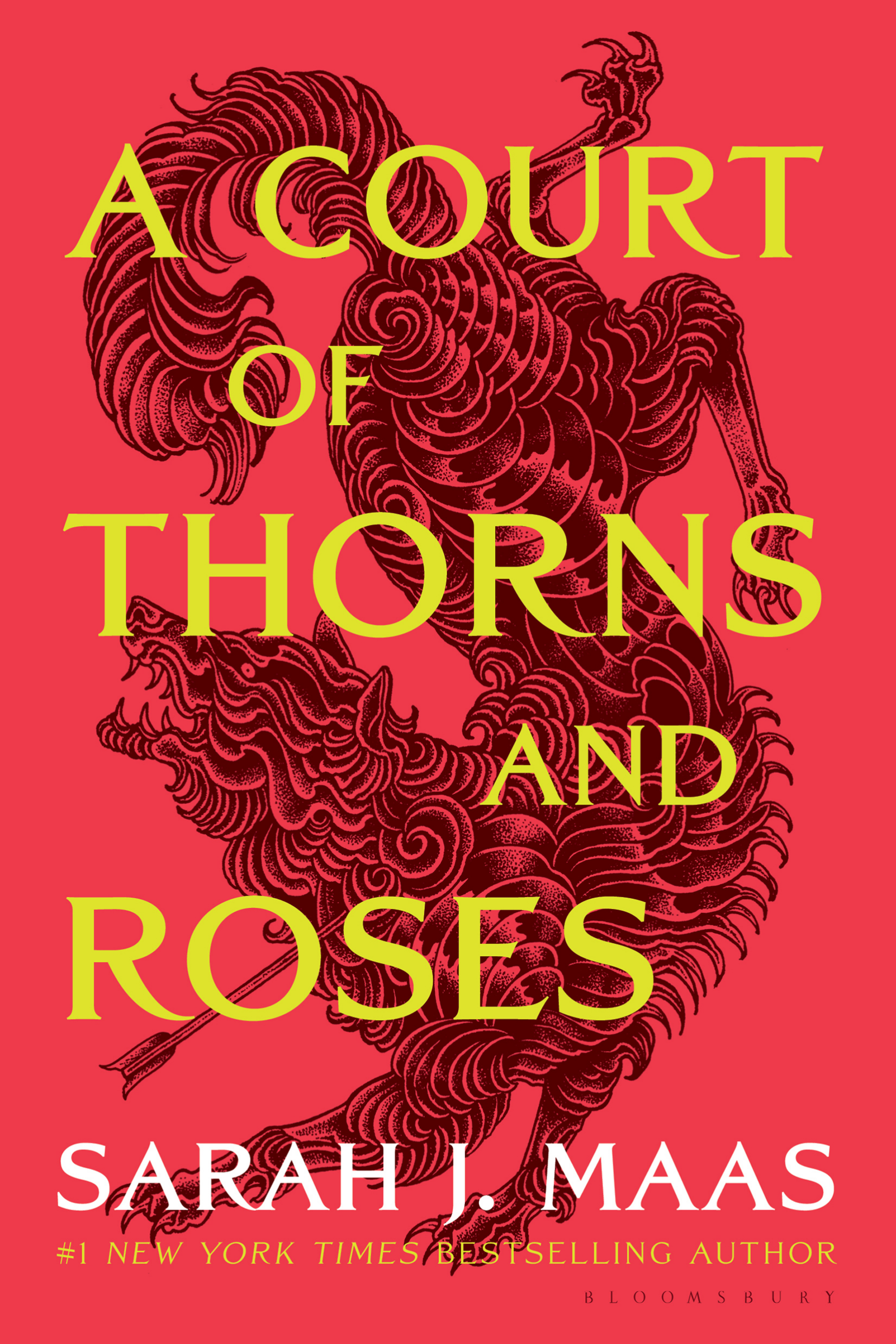
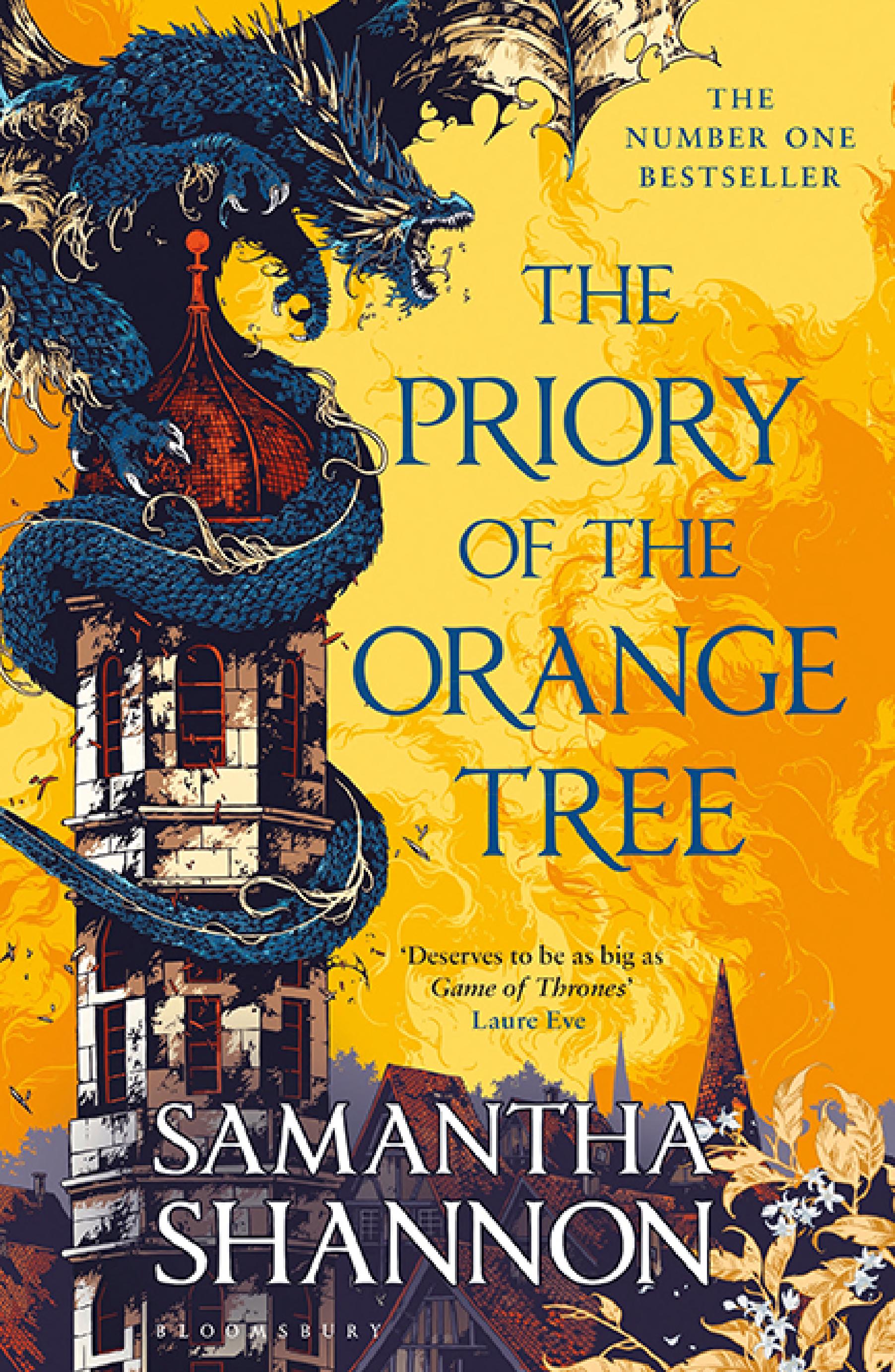
PiranesiSusanna ClarkeClarke’s novel is the most extreme example of wonder-as-the-point on this list: the entire book takes place inside an impossible House — endless halls, statues, tides that flood lower floors, birds that nest in the upper reaches — and the narrator’s journal entries are devoted almost entirely to cataloguing and loving this space. The plot, when it arrives, is almost secondary to the experience of having spent the preceding pages completely absorbed in the House’s logic and beauty on its own terms. At 270 pages, it’s also the most efficient delivery of pure wonder on this list — nothing is wasted, and every detail about the House rewards attention. The Invisible Life of Addie LaRueV.E. SchwabSchwab’s novel follows a woman cursed to live forever but be forgotten by everyone she meets, across three centuries of history rendered with the same sensory specificity Morgenstern brings to the circus — 18th-century France, art studios in different eras, the texture of centuries of accumulated memory that only Addie carries. The premise itself produces wonder: the specific melancholy beauty of a person who has seen everything and been remembered by no one, rendered across enough historical settings that the novel functions as a tour through different periods, each one given the same loving attention. The romance with Henry, who can remember her, gives the novel its plot, but the pleasure is in the accumulated centuries. CaravalStephanie GarberGarber’s novel shares The Night Circus’s structural premise most directly: a magical performance/game where nothing is what it seems, rendered with the same commitment to sensory overload — color, scent, impossible architecture — that makes Morgenstern’s circus so immersive. Scarlett’s entry into Caraval is organized around the experience of not knowing what is real, which Garber uses as license to make every scene maximally wondrous; since the rules of the game are unclear, almost anything can happen, and the novel takes full advantage. The most directly comparable YA equivalent to The Night Circus’s atmosphere. The Shadow of the WindCarlos Ruiz ZafonZafon’s novel is not fantasy, but the Cemetery of Forgotten Books — a labyrinthine archive of preserved, forgotten books somewhere in Barcelona — functions for readers exactly the way The Night Circus’s circus does: a space whose existence is itself the primary pleasure, rendered with enough specificity and atmosphere that readers report wanting to physically be there. The mystery plot gives Zafon occasions to return to this space and to the gothic Barcelona that surrounds it, but the wonder of the setting — both the Cemetery and the post-Civil War city itself — is what makes the novel feel like an immersive experience rather than simply a story with an interesting backdrop. A Court of Thorns and RosesSarah J. MaasMaas’s series shares The Night Circus’s commitment to sensory excess — the Spring Court’s blossoms, the Night Court’s starlit city, each subsequent court rendered with maximalist attention to color, texture, and impossible beauty. The romance and political plot are the engines that move Feyre between these spaces, but the spaces themselves — each court a fully realized aesthetic world — are what readers consistently describe wanting to live inside. The series scales the wonder-as-pleasure principle across multiple books and multiple distinct worlds, which gives readers who love this quality more of it to sustain across a longer reading experience than The Night Circus’s single volume provides. The Priory of the Orange TreeSamantha ShannonShannon’s 800-page standalone shares The Night Circus’s commitment to a world rendered for its own sake, at considerably larger scale — multiple continents, each with distinct cultures, architectures, and relationships to dragons and magic, all given the kind of loving specific detail that makes a setting feel inhabited rather than sketched. The length means there is simply more world here than in The Night Circus, and readers who finished Morgenstern’s novel wanting more of the specific pleasure of being somewhere wondrous, with a larger canvas and more time to spend in it, will find Shannon’s novel delivers at scale what The Night Circus delivers in miniature. Who This Is For
Readers who finished The Night Circus wanting more of the specific experience of being inside a wondrous world — who care more about atmosphere, sensory detail, and the feeling of a place than about plot mechanics, and who want fiction organized around that priority. The fantasy catalogue has more in this direction.
Frequently asked questions
Q: Is The Night Circus’s plot disappointing because the atmosphere is the focus?
A: Some readers feel the romantic plot is underdeveloped relative to the worldbuilding; others find this proportion exactly right, since the atmosphere is what the novel is for. If you go in expecting the plot to be the main event, you may be disappointed. If you go in wanting to be inside the circus, the plot’s relative thinness won’t bother you.
Q: Is Piranesi similar to The Night Circus in tone?
A: Tonally different — Piranesi is quieter, more melancholic, and more philosophically interested in the narrator’s psychology than The Night Circus is. But the structural similarity (a wondrous space rendered as the primary subject, with plot emerging from and secondary to that space) is very close. Piranesi is shorter and more literary in register.
Q: Which of these is the most accessible for readers newer to fantasy?
A: Caraval and A Court of Thorns and Roses are the most conventionally paced and plot-forward, which can make them more accessible entry points. Piranesi and The Shadow of the Wind (not fantasy in the traditional sense) require a bit more patience but reward it. The Priory of the Orange Tree is the most demanding due to its length and multiple POV structure.
Q: What should I read after The Invisible Life of Addie LaRue if I want more V.E. Schwab?
A: The Shades of Magic trilogy (starting with A Darker Shade of Magic) shares Schwab’s interest in richly atmospheric parallel-world settings, with more plot-forward pacing than Addie LaRue. Gallant is a shorter, more Gothic standalone with similar atmospheric investment.
Not sure which of these is right for you specifically? The Pagesmith quiz matches you to books based on your mood, pacing preference, and reading goals, not bestseller lists. Takes two minutes.