Books With Twist Endings You Won't See Coming
A good twist doesn't just surprise -- it recontextualizes everything that came before, so the book becomes a different book on reread. These six earn their twists through careful construction rather than relying on withheld information alone, which is the difference between a twist that satisfies and one that just feels like a trick.
June 2026 · 8 min read · The Pagesmith
The cheap twist withholds information: the narrator knew something all along and simply didn’t tell you, and the surprise comes from the gap between what you knew and what they knew. This kind of twist can be satisfying in the moment but often falls apart on reflection — if the narrator knew this the whole time, why did they narrate the way they did? The earned twist is different: it doesn’t depend on the narrator hiding something from the reader so much as on the reader’s own assumptions, which the book has been quietly encouraging without ever lying. When the twist arrives, everything you read before is still true — you just understand what it meant differently now. That’s the test for the books here: on a second read, knowing the twist, the earlier chapters don’t feel like they were cheating. They feel like they were telling you the truth the whole time, in a way you weren’t equipped to hear yet.
The Difference Between a Twist That Tricks and a Twist That Reveals
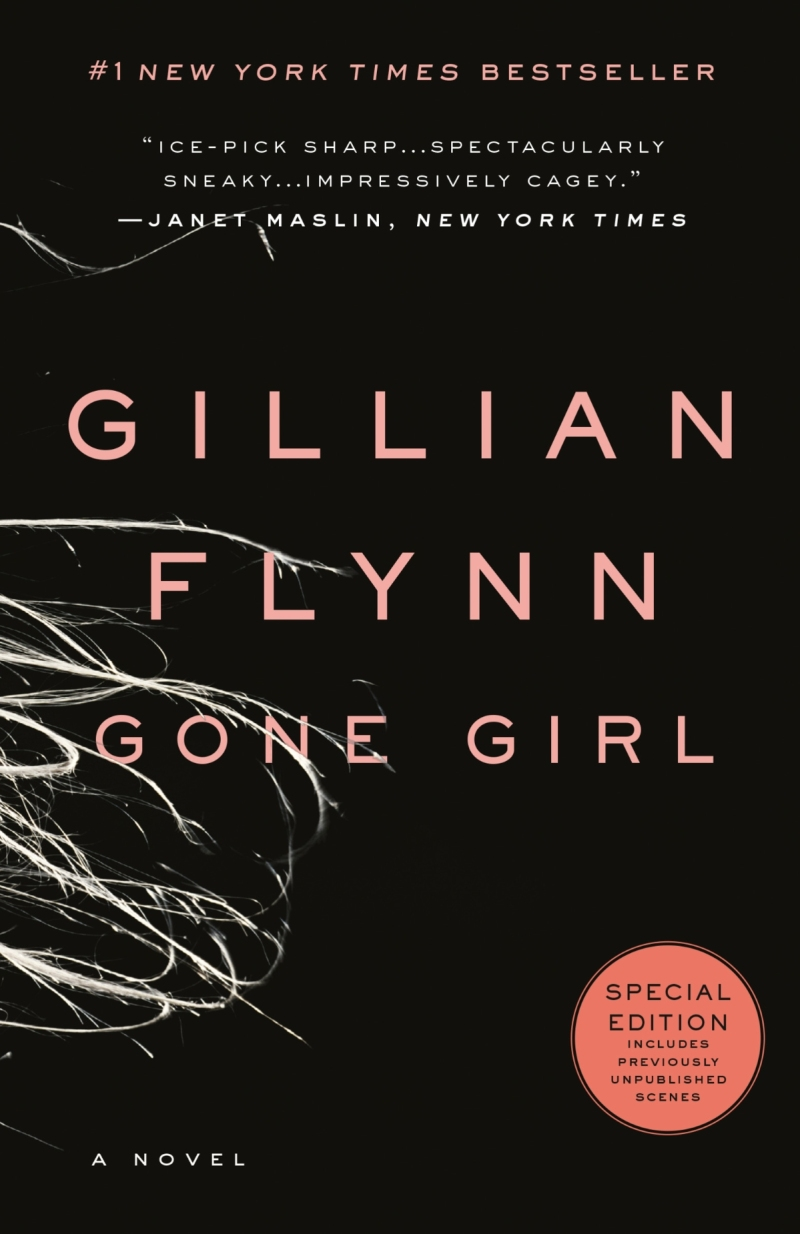
A twist that tricks relies on the reader not having information the narrator possessed. A twist that reveals relies on the reader having made an assumption — often one the culture encourages, often one the book never explicitly confirmed — and the twist is simply the moment that assumption gets corrected. Gone Girl’s twist works because the reader assumes Amy is the victim the genre convention suggests, not because Flynn hides facts; everything Amy’s sections describe is, in its own way, true. The books here all work this way: the twist is available on reread because it was always there, hiding in plain sight inside an assumption the reader brought to the book rather than one the book imposed.
The best twist doesn’t change the facts of the story. It changes what the facts mean — which means a good twist ending makes you want to immediately start the book again, not to check for cheating, but to see how much was visible the whole time.
The Books
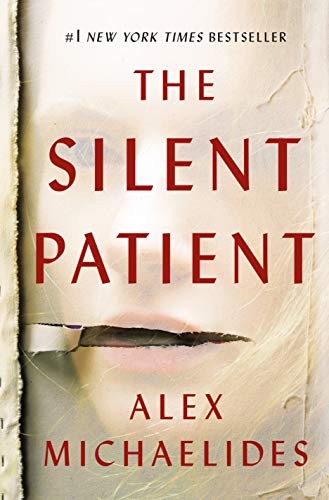
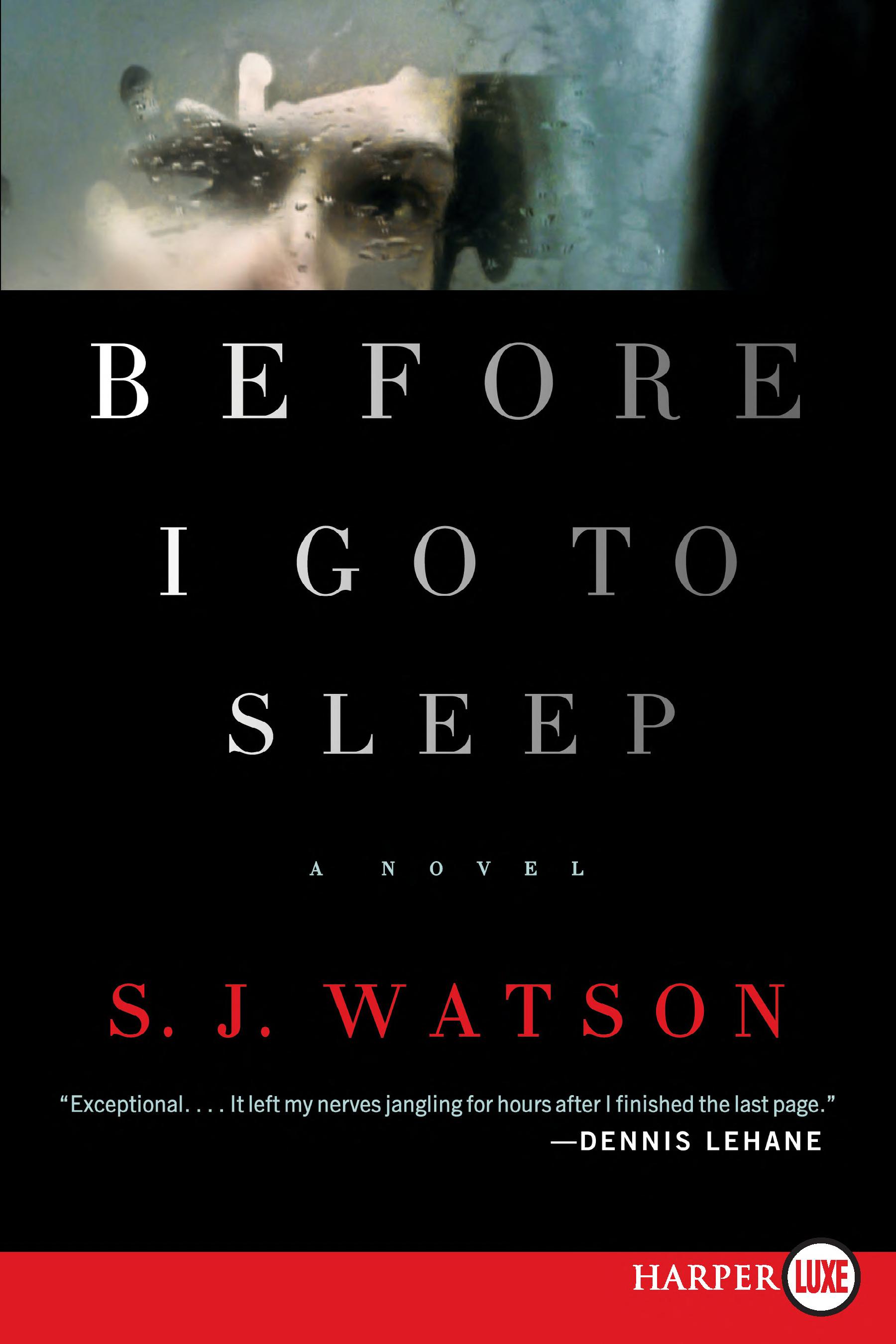
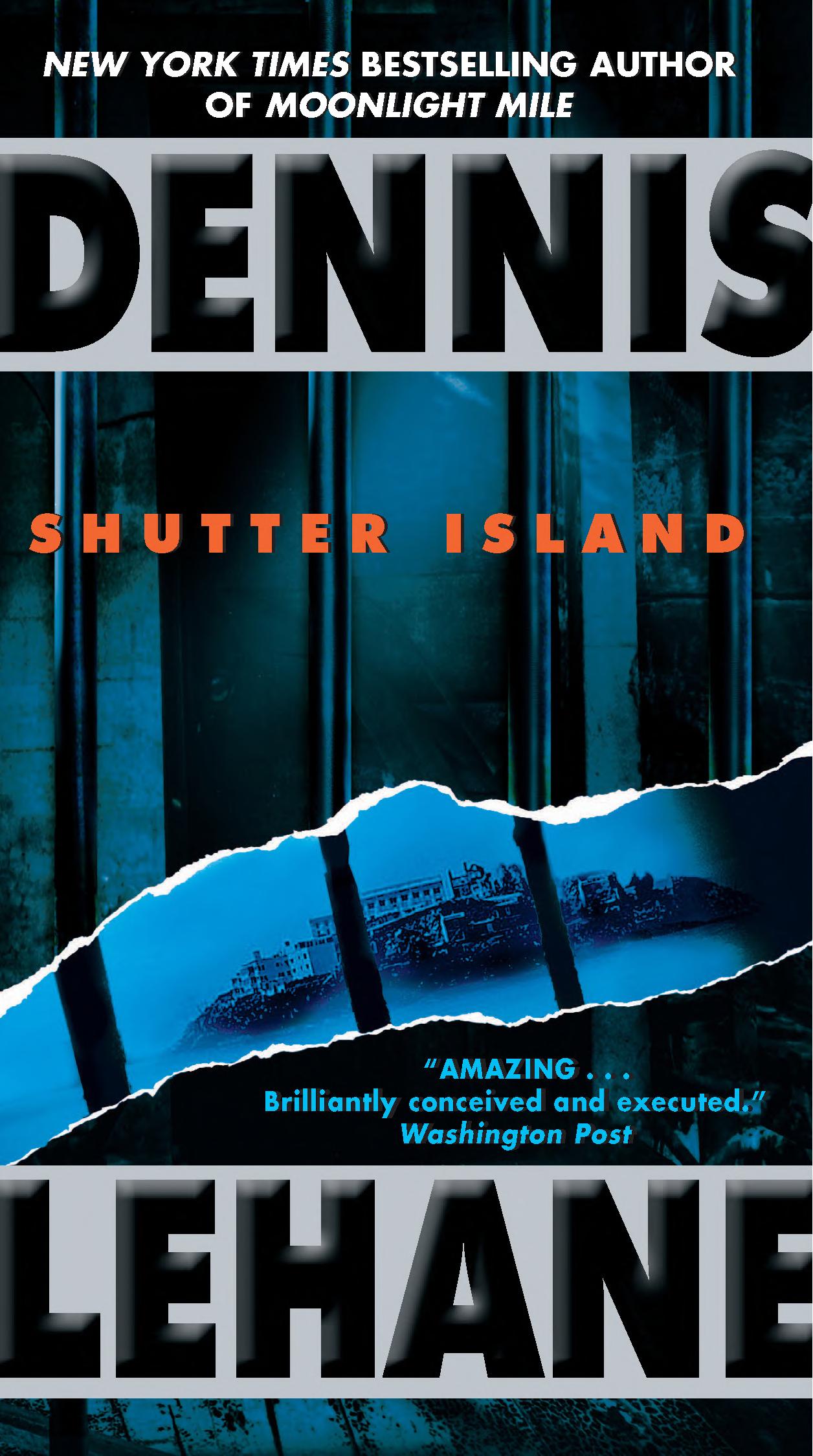
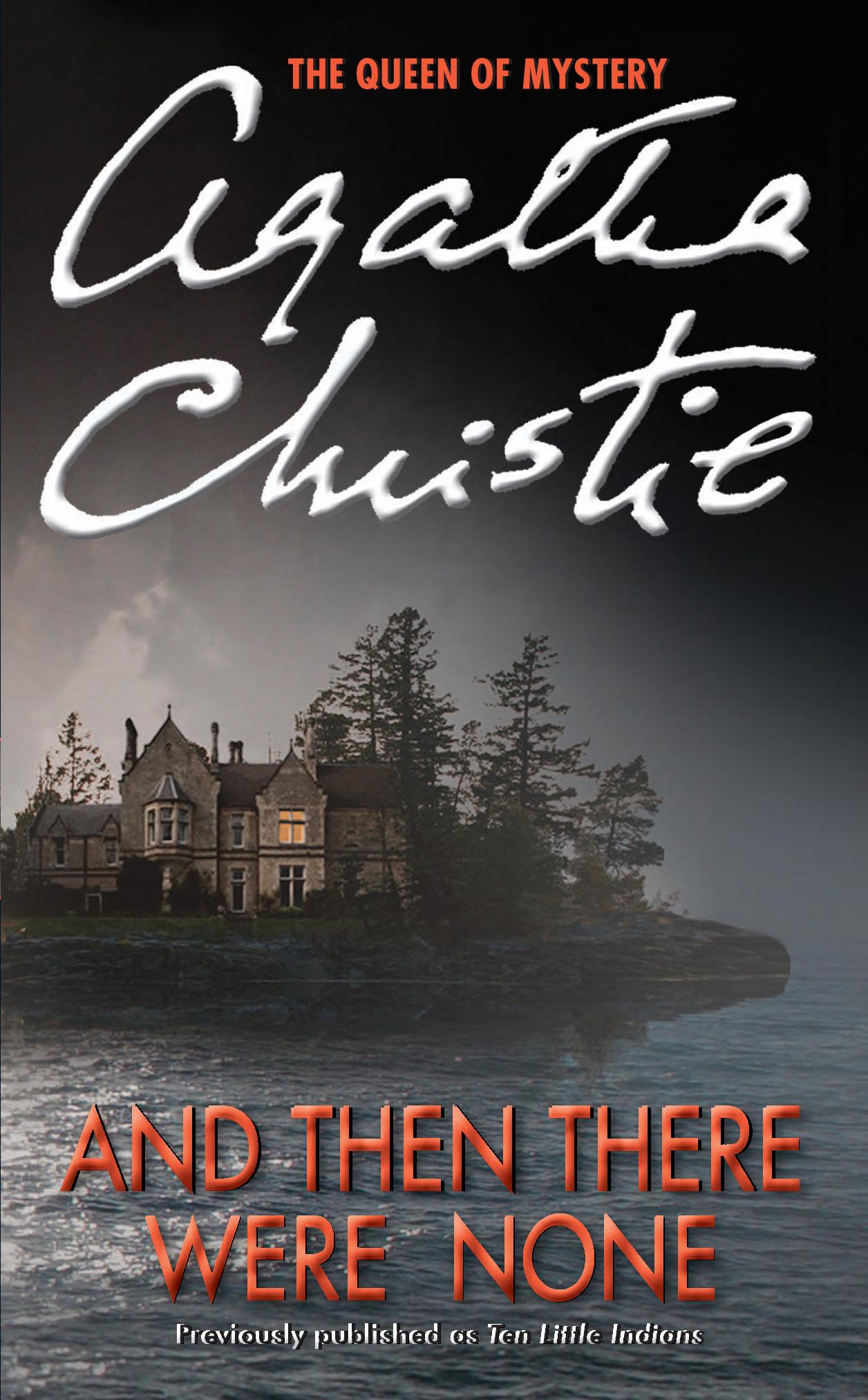
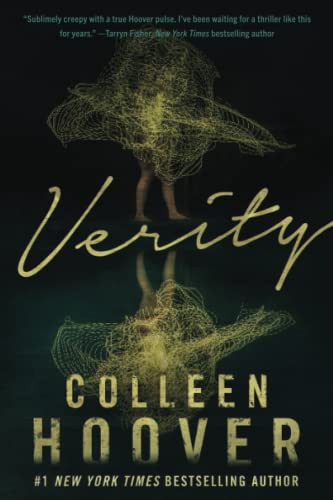
Gone GirlGillian FlynnThe twist that relaunched the genre: Amy Dunne’s diary entries, presenting her as a frightened victim of a troubled marriage, turn out to be a constructed document — part of an elaborate plan to frame her husband for her murder. What makes the twist earn its place rather than feeling like a trick is that everything in Amy’s sections remains, in a sense, true to her perspective; she really did feel diminished by the marriage, the grievances are real, the “Cool Girl” monologue is accurate social observation. The twist doesn’t undo what the reader felt reading those sections — it recontextualizes what kind of person could construct something this persuasive while it was also, in its way, sincere. The Silent PatientAlex MichaelidesMichaelides’s novel is organized around a psychotherapist treating a woman who hasn’t spoken since allegedly murdering her husband, and the twist re-frames the therapist’s entire role in the story in a way that, on reread, is visible from the first chapter — every detail about the therapist’s own marriage and history takes on a different meaning once the twist lands. The novel is structured to reward exactly the kind of rereading that earned twists invite: details that seemed like incidental characterization turn out to be the entire architecture of the plot, hidden in plain sight through the simple device of the reader’s assumption about whose story this is. Before I Go to SleepS.J. WatsonWatson’s novel follows a woman with amnesia who loses her memories every time she sleeps, relying entirely on a journal and the people around her to reconstruct who she is each day — which means the twist operates on the reader the same way it operates on the protagonist: the people she’s been trusting are not who they claim to be, and the reader has been trusting the same sources of information she has, for the same reasons. The twist works because the formal structure (the protagonist’s daily reconstruction of her own life from unreliable sources) makes the reader complicit in the same epistemic vulnerability the character experiences — you believed what she believed because the structure gave you no other option. Shutter IslandDennis LehaneLehane’s novel follows a U.S. Marshal investigating a disappearance at a hospital for the criminally insane, and the twist — which recontextualizes the marshal’s entire identity and the nature of the investigation itself — is constructed with enough care that on reread, the novel’s strange details (things that seemed like atmosphere or red herrings) are revealed to have been accurate descriptions of the actual situation all along, just filtered through a perspective the reader had no reason to distrust. The twist is also notable for what it does after landing: rather than simply revealing information, it raises a genuinely difficult question about identity, memory, and what it would mean to choose between two different versions of understanding your own life. And Then There Were NoneAgatha ChristieChristie’s most famous novel is the foundational text for the earned twist: ten strangers on an island, dying one by one, and a solution that is genuinely the only one that satisfies every constraint the novel has established — which is the test of a great mystery twist, distinct from a great thriller twist. The reader has all the information needed to solve it, in principle, and the satisfaction of the reveal comes not from new information but from realizing that the solution was always logically available, hidden by Christie’s precise management of what the reader noticed and what they didn’t. Nearly ninety years later, still the model for how a mystery’s solution can be both surprising and, in retrospect, inevitable. VerityColleen HooverHoover’s thriller is included here not because it resolves its central question — it deliberately doesn’t — but because the ambiguity at its ending functions as a kind of inverse twist: the reader has spent the novel assuming that the discovered manuscript is either entirely true or entirely false, and the ending refuses to confirm either, which recontextualizes everything that came before as genuinely uncertain rather than simply suspenseful. This is a different kind of twist than the others on this list — a withheld resolution rather than a revealed one — but it produces the same effect: the desire to immediately revisit earlier chapters with new eyes, this time looking for evidence rather than following the plot. Who This Is For
Readers who want twist endings that reward rereading rather than feeling like a trick once revealed — who are interested in the craft of how a twist is constructed, not just the moment of surprise. Also readers who enjoy going back through a book after finishing it to see what they missed and what was visible all along. The thriller and mystery catalogue has more in this direction.
Frequently asked questions
Q: Will reading about these twists in advance ruin the books?
A: This article doesn’t reveal the specific twists, deliberately — the descriptions point at what kind of twist each book has without spoiling it. Going in knowing that a twist is coming doesn’t ruin these books the way it would ruin a book that relies purely on shock; in fact, some readers find that knowing a twist is coming and trying to spot it in advance is part of the pleasure with books constructed this carefully.
Q: Is Verity’s ending actually a twist, or is it just unresolved?
A: It’s deliberately unresolved — Hoover has discussed this choice in interviews, and it’s intentional rather than an oversight. Whether an unresolved ending counts as a “twist” depends on your definition, but the effect on the reader (the need to revisit the book with new eyes) is similar enough to belong on this list. Readers who need definitive resolution may find this frustrating; readers who enjoy ambiguity tend to find it the novel’s most interesting choice.
Q: Which of these has the most “fair” twist, in the sense of being solvable?
A: And Then There Were None is the most purely solvable — Christie plays fair with the reader in the classic mystery tradition, and attentive readers genuinely can work out the solution before it’s revealed. The Silent Patient and Shutter Island are constructed to be solvable on a careful read but most readers don’t catch them on a first pass. Gone Girl and Before I Go to Sleep are less about solvability and more about the reframing itself.
Q: What should I read after And Then There Were None if I want more Agatha Christie?
A: Murder on the Orient Express and The Murder of Roger Ackroyd are both considered among her most successful twist constructions, each working through a different kind of misdirection. Ackroyd in particular is famous for a structural twist that was controversial when published for stretching what a “fair” mystery could do.
Not sure which of these is right for you specifically? The Pagesmith quiz matches you to books based on your mood, pacing preference, and reading goals, not bestseller lists. Takes two minutes.