6 Nonfiction Books That Read Like Novels
What makes nonfiction genuinely novelistic is not prose style but structure: a protagonist under pressure, escalating stakes, an ending that reframes everything. These books have that structure because the real events happened to.
May 2026 · 7 min read · The Pagesmith
The phrase “nonfiction that reads like a novel” is used carelessly to mean nonfiction with a pleasant prose style, or nonfiction that includes reconstructed dialogue, or nonfiction that moves fast. None of those things make nonfiction novelistic. What makes nonfiction genuinely novelistic is structural: there is a protagonist who is transformed under pressure, stakes that escalate in a way that feels inevitable in retrospect, and an ending that reframes the meaning of everything that preceded it. The books on this list work as novels because the events they describe happened to have that architecture. The authors found the structure that was already there. That is a different and more difficult achievement than simply writing fluidly, and it produces a different and more lasting reading experience.
Why Most “Narrative Nonfiction” Doesn’t Deliver
There is a publishing category called narrative nonfiction that promises to combine the authority of reporting with the pleasure of storytelling. The promise is frequently broken, because the techniques borrowed from fiction, reconstructed scenes, composite chronologies, present-tense immediacy, are applied to material that does not have a story shape. A life, even a remarkable one, rarely has a story shape. The books here work because the events themselves did: a ship gets trapped in ice and the crew survives or doesn’t, a fraud either holds together or unravels, a man either comes down from the mountain or he doesn’t. Genuine stakes produce genuine narrative, and genuine narrative in nonfiction is rarer than the genre’s marketing suggests.
A real event that has novelistic structure is a different thing from nonfiction with a novelistic prose style. The first is rare. The second is common. The books here are the first.
The Books
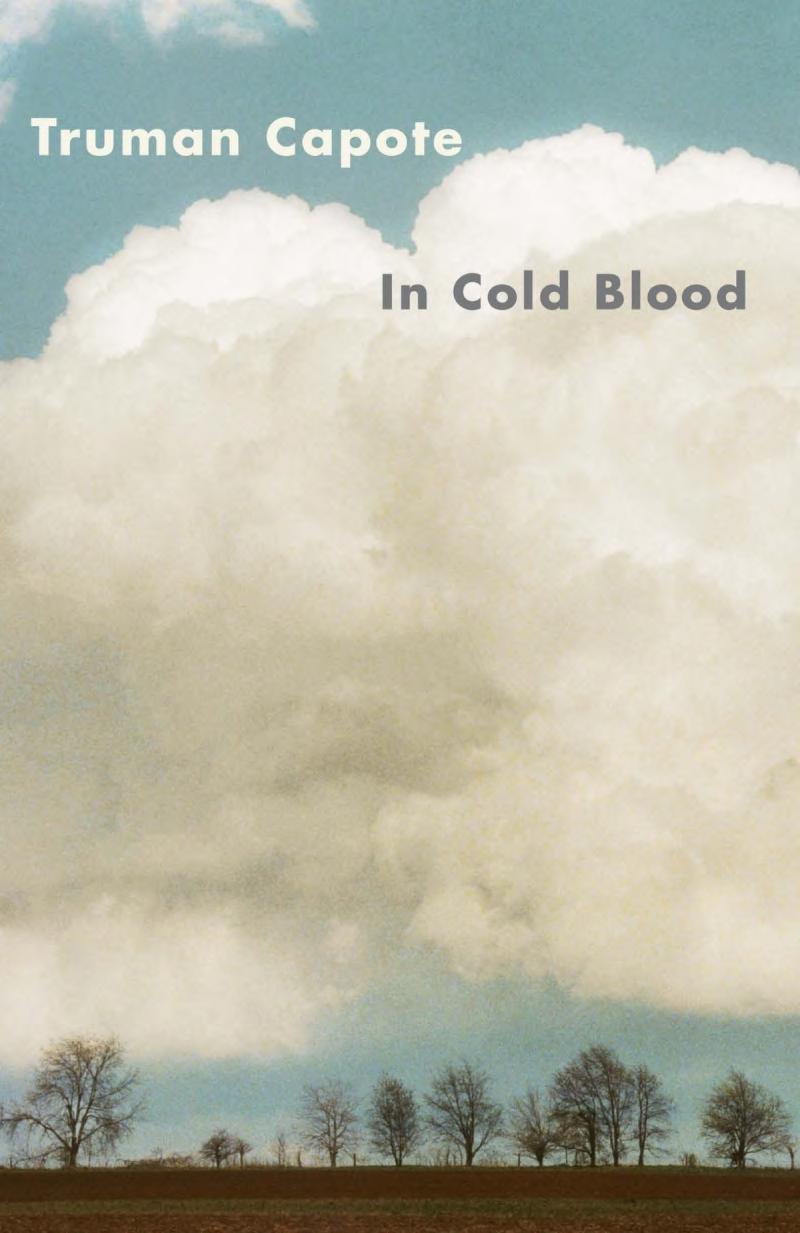
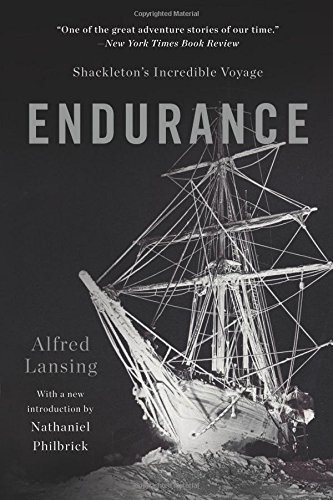
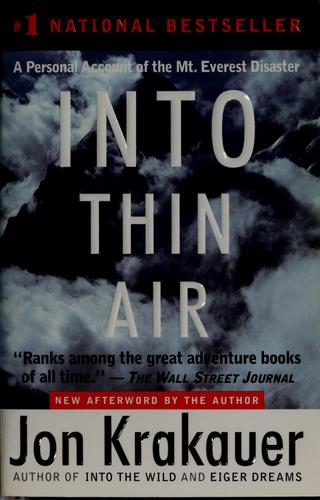
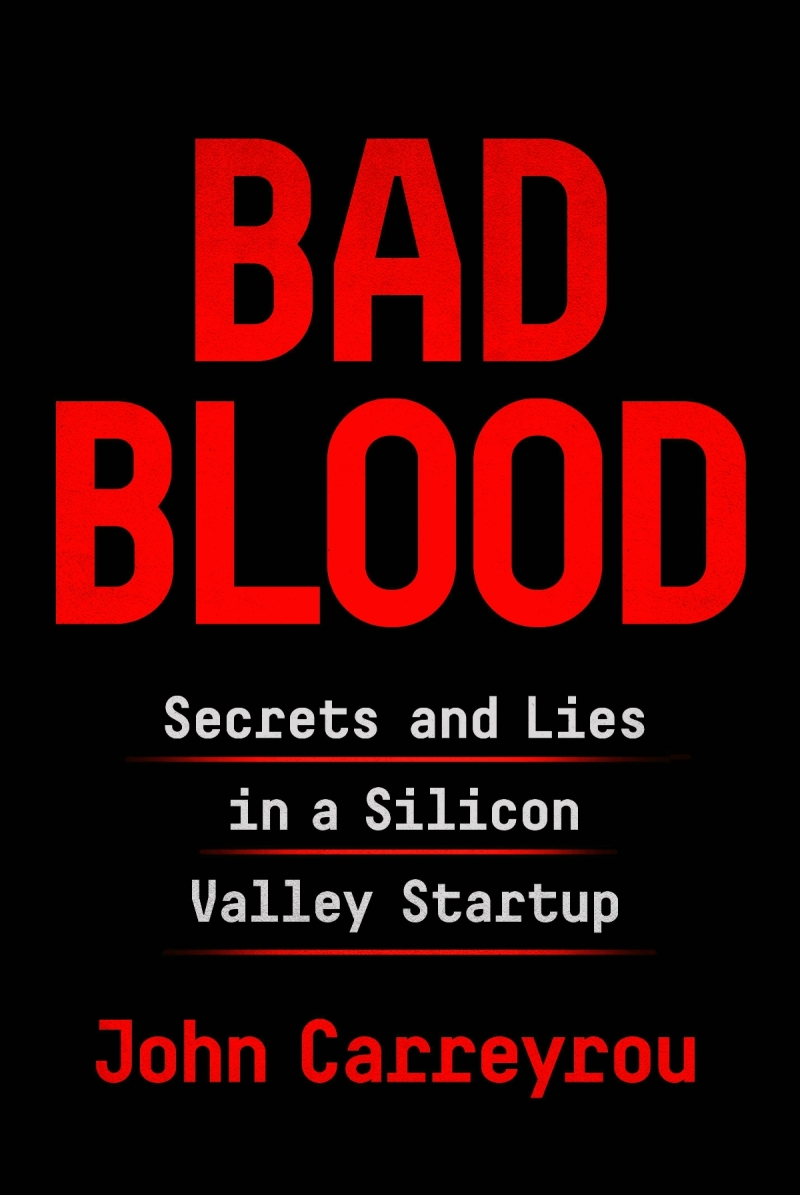
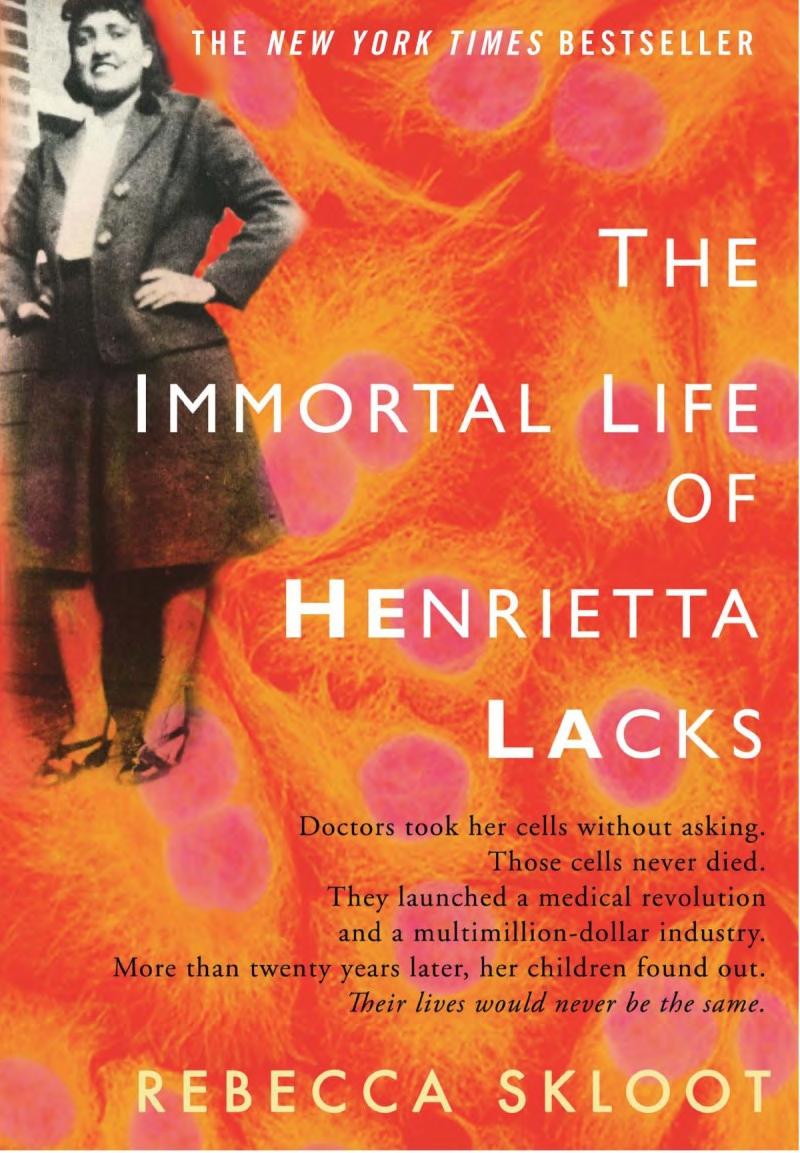
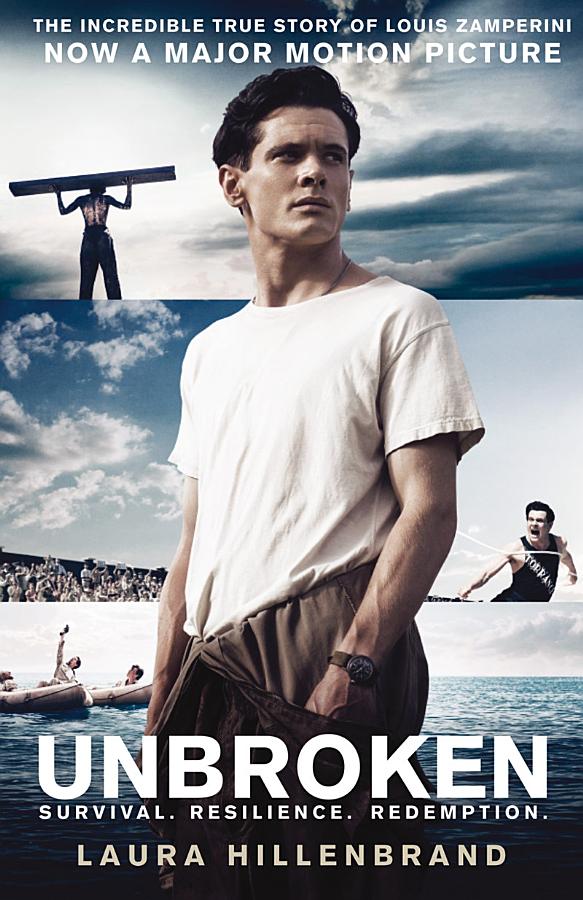
In Cold BloodTruman CapoteCapote invented this form in 1966 and it has not been surpassed. He structures the book around two simultaneous timelines that the reader knows will converge: the Clutter family going about an ordinary day, and the two men driving toward them. The technique is borrowed from the thriller, and the effect is dread rather than suspense, because you know what happens. The novel’s second half, the investigation, trial, and years on death row, is where Capote’s real argument emerges: that the killers are as much a product of American neglect as of personal pathology. It is a crime book and a social document in proportions that shift every time you consider it. EnduranceAlfred LansingLansing reconstructed the 22-month ordeal of Shackleton’s crew from journals, diaries, and interviews with the surviving members, and the result reads with the momentum of a thriller while carrying the authority of meticulous research. The story has natural novelistic structure: a protagonist whose defining quality, his refusal to lose a single man — is tested at every point, stakes that escalate from bad to worse to unimaginable, and an ending that feels earned rather than lucky. No one died. The account of how that record was kept is one of the more extraordinary things in any genre. Into Thin AirJon KrakauerKrakauer was on Everest the day the storm hit in 1996, and he wrote this account within months of coming down. What distinguishes it from most disaster narrative is that the narrator is implicated. Krakauer makes decisions on that mountain that he has to live with, and the book’s psychological honesty about his own potential contributions to the death toll makes it more than a survival story. It is also a structural analysis of how commercial mountaineering created the conditions for the disaster, which gives the narrative a second layer of escalation beyond the storm itself. Bad BloodJohn CarreyrouCarreyrou’s account of the Theranos fraud has the structure of a corporate thriller because the underlying events had it. The fraud had to be sustained across an escalating series of near-exposures, each one more dangerous than the last, which produces exactly the tension that thriller writers construct artificially. Elizabeth Holmes functions as a villain of the specific type that is more disturbing than fictional ones: entirely convinced of her own righteousness, capable of extraordinary compartmentalization, and surrounded by smart people who chose not to ask the obvious questions. This is also the sharpest account of how Silicon Valley’s culture of belief made the fraud possible. The Immortal Life of Henrietta LacksRebecca SklootSkloot runs two timelines simultaneously: the scientific history of HeLa cells from 1951 onward, and her own present-tense relationship with Henrietta’s surviving family as she researches the book. The dual structure means the book is never just a history of medical exploitation or just a family portrait. The two timelines comment on each other in ways that neither could accomplish alone. The result is the rare piece of science reporting that works as emotional narrative without sacrificing the precision that makes the science worth understanding. UnbrokenLaura HillenbrandHillenbrand’s structural decision is the one that makes this more than a survival story: she places the emotional climax after the war ends. Louis Zamperini’s 47 days on a raft and two years in Japanese POW camps are harrowing, but Hillenbrand insists that what nearly destroyed him was the aftermath, the nightmares, the alcohol, the hatred that survival had left undischarged. That decision gives the book psychological depth that most survival narratives lack, and the final section works precisely because she has earned it by not making the physical ordeal the whole story. Who This Is For
Nonfiction readers who are not satisfied by books that simply explain things, who want the experience of genuine narrative tension alongside the authority of documented fact. Not readers who want to be told that something was “incredible” or “unbelievable,” which most survival and business narratives are full of, but readers who want the specific combination of stakes, consequence, and aftermath that makes a story feel complete. For more in this direction, explore the full nonfiction catalogue, which includes memoir, science writing, and investigative journalism.
Frequently Asked Questions
Q: What is the best nonfiction book that reads like a novel?
A: In Cold Blood is the standard answer, and it remains the correct one. Capote constructed the book with the structural precision of a thriller, including parallel timelines and a sustained build toward a climax the reader already knows is coming. It invented the form and has not been surpassed in it.
Q: Are nonfiction books that read like novels still accurate?
A: The books on this list are all rigorously researched. The narrative shape comes from how the author selects and sequences real events, not from invented details. In Cold Blood occasionally uses composite scenes, but the core events are documented. Endurance, Into Thin Air, and Unbroken are based on primary sources including first-person testimony.
Q: What is the fastest-reading nonfiction book on this list?
A: Into Thin Air and Bad Blood are both written for maximum forward momentum and move at the pace of a thriller. Bad Blood in particular is structured so that each chapter ends with a new revelation that makes it difficult to stop.
Q: What should I read after Unbroken?
A: Endurance covers similar ground, an extreme survival situation with a leader determined to keep everyone alive, but in Antarctica rather than the Pacific and with a full crew rather than a single protagonist. The tonal register is different: colder, more ensemble-driven, equally propulsive.
Not sure which of these is the right fit for you specifically? The Pagesmith quiz matches you to books based on your mood, pacing preference, and reading goals, not bestseller lists. Takes two minutes.