What to Read When You Need Something Comforting
A comforting book is not a simple book. It is a book that creates a specific feeling of safety -- through a world rendered with warmth, through characters you want to spend time with, and through the assurance that even when difficult things happen, the world the novel inhabits is fundamentally hospitable.
June 2026 · 8 min read · The Pagesmith
Comfort reading is frequently dismissed as escapism and frequently confused with easy reading. Neither description is accurate. The books that genuinely comfort — that produce the specific feeling of being held by the world a novel creates — are not necessarily simple or undemanding. A Gentleman in Moscow is 450 pages of intricate prose about house arrest under Stalinist repression. The Travelling Cat Chronicles is an extended meditation on loss and mortality rendered through a man and his cat. Neither of these is a simple book, and both of them are among the most reliably comforting reading experiences available. What they share is not simplicity but a specific quality of warmth in how they handle the world they have built: the assurance, embedded in the prose itself, that the people inside the novel are in the care of a narrator who understands what matters and will not be cruel with it. That quality — warmth in the handling, not absence of difficulty — is what genuine comfort reading provides.
What Comfort Reading Actually Is
The comforting novel is not the novel where nothing bad happens. It is the novel where the reader trusts the narrator — trusts that even if something difficult arrives, it will be handled with the care and intelligence that the preceding pages have demonstrated. That trust is the specific feeling comfort reading provides: not the absence of tension but the presence of a capable, warm intelligence managing the tension. Count Rostov under house arrest is not comfortable in any conventional sense. A Gentleman in Moscow is deeply comforting because Towles’s prose is so precisely warm, so confident in the value of small pleasures and sustained attention, that the reader never doubts that the world of the novel is worth inhabiting even when the Count’s circumstances are most constrained.
Comfort reading is not about avoiding difficulty. It is about trusting the narrator — knowing that the intelligence managing the world of the novel is warm enough, careful enough, and wise enough that even the hard parts will be handled well.
The Books
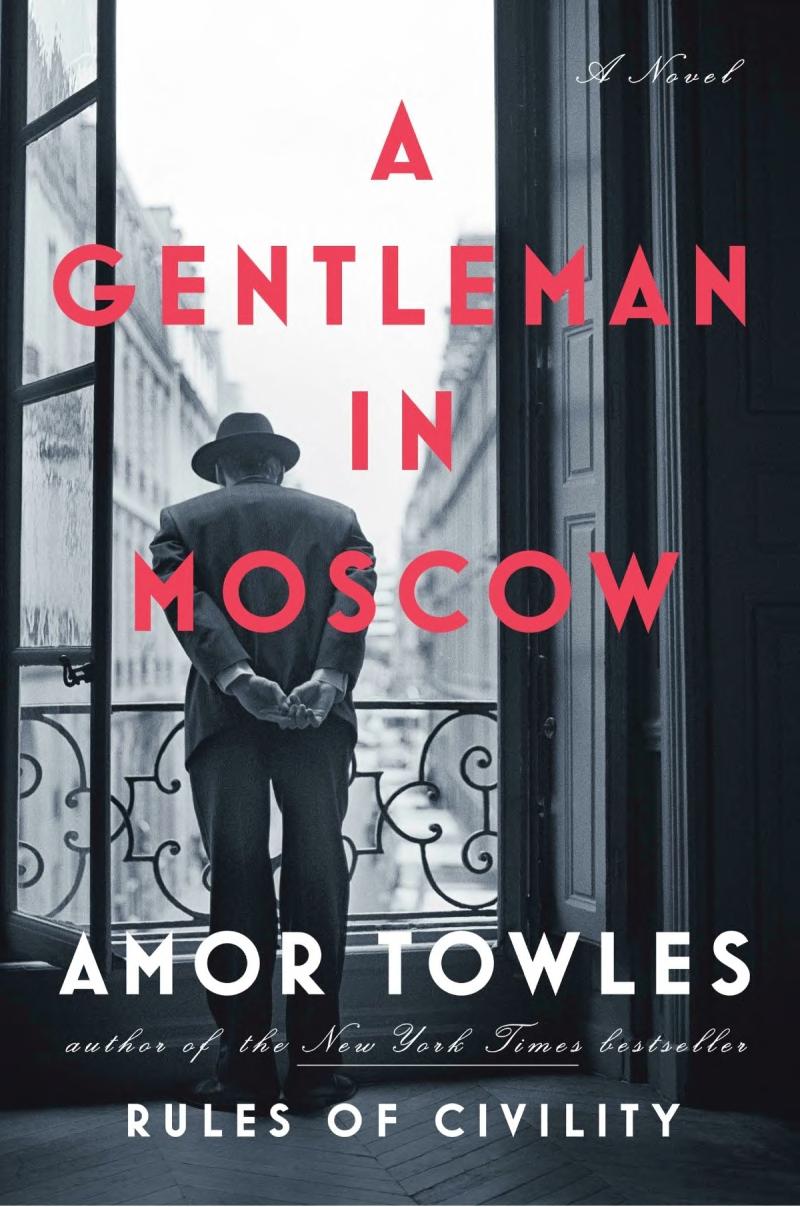
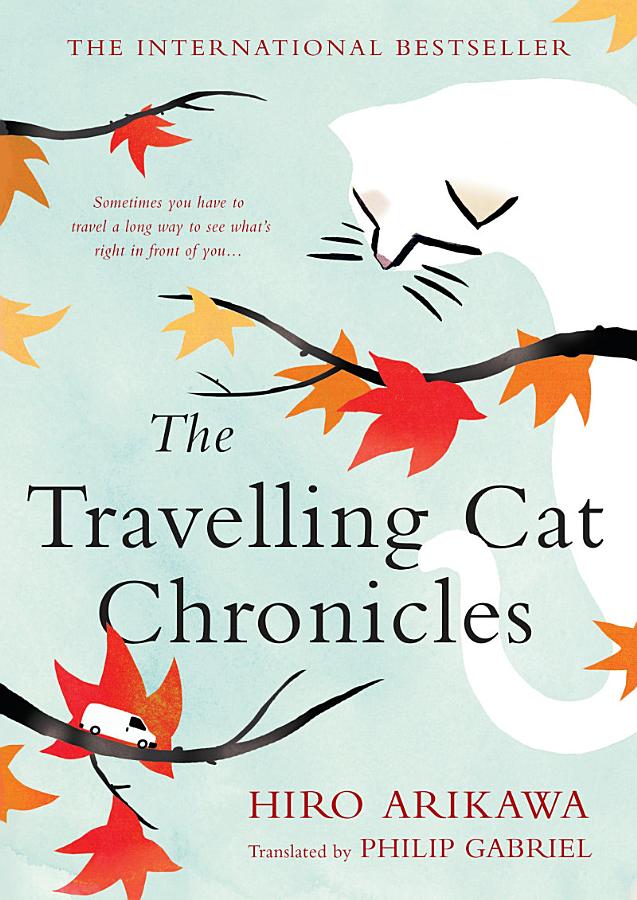
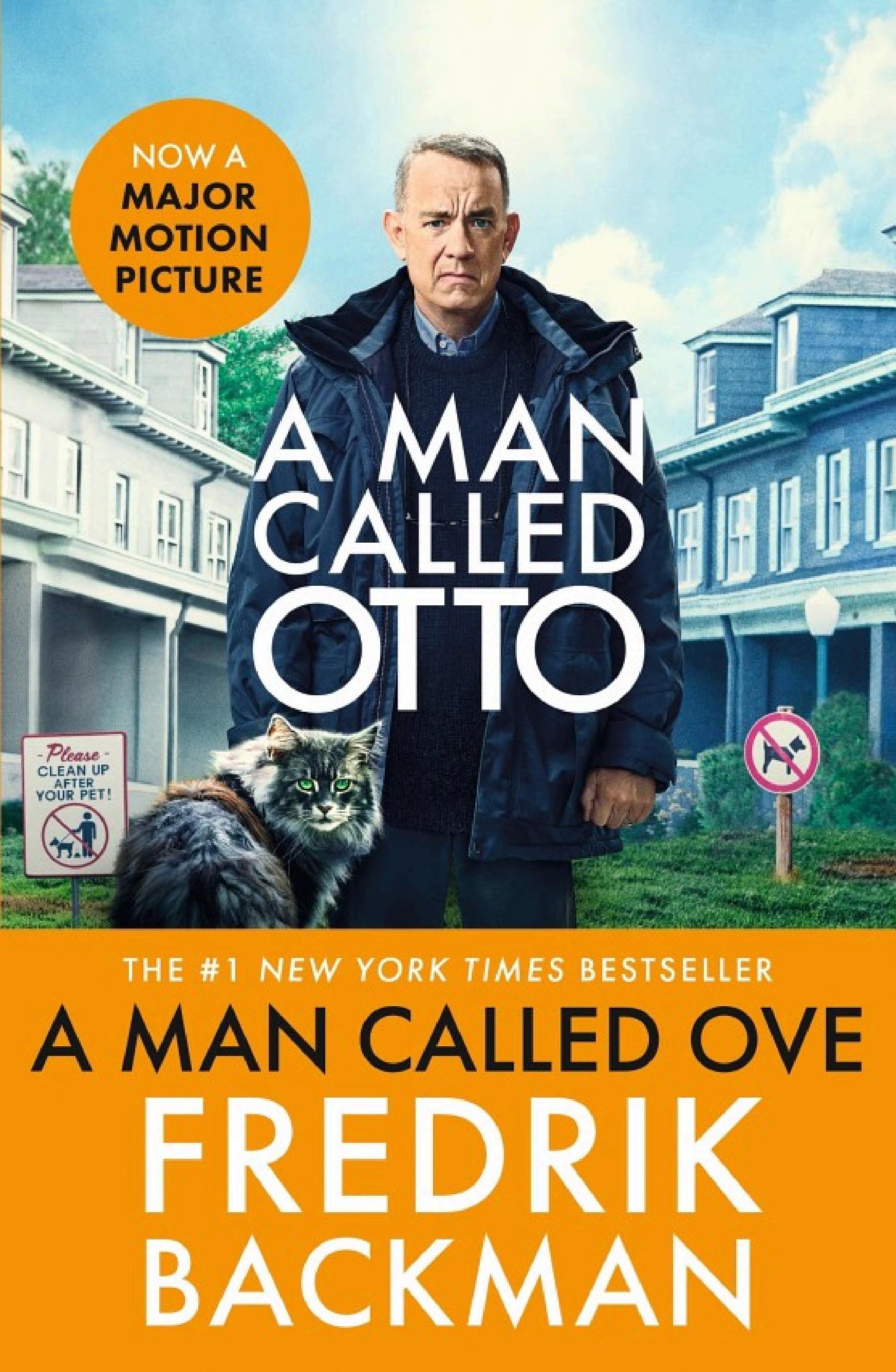
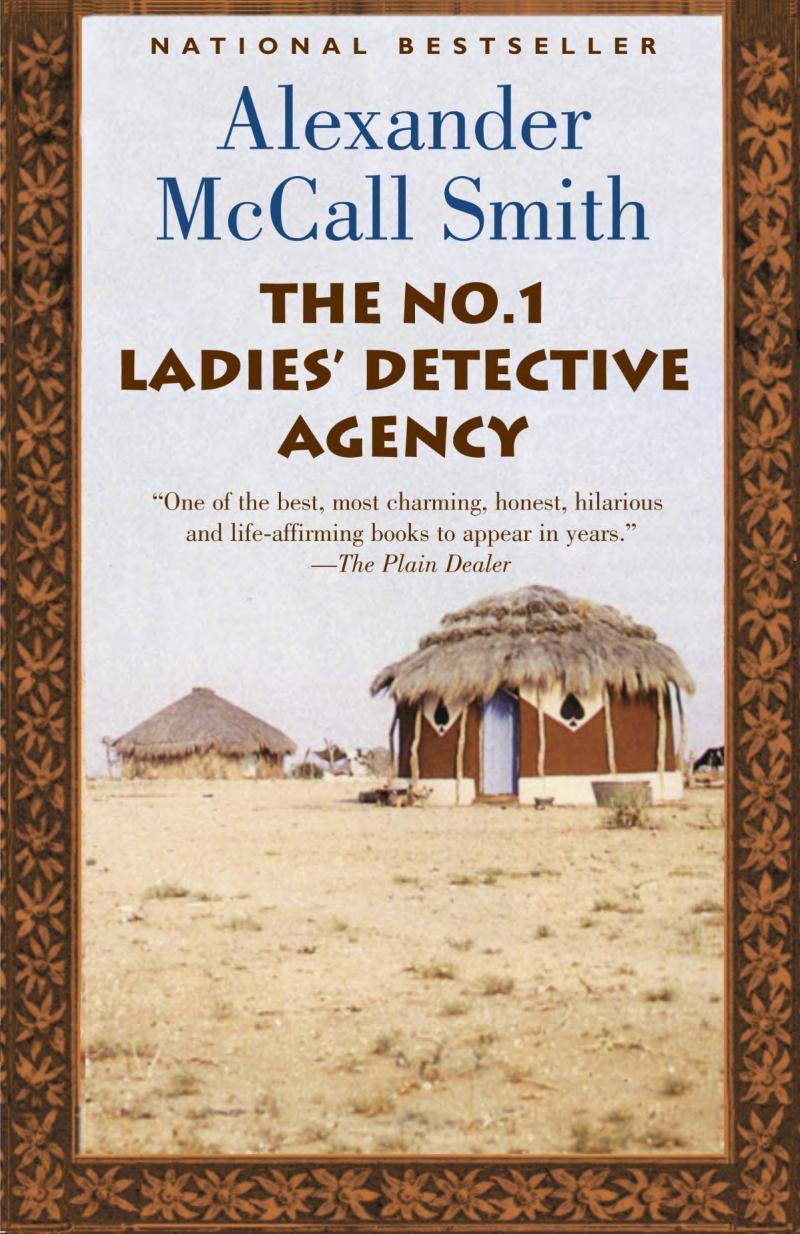
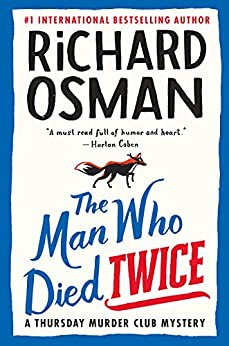
A Gentleman in MoscowAmor TowlesThe most elegant comfort read in contemporary literary fiction: Count Alexander Rostov, sentenced to permanent house arrest in Moscow’s Metropol Hotel by the Bolshevik tribunal, builds a full life within his constraints through intelligence, warmth, and an absolute commitment to the pleasures that remain available to him. Towles’s prose is the source of the comfort — it is so precisely calibrated to the Count’s specific view of what makes life worth living that the reader inhabits that view for the duration of the novel. The world outside the hotel grows darker across the decades of the Count’s confinement, but the novel never loses its warmth, because the Count never loses his. The most reliably recommended literary comfort read of the past decade. The Travelling Cat ChroniclesHiro ArikawaArikawa’s novel is organized around a grief that the reader understands before the characters do, and it is comforting in the specific sense that it handles that grief with more gentleness and more precision than almost any comparable novel. Satoru and his cat Nana travel across Japan visiting old friends — the apparent purpose being to find a new home for Nana — and the novel’s warmth comes from the quality of attention Arikawa brings to the friendships, the landscapes, and the specific texture of a relationship between a man and his cat rendered with full seriousness. The comfort is in the quality of the attention: the world of this novel is held with care, and the reader feels that care on every page. Quietly devastating; entirely warm. A Man Called OveFredrik BackmanBackman’s novel achieves the specific comfort of a book that begins as comedy and reveals itself to be about grief and love, so that the warmth that arrives at the end has been earned through the full weight of what preceded it. Ove’s rigid standards and his neighborhood conflicts are genuinely funny, and the backstory that explains them — the losses he has sustained, the love he has carried — lands harder than it would if the comedy had not first made the reader want to understand him. The comfort is in Backman’s conviction that Ove deserves understanding, and that the neighborhood that has been annoying him for years is the community that will, eventually, hold him. One of the most reliably recommended comfort reads across all reading communities. The No. 1 Ladies’ Detective AgencyAlexander McCall SmithMcCall Smith’s Botswana mystery series is the most sustained comfort reading available in contemporary fiction: twenty-plus novels in which Precious Ramotswe investigates the human problems of her specific community with patience, generosity, and the understanding that most human difficulty is caused not by evil but by need, fear, and the specific failures of attention that produce miscommunication. The world of Three Pines — wait, that’s a different series — the world of Gaborone that McCall Smith builds is rendered with genuine love for a specific place and its specific people, and the comfort is in returning to that world and to Mma Ramotswe’s company. Each book is short and warm and complete. The reading equivalent of a cup of tea in a familiar kitchen. Where’d You Go, BernadetteMaria SempleSemple’s novel is the most unconventional comfort read on this list: a satirical epistolary comedy about a missing architect whose departure is reconstructed from emails and FBI reports by her fifteen-year-old daughter. The comfort is in the comedy — Semple’s wit is warm rather than cold, and the satire of Seattle tech culture and school community politics is affectionate even at its most precise — and in the novel’s deep investment in Bernadette as a person worth finding. The ending is among the most genuinely uplifting in contemporary fiction, earned by the full weight of the novel that precedes it. The right comfort read for people who find pure warmth slightly cloying and need the comedy to earn the feeling. The Thursday Murder ClubRichard OsmanOsman’s novel is organized around people at the end of their lives who have decided not to wait, and the comfort it produces is the specific comfort of watching people who have every reason to be diminished insisting on their own formidability instead. The comedy is real, the mystery is engaging, and the emotional underpinning — the specific melancholy of late friendship, of people holding each other through the losses that accumulate in the final chapters of a life — arrives without announcement and lands completely. The Thursday Murder Club is comforting in the deepest sense: it makes the reader believe that the people they love will find ways to remain fully themselves even when the world has decided they should settle for less. Who This Is For
Readers in a period that requires gentleness — who have been through something difficult, or who are anticipating something difficult, or who simply need to spend time in a world that feels fundamentally safe. Also readers who have found most marketed “cozy” fiction too thin in substance and who want comfort that is intelligent and honest as well as warm. The contemporary and thriller and mystery catalogues have more in this direction.
Frequently asked questions
Q: What is the difference between a comfort read and a cozy read?
A: Cozy fiction (especially cozy mystery) is a specific genre with conventions: a small-town or village setting, amateur detective, no graphic violence, emphasis on community. Comfort reading is a broader category organized around the reading experience rather than genre conventions. A Gentleman in Moscow is not cozy fiction but it is deeply comforting. Not all cozy mysteries are comforting; some are simply low-stakes entertainments. The distinction is between a genre label and a quality of experience.
Q: Is A Gentleman in Moscow long?
A: Around 450 pages, but it reads faster than its length suggests because Towles’s prose is so engaging and the forward momentum is sustained by the reader’s investment in the Count rather than by plot mechanics. Most readers report finishing it significantly faster than they expected to.
Q: Can I start the No. 1 Ladies’ Detective Agency series at any book?
A: The first novel is the best entry point because it establishes the world, Mma Ramotswe’s character, and the Botswana setting that gives the series its specific texture. The subsequent novels can be read more independently, but the first gives context that enriches all of them. The series has over twenty novels and maintains its quality remarkably consistently.
Q: What should I read after A Gentleman in Moscow?
A: Rules of Civility, Towles’s debut, is set in 1930s Manhattan and shares the Count’s qualities of elegant prose and a protagonist navigating a social world with intelligence and precision. Table for Two is his most recent work, a collection including a novella. Both are worth reading; Rules of Civility is the more complete novel.
Not sure which of these is right for you specifically? The Pagesmith quiz matches you to books based on your mood, pacing preference, and reading goals, not bestseller lists. Takes two minutes.