What to Read When You Want a Strong Female Lead
The phrase 'strong female lead' has been worn down by overuse into something almost meaningless -- usually shorthand for a woman who fights well. The protagonists in these six books are strong in a more interesting sense: capable of genuine interiority, contradiction, and growth, which is a harder and more valuable thing for a character to be than simply tough.
June 2026 · 6 min read · The Pagesmith
The phrase “strong female lead” has become marketing shorthand for something fairly narrow: a woman who can fight, who doesn’t need rescuing, who delivers competent one-liners under pressure. This version of strength is fine as far as it goes, but it’s a much thinner idea than what the best fiction actually offers. The protagonists in the books here are strong in a sense that has nothing to do with physical capability and everything to do with the harder work of being a genuinely realized person on the page: capable of contradiction, of making mistakes that cost them something real, of being changed by what happens to them rather than simply enduring it unscathed. Katniss Everdeen’s strength isn’t that she’s good with a bow — it’s that she’s allowed to be traumatized, ambivalent, and not always likable. That’s a much more demanding standard for a character to meet, and it’s the standard the books here are organized around.
The strongest female protagonists aren’t the ones who never break. They’re the ones who are allowed to break, to be wrong, to be unlikable, and to change — because that’s what it actually takes to be a fully realized person on the page rather than a fantasy of invulnerability.
The Books
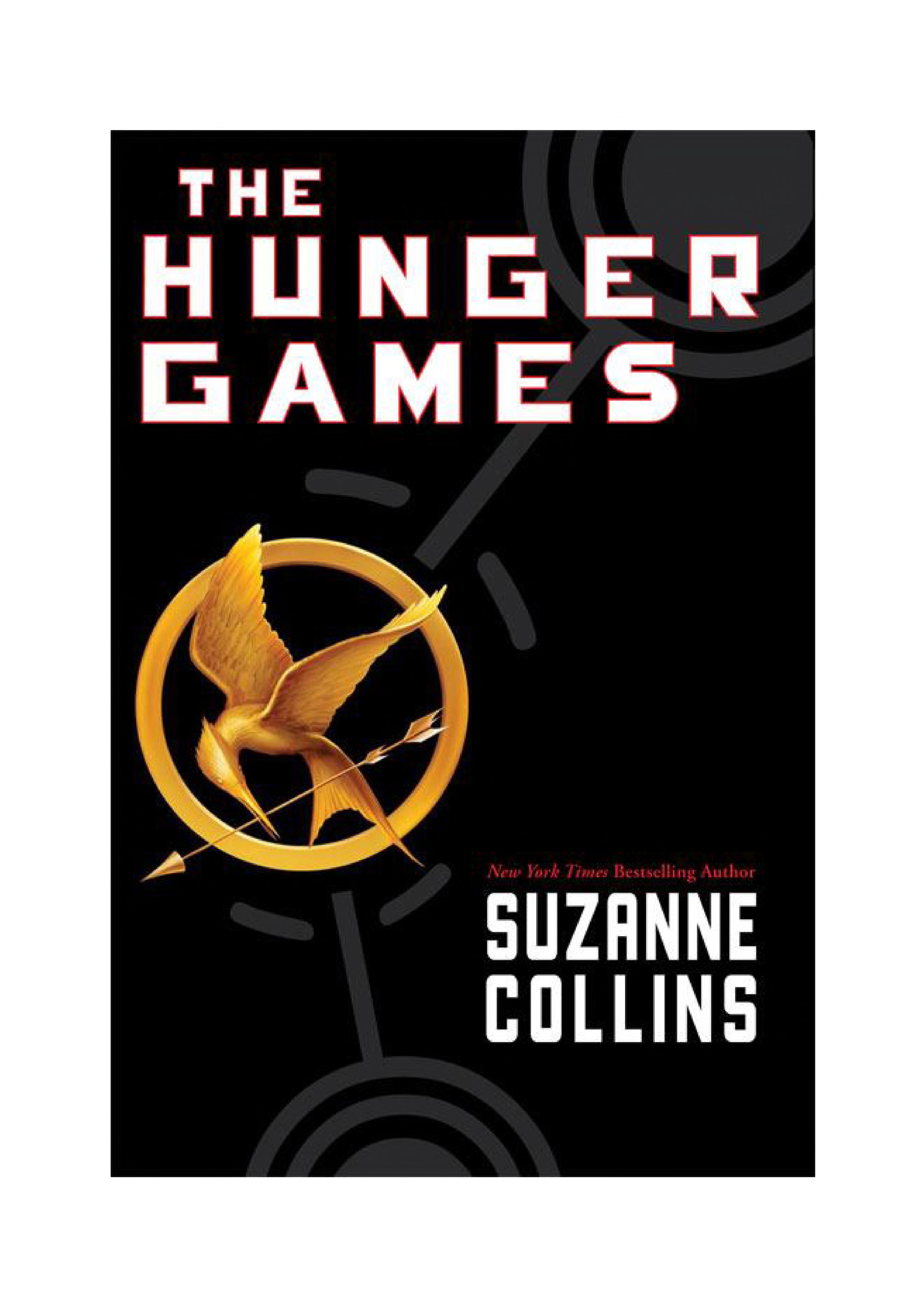
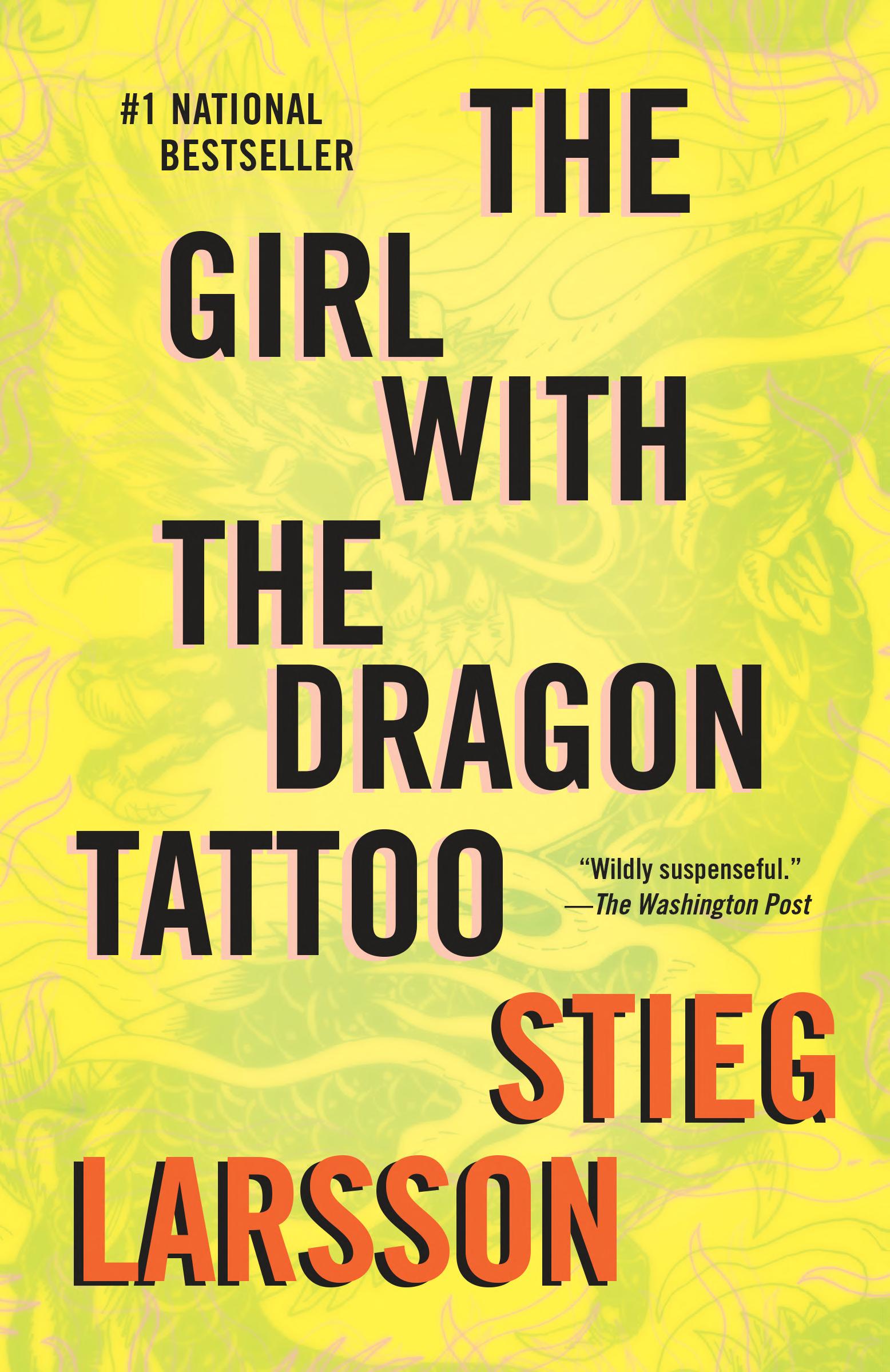
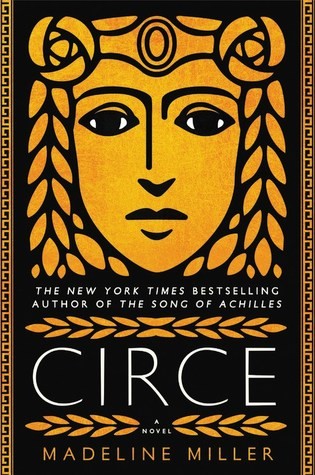
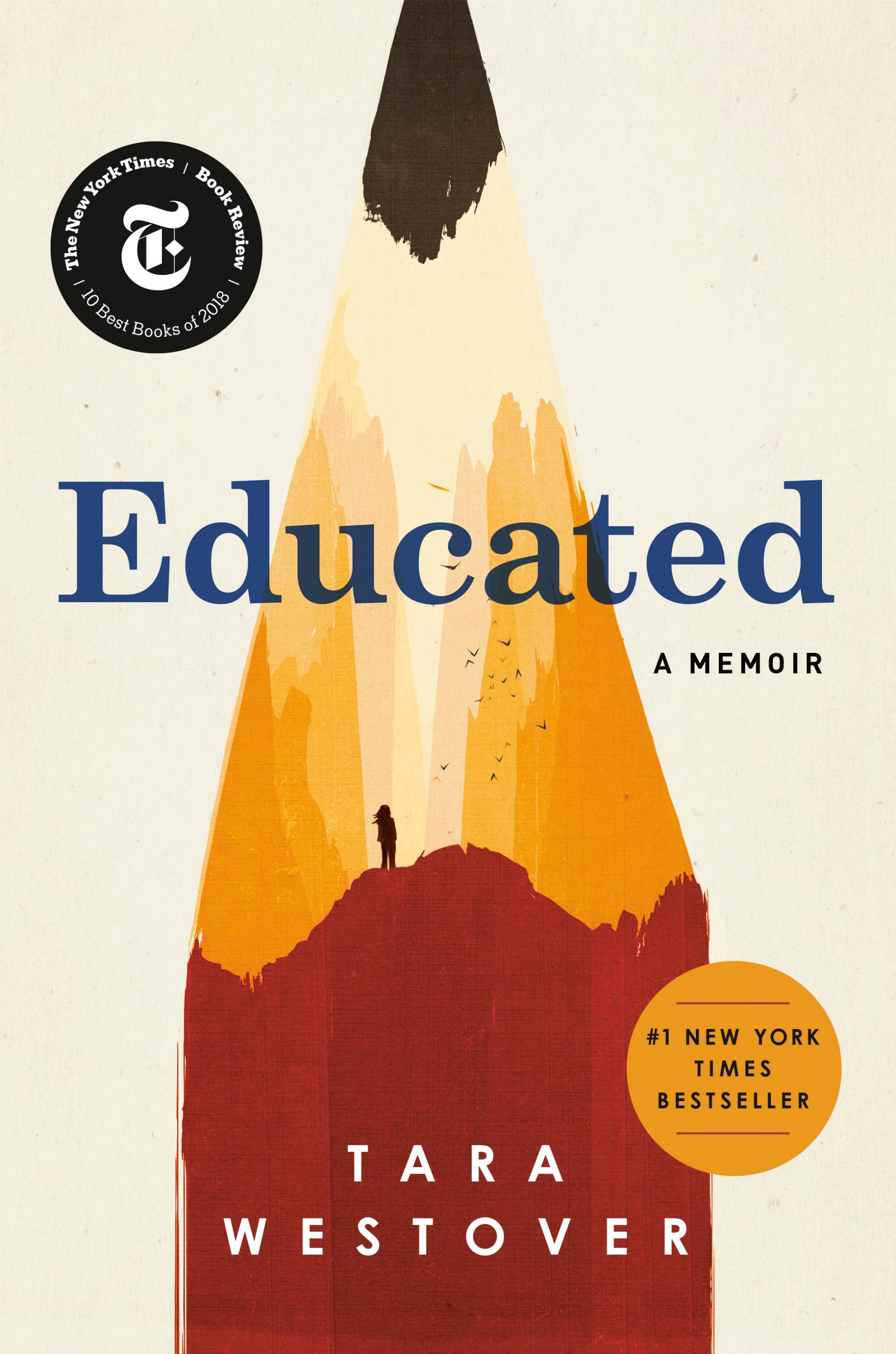
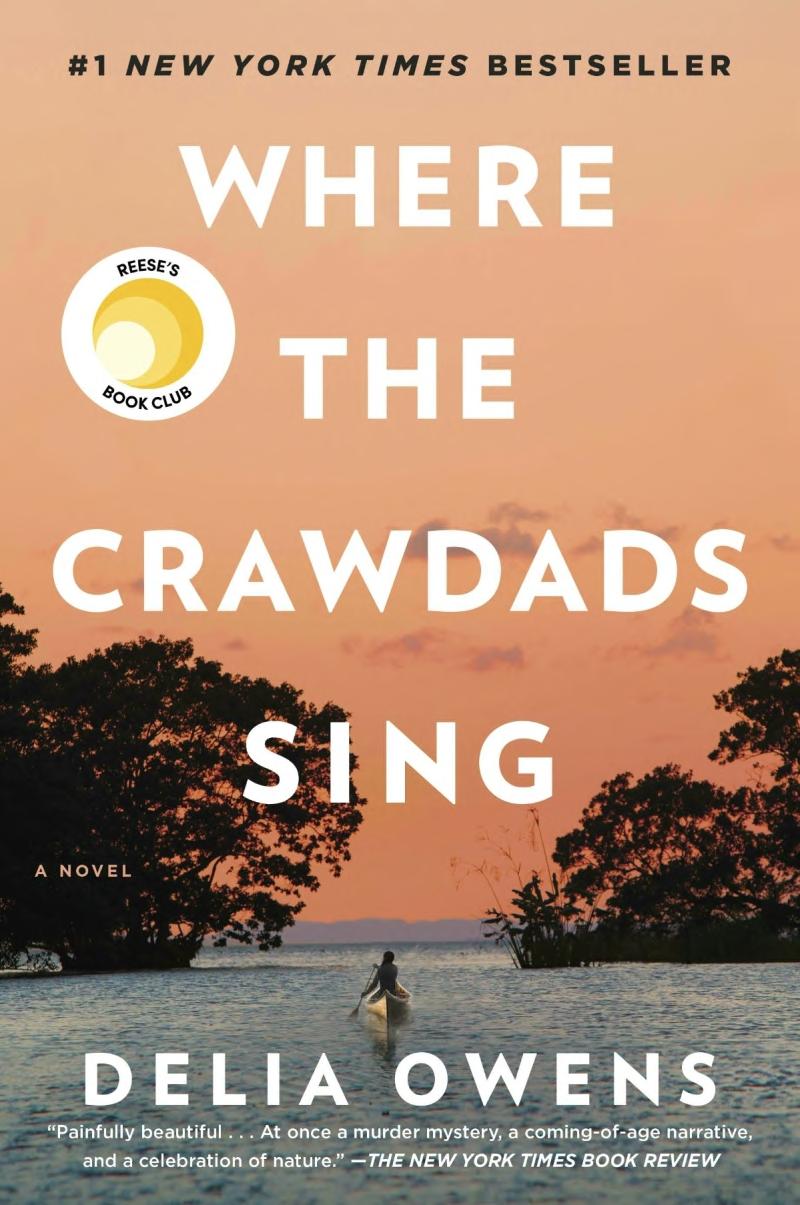
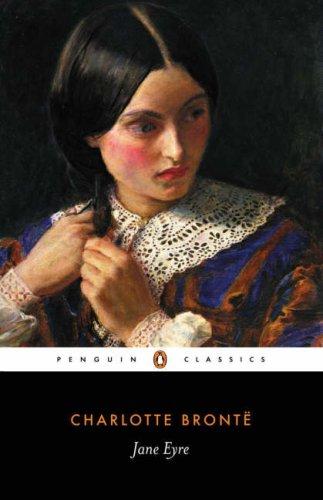
The Hunger GamesSuzanne CollinsKatniss Everdeen’s strength is inseparable from her trauma — Collins never lets her be simply competent and unaffected by what she’s forced to do and witness. She volunteers for the Games out of love for her sister, not heroism in the abstract, and the violence she survives leaves lasting marks that the trilogy refuses to gloss over, including profound difficulty with trust, intimacy, and her own sense of who she is once the cameras stop. Collins’s specific achievement is making Katniss’s emotional unavailability and her political ambivalence part of what makes her real rather than flaws to be corrected by the plot’s end. The Girl with the Dragon TattooStieg LarssonLisbeth Salander’s strength is specifically defined by her refusal to perform vulnerability or palatability for anyone — a refusal that the novel positions as both her power and the reason institutions repeatedly fail and punish her. Larsson is interested in her as an index of how Swedish society treats women who don’t conform to expected social roles, and Lisbeth’s brilliance, her trauma, and her capacity for genuinely extreme retaliation are all part of the same character rather than separate traits stitched together. She is not designed to be likable in a conventional sense, which is precisely what makes her one of the most distinctive protagonists in contemporary thriller fiction. CirceMadeline MillerMiller takes a minor figure from Greek mythology — defined entirely by her relationship to male heroes who pass through her story — and rebuilds her into a fully realized protagonist with her own arc of exile, self-discovery, and hard-won power. Circe’s strength develops slowly across the novel, through centuries of isolation, mistakes, and genuine personal growth rather than being a fixed trait she possesses from the start. The novel’s specific achievement is showing strength as something built rather than innate — Circe becomes formidable because of what she survives and chooses to do with that survival, not because she was always secretly powerful underneath a passive exterior. EducatedTara WestoverWestover’s memoir renders real strength without any of the conventional trappings — no combat, no dramatic confrontations, just the sustained, grinding work of teaching herself enough to leave an isolated fundamentalist upbringing and build an entirely different life. The book is honest about what that strength cost: family relationships she lost, ongoing uncertainty about whether the person she became was worth the price, and the specific loneliness of having outgrown the only world she ever knew. This is strength as endurance and self-construction rather than triumph, and it’s a more accurate and more difficult version of the quality than most fiction attempts. Where the Crawdads SingDelia OwensKya Clark’s strength is the specific kind that develops in total abandonment — raised by the North Carolina marsh after her family disappears, she builds a complete inner life and a genuine expertise in the natural world entirely without social support or validation. Owens is careful to show that this self-sufficiency comes at real cost: Kya’s difficulty trusting people, her profound isolation, the specific wariness that surviving alone produces. The novel doesn’t present her resilience as inspirational in an uncomplicated way — it’s also evidence of how thoroughly she was failed by every institution that should have protected a child. Jane EyreCharlotte BronteThe foundational text for female protagonists who refuse the world’s assessment of their worth. Jane has no wealth, no conventional beauty, no social standing — and Bronte builds her strength entirely from her interior conviction about what she is owed and what she will not accept, even from people who hold real power over her circumstances. Her famous refusal of Rochester’s proposal under compromised terms, despite loving him completely, is the clearest demonstration of this strength: not invulnerability, but a refusal to sacrifice her own moral clarity even when every practical incentive points the other way. Who This Is For
Readers who want female protagonists with genuine depth and contradiction rather than the thinner “strong female lead” marketing version — characters who are allowed to be wrong, traumatized, unlikable, or uncertain, and who are strong because they’re fully realized rather than invulnerable. The literary fiction and fantasy catalogues have more in this direction.
Frequently asked questions
Q: Is The Girl with the Dragon Tattoo difficult to read because of its content?
A: Yes — the novel includes graphic depictions of sexual violence that are central to its plot and to Lisbeth’s characterization. It is not a casual read, and readers sensitive to this content should know it’s present and significant to the story, not incidental.
Q: Is Circe accessible to readers without a background in Greek mythology?
A: Completely — Miller provides everything needed to follow the story, and prior knowledge of the source material adds resonance without being required. Many readers report that Circe made them interested in Greek mythology for the first time rather than the reverse.
Q: Why does Educated belong on a list with fictional protagonists?
A: Because the kind of strength this list is interested in — interior, costly, built through endurance rather than combat — is rendered just as powerfully, and arguably more so, through Westover’s real experience. Memoir can do things fiction sometimes only gestures toward.
Q: What should I read after Jane Eyre if I want more Victorian heroines of this kind?
A: Middlemarch by George Eliot features Dorothea Brooke, whose intellectual ambition and moral seriousness exceed what her society has any framework to accommodate. North and South’s Margaret Hale is similarly strong-willed within a more explicitly political context.
Not sure which of these is right for you specifically? The Pagesmith quiz matches you to books based on your mood, pacing preference, and reading goals, not bestseller lists. Takes two minutes.