What to Read When You Want Something Genuinely Hopeful
Earned hope is harder to write than despair. These books are hopeful because they have honestly reckoned with difficulty first -- the optimism is the conclusion of an argument, not an assumption built into the premise.
May 2026 · 8 min read · The Pagesmith
Hopeful books are easy to write badly. The two failure modes are mirror images: the book that simply omits difficulty, in which characters face problems that are resolved by the end because the author has decided they should be, and the book that includes difficulty but converts it too neatly into growth, so that every loss teaches a lesson and every darkness resolves into light. Neither kind of hope is earned. The books here are hopeful in a more durable sense: they have done the honest work of establishing how hard things are before arguing that things can be good anyway. The optimism in all of them is conditional and specific — not “everything works out” but “some things can be repaired, some people can be genuinely decent, and the capacity for connection survives even the most sustained attempts to destroy it.” That is harder to write and harder to believe, and it lasts longer.
The Difference Between Comfort Reading and Genuine Hope
Comfort reading is not the same thing as hopeful reading. Comfort implies a certain lowering of stakes: the knowledge, going in, that the protagonist will be basically all right and that the world will remain fundamentally familiar. Hopeful fiction can have very high stakes and very genuine uncertainty about whether the protagonist will survive or succeed; the hope is not in the predetermined outcome but in what the fiction demonstrates to be possible. The Goblin Emperor is hopeful not because Maia faces no real danger but because the novel is a sustained demonstration that decency is a viable strategy inside a court that rewards cruelty. A Gentleman in Moscow is hopeful not because the Count escapes the Soviet system but because the novel argues that a certain quality of inner life cannot be imprisoned. That kind of hope requires the difficulty to be real.
Genuine hope in fiction is not the absence of difficulty. It is the demonstration, earned through specific and honest rendering, that certain good things are possible inside difficulty and sometimes because of it.
The Books
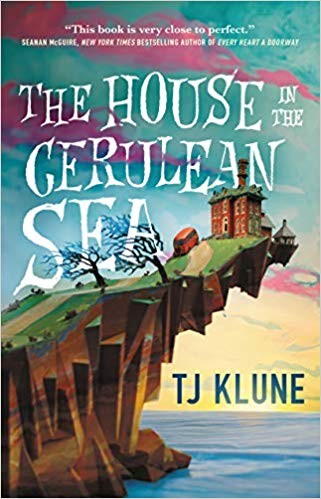
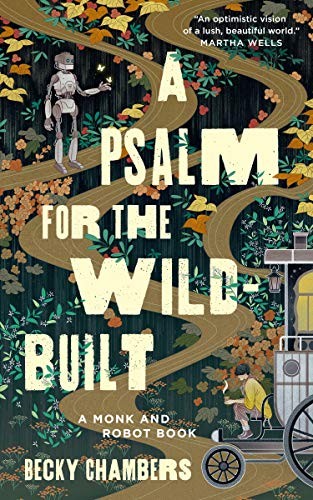
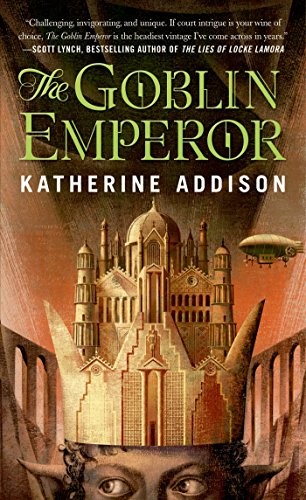
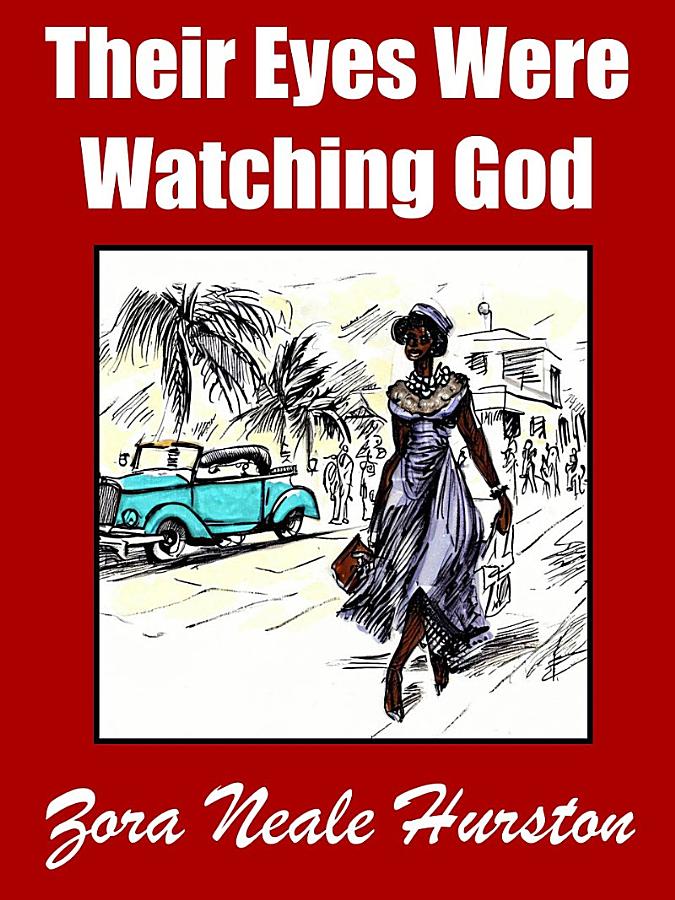
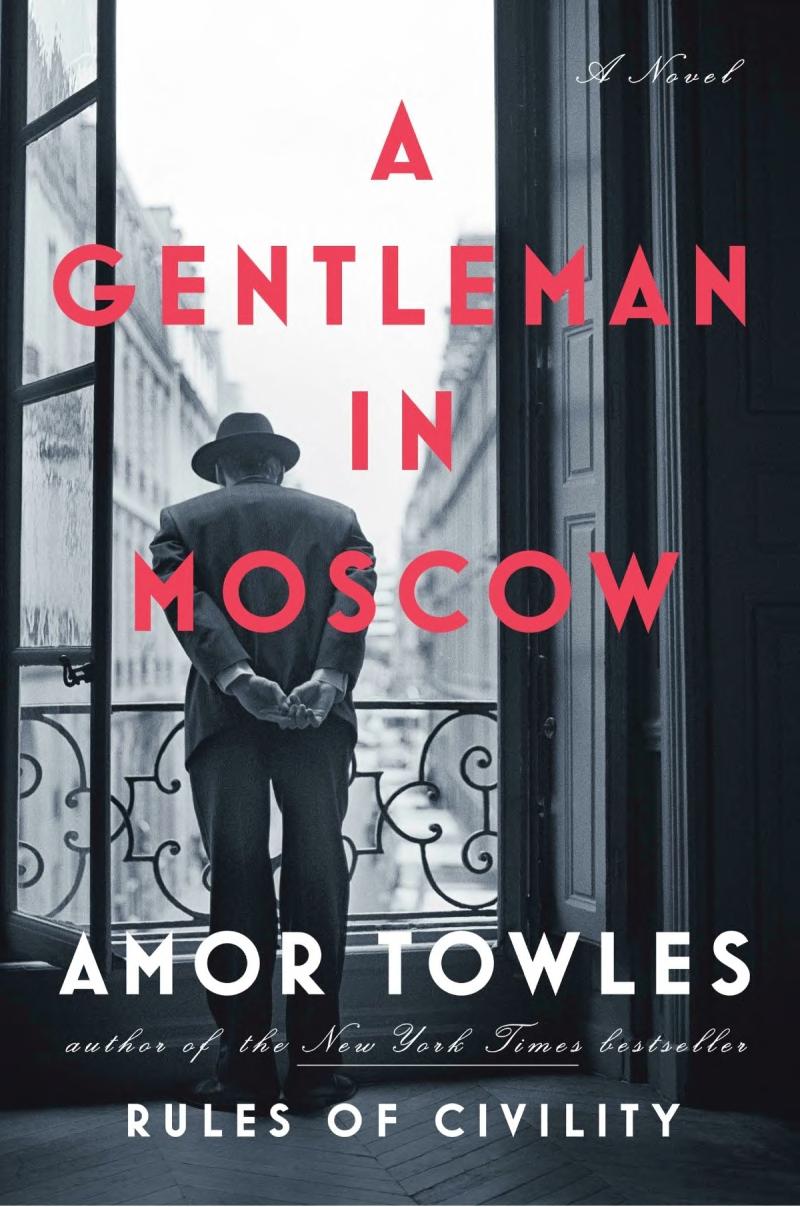
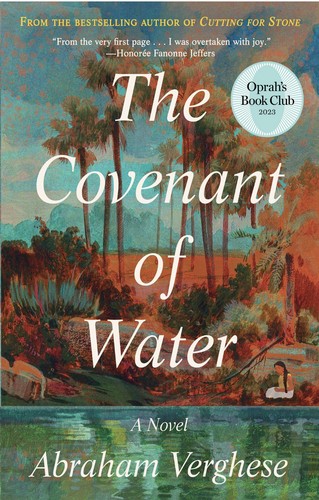
The House in the Cerulean SeaTJ KluneThe most immediately accessible entry on this list and the most deliberately designed to produce comfort alongside hope. Klune’s novel about a caseworker for magical children is organized around the argument that bureaucratic cruelty and societal fear can be resisted through the specific combination of human decency and patience, and the world it creates is more hopeful than most because the hope is structural rather than incidental: the novel is built to demonstrate that ordinary goodness can matter in institutions that do not reward it. Less cynical than most fantasy that addresses institutional power, more emotionally satisfying than most comfort reads, and honest enough about the difficulty that the warmth feels genuinely earned. A Psalm for the Wild-BuiltBecky ChambersThe most philosophically rigorous hopeful book on this list. Chambers constructs a post-scarcity future in which the major problems have been solved — environmental collapse was averted, robots were given freedom and chose to leave — and then asks what a person is supposed to want when they have enough and are still dissatisfied. The novella does not resolve this question; it argues that the question is the right one to be asking, and that the asking of it alongside a robot who is genuinely curious about humans is itself a sufficient answer. Chambers is the only contemporary novelist consistently writing hopeful fiction that is philosophically serious rather than merely optimistic, and this is the best introduction to what she does. The Goblin EmperorKatherine AddisonThe rarest kind of hopeful fantasy: a novel in which the protagonist’s fundamental decency is the engine rather than a handicap he must overcome. Maia, half-goblin and entirely unexpected as emperor, navigates a court designed to destroy him through the specific combination of genuine kindness, careful attention to other people’s dignity, and a refusal to become cruel even when cruelty would be effective. Addison makes no attempt to pretend this is easy; the novel is detailed about the cost of Maia’s decency and honest about what it cannot achieve. The hope it offers is specific: not that goodness always wins but that goodness, practiced consistently and intelligently, is a viable position in a world organized around power. Their Eyes Were Watching GodZora Neale HurstonThe most hard-won hope on this list. Hurston’s novel earns its final pages through a complete honesty about what Janie Crawford has been subjected to: the grandmother’s fear, the marriages that required her suppression, the hurricane that takes Tea Cake. The novel’s closing image of Janie pulling in her horizon is hopeful specifically because it has not been achieved through transcendence of what she suffered but through it — the horizon is available because she has been through all of it and survived with her capacity for joy intact. The hope is not the absence of damage but the persistence of the self despite damage, which is the only kind of hope that means anything in the context of what the novel has honestly described. A Gentleman in MoscowAmor TowlesTowles’ argument about hope is the most specific on this list: that a certain quality of inner life — the capacity for friendship, for pleasure in small things, for engagement with the world of ideas — cannot be destroyed by confinement, however long or however total. Count Rostov under house arrest in the Metropol Hotel is not free, and the novel does not pretend he is. What it demonstrates, with enough specificity that the reader believes it, is that the life he builds within his constraints is genuinely worth having — not a consolation prize for the life he was denied but a different kind of fullness. The most deliberately elegant hopeful novel on this list, and the most deliberate about what its elegance is arguing. The Covenant of WaterAbraham VergheseVerghese’s multigenerational South Indian family saga earns its hope through the specific texture of three generations living with an inherited condition they cannot solve, only manage and eventually understand. The hope is medical and familial simultaneously: the understanding that arrives in the third generation does not undo the losses of the first two but gives them meaning, and the love sustained across the novel’s century of Kerala history is rendered with enough specificity that it constitutes an argument rather than a sentiment. For readers who want hopeful fiction that has done the full work of establishing loss and difficulty before claiming that persistence and love are sufficient responses to them. Who This Is For
Readers who have been burned by “hopeful” books that turned out to be saccharine or unearned — where the difficulty was cosmetic and the resolution was predetermined — and who want fiction where the optimism has genuinely cost something to arrive at. Also readers who have been reading a lot of dark fiction and want something that argues for the other side without pretending the dark fiction was wrong. The fantasy and contemporary catalogues both have more of what these books deliver.
Frequently asked questions
Q: What is the difference between a hopeful book and a feel-good book?
A: A feel-good book is organized around the reader’s comfort — the difficulty is managed so as not to become genuinely threatening. A hopeful book takes the difficulty seriously and argues, through the specific outcomes of specific characters, that certain good things are nonetheless possible. The Goblin Emperor is hopeful; it is not entirely comfortable. Their Eyes Were Watching God is deeply hopeful; it is not easy.
Q: What is A Psalm for the Wild-Built about?
A: A tea monk in a far-future society that has solved environmental collapse and given robots freedom is experiencing existential dissatisfaction despite having everything they need. A robot finds them and they have a series of conversations about what humans want and whether the question itself is the point. It is very short, very warm, and the most philosophically serious of Becky Chambers’ novellas.
Q: Are these books appropriate for readers who are going through a difficult time?
A: Most of them, with different emphases. A Psalm for the Wild-Built and The House in the Cerulean Sea are the most immediately comforting. A Gentleman in Moscow is the best for readers who feel constrained by their circumstances. Their Eyes Were Watching God is the most powerful for readers who want the hope to be fully earned by surviving what comes first.
Q: What should I read after A Gentleman in Moscow?
A: Rules of Civility, Towles’ debut, is set in 1930s New York and shares the same quality of elegant surfaces and genuine character depth, though it is considerably more melancholy. Table for Two collects stories and a novella that show his range. For readers who want the same quality of hope from a different author, The Unlikely Pilgrimage of Harold Fry delivers a similar argument about what is recoverable from an ordinary life.
Not sure which of these is right for you specifically? The Pagesmith quiz matches you to books based on your mood, pacing preference, and reading goals, not bestseller lists. Takes two minutes.