Best Books About Art and Artists That Go Beyond Genius
The best fiction about art is not about inspiration or talent -- it is about what making things costs: the sacrifices, the obsessions, and the question of whether the work justifies what it requires of the person producing it.
May 2026 · 8 min read · The Pagesmith
Fiction about artists tends to romanticize its subject in one of two directions: the tortured genius whose suffering validates the work, or the dedicated craftsman whose discipline produces transcendence. Both versions are evasions of the more interesting question, which is what the making of art actually does to the people who do it — what it requires them to sacrifice, what it gives them that nothing else provides, and whether the relationship between the work and the life is sustainable or whether the work, at some point, begins consuming the life rather than growing from it. The books here are honest about that question. None of them present making art as straightforwardly redemptive or as unambiguously destructive. They present it as one of the most complicated commitments a person can make — more demanding than most relationships, less guaranteed than most careers, and impossible to simply stop once it has become essential.
What Art Fiction Gets Wrong Most Often
The genius myth is the most pervasive failure. It suggests that great art flows from exceptional talent operating under inspiration, and that the suffering of the artist is the price of the gift rather than the product of specific choices and specific social conditions. This myth is comfortable because it makes art both romantic and inevitable: the artist suffered, therefore the art exists, therefore the suffering was necessary. The books here resist this framing. Donna Tartt does not present Theo Decker’s relationship to The Goldfinch as redemptive. Heather Morris does not suggest that the love story at the center of The Tattooist of Auschwitz produced anything except the people who survived it. And the maker of the pearl earring in Tracy Chevalier’s novel leaves no record except the painting itself — which is exactly the point about what art costs and who pays for it.
The most honest fiction about art understands that the work does not redeem what it costs. The painting exists; the cost was real. Whether the trade was worth it is the question the best art fiction refuses to answer on the artist’s behalf.
The Books
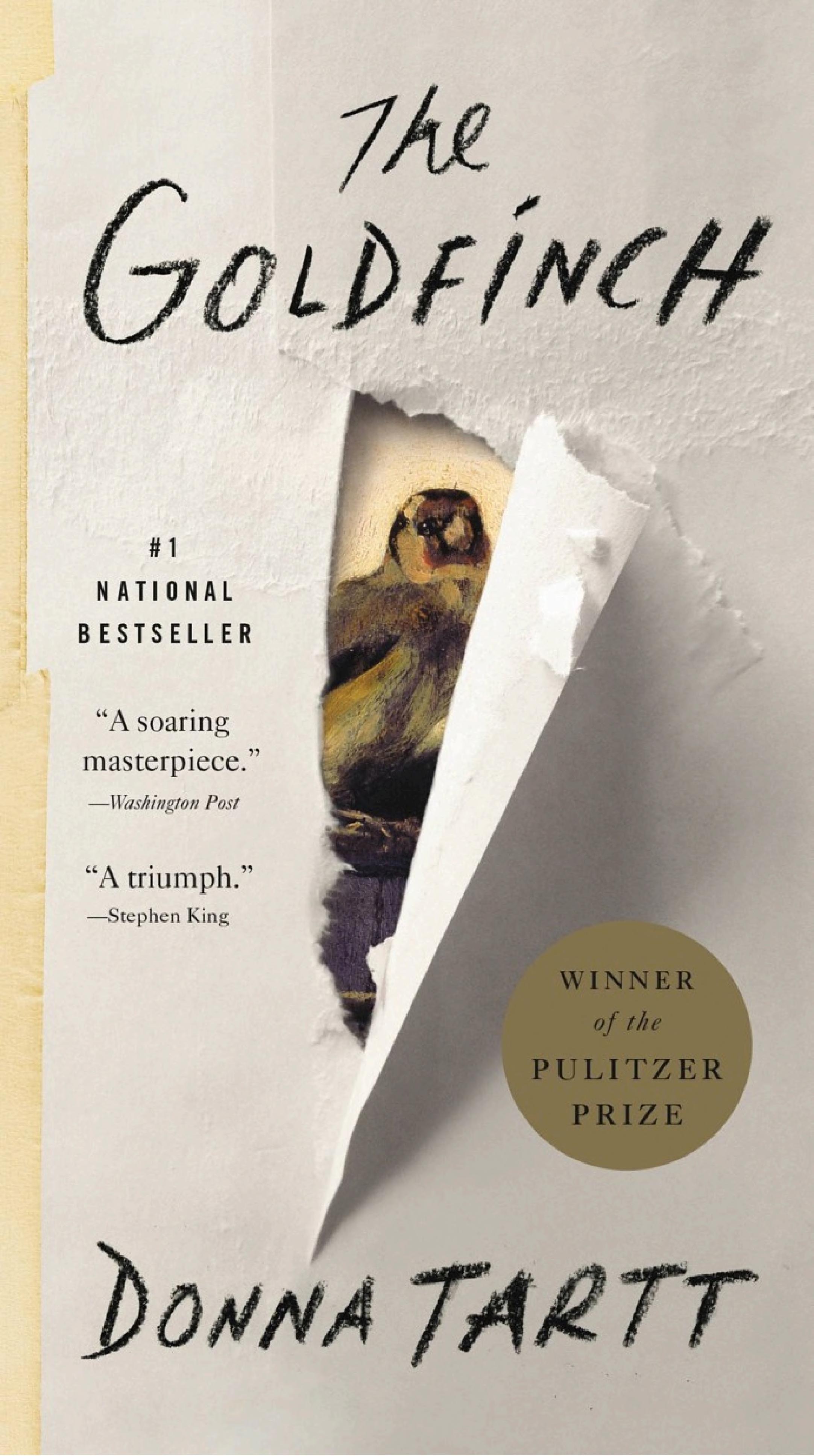
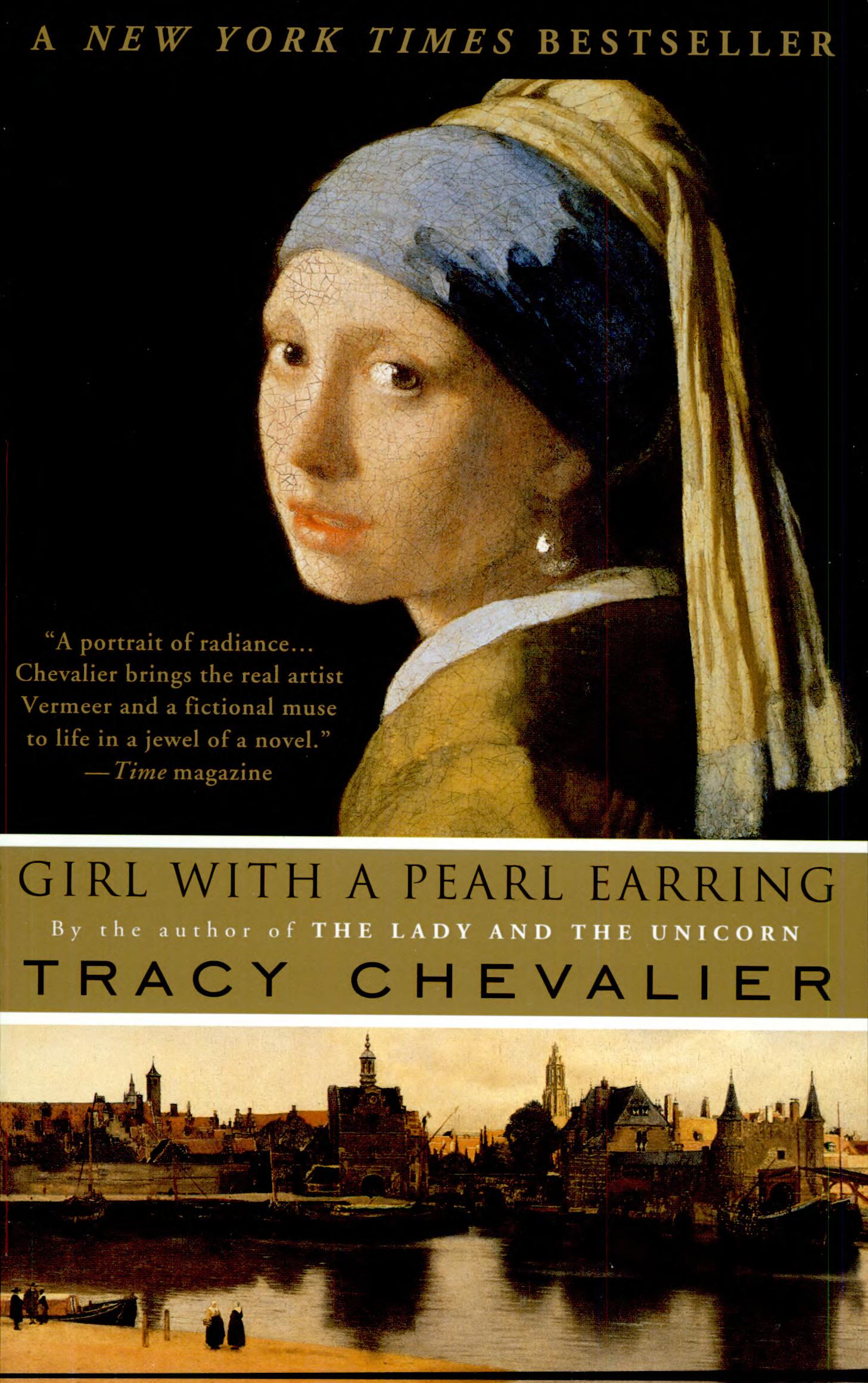
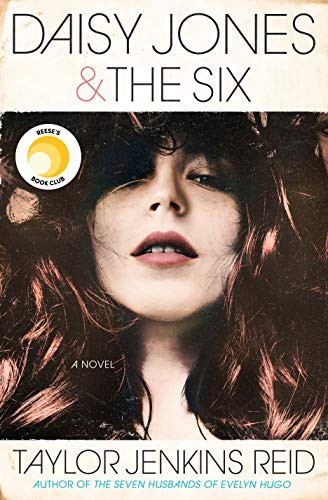
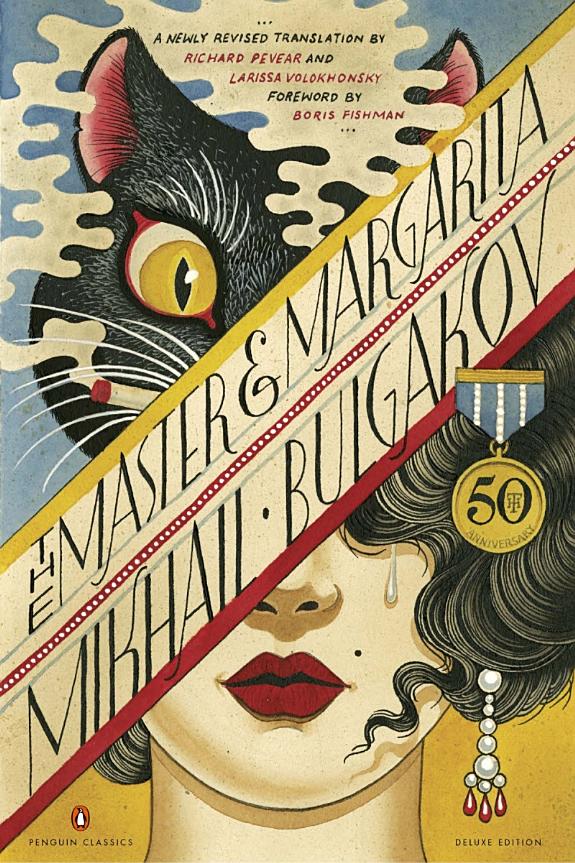
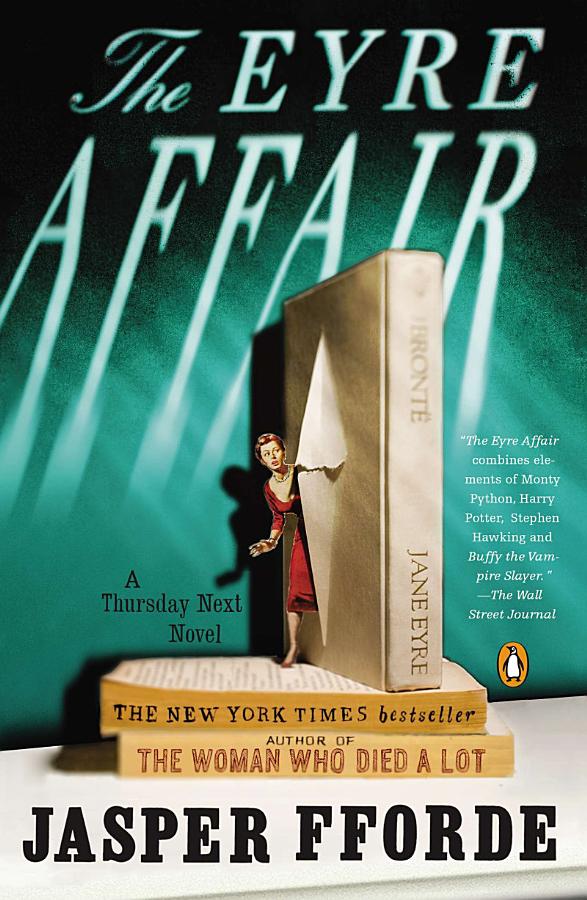
The GoldfinchDonna TarttTartt’s Pulitzer winner uses a stolen Flemish painting as the organizing principle of a novel about what beauty does to the people it attaches itself to. Theo Decker’s decades-long relationship with the Goldfinch — stolen from a museum in the blast that kills his mother — is the most sustained examination of aesthetic attachment in American fiction: what a specific beautiful object means to a specific person, how that meaning accumulates and complicates across a life, and whether art can be separated from the circumstances in which it was acquired. The novel’s argument — that beauty matters regardless of how it comes to you — is not entirely convincing, which is part of its honesty. Art and ethics are not the same thing, and Tartt refuses to pretend they are. Girl with a Pearl EarringTracy ChevalierChevalier imagines the circumstances surrounding Vermeer’s famous painting and in doing so makes the most direct argument on this list about who pays for art and whether they are credited for it. Griet, the servant whose face becomes one of the most recognizable in Western painting, contributes to the work in ways she cannot name and receives nothing from it except the ambiguous experience of having been seen by someone whose attention changes how she understands herself. The novel is about Vermeer as a craftsman — the specific technical knowledge, the specific materials, the specific light — and about the social architecture of seventeenth-century Delft that made the painting possible and erased the girl who made it possible. One of the most formally precise art novels in English. The Hare with Amber EyesEdmund de WaalDe Waal traces his family’s history through a collection of 264 Japanese netsuke — tiny carved figures — that survived the confiscation of the family’s assets by the Nazis and the dispersal of what had been one of the great Jewish banking fortunes in Europe. The art here is both the subject of the memoir and its method: de Waal is himself a ceramicist, and his attention to the objects — how they were made, what they meant to the different people who owned them, how they survived when so much else did not — is an artist’s attention, precise and non-sentimental. The book is about what objects carry and what they survive, and about what it means to be the custodian of something that outlasted the people who made and loved it. Daisy Jones and the SixTaylor Jenkins ReidReid’s oral history format is ideally suited to the question of what making music costs, because different accounts of the same creative act reveal how incompatibly the participants remember the work and what it required of them. The creative tension between Daisy and Billy is the engine of the best music they ever make and the reason the band can’t survive making it — which is exactly the argument the best art fiction makes about creative collaboration: that the conditions that produce exceptional work are not compatible with ordinary human sustainability. The music that exists at the end is real; so is everything that was consumed in producing it. Reid holds both without resolving the tension between them. The Master and MargaritaMikhail BulgakovThe Master’s novel about Pontius Pilate is the art object at the center of Bulgakov’s novel — a work that the Soviet literary establishment has suppressed because it is honest and important, and that the Master himself has burned in despair before the story begins. Bulgakov’s argument is the most politically explicit on this list: that the systems surrounding art will always prefer comfortable lies to difficult truths, and that the artist who insists on the truth faces destruction as a consequence. Writing under Stalin, Bulgakov knew this from personal experience, and the novel itself — suppressed for decades, published posthumously — is the most self-referential art novel here. The Master’s burned manuscript is Bulgakov’s own book; the argument it makes is the one you are reading. The Eyre AffairJasper FfordeFforde’s novel takes the argument of the other books on this list to its logical extreme: what if literary characters were real, their texts living documents, and the act of reading was a genuine encounter with a genuine being? The premise is comedy, but the argument underneath it is serious: that great literature has a kind of existence that is not metaphorical but functional — that the characters in books are as real, in the ways that matter, as historical people, and that the art object has a life independent of and potentially more durable than the one who made it. Thursday Next’s world treats books with the reverence they deserve, which is both the joke and the sincere position. The most cheerful entry on this list and the one with the most earnest relationship to its subject. Who This Is For
Readers who are drawn to fiction that takes the making of things seriously — painting, music, literature, decorative art — and who want books that engage the question of what art costs and what it provides rather than simply using artistic settings as atmosphere. Also makers of any kind who want fiction that reflects their own experience of what creative work demands. The literary fiction catalogue has more in this territory.
Frequently Asked Questions
Q: What is the best novel about a painter?
A: Girl with a Pearl Earring is the most technically precise about the practice of painting and the most formally elegant. The Goldfinch uses a painting as an organizing principle rather than focusing on Vermeer’s process. Both are essential; they are asking different questions about what art means to the people inside its making and the people on its periphery.
Q: Is The Hare with Amber Eyes fiction or nonfiction?
A: Nonfiction memoir. Edmund de Waal traces his family’s history through a real collection of netsuke that currently exists, and the historical research underlying the book is documented. It reads with the intimacy and precision of literary fiction and is often shelved alongside it.
Q: What should I read after Daisy Jones and the Six if I want more music fiction?
A: High Fidelity by Nick Hornby is the other great music-obsession novel — a record shop owner’s relationship history told through his relationship with music, which reveals how people use aesthetics to avoid emotional honesty. It is funnier than Daisy Jones and more concerned with listening than making, which is a different but related subject.
Q: What is The Master and Margarita actually about?
A: It runs two storylines simultaneously: the devil arriving in 1930s Moscow, where he exposes the fraudulence of Soviet intellectual life through a series of supernatural interventions; and a reimagining of the Pontius Pilate story, which is the suppressed novel that the Master has written. The Moscow chapters are brilliant black comedy at the expense of Soviet bureaucracy; the Jerusalem chapters are among the most moving passages in Russian fiction. Together they argue that truth-telling under authoritarian systems is both necessary and destructive.
Not sure which of these is right for you specifically? The Pagesmith quiz matches you to books based on your mood, pacing preference, and reading goals, not bestseller lists. Takes two minutes.