Best Books About Mothers and Daughters That Get It Right
The mother-daughter relationship is almost always about inheritance and resistance simultaneously -- what the mother transmits and what the daughter refuses, and the guilt that accumulates in both directions. These books earn their subject by getting that specific texture right.
May 2026 · 7 min read · The Pagesmith
Most fiction about mothers and daughters resolves in one of two directions: reconciliation (the daughter comes to understand and forgive) or rupture (the damage was too deep). The best books about this relationship resist both resolutions because they understand that the actual dynamic is not sequential — it is simultaneous. The mother-daughter relationship is not something that happened and then ended; it is a condition that continues to operate across decades, in which admiration and resentment, gratitude and grievance, love and the specific claustrophobia of being someone’s continuation, all coexist in proportions that shift but never fully resolve. The books here are honest about that simultaneity. They do not convert the relationship into a problem that gets solved. They render it as a fact of life that gets lived with, understood better over time, and never fully settled.
What the Mother-Daughter Dynamic in Fiction Actually Contains
The inheritance runs in both directions: the mother transmits identity, damage, values, and the template for what womanhood means, whether she intends to or not. The daughter inherits all of it and then has to decide what to do with what she received — which requires first identifying what was given, which requires a separation that the mother often experiences as rejection. The guilt belongs to both: the mother who fears she gave too much of the wrong things, the daughter who knows the separation costs the mother and does it anyway. The books here are interested in all of this, not just the drama of conflict or the warmth of connection, but the full ongoing texture of a relationship that is, for most women, the most formative of their lives.
The mother-daughter relationship does not end. It continues to operate inside the daughter long after the mother is gone, and the books that render it honestly understand that inheritance is not a transaction but a permanent condition.
The Books
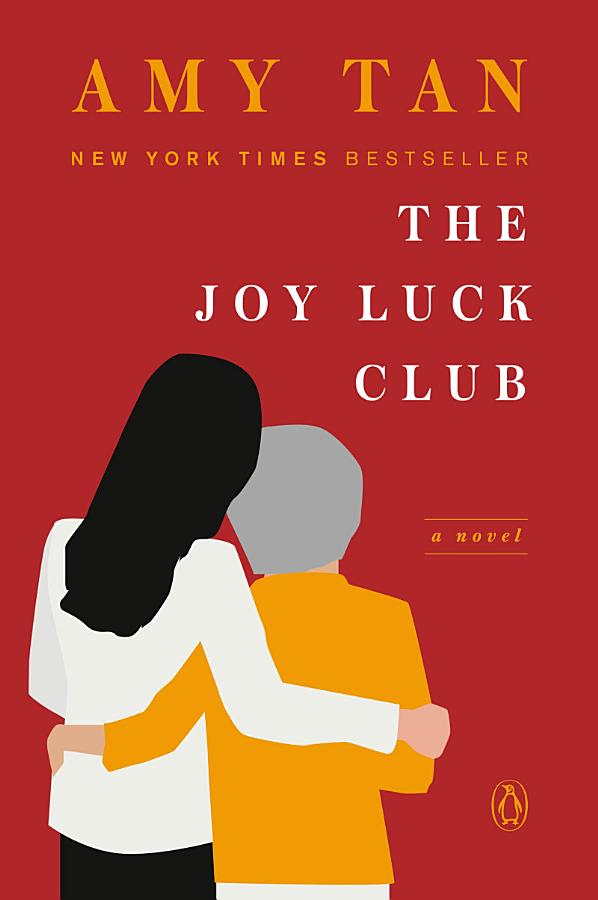
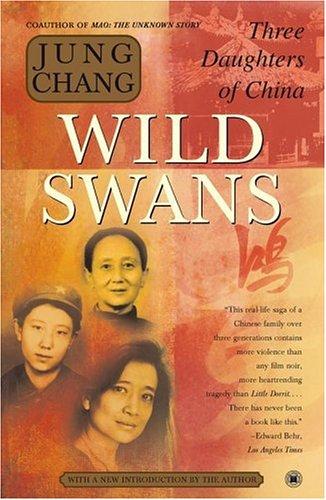
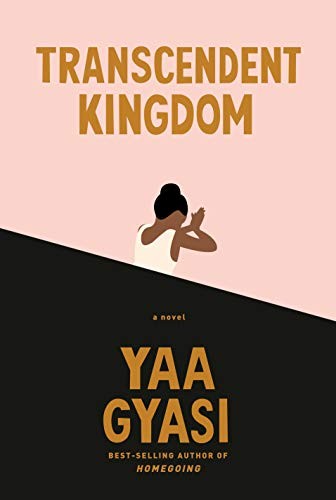
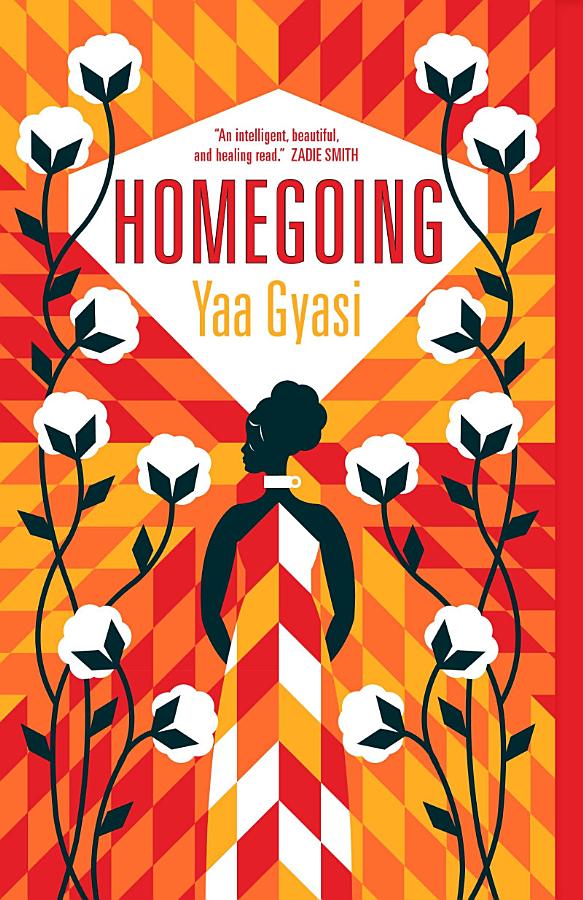
The Joy Luck ClubAmy TanThe definitive mother-daughter novel in American literature, and the one that most precisely addresses the generational gap that immigration compounds. Tan’s structure — sixteen interleaved stories alternating between mothers who survived historical catastrophe in China and daughters who grew up in American safety — makes the untranslatable distance between generations its formal subject. The mothers cannot explain what they survived because survival consumed the language that would do it; the daughters cannot ask the right questions because they do not know what they are not knowing. The grief is for the translation that cannot happen rather than for any single event, which is the most honest version of the mother-daughter grief. BelovedToni MorrisonMorrison renders the mother-daughter relationship at its most extreme: a mother who commits an act of violence against her daughter as the only available form of love under slavery, and the daughter who returns as a haunting that the mother cannot name or fully face. The novel is not about this act as an exception — it is about what the institution of slavery required of mothers, what impossible choices it manufactured, and how the damage it produced lives on in the body rather than in the reasoning mind. Denver’s relationship with both her mother and the presence of Beloved is the novel’s second great mother-daughter story: a daughter trying to exist in the shadow of something that preceded her and whose shape she cannot fully understand. Wild SwansJung ChangChang’s family memoir traces three generations of Chinese women across a century of extraordinary upheaval, and each woman’s story is filtered through her relationship with the woman who produced her and the woman she produced. The grandmother who was a warlord’s concubine, the mother who was a Communist official’s wife, and the author herself: each woman’s definition of what strength and survival require is shaped by what the previous generation endured, and each is limited in specific ways by that inheritance. The multigenerational structure makes the mother-daughter argument across time that single-generation novels can only gesture toward — what is transmitted not just consciously but structurally, through the conditions one generation creates for the next. Transcendent KingdomYaa GyasiGyasi’s novel is about a mother and daughter who have no language for each other: Gifty’s scientific rationalism and her Ghanaian-immigrant mother’s deep Pentecostal faith describe the same losses — Nana’s death, the disintegration of the family, the years in Alabama — in frameworks that cannot translate between them. The mother lying catatonic in Gifty’s childhood bedroom while Gifty studies addiction in her Stanford lab is the novel’s central image, and Gyasi makes it do double work: it is a literal description of their current situation and a metaphor for the mother-daughter relationship more broadly. The mother who cannot be reached; the daughter who cannot stop trying. The Bell JarSylvia PlathThe mother-daughter relationship in Plath’s novel operates through the specific texture of mid-century American femininity: Aurelia Plath/Mrs. Greenwood’s expectations for her daughter are not malicious but they are suffocating, because they represent the only template available to a woman of her generation, and Esther’s breakdown is partly the result of being unable to fit that template and unable to imagine an alternative. What Plath renders with unusual precision is the guilt in both directions — the daughter who cannot be what her mother needs, the mother who cannot understand why her sacrifices have produced this result. The breakdowns are Esther’s; the relationship is the frame in which they occur. HomegoingYaa GyasiGyasi’s debut expands the mother-daughter argument across eight generations, which allows the novel to show something that no single-generation account can: how the specific damage a mother transmits to a daughter is itself the product of damage received from the previous generation, stretching back to a historical rupture whose consequences are still being distributed. Several chapters in the novel are specifically about daughters inheriting the consequences of their mothers’ choices, and the structure forces the reader to hold all of them simultaneously. The most formally ambitious account of maternal inheritance on this list, and the one that makes the political argument — about slavery, colonialism, and their ongoing effects — through the most intimate lens available. Who This Is For
Readers who want fiction and memoir that takes the mother-daughter relationship seriously as a subject with its own specific texture and dynamics — not just as the backdrop for coming-of-age stories or as a source of dramatic conflict, but as one of the most formative and least resolved relationships most women carry. Also daughters who want to understand something their own relationship has made it hard to see clearly from inside. The literary fiction catalogue has more in this territory.
Frequently Asked Questions
Q: What is the best book about a difficult mother-daughter relationship?
A: The Bell Jar is the most precisely rendered account of the specific suffocation of a maternal template that doesn’t fit. Beloved is the most extreme. The Joy Luck Club is the most comprehensive account of the gap — the things that cannot be translated between a mother who survived one world and a daughter who grew up in another.
Q: Are there books about positive mother-daughter relationships?
A: Wild Swans contains both damage and extraordinary strength across three generations — it is not purely a book about difficult relationships. The Joy Luck Club is about the full complexity, including the love. Most serious mother-daughter fiction contains both because the relationship itself contains both, often at the same time.
Q: What should I read after The Joy Luck Club?
A: Yaa Gyasi’s Homegoing extends the intergenerational structure across a much longer timeline and a different cultural context, and it is the natural next step for readers who responded to Tan’s multi-perspective structure. Transcendent Kingdom is Gyasi’s second novel and focuses the intergenerational argument into a single mother-daughter relationship in the present day.
Q: Are these books appropriate for readers currently in a difficult relationship with their own mother?
A: Several of them are specifically useful for that reason — The Joy Luck Club and Transcendent Kingdom in particular have helped readers name things about their own relationships that they couldn’t previously articulate. Beloved is the most formally demanding and the most emotionally extreme. Wild Swans provides the perspective of historical distance that can make personal dynamics easier to see. All are honest rather than consoling, which is what difficult relationships generally require from their literature.
Not sure which of these is right for you specifically? The Pagesmith quiz matches you to books based on your mood, pacing preference, and reading goals, not bestseller lists. Takes two minutes.