What to Read When You Want to Laugh and Cry at the Same Time
The bittersweet register is the hardest one to sustain in fiction -- comedy and grief pulling in opposite directions, both real, neither canceling the other out. The books here do it without flinching at either end. They will make you laugh, and they will make you cry, usually within the same chapter.
June 2026 · 8 min read · The Pagesmith
Most fiction that tries to be funny and sad at the same time ends up being neither. The comedy softens the grief until it becomes warmth; the grief darkens the comedy until it becomes pathos; and the reader arrives at a kind of moderate emotional temperature that is comfortable but not particularly true to how people actually feel during the hardest periods of their lives. The books here resist that resolution. They find comedy and grief in the same material at the same time — not in alternating registers but genuinely simultaneous, so that the laugh and the ache arrive together and neither is diminished by the presence of the other. What makes this so difficult to write is the same thing that makes it so powerful to read: it requires the writer to trust that their characters are real enough to hold contradictions, that their situations are honest enough to produce both responses at once, and that the reader can handle being made to feel more than one thing at a time.
The books that make you laugh and cry at the same moment are the ones that have taken their characters seriously enough to show them as they actually are — which is people who contain both the capacity for comedy and the capacity for grief, often about the same things, often at the same time.
The Books
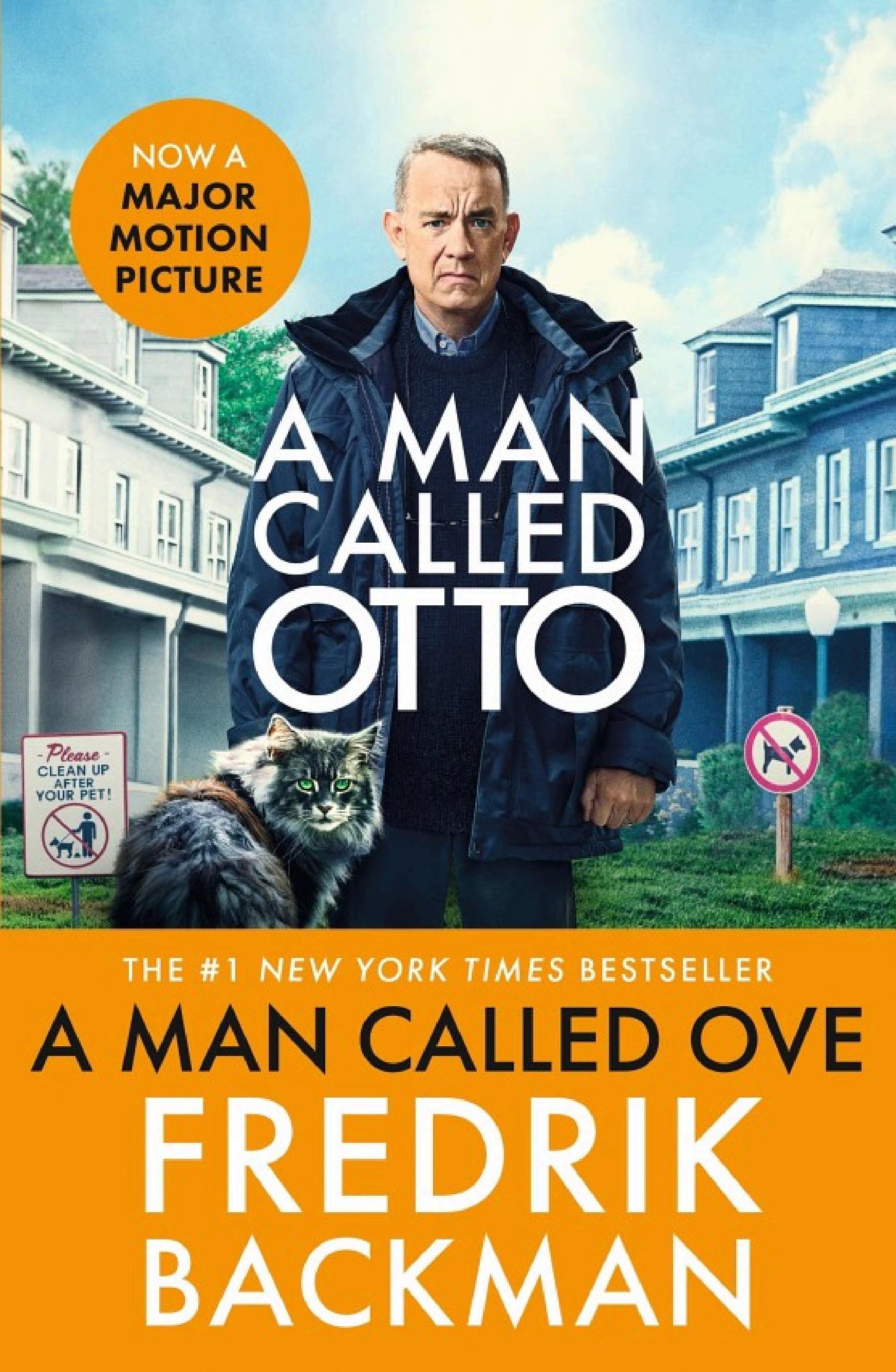
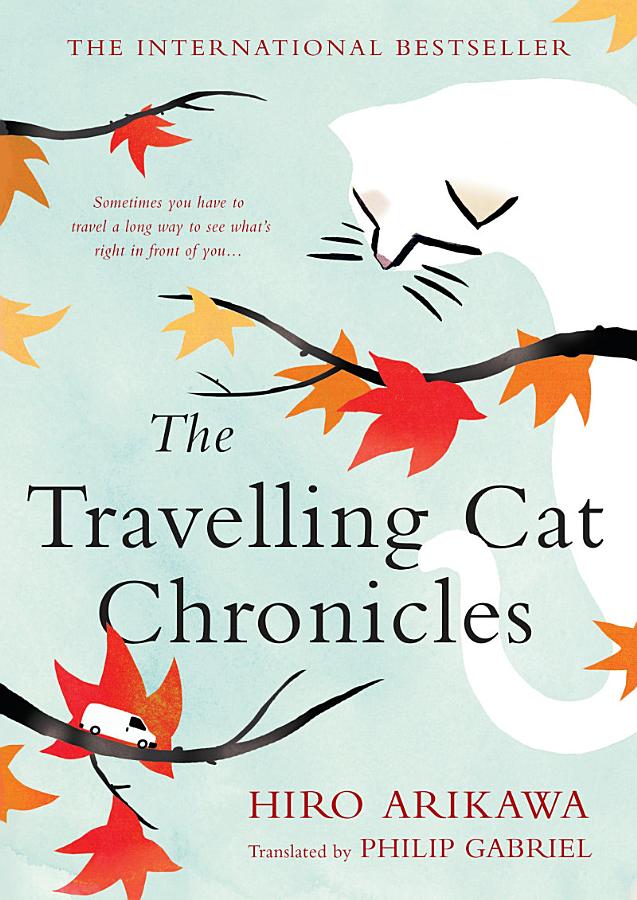
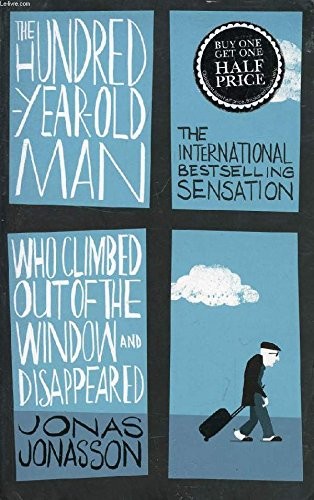
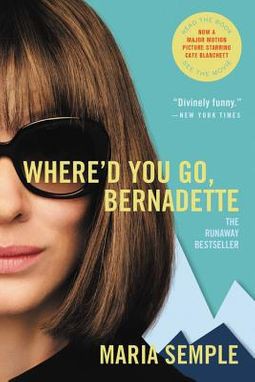
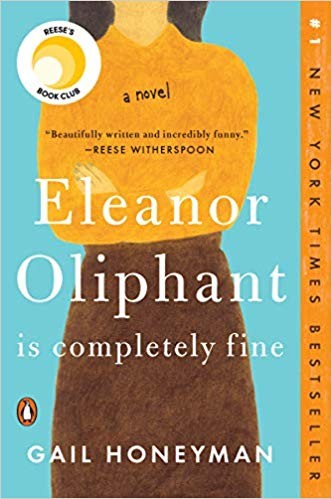
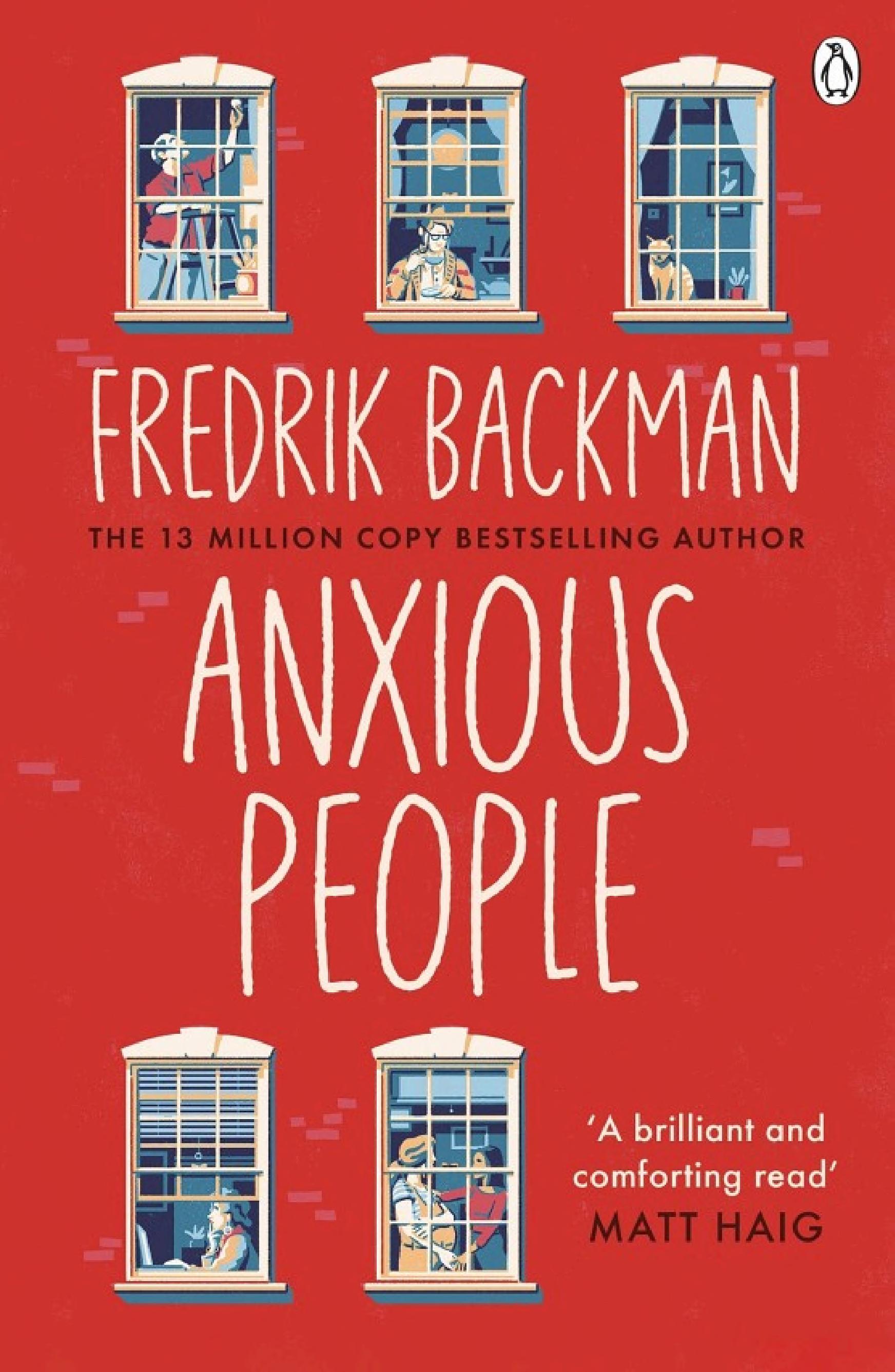
A Man Called OveFredrik BackmanThe template for the modern bittersweet novel: Ove is introduced as comic (his rigidity, his hostility to everyone who violates the neighborhood rules, his impossible standards for reversing a car) and revealed, incrementally, to be a man in whom love has nowhere to go after his wife’s death. Backman never lets either register take over — the comedy is real and the grief is real, and they are produced by the same character trait in the same situation: Ove’s inability to stop caring about things, which is both the source of his absurdity and the source of his suffering. The novel’s emotional impact depends on the comedy having been entirely genuine rather than a trick to lower the reader’s defenses, which is the hardest thing about maintaining both registers simultaneously. The Travelling Cat ChroniclesHiro ArikawaArikawa’s novel follows a man and his cat travelling across Japan to visit the friends who might adopt the cat if the man can no longer care for him, narrated partly from the cat’s perspective with the specific deadpan comedy that a cat’s assessment of human behavior produces. The comedy is gentle and consistent — Nana the cat is a reliable source of absurdist commentary on what humans do — and it runs alongside a gradually revealed backstory about Satoru that produces, in the novel’s final pages, one of the most quietly devastating emotional impacts in recent fiction. Arikawa earns both responses completely: the laughter is real, the grief is real, and neither is a trick or a tonal mistake. The most effective simultaneous comedy-and-grief novel on this list. The Hundred-Year-Old Man Who Climbed Out the Window and DisappearedJonas JonassonJonasson’s novel is the funniest entry on this list and the one where the comedy is most fully in charge — the hundred-year-old Allan Karlsson escaping his nursing home and stumbling into improbable adventures while flashbacks reveal his accidental presence at every major twentieth-century historical event. The comedy is broad and confident, and the grief is not the conventional kind; it arrives in the quieter register of a man for whom nearly everyone he has ever known is dead, who moves through the world with the specific lightness of someone who has lived so long that loss has become weather rather than catastrophe. The novel doesn’t dwell on this — which is exactly right — but it’s present in the quality of Allan’s equanimity, and the reader feels it without it being announced. Where’d You Go, BernadetteMaria SempleSemple’s epistolary novel about a brilliant, difficult architect who disappears, assembled by her teenage daughter from emails, school documents, and FBI files, is organized around the comedy of Seattle private-school parent culture and the grief of a woman whose creative capacity has been derailed by circumstances for which the novel holds everyone — and no one — responsible. The satire is sharp enough to produce genuine laughs; the portrait of Bernadette’s specific depression and creative extinction is honest enough to produce genuine sadness; and Semple never lets either take over. The daughter Bee’s love for her mother, rendered through the patience and intelligence with which she assembles the archive, is where the two registers meet and produce something warmer than either alone. Eleanor Oliphant Is Completely FineGail HoneymanEleanor’s literal-mindedness and social awkwardness are played for comedy in the novel’s early chapters — her observations about how people behave, delivered without awareness of social convention, produce genuinely funny moments — and Honeyman is careful to establish the comedy as real before revealing the history that has produced it. The eventual disclosure of what Eleanor has survived is among the most emotionally affecting in recent contemporary fiction, and its impact depends entirely on the preceding comedy having been genuine: the reader has laughed with Eleanor and has therefore built a relationship with her that the disclosure can actually land in. The most structurally sophisticated of the bittersweet novels on this list. Anxious PeopleFredrik BackmanBackman’s ensemble farce — a failed bank robber accidentally taking hostages at an apartment viewing — is the most comedically constructed novel on this list, organized from its absurdist premise through to the police interrogations that frame the story. The comedy is consistent and genuine throughout, and the grief — about a suicide attempt on a bridge, about family estrangement, about what anxiety actually costs the people who live with it — is woven through the comic structure rather than arriving as a tonal shift. Backman’s specific skill is making the same situation both funny and heartbreaking depending on which character’s perspective is currently active, so that the reader is simultaneously aware of the comedy and the grief without either being a trick or an interruption of the other. Who This Is For
Readers who want the full emotional range rather than a single sustained register — who want to laugh genuinely and feel something real, and who trust that a book can hold both without one canceling out the other. Also readers who are going through something difficult and want fiction that mirrors the actual experience of that: the grief interrupted by absurdity, the laughter that happens in the middle of the hardest things. The contemporary catalogue has more in this direction.
Frequently asked questions
Q: Which of these books is the most genuinely funny rather than bittersweet?
A: The Hundred-Year-Old Man Who Climbed Out the Window and Disappeared is the most purely comic — the comedy is confident and sustained, and the grief is present but quieter. Anxious People is the most farcical in structure. A Man Called Ove and The Travelling Cat Chronicles have the most perfectly balanced ratio of genuine comedy to genuine sadness.
Q: Is The Travelling Cat Chronicles predictable once you understand the premise?
A: The general shape of where it is going becomes apparent fairly early, and Arikawa doesn’t try to obscure it. What makes the novel work despite this is the quality of the journey rather than the surprise of the destination: the specific people Satoru and Nana visit, the specific memories attached to each friendship, and the cumulative weight of all of them together. Knowing where it is going doesn’t reduce the impact of arriving.
Q: Is Eleanor Oliphant Is Completely Fine appropriate for readers who have experienced trauma?
A: The novel involves child abuse and its long-term effects, rendered with eventual directness rather than being kept vague. Some readers who have experienced similar trauma find the novel helpful; others find it too close. The comedy in the earlier sections is not a trick or a dismissal of the difficulty — it is Honeyman establishing who Eleanor is before showing what she has survived — but readers should know that the subject matter is genuinely serious.
Q: Are both Fredrik Backman books on this list similar enough that I only need to read one?
A: They are similar in structure but different in tone. A Man Called Ove is a single-protagonist novel with a narrower emotional focus and a more sustained balance of comedy and grief. Anxious People is an ensemble farce with more characters, more structural invention, and comedy that is more fully in charge throughout. Most readers who love one immediately read the other; they are not interchangeable.
Not sure which of these is right for you specifically? The Pagesmith quiz matches you to books based on your mood, pacing preference, and reading goals, not bestseller lists. Takes two minutes.