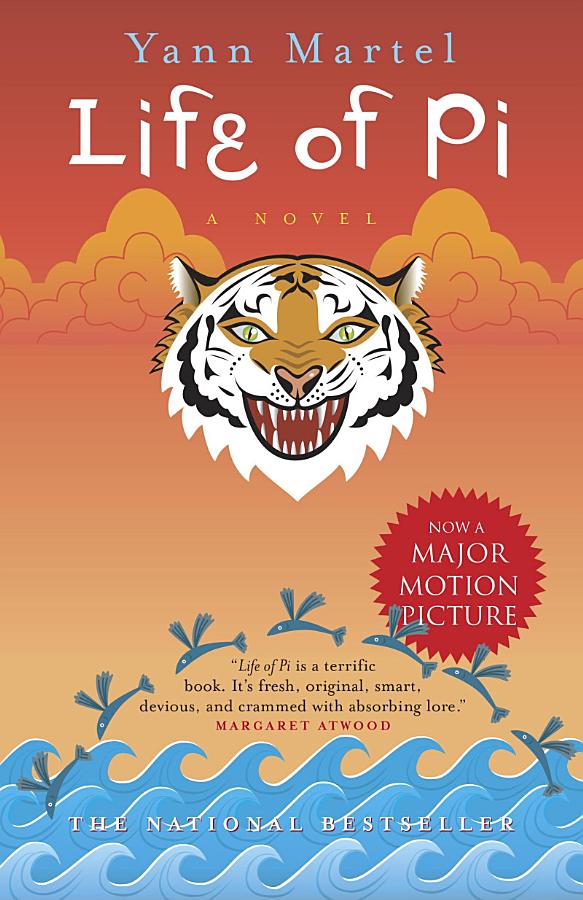
Life of Pi
A sixteen-year-old Indian boy survives a shipwreck and spends 227 days on a lifeboat in the Pacific with a 450-pound Bengal tiger.
Mood Mysterious & Atmospheric
Pacing Balanced
Complexity Moderately Complex
A sixteen-year-old Indian boy survives a shipwreck and spends 227 days on a lifeboat in the Pacific with a 450-pound Bengal tiger.
About This Book
The son of an Indian zookeeper survives the sinking of the ship carrying his family and their animals to Canada, and spends 227 days adrift in a lifeboat in the Pacific with the only other survivor, a full-grown Bengal tiger. Martel writes a novel that is at once a harrowing survival adventure and a philosophical fable about faith, storytelling, and the nature of truth, and its famous final turn asks the reader to choose between two versions of what happened, one fantastical and one unbearable, and to consider what that choice reveals. The prose is vivid and inventive, the pacing building from a leisurely setup to the intense survival ordeal, the tone wondrous and, beneath it, sly. What distinguishes it is the way the astonishing story of a boy and a tiger becomes, in its final pages, an argument about why we believe the stories we choose. This is a book for readers who want an imaginative adventure with real thematic depth, who are drawn to questions of faith and storytelling, and who appreciate a novel that reframes itself at the end. Readers wanting strict realism, or resistant to a book that argues for faith and story over hard fact, may find the ending a manipulation rather than a revelation; it divides readers on exactly that question. What makes it work is the vividness of the central ordeal and the genuine philosophical weight of its closing gambit, which recolors everything. The survival narrative alone is superb, the tiger a magnificent and terrifying presence. Inventive, thought-provoking, and built around one of contemporary fiction's most discussed endings, it is a novel about the stories we need to survive, and why we choose to believe them.
Who This Is For
Best for readers who want to be immersed in a world: mood and setting as important as plot. The writing rewards attention without being demanding, a good balance of depth and readability. The pacing is balanced, time to breathe between moments that matter. Plot-first readers may find the pace too slow and the ambiguity too deliberate.
Best Read When
Best read when you're in the mood for something atmospheric and mysterious, and a read that's balanced and absorbing.
What It Explores
Life of Pi explores survival and what extreme circumstances ask of people, identity and the gap between who we are and who we pretend to be, and redemption — whether it is earned, possible, or ever truly complete.
Readers Who Liked This Also Loved
Personalised Recommendations
Answer six questions about how you like to read. No email, no account. Free always.
Find My Next Book →