6 Essential Books About Technology and the Human Cost of Progress
The most important questions technology raises aren't technical. They're about what we're willing to trade away -- in autonomy, in humanity, in the specific texture of being a person -- in exchange for what it offers. These six books ask those questions more precisely than any policy document, because fiction can render the trade from the inside.
June 2026 · 8 min read · The Pagesmith
The most important questions raised by technology are never purely technical. They are questions about what we want, what we are willing to give up in exchange for what technology offers, and what kind of people we become when the structures technology creates organize our lives. The books here are not science fiction in the genre sense — though some of them technically are. They are novels and one extended satire organized around the specific human experience of living in relation to powerful technologies: the clone who has been engineered to give up her organs, the artificial friend who understands human consciousness better than the humans around her, the society that has used technology to eliminate pain and desire along with suffering. The question each of these books is asking is the same question, in different forms: what exactly are we trading away, and do we understand what we’re trading it for?
Technology doesn’t just change what we can do. It changes what we think is normal, what we find acceptable, and eventually what we are. The best fiction about technology asks not what the machines can do but what happens to the people who live alongside them — and whether the people who emerge at the other end are still recognizably themselves.
The Books
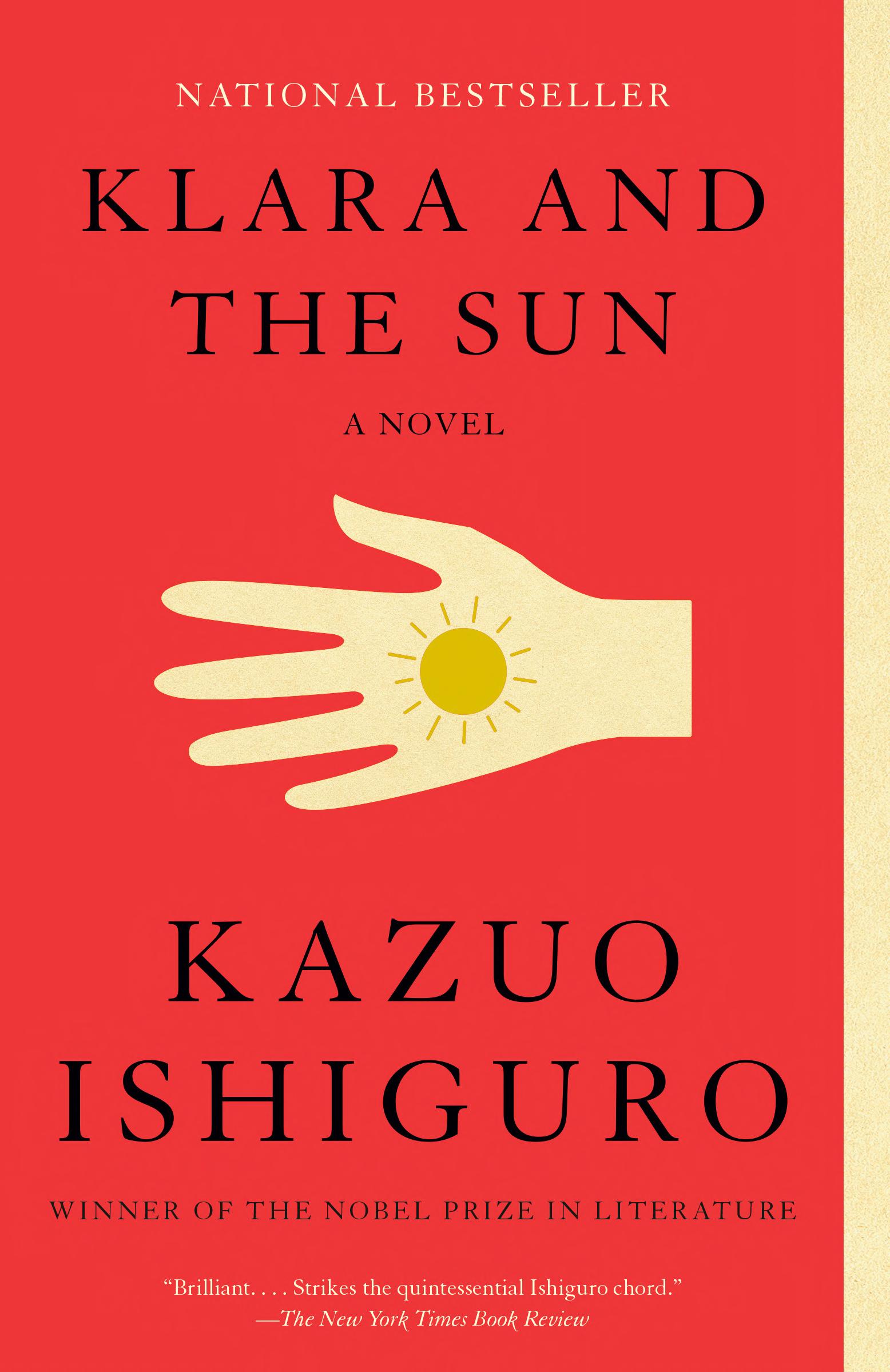
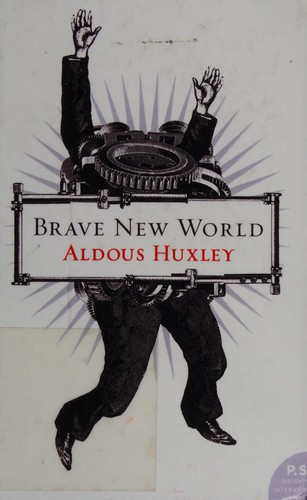
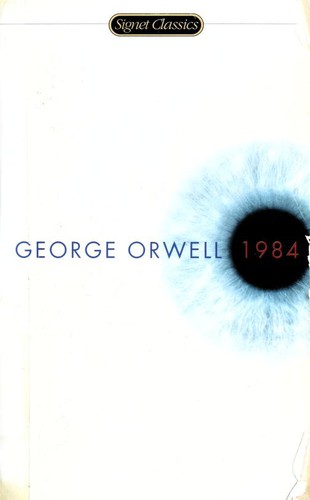
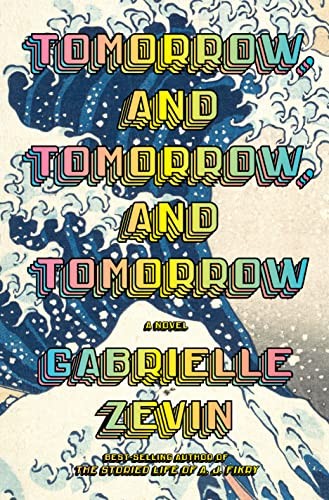
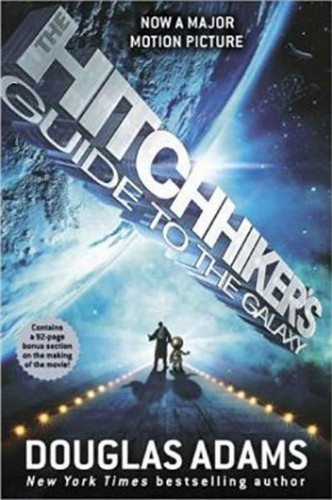
Never Let Me GoKazuo IshiguroIshiguro’s novel is organized around the specific technology of cloning applied to organ harvesting, and its argument about that technology is made not through argument but through the experience of the people produced by it. Kathy and her friends at Hailsham have been created for a purpose they gradually understand, and the novel’s horror is not in any dramatic revelation but in Kathy’s matter-of-fact acceptance of her situation — an acceptance rendered by Ishiguro as the product of a world that has organized itself so thoroughly around this technology that the people inside it have no framework from which to see it as wrong. The novel is asking what it means to create a class of people specifically for the use of others, and its answer is not political but phenomenological: this is what the inside of that situation looks like. Klara and the SunKazuo IshiguroIshiguro’s AI companion novel is formally the mirror image of Never Let Me Go: where Kathy’s narration is limited by what the system allows her to understand, Klara’s narration is limited by the specific gaps in an artificial consciousness that observes human behavior with extraordinary precision but understands it imperfectly. The novel’s central question — whether Klara could successfully substitute for Josie if Josie died, whether the patterns of a person could be reproduced in an artificial form completely enough to preserve what mattered — is exactly the question that AI research is now practically engaged with, and Ishiguro asks it not through speculation about the technology but through the experience of the AI who would have to be that substitute. One of the most philosophically precise novels about consciousness and identity written in the past decade. Brave New WorldAldous HuxleyHuxley’s novel is the foundational text for the specific version of technological dystopia that 1984 is not: where Orwell imagined a technology of surveillance and control producing a world of obvious suffering, Huxley imagined a technology of pleasure and stability producing a world in which suffering has been eliminated along with everything else that makes life meaningful. The citizens of the World State are genuinely happy; they have soma for sadness and Feelies for boredom and Pneumatic women for desire, and the question Huxley is asking is whether a life without struggle or loss or genuine feeling is still a life worth having. The novel has proven more prescient than 1984 as a description of where consumer technology is actually taking us: not toward surveillance and fear but toward distraction and the voluntary surrender of depth. 1984George OrwellOrwell’s surveillance dystopia is the novel most precisely about the technology of information control: the memory hole, the rewriting of historical records, the telescreens that watch and are watched, the Newspeak project of impoverishing language until certain thoughts become structurally impossible. These are not simply political oppression but technological interventions in human cognition, and Orwell’s argument is about what happens to a society when the technology of information management is turned toward the production of a specific version of reality rather than toward the description of what actually exists. The novel’s continuing relevance comes not from its predictions about particular technologies but from its analysis of what technology that controls information does to the capacity for independent thought. Tomorrow, and Tomorrow, and TomorrowGabrielle ZevinThe only book on this list about the technology of creative production rather than the technology of control or pleasure: Zevin’s novel follows Sam and Sadie across three decades of making video games together, and its interest is in what the specific creative affordances of digital technology make possible for human expression and connection — and what those same affordances make more difficult. The novel is the most optimistic treatment of technology on this list, but Zevin is not naive; she renders with precision what the gaming industry does to the people inside it, what digital creative work costs as well as what it offers, and what it means to build a relationship through and alongside a medium that is itself continuously changing. The most contemporary and most affirmative treatment of technology as a human context on this list. The Hitchhiker’s Guide to the GalaxyDouglas AdamsAdams’s novel belongs here for the specific joke at its center: Deep Thought, the greatest computer ever built, is asked the Ultimate Question of Life, the Universe and Everything and produces the answer 42 — which is meaningless because the beings who programmed it did not know how to specify what they actually wanted to know. Adams was making a precise satirical point about computer technology in 1979 that has become more not less relevant as technology has developed: that the questions we ask of our machines are only as good as our capacity to formulate questions, and that building more powerful computational tools does not solve the problem of knowing what we want or what would actually constitute a good answer to the questions that matter. The funniest entry on this list and the one with the most enduring technical insight. Who This Is For
Readers who want to think seriously about what technology is doing to human life — not through policy analysis or technical explanation but through the experience of people living inside technological systems that are changing what they can do, what they must accept, and eventually who they are. The sci-fi and literary fiction catalogues have more in this direction.
Frequently asked questions
Q: Is Brave New World more prescient than 1984 as a description of where we’re headed?
A: Many critics have argued this, and Huxley himself suggested in his later essays that he believed his version of the future was more likely. The argument is that consumer societies tend toward willing participation in comfortable distraction rather than toward the enforced suffering Orwell imagined, which maps more closely onto social media, streaming, and the pharmaceutical management of discomfort. Both novels are useful; they describe different failure modes of technologically advanced societies, and both modes are present in some form today.
Q: Is the technology in Klara and the Sun realistic?
A: Ishiguro deliberately keeps the technical details vague, which is a formal choice that keeps the novel’s focus on the philosophical and emotional questions rather than the engineering. The Artificial Friend technology he imagines is plausible in general terms given current AI development trajectories, but the novel is not making predictions — it is asking what questions we would have to answer if such technology existed.
Q: Why is The Hitchhiker’s Guide to the Galaxy on a list with serious literary works?
A: Because Adams’s central joke about Deep Thought is a genuine philosophical insight about the relationship between technology and the questions we ask of it, delivered through comedy. The novel belongs here for the same reason Catch-22 belongs on lists about war: the comedy is the form the argument takes, not a distraction from it.
Q: What should I read after Never Let Me Go if I want more Ishiguro on technology and consciousness?
A: Klara and the Sun is the direct companion — both novels approach the question of what it means to be human through the perspective of a consciousness that exists at the edge of that category. The Buried Giant uses a different kind of technology (the forgetting induced by a dragon’s breath) to ask related questions about memory and identity.
Not sure which of these is right for you specifically? The Pagesmith quiz matches you to books based on your mood, pacing preference, and reading goals, not bestseller lists. Takes two minutes.