6 Novels About Childhood That Weren't Written for Children
Childhood is one of fiction's most challenging subjects because adults are writing about an experience they've lost access to. The novels that do it best don't reconstruct childhood from the outside -- they recover the specific quality of consciousness that childhood involves: the intensity of small things, the incompleteness of understanding, and the specific vulnerability of being inside something you can't yet name.
June 2026 · 8 min read · The Pagesmith
Fiction about childhood has two failure modes. The first is sentimentality: childhood rendered as a golden time, organized around innocence and wonder, without the specific cruelties and confusions and incompleteness of understanding that actual childhood involves. The second is condescension: the adult author imposing retrospective understanding on a child’s experience, explaining what the child couldn’t know in a way that removes the child’s actual perspective from the narrative. The novels here avoid both failures. They recover the specific quality of consciousness that childhood involves — the intensity with which small things are experienced when the world is new, the specific incompleteness of understanding that produces both genuine wonder and genuine terror, and the particular vulnerability of being a person who cannot fully comprehend the situation they are in. These are adult books about children, which means they can hold what a children’s book cannot: the full weight of what childhood costs as well as what it offers.
The best adult fiction about childhood doesn’t reconstruct the events of childhood from a safe adult distance. It recovers the specific quality of being a child — the way experience arrives at a different intensity when the world is still new and incomprehensible — which is a harder thing to do and produces a more unsettling and more honest account.
The Books
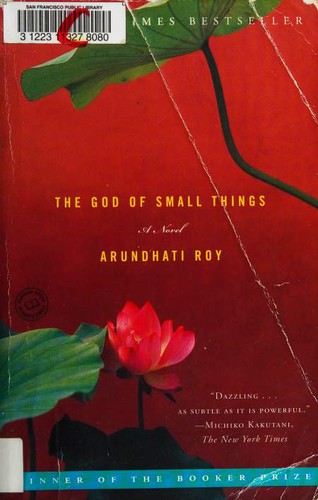
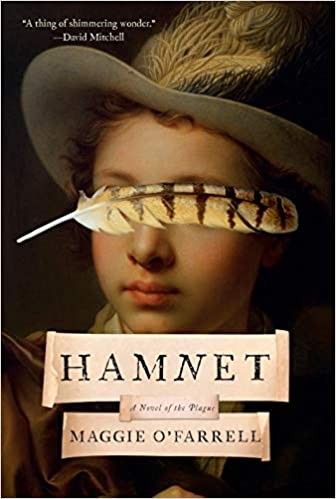
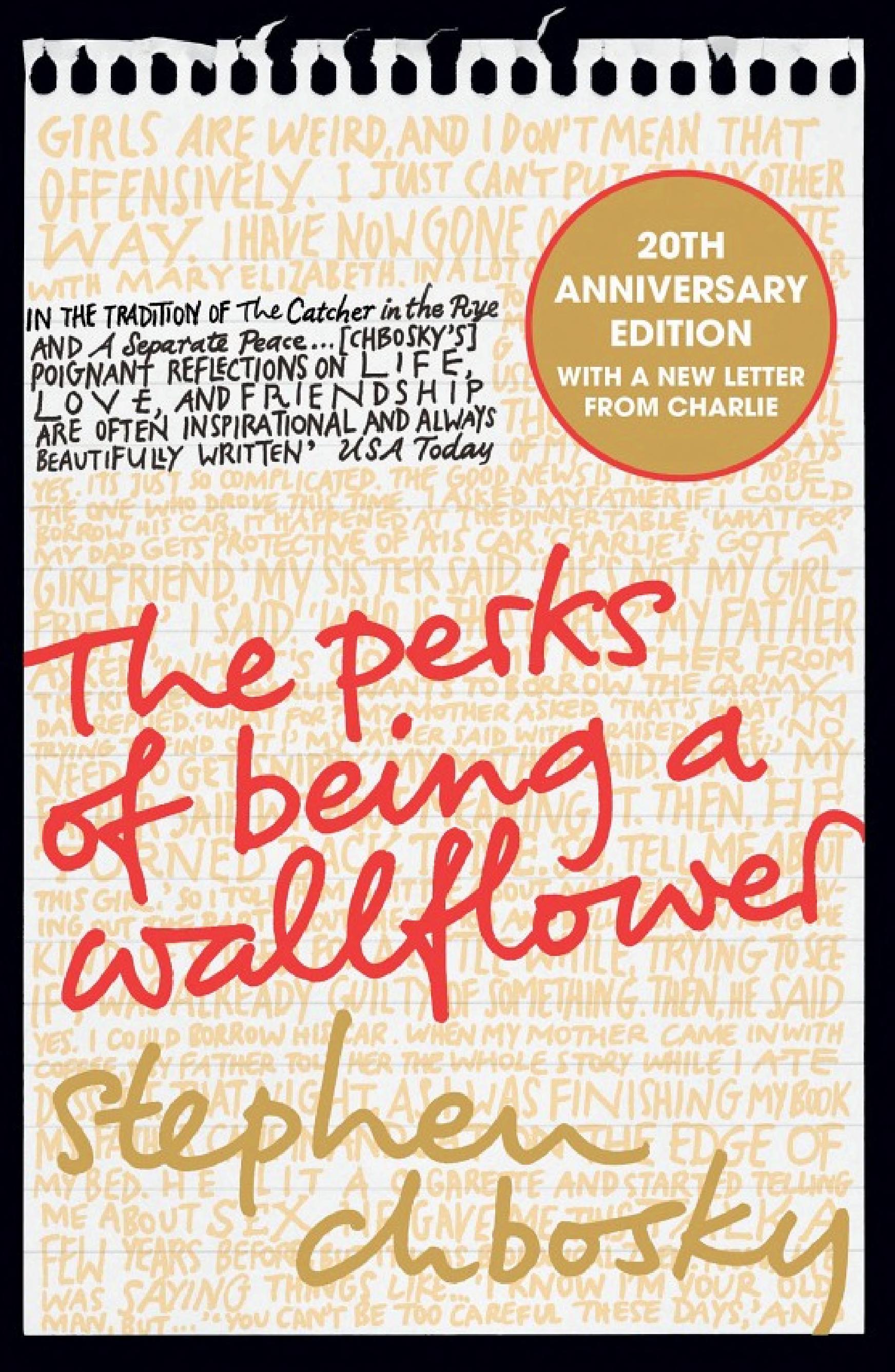
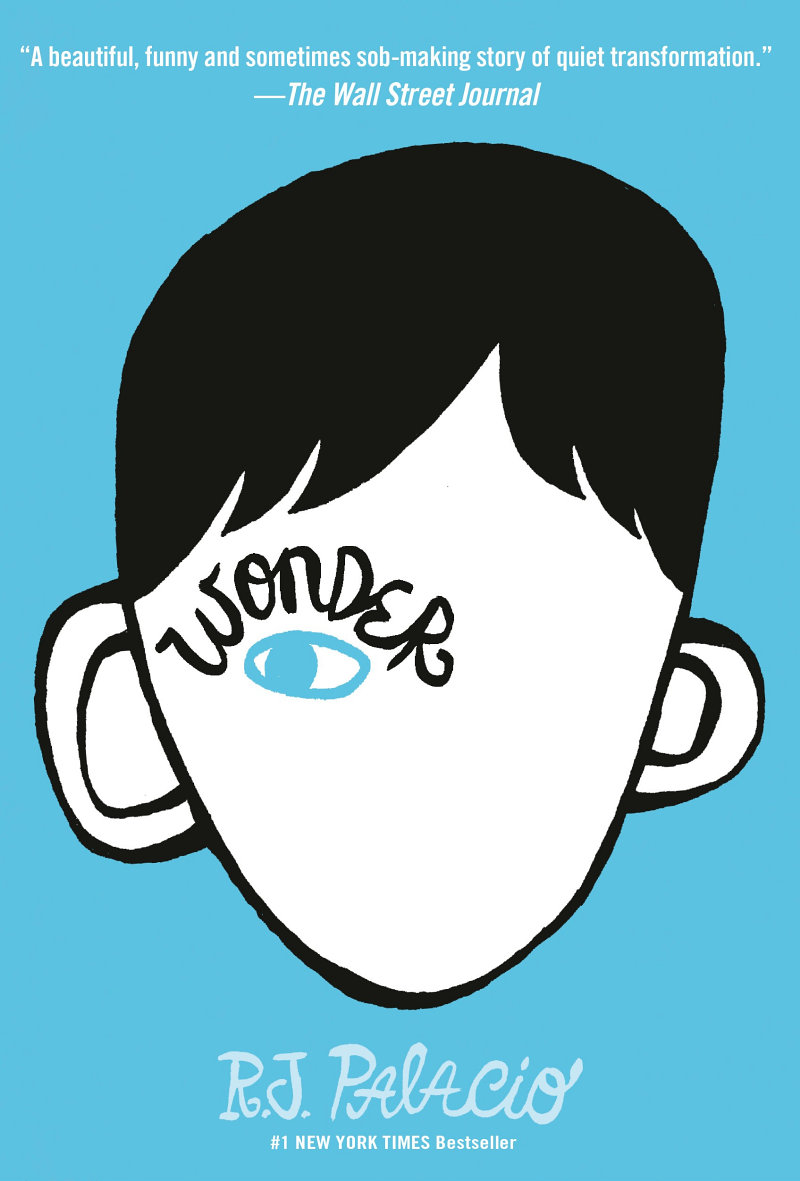
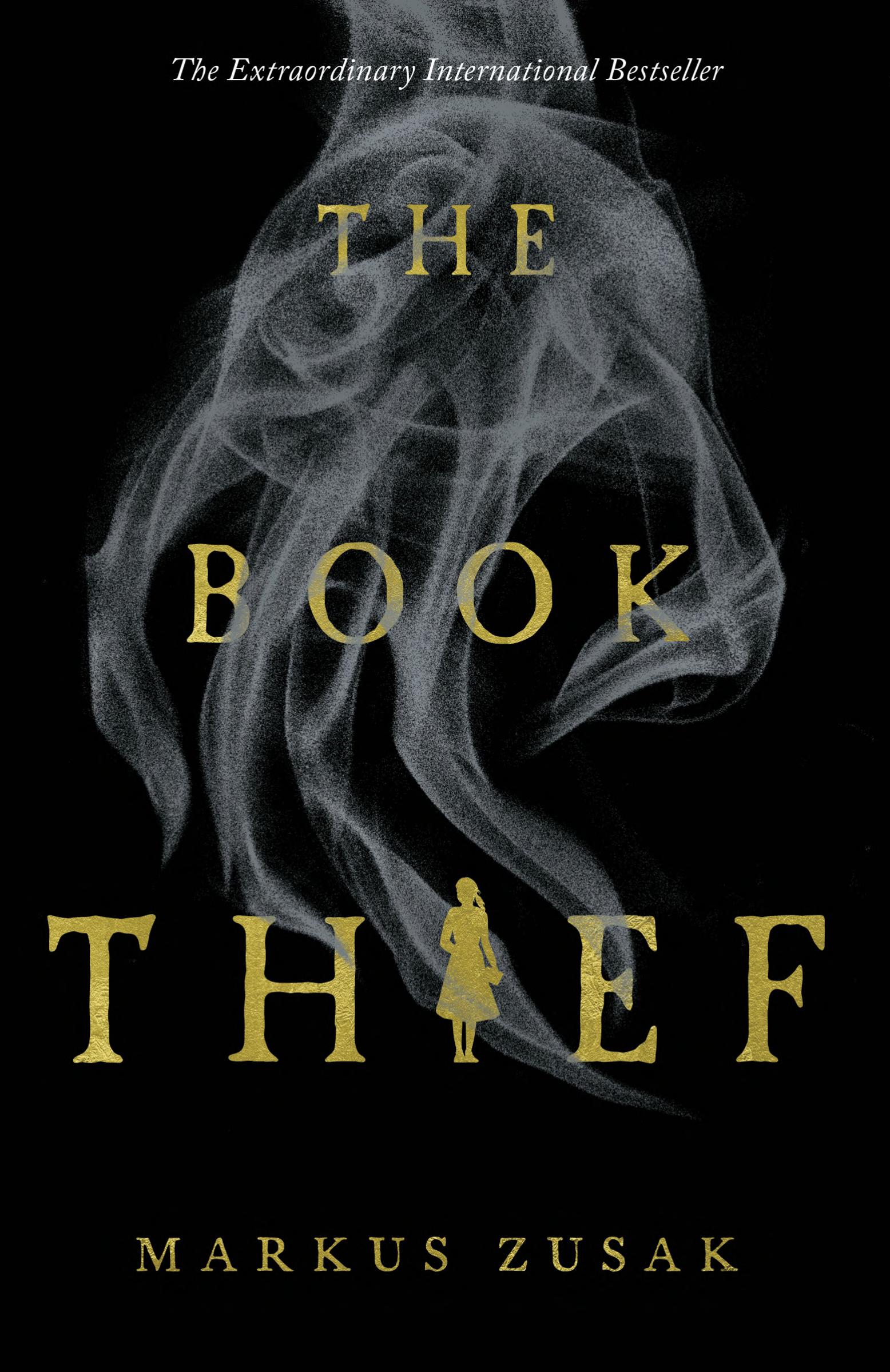
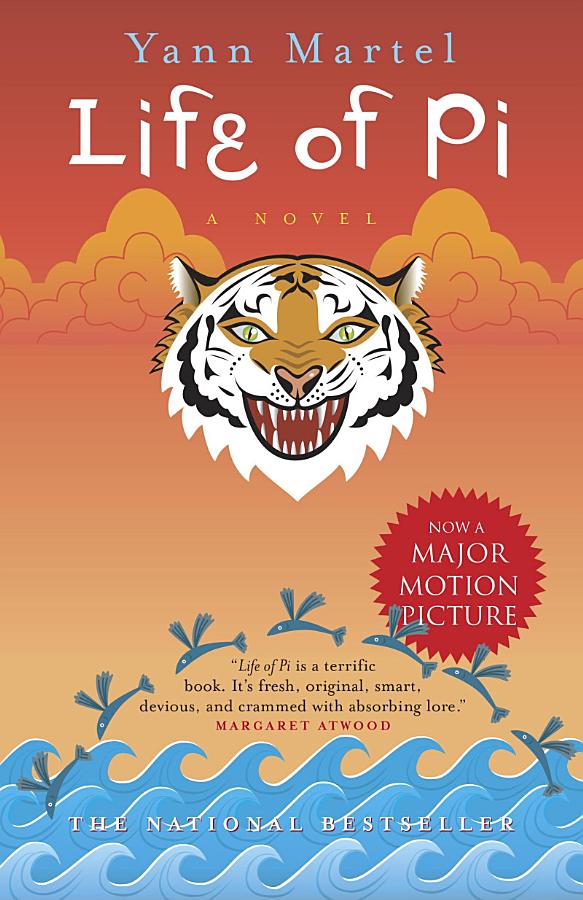
The God of Small ThingsArundhati RoyRoy’s novel renders the childhood consciousness of twins Rahel and Estha through a prose style that enacts it rather than describing it: the capitalized Things That Matter, the specific intensity of sensory experience, the way understanding arrives in fragments before it arrives as comprehension. The children are experiencing forces — caste hierarchy, family shame, political violence — that they cannot name or fully understand, and Roy’s formal achievement is making the reader experience events the way the children do, with the specific mixture of acute perception and incomplete comprehension that childhood involves. The most formally inventive rendering of child consciousness on this list, and the one where the prose is most completely organized around enacting the experience rather than reporting it. HamnetMaggie O’FarrellO’Farrell’s rendering of Hamnet Shakespeare’s last days — the eleven-year-old boy searching the house for someone to help his sick twin sister — is the most physically precise rendering of a child’s experience in contemporary fiction. O’Farrell renders his perception with full sensory specificity: the specific quality of light in the house, the texture of surfaces he touches, the particular quality of his fear and determination. What makes the rendering specifically about childhood rather than simply about this specific child is the quality of his understanding: Hamnet knows something is wrong and does not have the vocabulary or the framework to name what it is, which produces the specific terrible clarity of a child who perceives more than they can process. The shortest novel on this list and the one where the child’s consciousness is most completely the formal center. The Perks of Being a WallflowerStephen ChboskyChbosky’s novel is technically YA but belongs on this list because its formal achievement — an epistolary narration by a fifteen-year-old who understands more than he realizes and less than he thinks — is genuinely sophisticated in its rendering of adolescent consciousness. Charlie’s letters describe what he observes with the specific intensity of someone for whom the world is still arriving as new material, and the gap between what he reports and what the reader understands from his reporting is where Chbosky does his most careful work. The novel’s final revelation recontextualizes everything Charlie has described in a way that changes not what happened but what the reader’s experience of his narration was doing — which requires the epistolary child consciousness to have been rendered with enough fidelity that the recontextualization actually lands. WonderR.J. PalacioPalacio’s novel is technically a middle-grade book but is included here because its multiple-perspective structure — rendering the same events through the consciousness of Auggie, his sister Via, his friend Summer, and his bully-turned-friend Jack — is a genuinely adult formal technique applied to the question of what childhood looks like from inside different children’s experiences of the same situation. The novel’s argument — that every child in a community is navigating their own version of what the community looks like and what it costs — requires the multiple perspectives to function, and Palacio uses them with enough skill that the aggregate portrait is more complete than any single narration could be. The most accessible entry on this list and the most explicit about what childhood’s social world actually requires of the people inside it. The Book ThiefMarkus ZusakZusak’s choice of narrator — Death, observing Liesel Meminger’s childhood in Nazi Germany with the specific combination of tenderness and exhaustion that too many deaths produces — is the device that makes the novel’s treatment of childhood distinctive among war fiction. Death can see Liesel’s experience from both inside her consciousness and from a vantage point outside and ahead of it, which means the reader simultaneously inhabits her childhood perception and understands what her childhood is unfolding inside. The specific quality of Liesel’s relationship to books and language — her learning to read as a form of survival and self-construction during the worst possible historical circumstances — is rendered with enough specificity that the reader understands what books can do for a child in a way that adult accounts of reading rarely achieve. Life of PiYann MartelMartel’s novel renders Pi Patel’s childhood and adolescence in Pondicherry with the specific quality of attention to small wonders that characterizes the child consciousness at its most receptive: the zoo, the three religions Pi practices simultaneously, the specific texture of his curiosity. What distinguishes this from sentimentalized childhood is what comes after: the ordeal on the Pacific, which tests Pi’s childhood formation against conditions of maximum extremity, and the novel’s final question about which story — the one with the tiger or the one without — the reader chooses to believe, which is a question about what the mind does with unbearable experience rather than simply a narrative puzzle. The childhood sections are necessary precisely because they establish what Pi’s consciousness was before the ordeal, which is what the ordeal tests. Who This Is For
Readers who want fiction about childhood written with the full resources of adult literary craft — who are interested in what the child’s specific quality of consciousness looks like when rendered from the inside, and who want books that take childhood seriously as a subject rather than as a nostalgic backdrop or a context for coming-of-age events. The literary fiction and YA catalogues have more in this direction.
Frequently asked questions
Q: Are Wonder and The Perks of Being a Wallflower appropriate for adult readers who mostly read literary fiction?
A: Both are worth reading as an adult regardless of their intended audience. Wonder’s formal technique — multiple perspectives on the same situation — is genuinely sophisticated. Perks is more emotionally immediate than most adult literary fiction and may land differently as an adult depending on your relationship to that kind of directness. Neither requires lowering expectations; they require different expectations.
Q: What makes The God of Small Things a specifically child’s-eye view given that it’s narrated by adults reflecting on their childhood?
A: Roy’s formal achievement is rendering the children’s experience through a prose style that enacts their consciousness rather than simply reporting on it retrospectively. The novel moves between the adult Rahel in the present and the children’s experience in 1969, and in the 1969 sections, the prose shifts into a register that recovers the specific quality of the twins’ perception — the intensity, the capitalization, the way understanding arrives in fragments. It is technically retrospective narration but functionally the closest thing to inside-the-experience available.
Q: Is Hamnet sad in the way its subject suggests?
A: It is genuinely devastating, but in a specific way: the sadness comes from the accumulation of precise, physical detail that makes the loss feel real rather than abstract. O’Farrell renders what was there before the loss — the specific quality of this specific boy’s presence in the world — with enough precision that the absence that follows has the weight of something real rather than something described. Most readers report being unprepared for how hard it lands despite knowing what it’s about going in.
Q: What should I read after The Book Thief if I want more Markus Zusak?
A: Bridge of Clay is his second adult novel — longer, more structurally ambitious, following four brothers and their father’s complicated history across several decades. It has not achieved The Book Thief’s cultural reach but is considered by some readers to be his most accomplished work.
Not sure which of these is right for you specifically? The Pagesmith quiz matches you to books based on your mood, pacing preference, and reading goals, not bestseller lists. Takes two minutes.