7 Books About Power and the Cost of Wanting More
The best fiction about power and ambition doesn't moralize about it from outside. It gets inside the specific logic of wanting more -- which makes the eventual cost land harder, because the reader has been inside the wanting and understands exactly what it felt like before it went wrong.
June 2026 · 8 min read · The Pagesmith
Fiction about ambition has an easy version and a harder one. The easy version positions the reader outside the ambitious character from the start — we watch Macbeth’s ambition with the moral clarity that comes from already knowing it’s wrong, and the pleasure is in watching the inevitable unfold. The harder version, and the one the books here attempt, puts the reader inside the wanting before any judgment is available — so that the specific logic of why someone would make this choice, take this risk, sacrifice this thing, feels comprehensible and even persuasive from the inside, before the cost becomes clear. This is harder to write and more uncomfortable to read, because it implicates the reader: if Cromwell’s logic in Wolf Hall makes sense to you while you’re reading it, what does that say about what you might do under similar pressure? The books here all do this — they make ambition’s logic available rather than just its consequences, which is what makes the consequences, when they arrive, land as something more than a moral lesson.
Why Getting Inside the Wanting Matters
A novel that shows ambition’s cost without showing its logic produces a simple message: ambition is bad, here’s what happens to people who have it. A novel that shows the logic first — the specific calculation, the specific thing that seemed worth the risk, the specific moment where a smaller compromise made a larger one possible — produces something more useful: an understanding of how a person gets from being someone who wouldn’t do this to being someone who did. That understanding doesn’t excuse what follows, but it makes it recognizable rather than alien, which is the difference between a cautionary tale and a genuine portrait.
The most unsettling fiction about ambition isn’t the kind that shows you a monster. It’s the kind that shows you the specific, reasonable-seeming steps by which someone became one — because then you have to ask which of those steps you might also have taken, under the same pressure, with the same things at stake.
The Books
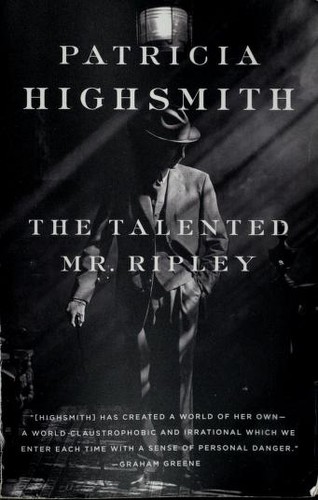
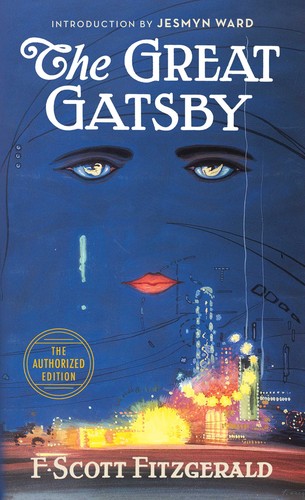
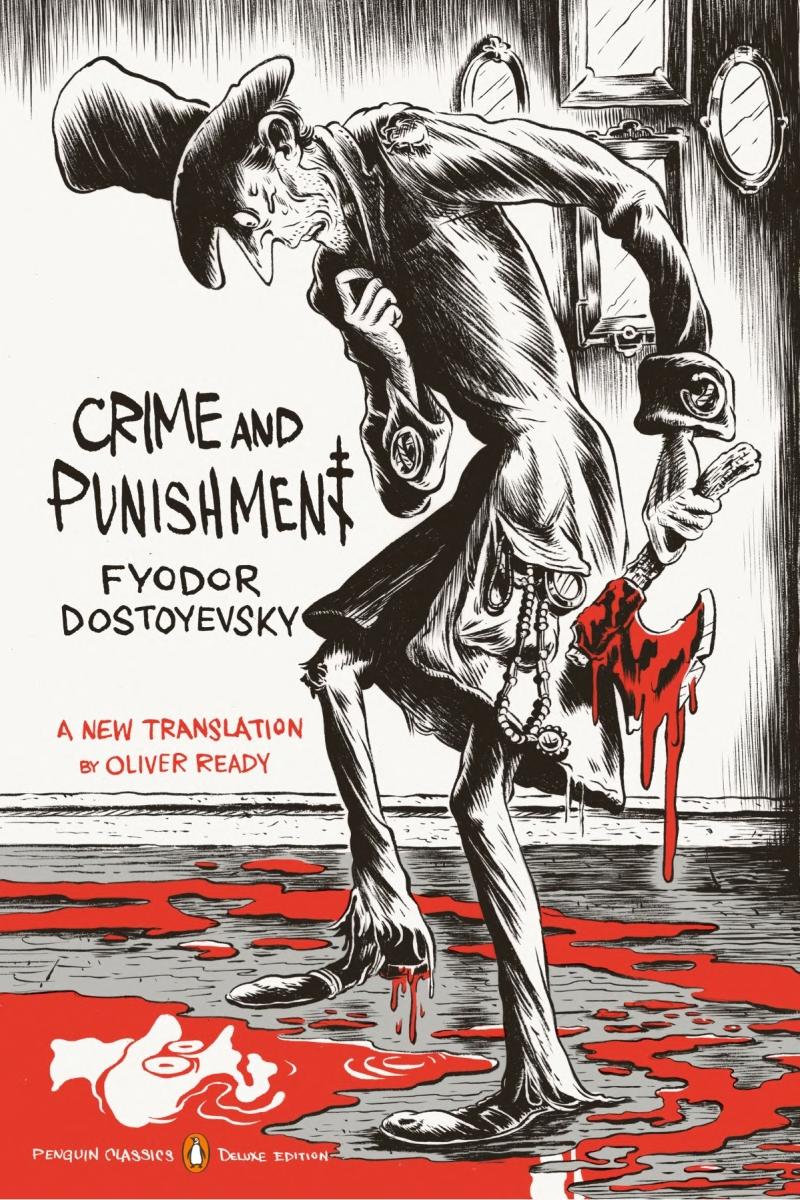
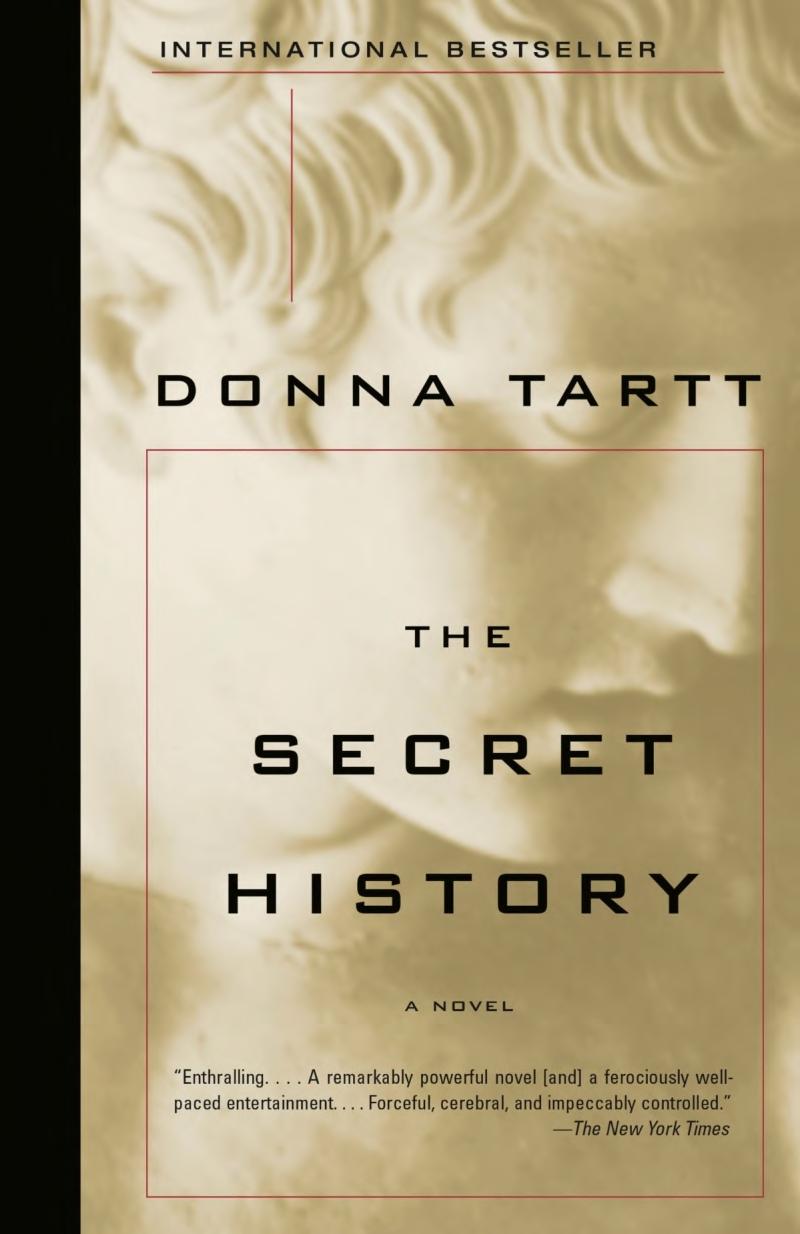
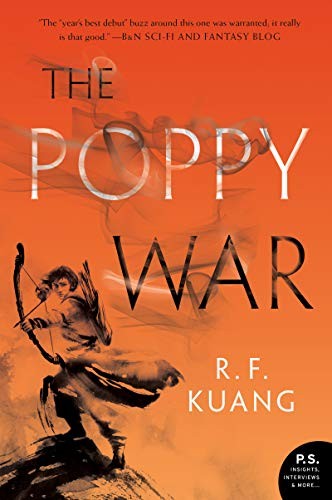
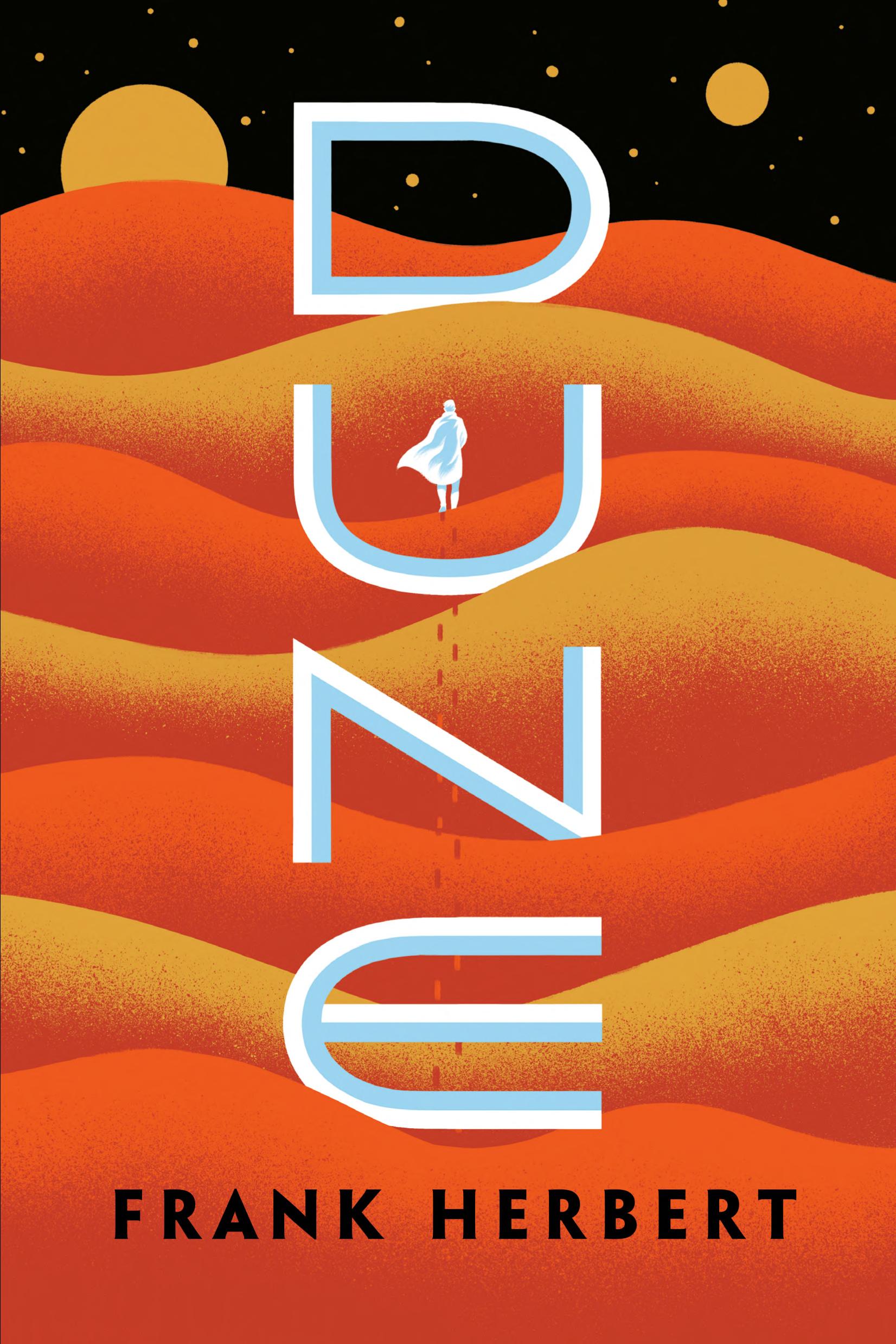
Wolf HallHilary MantelMantel’s Cromwell is the most completely realized portrait of pragmatic ambition in historical fiction — a man of low birth who rises to become Henry VIII’s most powerful minister through intelligence, competence, and a willingness to do what the moment requires, rendered so thoroughly from inside his perspective that his choices feel not just understandable but often the only sensible option available. Mantel’s genius is that Cromwell rarely seems to be choosing ambition over morality; he seems to be choosing competence, survival, and the practical management of an impossible situation — and the reader is inside that logic so completely that the accumulated cost, which the trilogy’s later volumes make clear, arrives as recognition rather than judgment. The Talented Mr. RipleyPatricia HighsmithHighsmith’s novel renders the logic of wanting a life you weren’t given with such precision that Tom Ripley’s escalating choices — including murder — feel like a series of small steps each of which made sense given the step before, rather than a single monstrous leap. Tom’s specific hunger — for beauty, for ease, for the kind of life Dickie Greenleaf takes for granted — is rendered as genuinely understandable, which is what makes the novel disturbing rather than simply a thriller. The cost, when it comes, is not external punishment but the permanent condition of being someone who got what he wanted through means he can never acknowledge. The Great GatsbyF. Scott FitzgeraldGatsby’s ambition is organized entirely around a single image — Daisy, the green light, a version of the past he believes he can recover if he becomes someone different enough — and Fitzgerald renders the logic of that ambition so seductively that the reader, like Nick, is genuinely moved by Gatsby’s hope even while understanding its impossibility. The cost of Gatsby’s ambition isn’t presented as deserved punishment for moral failure; it’s presented as the inevitable result of believing that enough money, enough reinvention, enough effort could make the past available again. The novel’s famous final lines are an argument about ambition itself: the green light recedes, but people keep reaching for it anyway. Crime and PunishmentFyodor DostoevskyRaskolnikov’s theory — that certain exceptional people are entitled to transgress ordinary morality because their contributions justify it — is the most explicit articulation of ambition’s self-justifying logic in this list, and Dostoevsky renders it with enough intellectual seriousness that it doesn’t feel like a strawman the novel exists to demolish. The murder Raskolnikov commits to test this theory is the novel’s central event, but the actual subject is what happens to a person’s mind when the theory meets reality — the gap between the abstract justification and the lived experience of having done the thing. The cost here is psychological and total: not external punishment but the impossibility of being the person the theory required him to become. The Secret HistoryDonna TarttTartt’s novel renders a different kind of wanting: not wealth or power in the conventional sense, but access to a world of beauty, intellect, and belonging that Richard has never had. The group’s eventual murder of one of their own emerges from this same wanting — the desire to protect access to something extraordinary, at any cost, once you’ve had a taste of it. Tartt is precise about how each member of the group rationalizes their participation, and the novel’s lasting unease comes from how reasonable each individual rationalization sounds in isolation, even as the cumulative result is genuinely monstrous. The Poppy WarR.F. KuangKuang’s trilogy renders Rin’s ambition — to rise from poverty through military training, to gain power that would have been unimaginable for someone of her origins — with enough sympathy that the reader is genuinely invested in her success, before the novel’s later volumes show what that ambition, combined with the power she eventually gains, makes her capable of. The trajectory from sympathetic underdog to someone capable of genuinely horrifying choices is the novel’s central argument: ambition born from real injustice doesn’t become less dangerous because its origins were sympathetic. If anything, the legitimacy of the original grievance makes the eventual choices harder to simply condemn, which is exactly the discomfort Kuang is interested in producing. DuneFrank HerbertHerbert’s novel is unusual on this list because Paul Atreides doesn’t initially seek the power that comes to him — it’s the specific argument of Dune that power can be a trap regardless of whether you wanted it, and that the logic of using power once you have it, even for purposes that seem justified (revenge, survival, protecting people you love), leads somewhere you didn’t choose and can’t fully control. Paul’s rise is framed throughout with foreboding — the reader is told, repeatedly, that this path leads to something terrible — and the novel’s achievement is making Paul’s choices feel inevitable anyway, each one following logically from the one before, even as the cumulative direction is exactly what the warnings predicted. Who This Is For
Readers who want fiction about power and ambition that gets inside the logic rather than simply illustrating consequences — who are interested in how reasonable people arrive at choices that, from outside, look monstrous, and what that says about the conditions that produce ambition in the first place. The literary fiction and historical fiction catalogues have more in this direction.
Frequently asked questions
Q: Is Wolf Hall sympathetic to Thomas Cromwell in a way that’s historically inaccurate?
A: Mantel’s portrait is a deliberate reinterpretation — Cromwell has historically been portrayed (notably in A Man for All Seasons) as a villain, and Mantel’s trilogy is in part a response to that portrayal, arguing for a more complex reading of his choices within the context of Tudor politics. It’s not historically inaccurate so much as it’s offering an interpretation that emphasizes different aspects of the historical record. The trilogy doesn’t ask you to approve of everything Cromwell does, but to understand the logic from which it proceeded.
Q: Is The Poppy War appropriate for readers who want fantasy without extreme violence?
A: No — the trilogy includes scenes of war crimes and violence that are deliberately based on real historical atrocities (particularly events from the Sino-Japanese conflicts) and are rendered without softening. This is central to Kuang’s argument and not gratuitous, but readers sensitive to this content should know what they’re getting into.
Q: Why does Crime and Punishment focus so much on Raskolnikov’s psychology rather than the murder itself?
A: Because the murder is almost incidental to Dostoevsky’s actual interest, which is what happens inside a mind that has acted on a theory and then has to live with having done so. The novel is sometimes described as the first true psychological thriller for exactly this reason — the suspense is internal, located in Raskolnikov’s deteriorating mental state, rather than in whether he’ll be caught.
Q: What should I read after The Great Gatsby if I want more Fitzgerald?
A: Tender Is the Night is Fitzgerald’s most personal novel, drawing on his and Zelda’s experiences, and explores similar themes of wealth, ambition, and the corrosive effects of trying to live beyond your means — emotionally and financially — in greater and darker depth than Gatsby.
Not sure which of these is right for you specifically? The Pagesmith quiz matches you to books based on your mood, pacing preference, and reading goals, not bestseller lists. Takes two minutes.