What to Read When the Prose Is the Point
Most novels succeed despite their sentences. A few succeed because of them -- books where the prose itself is the event, where the specific rhythm and weight of the language is doing something the plot and characters alone couldn't accomplish. These six are for the reader who has marked a sentence just because it was exactly right.
June 2026 · 7 min read · The Pagesmith
There is a meaningful distinction between a novel that is well-written and a novel where the writing is the point. In the first category, the prose serves the story — it conveys character and event clearly and without friction, and you barely notice it, which is often the correct outcome. In the second category, the prose is doing something the story alone couldn’t do: producing an emotional effect through rhythm, placing a specific weight on specific words, generating meaning through the gap between what is said and how it is said. These six novels belong to the second category. Reading them is not simply receiving a story; it is having a sustained experience of a particular consciousness at work, in language that has been chosen and arranged with enough precision that the choosing and arranging is itself what the book is about. They are for the reader who has put a book down to reread a sentence — not because it was confusing, but because it was exactly right.
In most novels, the prose delivers the story. In the novels here, the prose is the story — the specific rhythm and weight of each sentence doing something the events alone could never accomplish, and producing an emotional experience that is inseparable from how the words are arranged on the page.
The Books
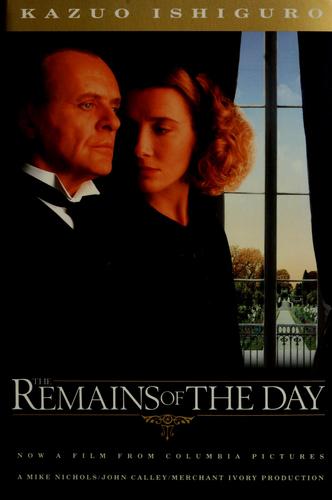
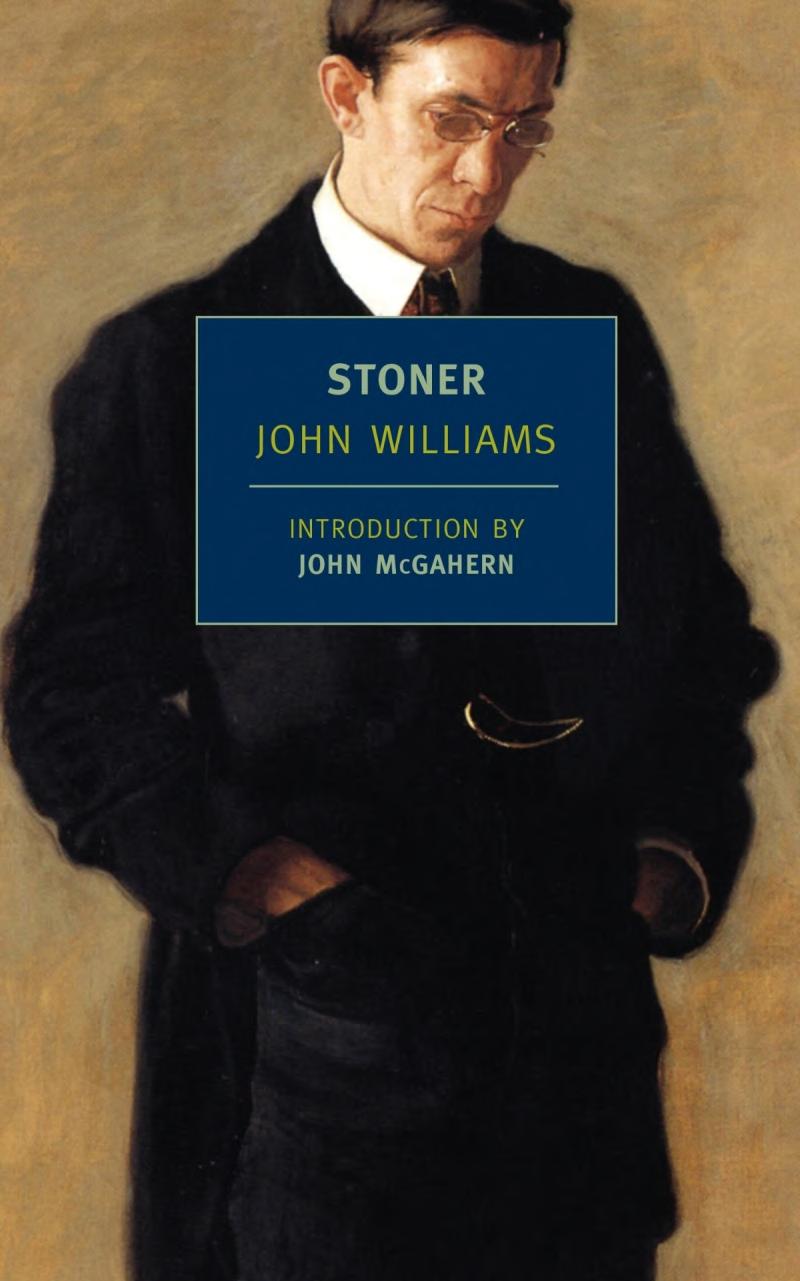
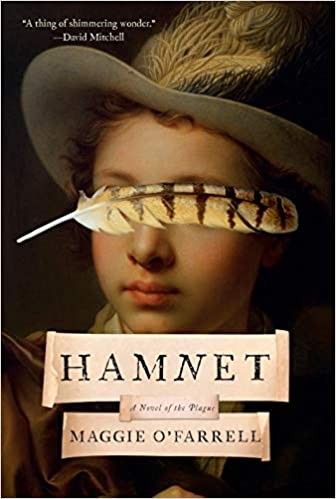
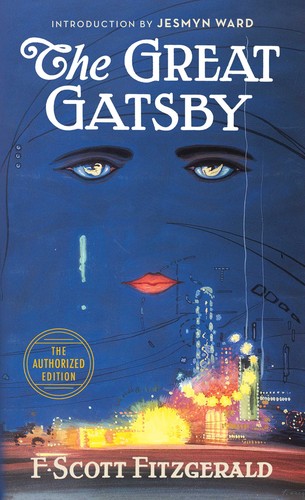
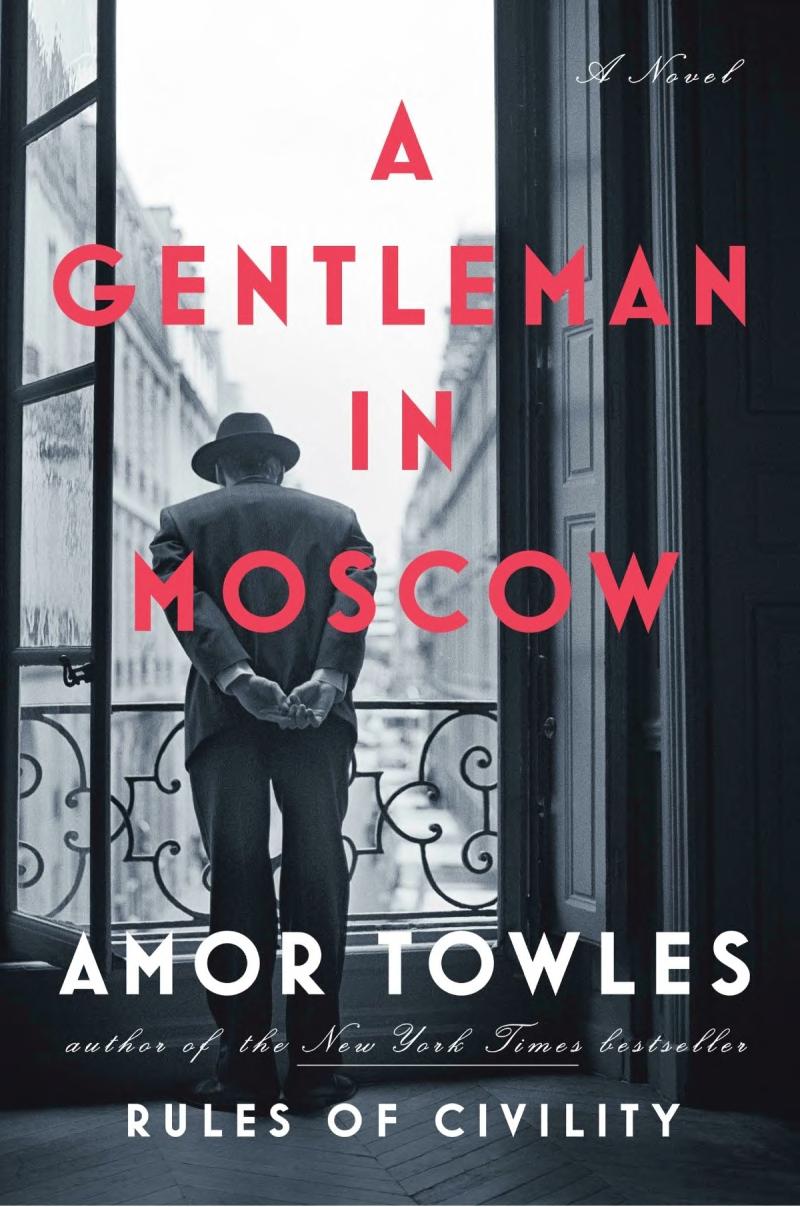
The Remains of the DayKazuo IshiguroIshiguro’s novel is the most technically specific demonstration on this list of what prose can do when the gap between what a narrator says and what a reader understands is the primary source of meaning. Stevens describes his life with the formal precision of a butler’s professional voice, and Ishiguro calibrates every sentence so that the reader perceives, in the gap between Stevens’s language and his experience, exactly what Stevens cannot allow himself to perceive. The prose is not beautiful in the conventional sense — it is deliberate, constrained, sometimes almost comic in its formality — but it is doing something that no other register could do: rendering a form of repression from the inside, so completely that the repression is the evidence for what is being repressed. StonerJohn WilliamsWilliams’s prose achieves the hardest thing available to literary fiction: making an ordinary life feel significant without sentimentalizing it or forcing meaning onto it. The sentences are plain — declarative, unornamented, precise — and the plainness is the style, the argument that William Stoner’s life deserves exactly this quality of attention, neither more nor less than what the prose gives it. Every passage in Stoner is written at the same level of quiet seriousness, which produces a cumulative effect that readers consistently describe as overwhelming despite — or rather because of — the absence of melodrama. The prose earns what the plot does not manufacture. BelovedToni MorrisonMorrison’s prose is the most formally ambitious on this list — sentences that move between past and present without announcement, free indirect style that shifts perspective mid-paragraph, a rhythm that operates closer to poetry than to conventional fiction. The prose is doing the argument: the non-linear movement between time periods is how traumatic memory actually works, and the reader’s experience of disorientation is the reader’s experience of what Sethe has been carrying. Morrison refused to make the experience comfortable through conventional narrative clarity, because the experience itself was not comfortable, and the prose insisting on its own difficulty is a formal enactment of that insistence. One of the few novels in American literature where the language itself is the primary instrument of moral reckoning. HamnetMaggie O’FarrellO’Farrell’s prose in Hamnet achieves something specific and rare: the rendering of physical sensation with enough precision that the reader experiences it rather than imagining it. The passages about Hamnet’s illness — the progression of plague through a body, the specific quality of light in the sickroom, the particular way a child moves when he is and is not himself — are written with an attention that makes the abstraction of loss into something the body registers. The prose never reaches for more emotional effect than the material requires, and this restraint is what makes the emotional effect so complete: nothing is manufactured because nothing needs to be. The Great GatsbyF. Scott FitzgeraldFitzgerald’s novel is the standard demonstration in American literature that lyricism can be an argument rather than decoration. The green light, the Valley of Ashes, the parties and the shirts and the sound of Daisy’s voice: all of these are described in prose that is formally beautiful and structurally precise at the same time, the beauty itself carrying the argument about what Gatsby’s dream costs and why it was always going to cost it. The famous final lines are the clearest example — sentences that are doing so much simultaneously that explaining what they mean requires more words than they contain. A novel that reads differently at every age because the prose is more complex than the story it carries. A Gentleman in MoscowAmor TowlesTowles writes sentences that are aware of themselves — elegant, slightly formal, pleased with their own precision — and the self-awareness is not vanity but character: the prose voice and Count Rostov’s voice are the same voice, which means the specific quality of the prose is the specific quality of a man who has decided to make art out of constraints. The writing is the character. This is the most readable novel on this list in the conventional sense, the one where the prose pleasure is also the narrative pleasure rather than working separately from it, and it makes the case most straightforwardly that great sentence-writing and great storytelling are not in competition. Who This Is For
Readers who read slowly by choice, who underline sentences, who have put down a book to reread a paragraph not because it was confusing but because it was exactly right — and who want fiction organized around that specific pleasure rather than around plot momentum. The literary fiction catalogue has more in this direction.
Frequently asked questions
Q: Is Beloved difficult to read because of its prose style?
A: It is demanding in specific ways — the non-linear movement between time periods, the shifts between perspectives, the passages of stream-of-consciousness narration associated with Beloved herself. Most readers find the difficulty navigable with patience, and many find that the disorientation is producing exactly the effect Morrison intended. Reading it once makes reading it again easier and more rewarding.
Q: Why is The Great Gatsby on this list when it’s one of the most widely read novels in American high schools?
A: Because most high school readings focus on the plot and the symbolism, not the prose, and the prose is where Fitzgerald is doing his most interesting work. Reading it as an adult, paying attention to how specific sentences are constructed and what they’re accomplishing, is often a completely different experience from reading it as an assigned text.
Q: Is Stoner actually sad or is that its reputation?
A: It is genuinely sad — not melodramatically but in the specific way that comes from watching a life rendered honestly across its full duration, including the parts that don’t resolve into meaning. What most readers find unexpected is how the sadness coexists with a quality of acceptance, as if Williams is holding Stoner’s life with the same equanimity with which Stoner holds his own.
Q: What is the connection between A Gentleman in Moscow and the other books on this list?
A: All six demonstrate that the prose register is inseparable from the character or argument being rendered. In Towles, the Count’s specific elegance and the specific elegance of the prose are the same quality. In Ishiguro, Stevens’s repression and the repression of the prose are the same quality. The argument these books share is that literary style is not a layer applied over content but the content’s primary instrument.
Not sure which of these is right for you specifically? The Pagesmith quiz matches you to books based on your mood, pacing preference, and reading goals, not bestseller lists. Takes two minutes.