7 Novels About Female Ambition You Need to Read
The novel of female ambition has a tension the male version doesn't: the protagonist is not just competing for scarce resources but competing in a world that decided in advance what she's allowed to want. These seven novels take that tension seriously rather than resolving it into triumph or instruction.
June 2026 · 7 min read · The Pagesmith
The novel of female ambition has structural features that distinguish it from its male counterpart. When Gatsby wants more, the obstacles are social: wrong class, wrong timing, a dream already past him. When Esther Greenwood wants more, the obstacles are systemic: a world that has decided in advance what she is allowed to want, that has constructed brilliant capable women into the role of helpmeet, and that responds to her refusal to fit not with simple social exclusion but with pathologization. The ambition in these novels always meets something additional — not just universal competition for scarce goods but the specific resistance of a world that has encoded the answer “not for you” into its architecture. What makes these seven essential is that they render that resistance honestly rather than resolving it into triumph or cautionary tale, and that they take female ambition seriously as a subject worth examining.
The Books
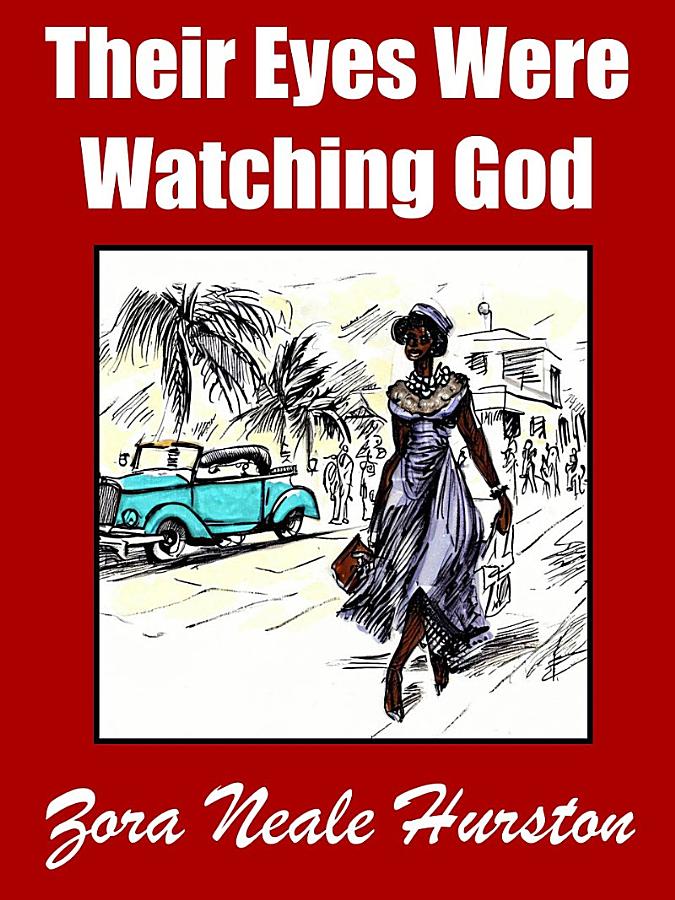
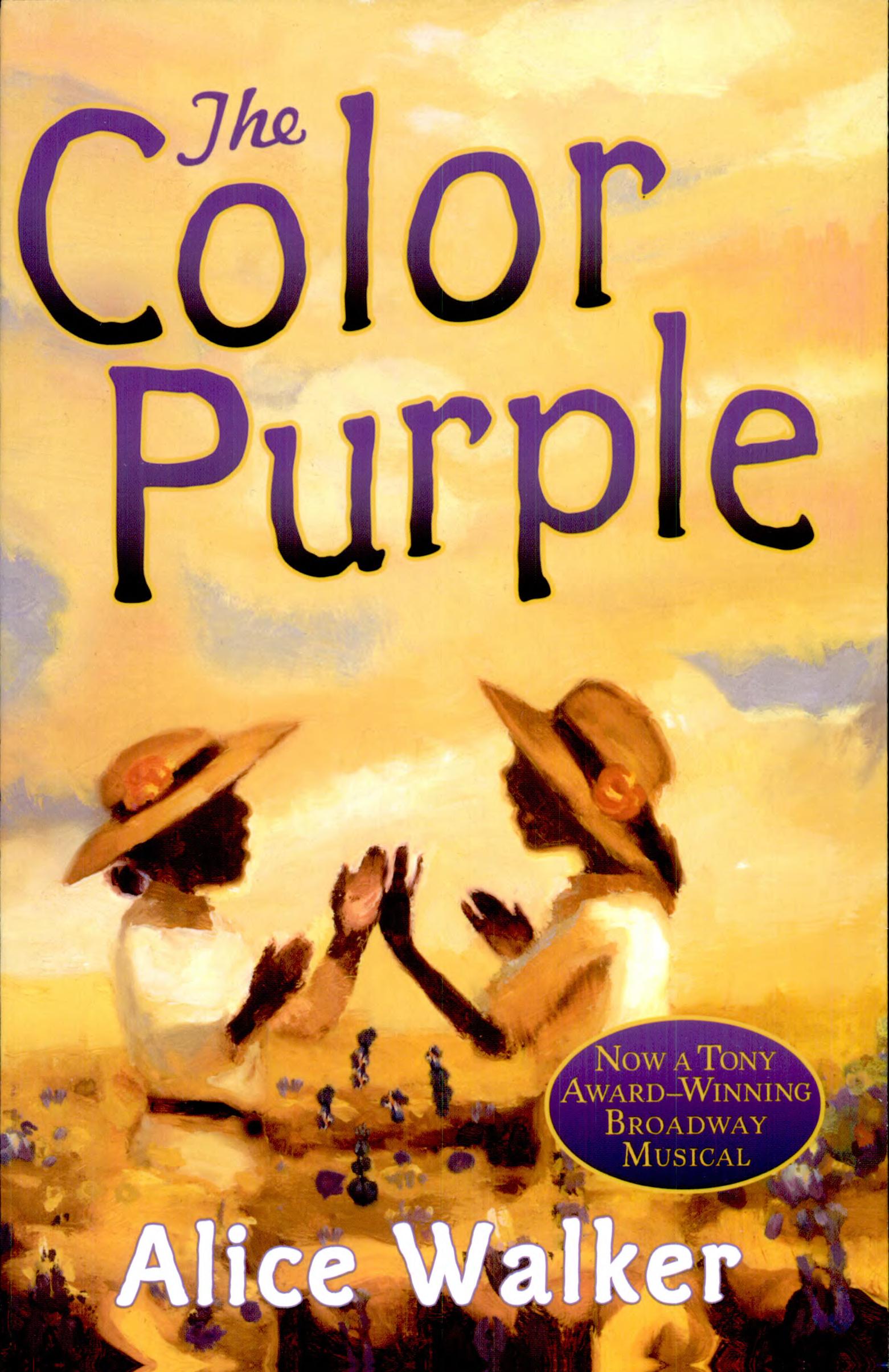
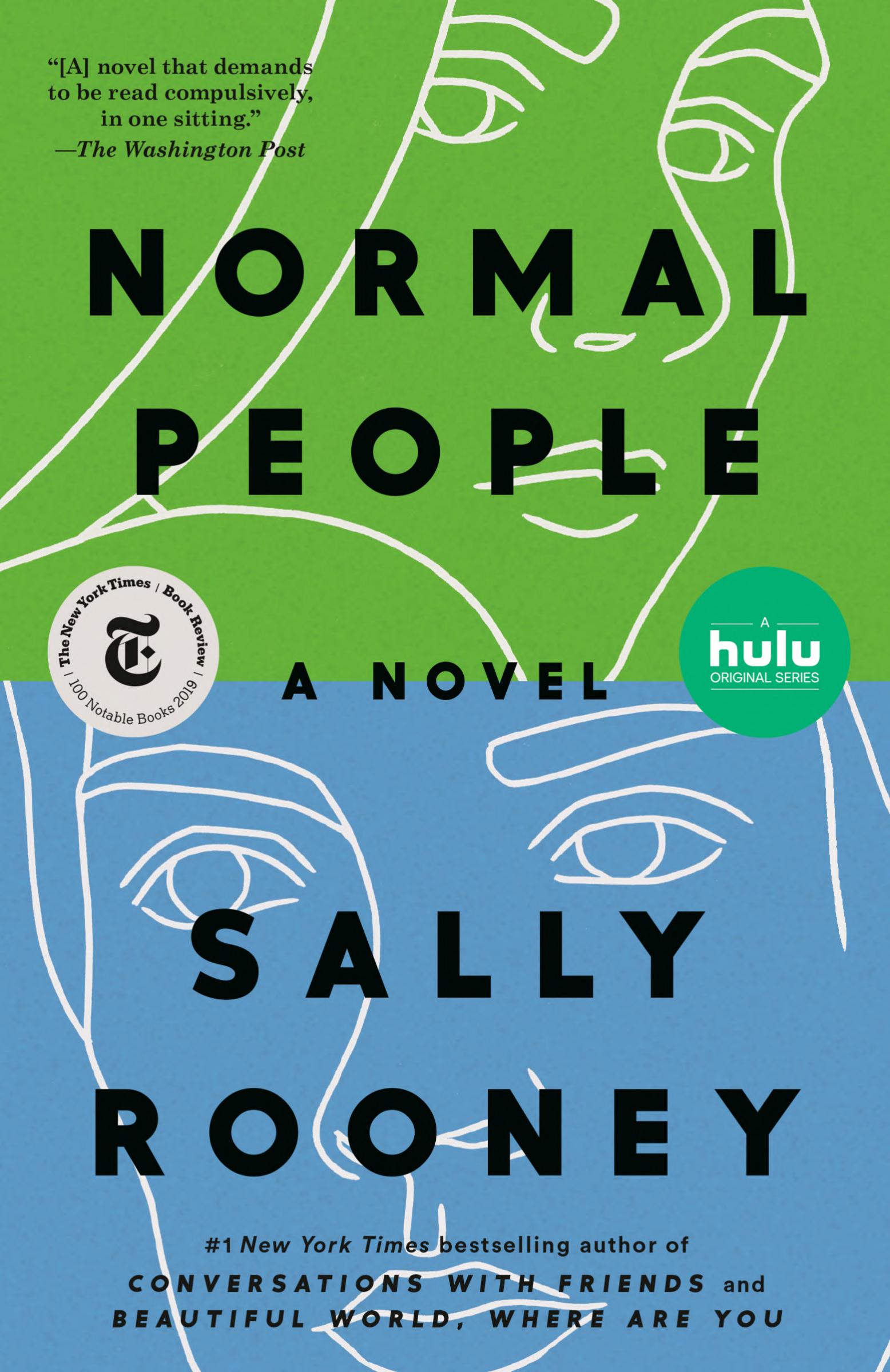
Their Eyes Were Watching GodZora Neale HurstonHurston’s novel frames Janie Crawford’s ambition not in terms of career or status but in the most elemental terms: a life that is actually hers. The horizon that recurs throughout — the image Janie carries from childhood of the blooming pear tree and the bee — is the image of a life organized around desire rather than around managing other people’s expectations. The novel’s structure, three marriages across Janie’s life, is organized around her gradual discovery of what she actually needs as opposed to what the people around her are prepared to offer. Hurston renders this not as self-help but as mythology, and the novel’s argument — that a Black woman in the rural South has the right to pursue it — is made not through argument but through the specific quality of Janie’s consciousness, which is more fully rendered than almost anyone around her. The Bell JarSylvia PlathThe essential text for the collision between female exceptionalism and the world’s response to it. Esther Greenwood has every marker of achievement — the scholarship, the internship, the talent — and discovers that the world she is entering has constructed her role in advance: wife, mother, support structure for men of equivalent capability. The bell jar descends not simply as mental illness but as the response of a specific consciousness to an impossible situation, a woman who cannot be the thing she is told to be and cannot yet see what else might be available. The novel’s ongoing urgency comes from how persistently recognizable this situation remains across the decades since it was written. The Color PurpleAlice WalkerWalker’s novel renders female ambition at its most foundational: Celie’s wanting, expressed through letters to God because she has been forbidden to tell anyone else, begins with the most basic things — to survive, to find her sister, to understand what her life means. The novel’s arc is the ambition narrative in its most elemental form, a movement from object to subject, from silenced to speaking, and Walker renders it through the same structure Hurston used: not a rise to social power but a recovery of the self that the surrounding world has worked to erase. The epistolary form is the argument — Celie’s voice, developing across the letters, is the evidence that the ambition was always there, waiting for conditions that would let it exist. AmericanahChimamanda Ngozi AdichieAdichie’s novel renders female ambition in its most globalized form: Ifemelu’s movement from Nigeria to America and back is organized around what kind of life she is actually allowed to build, and what categories — race, gender, immigration status — the world uses to answer that question without consulting her. Her blog, a structural device for some of the novel’s sharpest observations, is itself an act of ambition: a Nigerian woman explaining American race to Americans, which is not the role the American context has prepared for her. Adichie is interested in what it means to want a life on your own terms when “your own terms” doesn’t translate easily across the different worlds you inhabit. HomegoingYaa GyasiGyasi’s multigenerational novel renders female ambition across eight generations and two continents, which means rendering all the different historical forms that the structural opposition to female wanting has taken, from chattel slavery through Jim Crow to contemporary mass incarceration. Each generation of women in both family lines wants something specific to their moment and is blocked or enabled by the conditions of their moment. Gyasi shows how those conditions accumulate: what one woman could not achieve becomes the starting point for her daughter’s different aspiration, and the novel’s argument builds across eight chapters into something no single chapter could make alone — that the constraints on female wanting have been historically produced and can be historically changed. Conversations with FriendsSally RooneyRooney’s debut renders a contemporary version of the female ambition problem: Frances is intellectually and artistically serious, politically engaged, and entirely unclear about what she actually wants, partly because the world she inhabits doesn’t offer a clear framework for what a young woman like her is supposed to want in contemporary Dublin. The novel’s specific tension is not between Frances’s ambitions and social constraints but between her ambitions and her own self-understanding — she is too smart to accept the available scripts and not yet experienced enough to write her own. Rooney renders this not as immaturity but as an accurate portrait of a developmental phase in which capability exceeds clarity about what to do with it. Normal PeopleSally RooneyMarianne’s trajectory in Rooney’s second novel is the female ambition story in its most contemporary and most psychologically specific form: a girl who is exceptional in every way that matters — intellectually, aesthetically, morally — and who inhabits a social world that has no framework for that exceptionalism, so it reads her as simply strange. What Marianne wants is to be recognized by someone who actually sees her, which is the most basic ambition and the hardest one to achieve, and Rooney builds the entire novel around the one person — Connell — who comes close. The novel is organized around what happens when the world finally catches up to recognizing Marianne and what that recognition costs both of them. Who This Is For
Readers who want fiction that takes female ambition seriously as a subject — who are interested not in the inspirational version but in the honest account of what women have wanted, what the world has told them to want instead, and what happens at the collision between the two. The literary fiction catalogue has more in this direction.
Frequently asked questions
Q: Why are two of the seven books by Sally Rooney?
A: Because Rooney’s two novels are doing different versions of the same argument at different life stages. Conversations with Friends is about ambition without a clear object, capability in search of direction. Normal People is about the ambition for recognition, and what it means when the world that excluded you finally claims you. The two together cover ground that neither covers alone.
Q: Is Their Eyes Were Watching God appropriate for readers who haven’t read much American literature from this period?
A: Entirely. The dialect initially requires an ear adjustment for some readers, but most report that it becomes natural within the first chapter. The novel was written to be read and felt, not studied, and it functions that way for contemporary readers without any specialist knowledge.
Q: What makes The Bell Jar different from other novels about depression?
A: Plath is primarily interested in the systemic conditions that produced Esther’s breakdown, not the breakdown itself as a medical or psychological event. The novel is a diagnosis of a social situation, not a clinical portrait. This is why it has remained politically legible across six decades — the specific conditions Plath identified have changed in form but not in kind.
Q: What should I read after Homegoing if I want more Yaa Gyasi?
A: Transcendent Kingdom is her second novel, smaller in scale and more psychologically concentrated — a single contemporary mother-daughter relationship organized around faith, addiction, and scientific inquiry. As emotionally precise as Homegoing and a strong next step.
Not sure which of these is right for you specifically? The Pagesmith quiz matches you to books based on your mood, pacing preference, and reading goals, not bestseller lists. Takes two minutes.