Best Books About Brothers That Tell the Full Story
The brother relationship is the primary literary vehicle for the specific male dynamic that father-son and friendship models don't capture: two men who share an origin and compete from the same starting point toward the same limited goods. The best novels about brothers understand that the love and the competition are not separate forces but the same force.
June 2026 · 7 min read · The Pagesmith
The brother relationship has a structural feature that fiction has returned to across every tradition and every century: two people who share the same origin and the same family template, who have been shaped by the same parents and the same conditions, and who have become different people because of it. That difference is both the bond and the problem. Brothers know each other as no outsider can — they have the same reference points, the same formative experiences, the same familial inheritance — and that intimacy makes their differences more legible and more charged than differences between strangers. What Cain and Abel demonstrates, and what every brother story since has re-examined, is that the people who are most like us are not necessarily the ones who find our existence easiest to accommodate. The novels here are all organized around that specific dynamic. They are about love and competition that cannot be separated because they come from the same source.
The brother bond is the relationship of maximum similarity and maximum proximity — which is exactly why it produces both the deepest loyalty and the most personal injury. You cannot hurt a stranger the way you can hurt the person who shares your beginning.
The Books
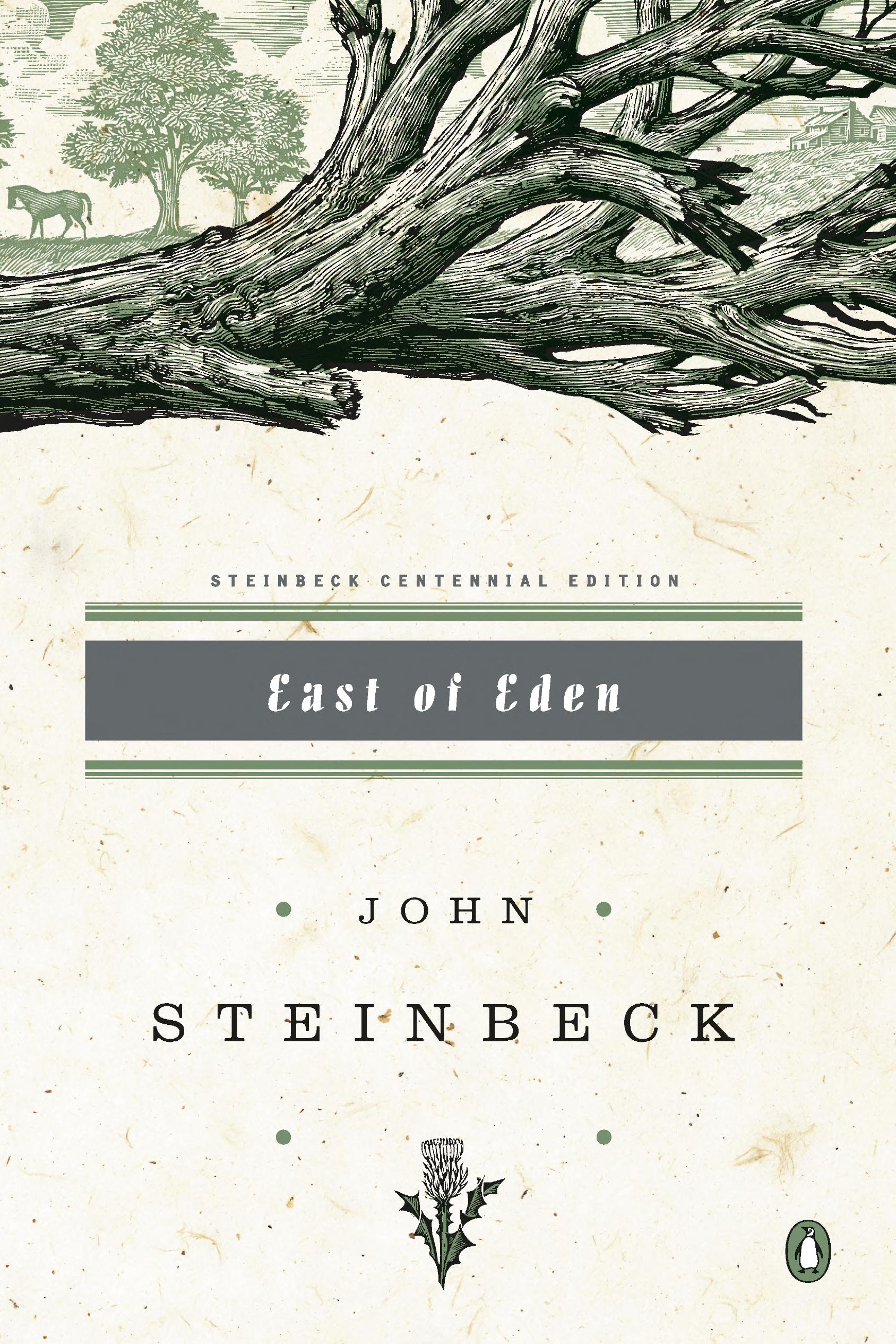
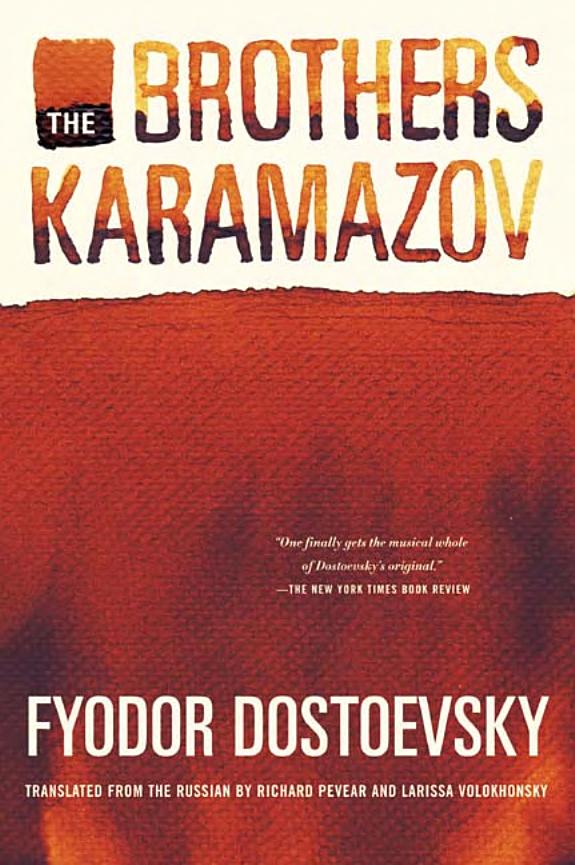
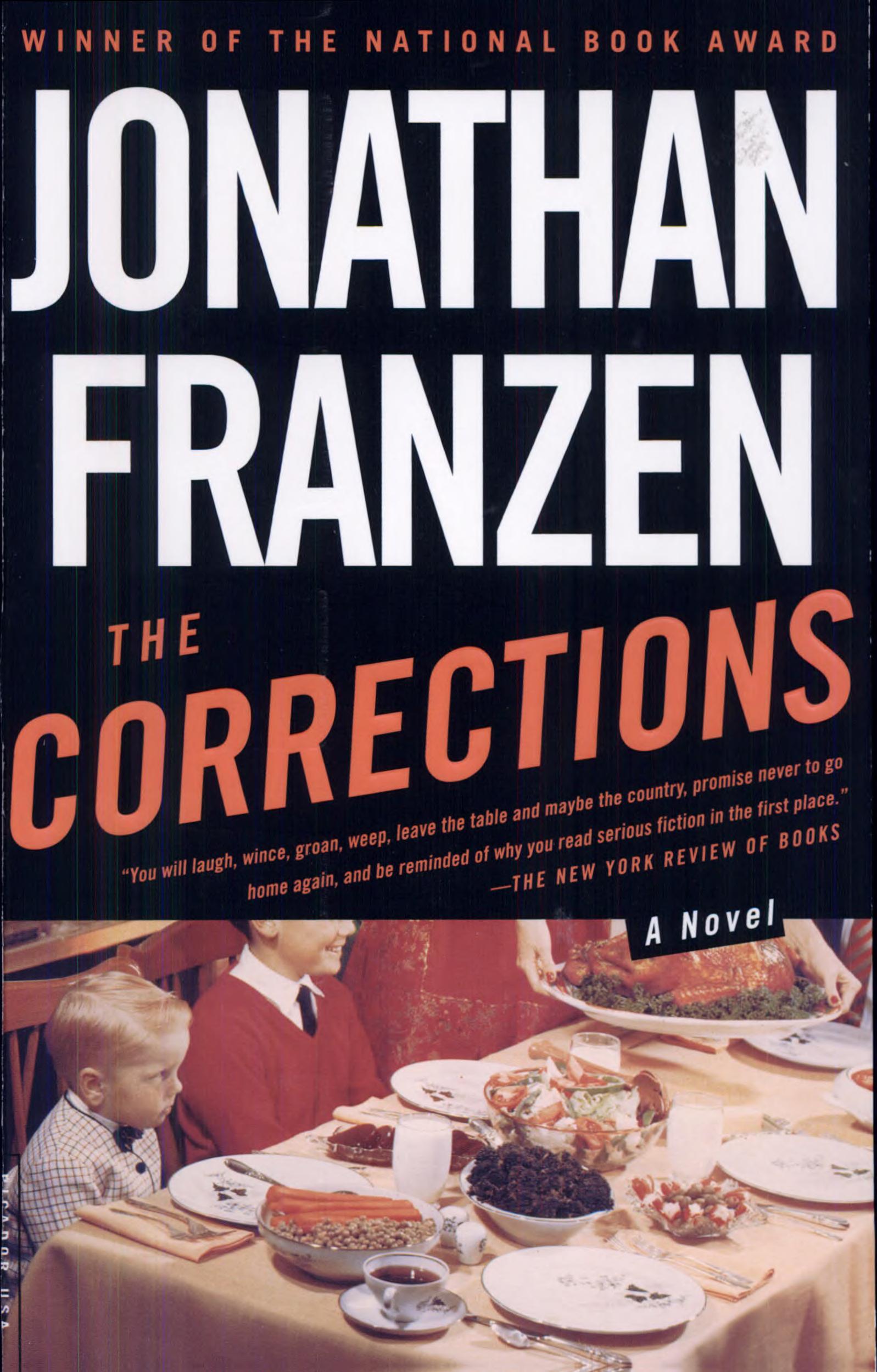
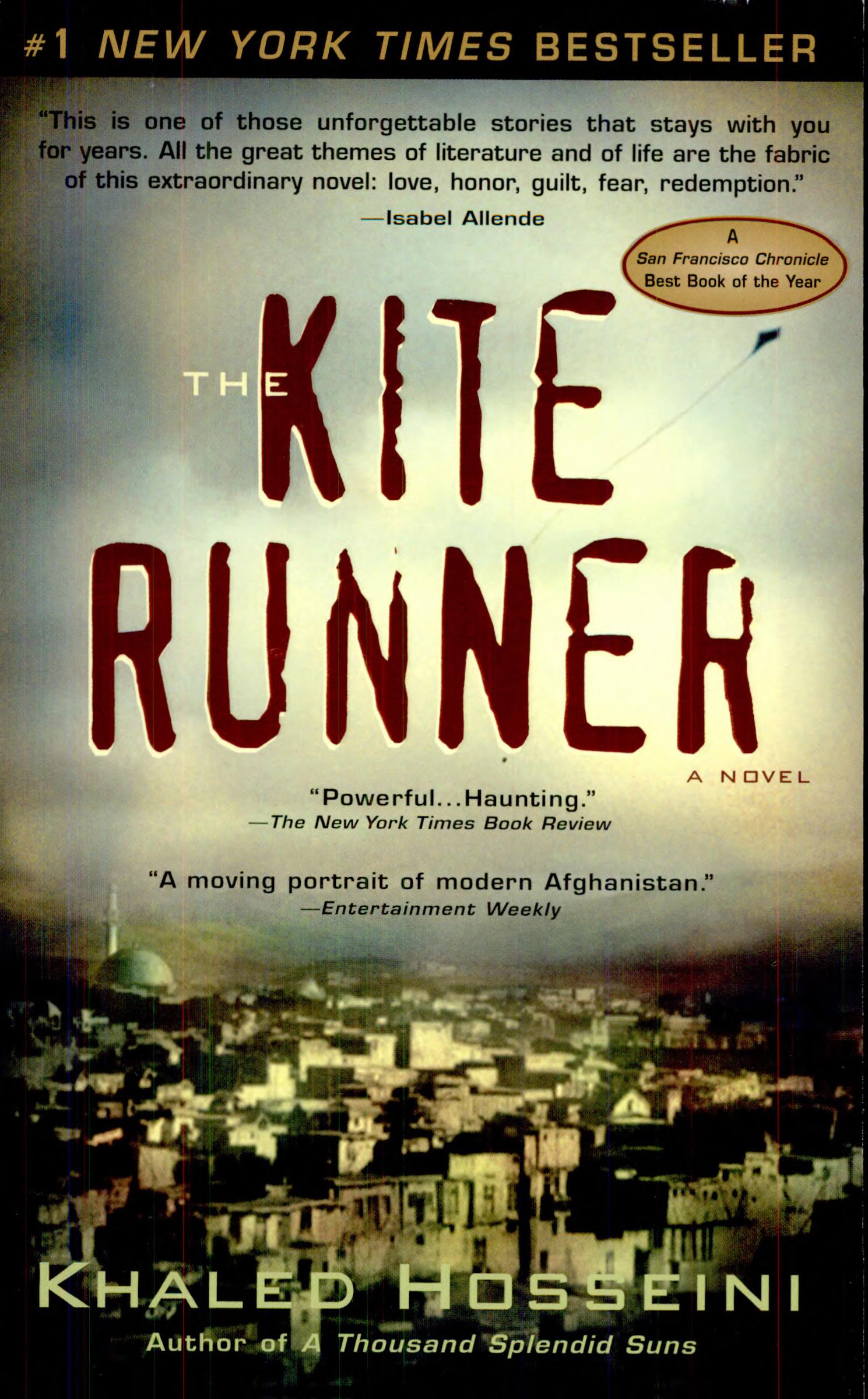
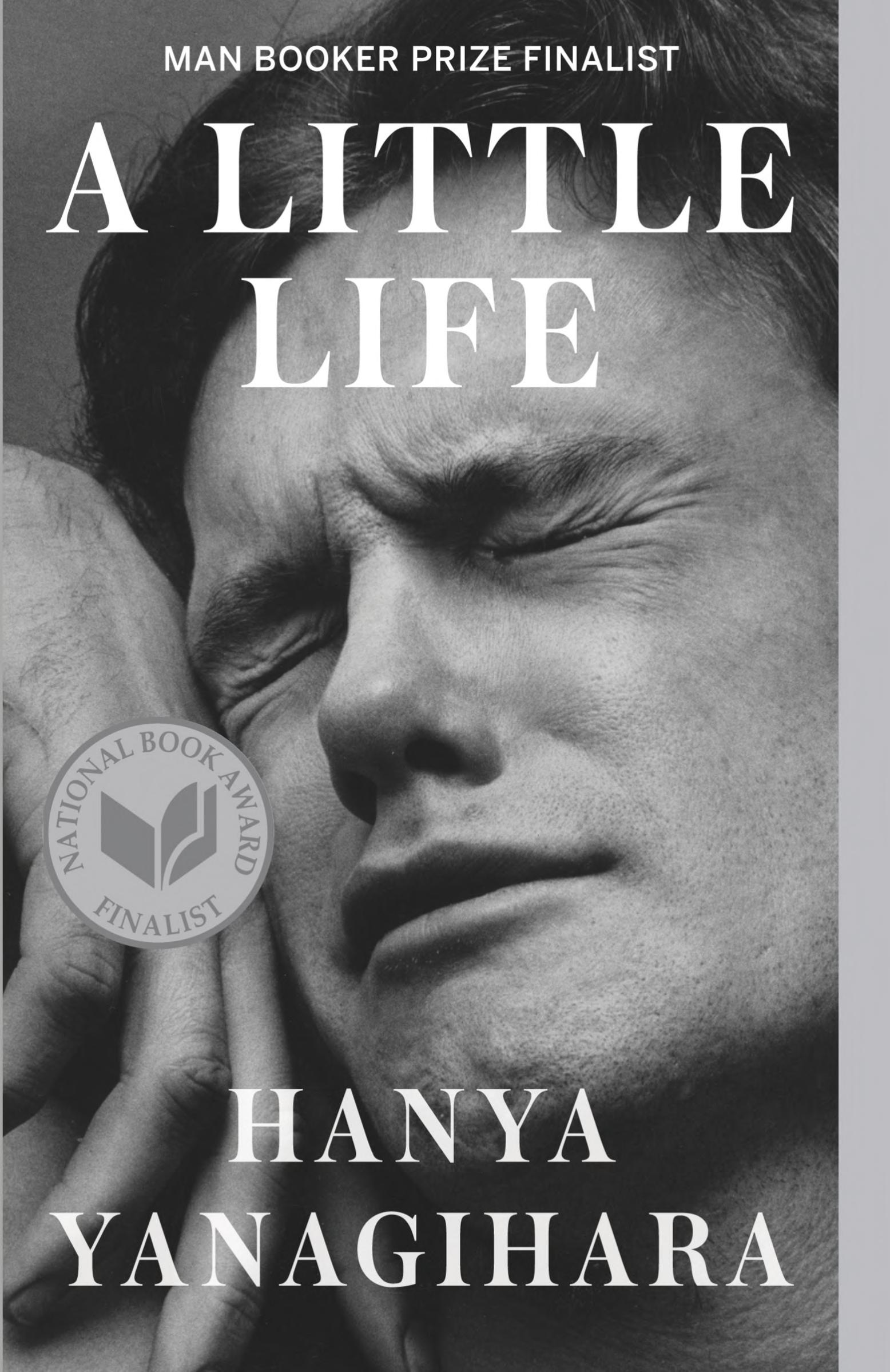
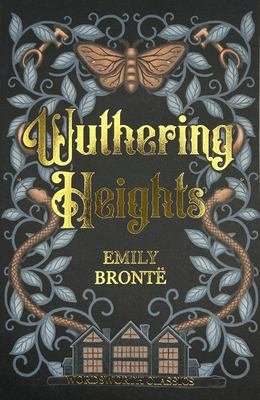
East of EdenJohn SteinbeckSteinbeck’s most ambitious novel retells the Cain and Abel story across two generations of California families, and his argument is the argument that makes brotherhood fiction meaningful: the pattern repeats not because of fate but because of something in the specific dynamic of parental preference and sibling competition that produces the same choices in different generations under different conditions. Cal Trask and Aron Trask are as different as Cain and Abel, and the parental attention their father Adam distributes unequally is as unintentional in its damage as any ancient curse. Steinbeck’s treatment of the Hebrew word “timshel” — the freedom to choose — is the novel’s ethical argument: the pattern can be broken, but breaking it requires a specific and difficult act of will. The Brothers KaramazovFyodor DostoevskyDostoevsky’s last novel is organized around three brothers who represent three incompatible ways of living: Dmitri’s passionate sensuality, Ivan’s intellectual atheism, Alyosha’s faith. The murder of their father becomes the event that tests all three frameworks, and Dostoevsky uses the trial and its aftermath to make the most complete argument in fiction about the relationship between reason, faith, and moral responsibility. The brothers’ relationships to each other — their mutual incomprehension, their moments of genuine connection, the specific way they carry their shared parentage differently — are as important as their philosophical positions, because Dostoevsky understood that ideas are not free-floating but are always carried by specific people with specific histories. The most philosophically ambitious novel about brothers and one of the most ambitious novels ever written. The CorrectionsJonathan FranzenFranzen’s Lambert brothers are the contemporary version: Gary and Chip’s relationship to each other is organized around the same parental attention and the same family template, and both men have become who they are partly in response to who the other one is. Gary’s self-righteous competence is partly a reaction to Chip’s failures; Chip’s disdain for conventional success is partly a reaction to Gary’s. Franzen renders the sibling dynamic as a system — each family member’s psychological position shaped by and shaping the others — and the novel’s treatment of the brothers’ different responses to their father’s decline is the most accurate available portrait of how adult siblings navigate the specific pressure of parental illness when they have never agreed on anything else. The Kite RunnerKhaled HosseiniHosseini’s novel is organized around a brotherhood that was never acknowledged as one: Amir and Hassan are best friends and, it eventually emerges, half-brothers — the same father, different mothers, different social positions in a Kabul organized around the Pashtun-Hazara hierarchy that made one of them a servant and the other his employer. The novel’s moral weight comes from Amir’s failure to protect Hassan in the alley, which is simultaneously a class failure and a brotherly failure, and the guilt he carries for decades is the guilt of having failed someone who was both friend and, in a sense he didn’t know at the time, kin. The full disclosure of the family secret recontextualizes everything that came before as a brother story rather than simply a friendship story. A Little LifeHanya YanagiharaYanagihara’s novel is about chosen brotherhood — four college friends who become a family of sorts, with all the obligations and the damage that the word implies. The relationship between Willem and Jude is the novel’s center, and it develops across decades into something that the novel eventually defines explicitly as a form of love, organized around the specific obligations of knowing someone’s history completely and choosing to remain alongside it regardless. The novel is included here not because it features biological brothers but because it is the most complete available treatment of what brotherhood requires when it is chosen rather than given — the sustained attention, the specific forms of witness, the impossibility of leaving — which is the same thing biological brotherhood requires, minus the involuntary beginning. Wuthering HeightsEmily BronteHeathcliff and Hindley Earnshaw are brothers by adoption, and their relationship is the clearest demonstration in Victorian fiction of the specific pathology of the brother dynamic under maximum duress: a foundling brought into the family who displaces the biological son in the father’s affections, and the biological son who spends his adult life making Heathcliff pay for the displacement he experienced as a child. Bronte refuses to adjudicate — both men have been genuinely wronged, both become genuinely monstrous, and the novel’s argument is that the logic of brotherhood grievance, when pursued without check across generations, consumes everything it touches. The darkest treatment of the dynamic on this list and the most honest about what the competition produces. Who This Is For
Readers who want fiction that takes the brother relationship seriously as a distinct and complex bond — who are interested in how shared origins produce both the deepest loyalty and the most personal damage, and who want novels organized around that dynamic at every scale from domestic realism to philosophical fiction. The literary fiction catalogue has more in this direction.
Frequently asked questions
Q: Is The Brothers Karamazov as difficult to read as its reputation suggests?
A: The novel is long (800 pages) and philosophically ambitious, but Dostoevsky is also a thriller writer and a comedy writer, and the narrative — the murder investigation, the trial, the interpersonal drama — is as propulsive as any nineteenth-century page-turner. The philosophical difficulty is concentrated in specific sections (the Grand Inquisitor chapter, Ivan’s arguments about suffering) that reward slow reading but do not block access to the rest. Most readers who commit to it find it far more readable than expected.
Q: Why is A Little Life on a list about brothers when the characters aren’t brothers?
A: Because the category “brother” describes a relationship structure — shared history, mutual obligation, the specific form of witness that comes from knowing someone completely — more than a biological fact. Willem and Jude develop a relationship that meets every criterion for brotherhood except the involuntary origin, and the novel is as complete a treatment of what that relationship requires as any novel featuring biological siblings.
Q: Is Wuthering Heights more about romantic love or the Heathcliff-Hindley dynamic?
A: Most readers and most adaptations have foregrounded the Heathcliff-Catherine romance, but the novel’s actual engine is the Heathcliff-Hindley dynamic — the original displacement that motivates everything Heathcliff subsequently does. The romance is the form Heathcliff’s dispossession takes; the source of the dispossession is the brother relationship. Reading it with that emphasis in mind changes the novel considerably.
Q: What should I read after East of Eden if I want more Steinbeck?
A: The Grapes of Wrath is his other major novel and shares East of Eden’s interest in family survival under economic pressure, though the focus is on the parent generation rather than the sibling dynamic. Of Mice and Men is shorter and more concentrated, organized around a friendship that functions as a chosen brotherhood under different circumstances.
Not sure which of these is right for you specifically? The Pagesmith quiz matches you to books based on your mood, pacing preference, and reading goals, not bestseller lists. Takes two minutes.