Best Books About Medicine That Read Like Literature
The best medical writing earns its place not by translating jargon but by addressing the questions medicine raises about mortality, identity, and what it means to inhabit a body -- questions that literature is precisely equipped to explore. These six books sit at that intersection.
June 2026 · 7 min read · The Pagesmith
Medicine and literature share a subject: the human body and what happens to it. What separates the best medical writing from popular science is the same thing that separates the best literary fiction from genre fiction — a willingness to stay with the questions that do not resolve, to render difficulty with honesty rather than converting it into information or uplift. The books here are not organized around medicine’s triumphs. They are organized around its limits: the things it cannot fix, the decisions it cannot make, the questions about what constitutes a life worth living that no diagnostic tool can answer. Some are memoirs, some are biography, one is a novel. All of them understand that the most important things medicine deals with — mortality, suffering, what we owe each other in extremis — are not medical questions but human ones, and that literature is better equipped to address them than any clinical framework.
Medicine can describe what is happening to a body. What it cannot do is say what that means for the person whose body it is — what they should value, how they should spend the time they have, what a good death looks like. Those are literary questions, and the books here are interested in them as such.
The Books
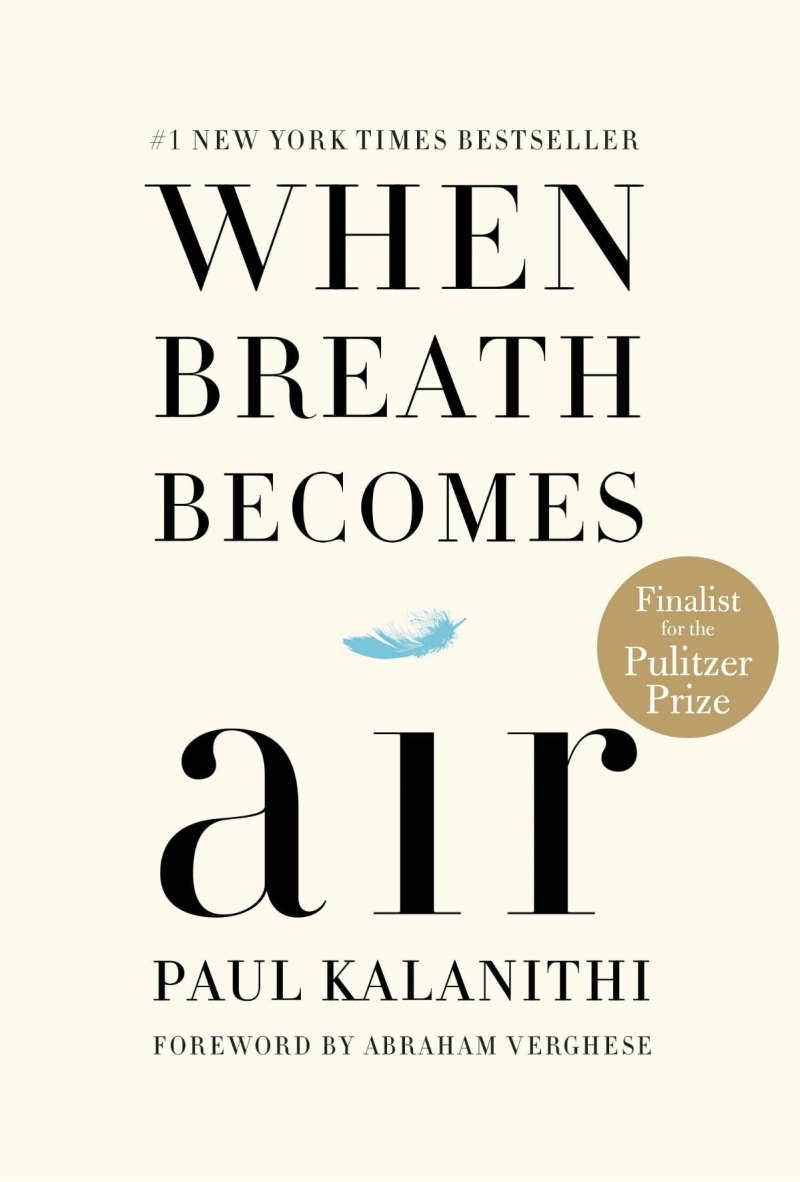
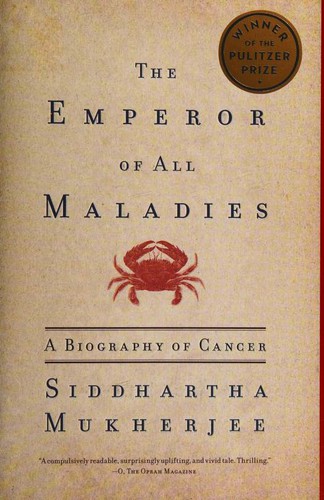
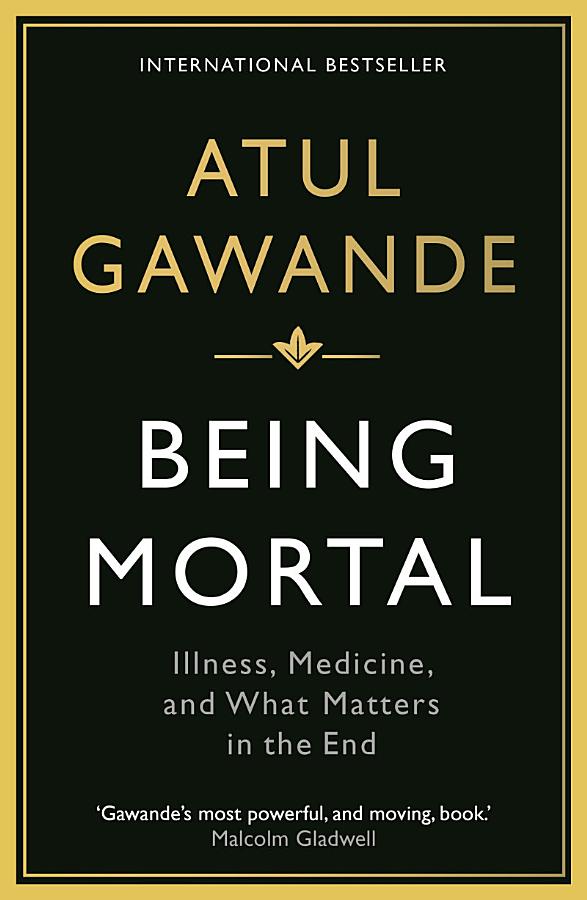
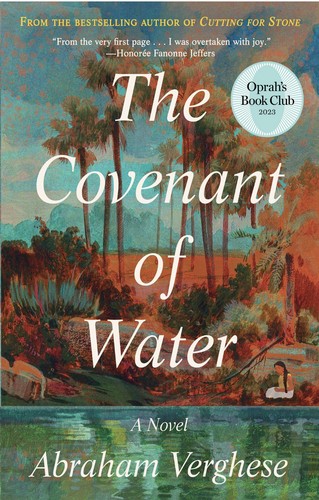
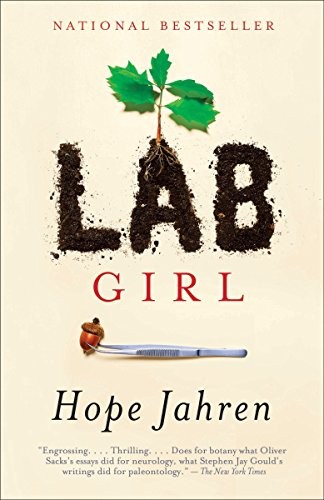
When Breath Becomes AirPaul KalanithiKalanithi’s memoir is organized around the question that most medical writing avoids: not what should be done but what makes a life meaningful when the time to pursue meaning is running out. A neurosurgeon in the final months of terminal cancer, Kalanithi writes from the specific position of someone who has spent his career thinking about consciousness and mortality and is now the patient whose consciousness and mortality are at issue. The memoir is unfinished — he died before completing it — and his wife Lucy’s epilogue brings the book to a close with the same quality of honest attention Kalanithi sustained throughout. One of the most widely recommended books in medicine, and the most personal account available of what it means to inhabit both sides of the clinical relationship. The Emperor of All MaladiesSiddhartha MukherjeeMukherjee’s biography of cancer is the most sustained demonstration available that a scientific subject can be rendered with full literary ambition without sacrificing either scientific or narrative integrity. The book follows cancer from ancient Egypt through the present, organizing a vast amount of scientific and clinical history into something that reads like a Victorian novel: propulsive, character-driven, organized around the relationship between human aspiration and human limitation. Mukherjee is as interested in the oncologists and patients as in the disease itself, and his writing about the specific texture of cancer’s history — the false dawns, the genuine breakthroughs, the human cost of both — is some of the most precise and most moving medical writing published in this century. Pulitzer Prize winner. Being MortalAtul GawandeGawande’s book addresses the question that modern medicine has most consistently failed to ask: not what can be done but what should be, and what do patients actually want from the time they have left. Working from his own family’s experience of his father-in-law’s decline alongside research into end-of-life care, Gawande argues that the medical system has been organized around the prolongation of life rather than the quality of it, and that what most dying people actually want — autonomy, comfort, the ability to spend their remaining time meaningfully — is systematically failed by the framework medicine has built. The book changed end-of-life conversations in American medicine. The most practically important book on this list. The Covenant of WaterAbraham VergheseVerghese’s novel is the fiction entry on this list and the most direct demonstration that medicine can be the subject of serious literary fiction rather than just popular nonfiction. His Kerala family saga, spanning three generations, has a physician as one of its central figures, and the medical work Verghese renders — leprosy, surgery, the specific texture of clinical care in South India across the twentieth century — is as fully realized as the family drama it runs alongside. Verghese, himself a physician, writes medicine with the same authority he brings to the natural world and the family relationships, which means the novel does something most medical fiction doesn’t: it makes the work itself interesting, not just the human stakes attached to it. Lab GirlHope JahrenJahren’s memoir alternates between her life as a geobiologist and chapters about plants — their strategies for survival, their relationship to time, the specific intelligence encoded in their biology — and the alternation is the argument: a scientist’s life and the scientific work are the same life, not two separate tracks. The book belongs on this list because Jahren writes about science with the same emotional precision and the same willingness to stay in difficulty that the other books here bring to medicine specifically. Her account of her own mental health alongside her research career is one of the most honest available in scientist memoir, and the prose — warm, specific, occasionally incandescent — makes the science feel like something the reader is discovering rather than receiving. Never Let Me GoKazuo IshiguroIshiguro’s novel belongs on this list because it asks the medical ethics questions that medical ethics journals ask but through an experience rather than an argument. The clones at Hailsham who have been raised to provide organs are the vehicle for a set of questions — about what kinds of lives matter, about consent, about what we owe to people whose utility to us is the reason we permit their existence — that medicine has not yet fully resolved. Ishiguro is not writing a political tract; he is making the questions feel rather than just understood, and the novel’s quiet, accepting narrator is the formal device that makes this work: Kathy’s lack of protest is not passivity but the thing the novel is asking the reader to reckon with. Who This Is For
Readers who want books that engage honestly with what medicine actually does and doesn’t do — with mortality, with the limits of intervention, with what patients and families actually experience at the edge of clinical care — and who want that engagement delivered through literary writing rather than through clinical or self-help frameworks. The nonfiction catalogue has more in this direction.
Frequently asked questions
Q: Is Being Mortal primarily for people dealing with end-of-life situations personally?
A: It is most immediately useful for people navigating those situations, but it reads as a more general argument about what we owe each other in extremity, and most readers who are not in that situation personally find it one of the most important books they’ve read about how we want to live. The book is both practically helpful and philosophically serious.
Q: Does The Emperor of All Maladies require scientific background to follow?
A: No — Mukherjee explains the science with the care of a writer who understands that most of his readers are not oncologists, and the book’s primary pleasures are narrative and historical rather than technical. Readers with scientific backgrounds report finding it as engaging as readers without them; the scientific knowledge adds texture but isn’t required.
Q: Is Lab Girl relevant for readers who aren’t interested in plants or geology?
A: Jahren herself is the subject of the book as much as the science, and the chapters about her scientific life — the funding struggles, the fieldwork, the specific quality of intellectual obsession that research requires — are as engaging to non-scientists as to scientists. The plant chapters take some readers more time, but most report that Jahren’s prose makes them interested in things they had never thought to care about.
Q: What should I read after When Breath Becomes Air?
A: Being Mortal addresses the same end-of-life territory from the physician-researcher perspective rather than the patient perspective. The Year of Magical Thinking by Joan Didion approaches the experience of sudden loss with comparable literary seriousness from the perspective of the person left behind.
Not sure which of these is right for you specifically? The Pagesmith quiz matches you to books based on your mood, pacing preference, and reading goals, not bestseller lists. Takes two minutes.