The Best Books for Winter Reading
Winter reading is a distinct subcategory. Not just books that happen to be atmospheric, but books suited to the specific quality of attention that short days and long evenings produce -- the patience for immersion, the appetite for a world to live inside when the one outside has gone grey and cold.
June 2026 · 7 min read · The Pagesmith
There is such a thing as a summer book and such a thing as a winter book, and the distinction is not just about mood. Summer reading asks for forward momentum — the beach read that keeps you turning pages through an afternoon. Winter reading asks for immersion — the book you live inside across weeks of short days, the world rendered so completely that the grey outside becomes irrelevant because you are somewhere else entirely. The books here share specific qualities that make them winter books in this strong sense: they reward patience rather than speed, they build worlds with enough density that the reader genuinely inhabits rather than observes them, and they tend toward the atmospheric and the interior rather than the action-driven. They are also, almost without exception, books where the cold and the dark are part of the setting rather than incidental — places where winter is as present as any character, doing its own kind of work.
A winter book is not simply a dark book or a slow book. It is a book that matches the specific quality of attention winter produces — the willingness to stay inside something, to let a world accumulate around you, to be patient with beauty that takes time to become visible.
The Books
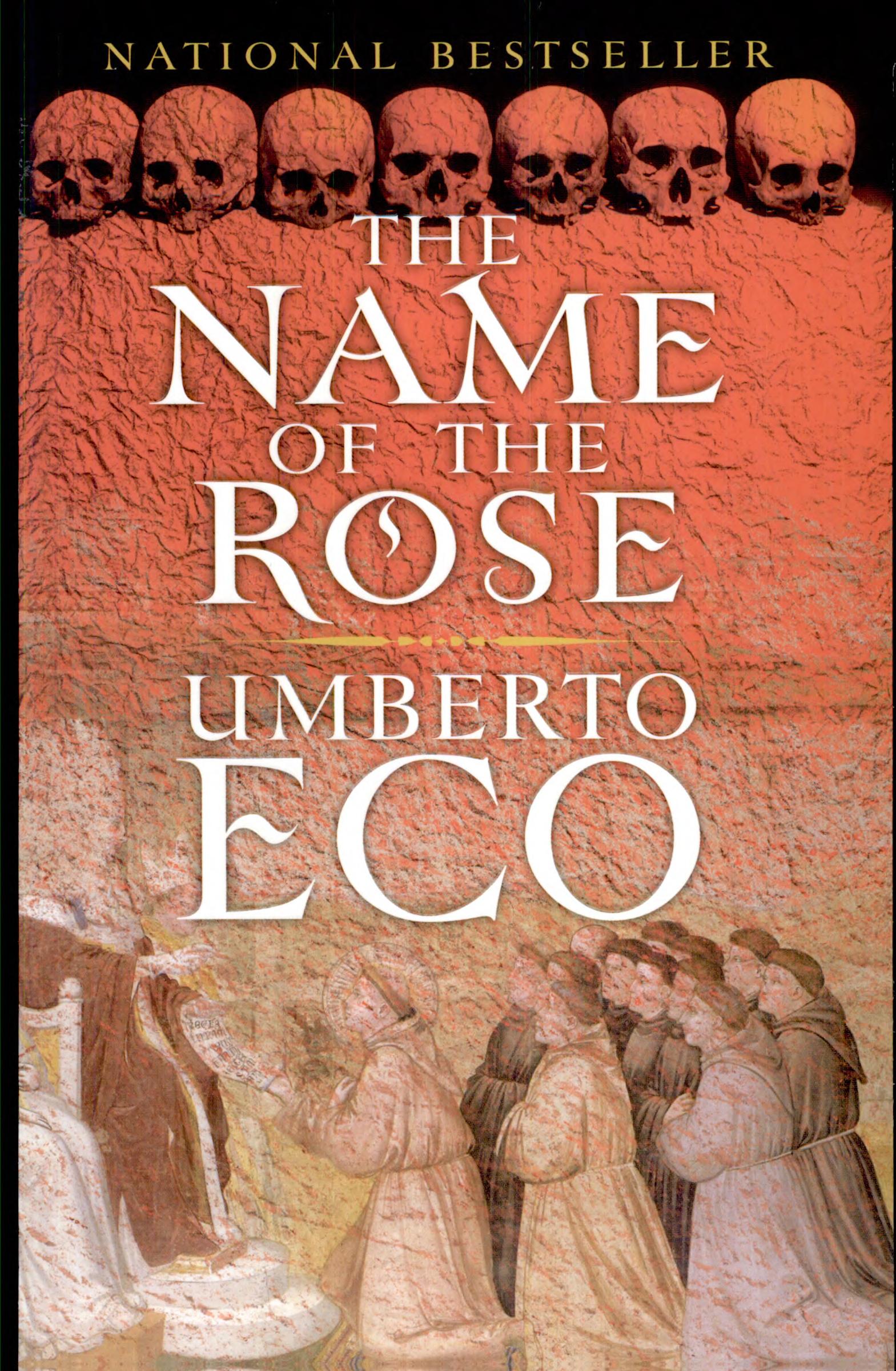
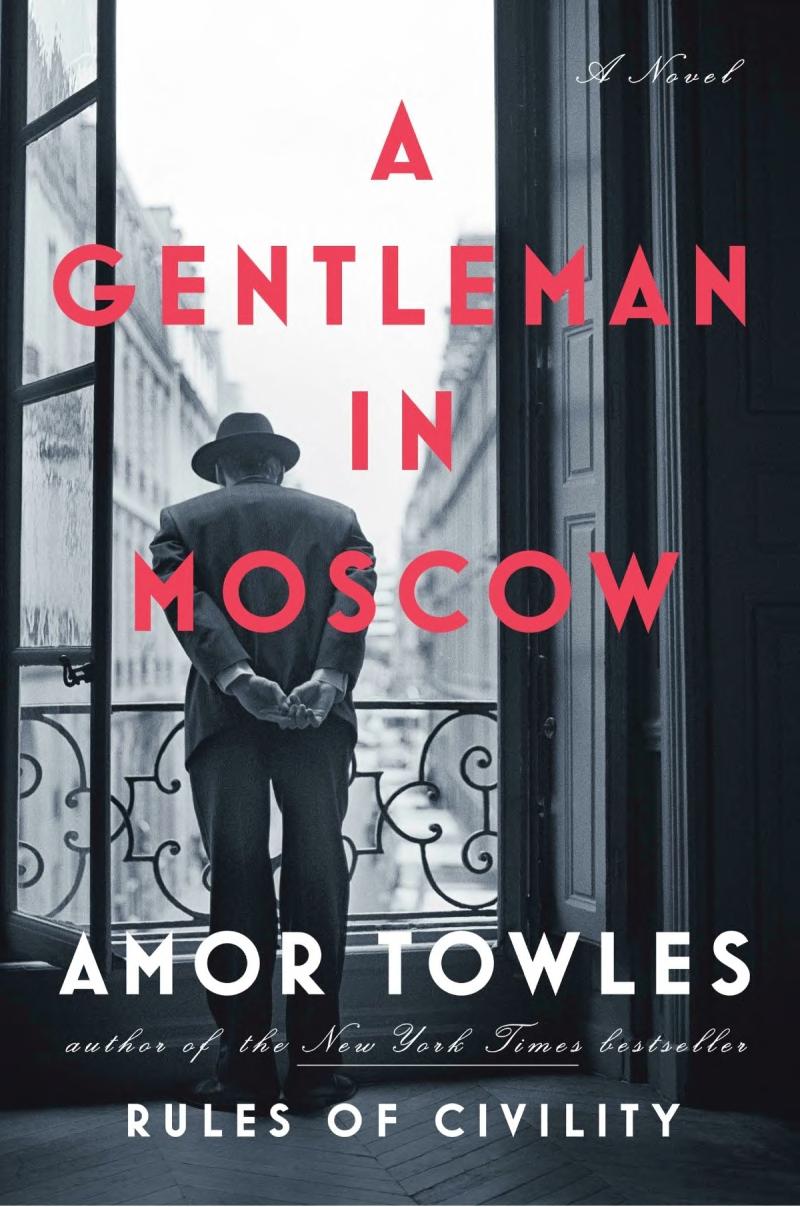
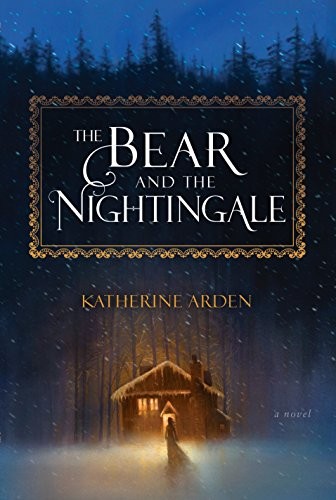
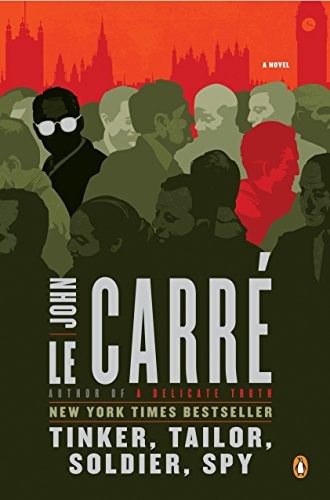
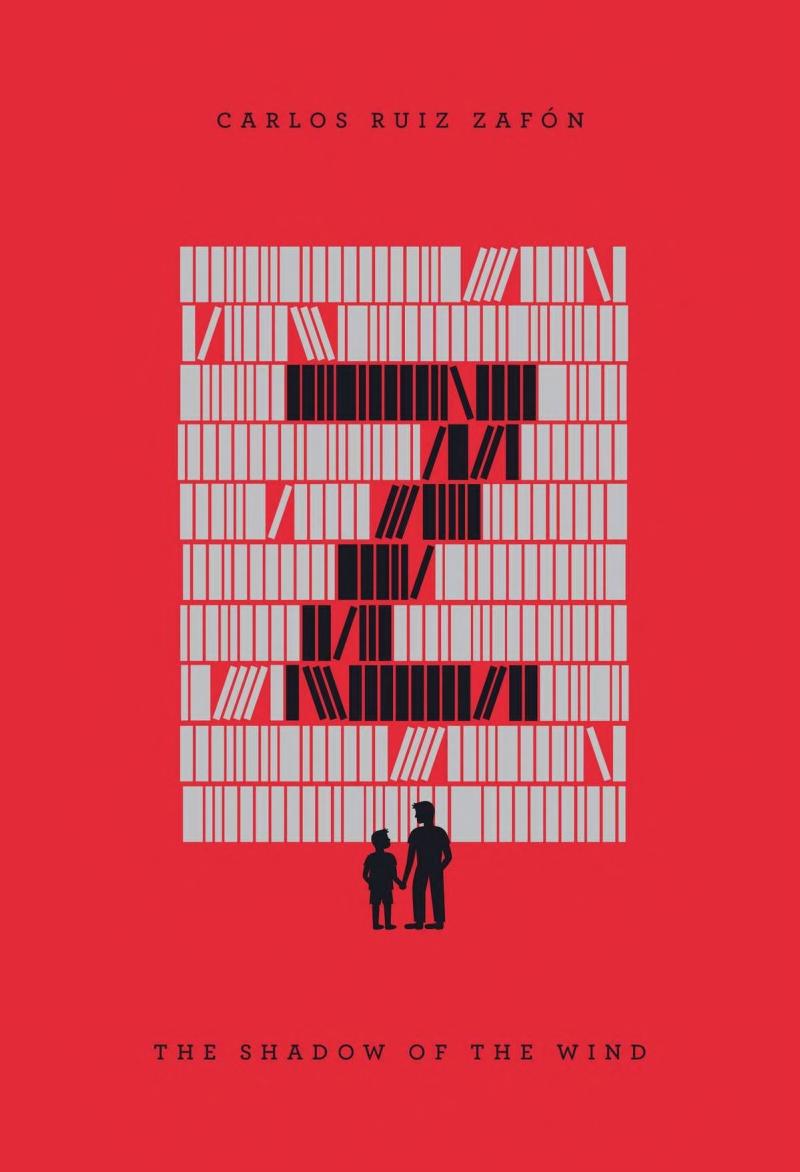
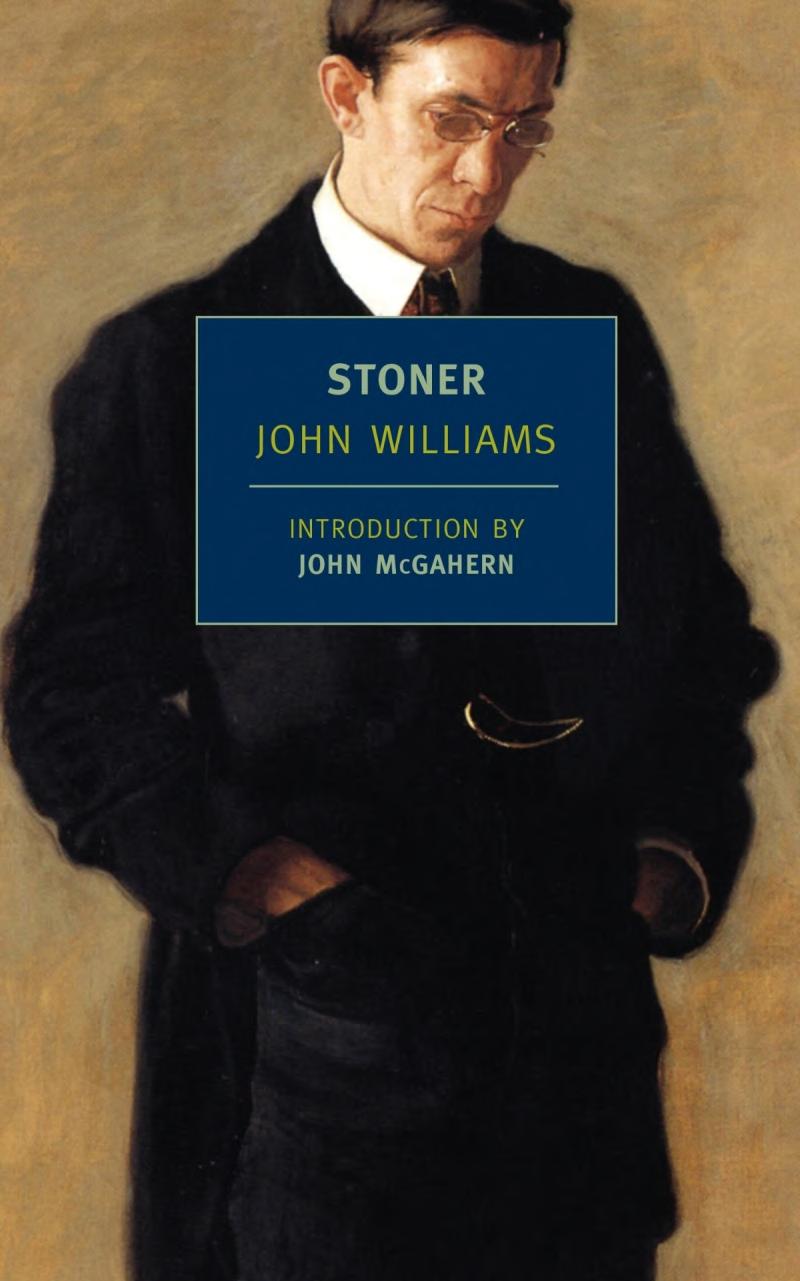
The Name of the RoseUmberto EcoEco’s medieval monastery mystery is one of the great winter books — not simply because the setting is cold and stone-walled and candlelit but because the novel’s pace, its willingness to digress into theology and semiotics alongside the murder investigation, is exactly the pace that winter reading rewards. The opening pages, which some readers find slow, are establishing a world with enough density that everything that follows has genuine weight. This is a book that requires the reader to settle in, to accept that the pleasure is cumulative rather than immediate, and that acceptance is itself the winter reading disposition. The labyrinthine library, the manuscript, the fog around the abbey: all of these are correct for January. A Gentleman in MoscowAmor TowlesTowles’s novel is set almost entirely indoors — in the Hotel Metropol, during the long decades of Count Rostov’s house arrest — which makes it paradoxically perfect for the season when most of us want to be indoors. The novel’s pleasure is the pleasure of confinement rendered richly: a small world made complete, a life organized around the particulars available within constraints. The prose is warm in the specific sense that it makes the reader feel looked after, and the novel’s relationship to time — decades passing through seasons, each winter and summer and spring bringing new changes to the hotel and to the Count — is exactly right for reading through the long dark months with the sense that time, however slowly, is moving forward. The Bear and the NightingaleKatherine ArdenArden’s Russian folklore fantasy is the most literally winter book on this list: the Russian winter is the novel’s primary atmosphere, rendered with enough physical specificity that the reader feels the cold and the dark and the specific quality of life in a medieval Russian village where winter is long and the spirits that inhabit the forests are real. The novel’s central tension — between Vasya’s connection to the old spirits and the new Christianity determined to replace them — is inseparable from the season: the frost demon Morozko, the household spirits that need to be fed through the winter, the specific danger of the cold for people who cannot afford to give the spirits what they need. The most immersive world-building on this list and the most correct for reading under a blanket in January. Tinker Tailor Soldier SpyJohn le CarreLe Carre’s Cold War spy novel is grey in the specific way that winter is grey: the atmosphere is not dramatic but sustained, a world of institutional loyalty and institutional betrayal rendered through Smiley’s patient investigation across grey London and greyer European cities. The novel rewards exactly the kind of attention winter reading produces — slow, accumulative, willing to hold many things in mind at once without demanding immediate resolution. Le Carre builds meaning the way winter builds toward spring: through incremental change that is barely visible day to day but unmistakable across weeks. The perfect companion for a January evening when the world outside is cold and the central heating is working and there is nowhere you need to be. The Shadow of the WindCarlos Ruiz ZafonZafon’s Barcelona is winter Barcelona: fog in the streets of the Gothic Quarter, the Cemetery of Forgotten Books accessible only to those who know where it is, a mystery about a dead novelist that accumulates across decades. The novel is Gothic in the precise sense — a world where the past is physically present, where certain buildings and certain books carry weights that ordinary daylight would dissolve but that the atmospheric density of Zafon’s prose preserves. The pleasure of reading The Shadow of the Wind is the pleasure of being inside an atmosphere that has been constructed with enough care that leaving it, at the end of a reading session, requires a moment of adjustment. Correct for any evening when you want to be somewhere other than where you are. StonerJohn WilliamsWilliams’s novel moves through seasons with the same unhurried attention it brings to everything else, and the Missouri winters — the campus under snow, the specific quality of academic life in the cold months, the particular insulation that a university provides against the world outside — are rendered with the same plainness and the same precision as Stoner’s entire life. The novel is a winter book not because it is cold in tone but because it is slow in the way winter is slow, asking the reader to be present across time rather than through incident, to find the meaning in the accumulation of ordinary days rather than in any single event. The best novel on this list for readers who want a winter that earns its length. Who This Is For
Readers who want books suited to the specific disposition of winter — the patience for immersion, the appetite for a world to inhabit when the one outside is cold and dark, the willingness to read slowly. Also readers who find themselves rereading summer reads in winter and wondering why they don’t quite work, and who want books designed for the quality of attention the season naturally produces. The literary fiction catalogue has more in this direction.
Frequently asked questions
Q: What makes a book a “winter book” specifically?
A: Winter books tend to share several qualities: they are immersive rather than fast-paced, they build worlds through accumulation rather than action, they reward the sustained attention that long evenings make available, and they are often atmospheric in ways that match the season — dark, interior, patient. Books that are propulsive and plot-driven tend to be summer books; books that require settling in tend to be winter ones. Both are legitimate reading experiences; the category is about the match between book and season rather than quality.
Q: Is The Name of the Rose actually accessible to modern readers?
A: The first section — the arrival at the monastery and the initial establishment of the medieval world — requires patience. Readers who get through the first fifty pages consistently find the novel becomes more propulsive as the investigation develops and the labyrinthine library becomes central. The theological and semiotic digressions are the most demanding element, and some readers skim them on first reading; the mystery mechanics work independently of them.
Q: Is The Bear and the Nightingale part of a series?
A: It is the first of the Winternight Trilogy, followed by The Girl in the Tower and The Winter of the Witch. The first novel is entirely self-contained; the sequels continue Vasya’s story across the same Russian folkloric world. Each book deepens the world and the characters rather than simply extending the plot.
Q: Can these books be read in summer?
A: Of course — the “winter reading” category is a recommendation about match rather than a prescription. That said, most readers who have read these books in both seasons report that they work better in winter: the cold and the dark outside and the immersive world inside produce a specific reading experience that summer’s energy and light disperses.
Not sure which of these is right for you specifically? The Pagesmith quiz matches you to books based on your mood, pacing preference, and reading goals, not bestseller lists. Takes two minutes.