Books Like Middlemarch for Readers Ready for the Real Thing
Middlemarch holds an entire provincial community in mind simultaneously while never losing the particular -- it knows what every character believes about every other character, and it renders the web of mutual misunderstanding and occasional genuine recognition with a moral intelligence that no shorter, simpler novel can replicate. These are the books that belong in that company.
June 2026 · 8 min read · The Pagesmith
Middlemarch has been called, more than once and by more than one serious reader, the greatest novel in English. The claim is defensible not because it is the most exciting or the most beautiful or the most formally innovative, but because it does something that seems technically impossible: it holds an entire social world — the fictional town of Middlemarch in the English Midlands, circa 1830 — in mind simultaneously, tracking the relationships, assumptions, ambitions, and self-deceptions of dozens of characters across several years, while maintaining the specific moral intelligence of a narrator who understands all of them better than they understand themselves and loves them anyway. That combination — total comprehension and continued compassion — is what Eliot achieved and what the books here, in different ways, aspire to. They are novels that take the full weight of human social existence as their subject and find formal structures adequate to that ambition.
What “Novel of Total Moral Intelligence” Means
The novels here share a quality that is easier to recognize than to define: the sense that the narrator has thought about these people and their world more completely than any individual character can think about themselves, and that this thinking is organized not around judgment but around understanding. George Eliot’s famous observation that “the growing good of the world is partly dependent on unhistoric acts” is not a consolation for failure; it is the novel’s argument, and every character in Middlemarch is evidence for it in one direction or another. The books here all have narrators or forms that achieve something similar: a relationship to their characters that is more comprehensive than any character’s relationship to themselves, and that uses that comprehensiveness in service of understanding rather than verdict.
The great Victorian novel is not great because it is long. It is great because it earned the length — because the ambition it is pursuing requires exactly as much space as it takes, and because the space is filled with something that no shorter version could contain.
The Books
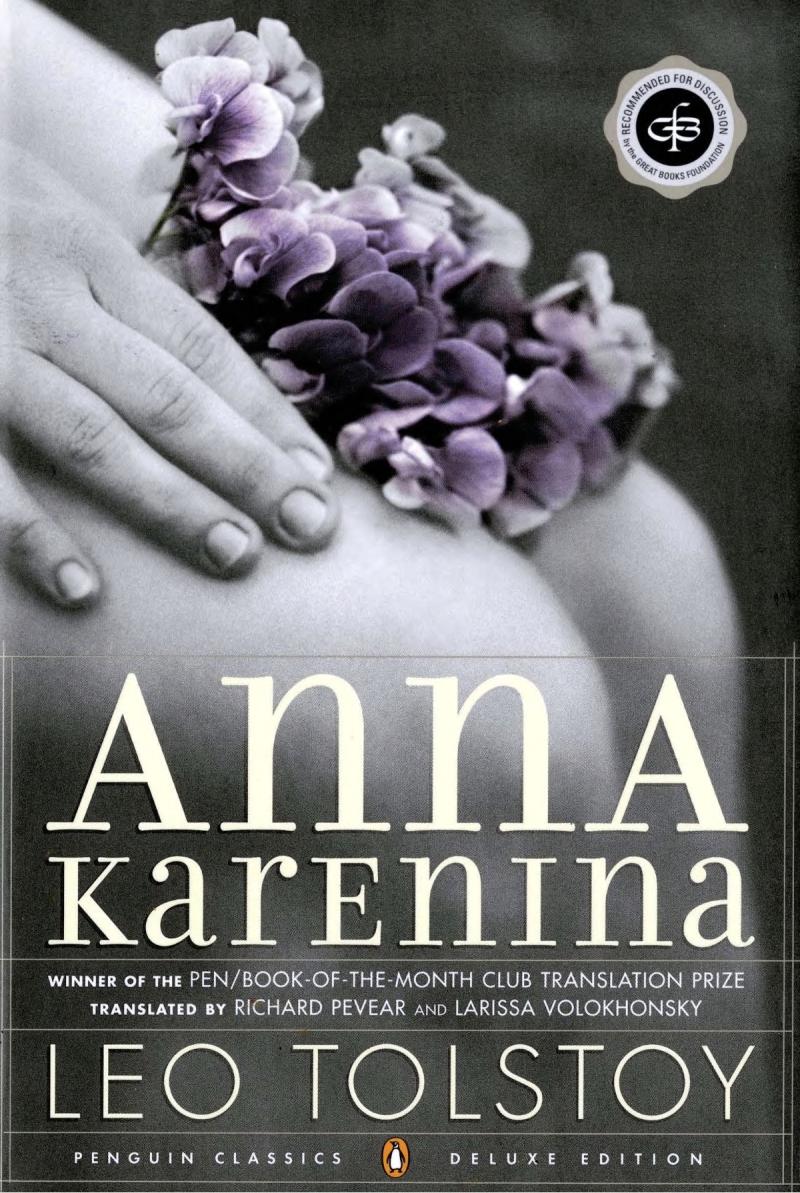
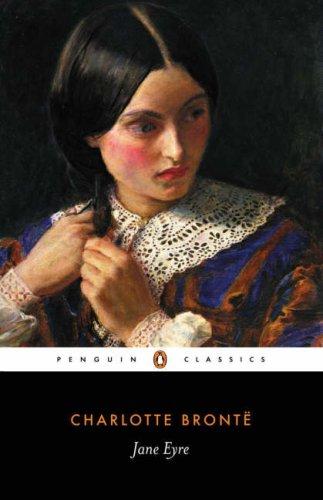
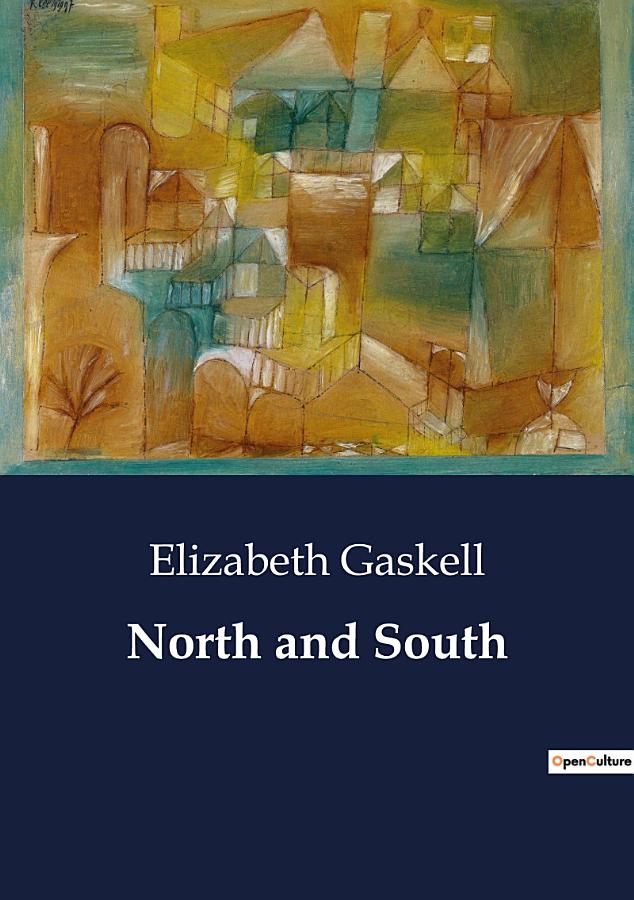
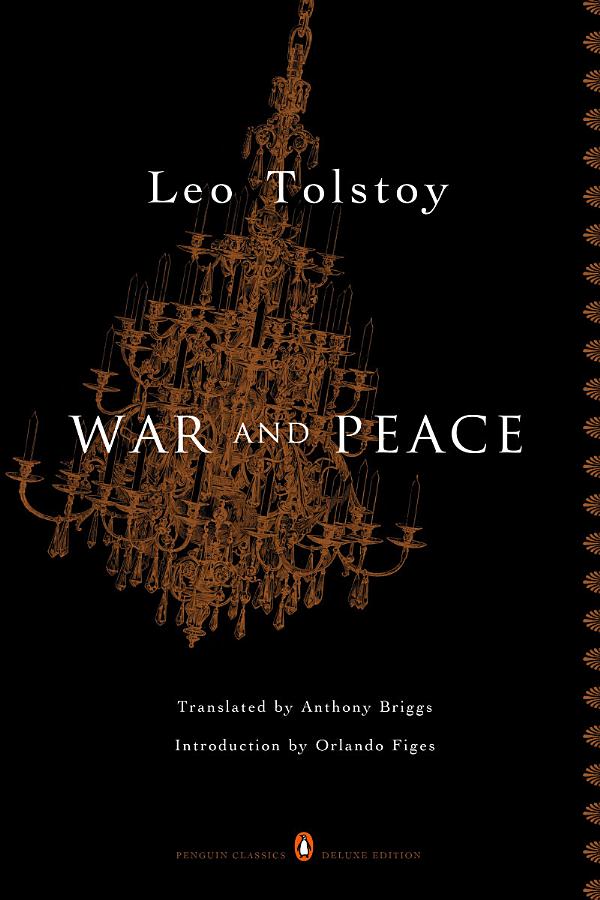
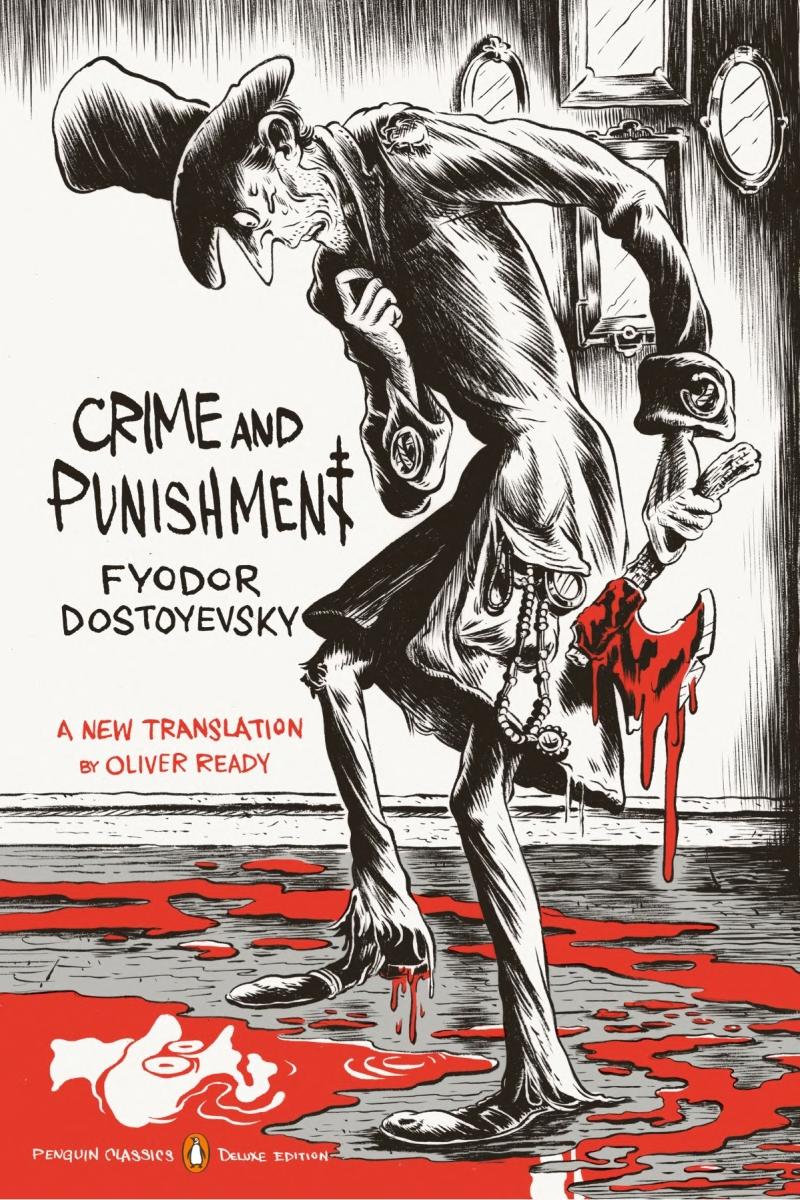
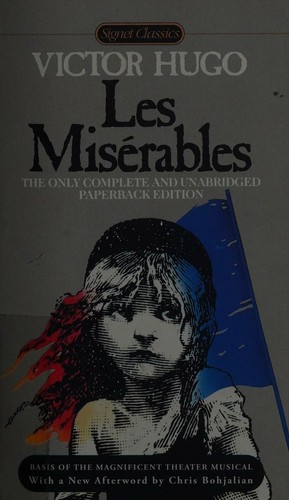
Anna KareninaLeo TolstoyTolstoy’s novel is the direct Russian counterpart to Middlemarch: the same period, the same commitment to rendering a complete social world through multiple simultaneous lives, the same narrator who understands every character better than they understand themselves. The novel is organized around two apparently opposite trajectories — Anna’s passion and its destruction, Levin’s domestic contentment and his spiritual searching — and Tolstoy holds both in mind simultaneously without resolving one into the background to foreground the other. The moral intelligence of Anna Karenina is the same moral intelligence as Middlemarch: comprehensive, compassionate, refusing the consolation of simple verdicts. The most direct equivalent to Eliot available in the Russian tradition. Jane EyreCharlotte BronteBronte’s novel is smaller in social scope than Middlemarch — its world is Jane’s immediate experience rather than a community held in comprehensive view — but the moral intelligence it brings to that narrower scope is as complete as Eliot’s. Jane’s narration has the same quality as Eliot’s narrator: it understands the people around her more fully than they understand themselves, and it holds them with the same combination of comprehension and compassion. The novel also belongs here because it is the foundational text for Middlemarch’s specific interest in what female interiority looks like from the inside: Jane is the first fully articulated version of a female narrative consciousness in English fiction that does not subordinate its own complexity to social expectation. North and SouthElizabeth GaskellGaskell is Eliot’s closest contemporary rival for the specific quality of social comprehension that Middlemarch represents. North and South applies the same comprehensive intelligence to the industrial North — the mill owners, the workers, the political tension between them — that Eliot applies to the Midlands gentry, and with the same refusal to simplify any of the competing interests into simple villains or simple heroes. Margaret Hale’s movement between the two worlds makes her the vehicle for exactly the kind of social understanding that Middlemarch is organized around: the discovery that every position in a social conflict has its own internal logic and its own genuine costs. The most politically specific Victorian novel on this list and the most directly relevant to the class dynamics Middlemarch examines through the lens of provincial reform. War and PeaceLeo TolstoyTolstoy’s larger canvas: where Anna Karenina is organized around two domestic trajectories, War and Peace is organized around an entire era of Russian society, from the drawing rooms of Moscow and St. Petersburg to the battlefields of Austerlitz and Borodino. The social comprehensiveness that Middlemarch achieves within a provincial English town, War and Peace achieves across a historical civilization at a turning point. Tolstoy’s philosophical sections — his extended arguments about historical causation and the relationship between individual action and historical force — are the equivalent of Eliot’s narrator’s meditations: the voice of an intelligence that has thought about its subject more completely than any character within the novel can, and that uses that thinking to make an argument available only at this scale. Crime and PunishmentFyodor DostoevskyDostoevsky’s great novels operate through a different method than Eliot’s — not social comprehensiveness but psychological penetration — but Crime and Punishment belongs on this list because it achieves the same quality of understanding-without-verdict that Middlemarch represents, applied to a single consciousness rather than a community. Raskolnikov is understood more completely by Dostoevsky’s narration than he understands himself, and the novel is organized around the gradual development of that self-understanding: not the punishment the title implies but the process by which Raskolnikov comes to understand what he actually did, which is not what he thought he was doing. The most concentrated entry on this list and the right suggestion for readers who want the quality of moral intelligence rather than the social scope. Les MiserablesVictor HugoHugo’s novel belongs here because it achieves Middlemarch’s social comprehensiveness at the largest possible scale — not a provincial town but a city, not a few years but several decades, not a community of provincial gentry but a cross-section of French society from the criminal to the aristocratic. The famous digressions, on the Battle of Waterloo, on the Paris sewer system, on the convent, are not interruptions of the social comprehension but extensions of it: Hugo is building the world in which Valjean and Javert and Cosette and Marius exist, the world that their stories are part of rather than separate from. The moral intelligence of Les Miserables is organized around justice and mercy rather than Eliot’s provincial reform, but it is the same quality of intelligence: comprehensive, unwilling to simplify, and, finally, compassionate. Who This Is For
Readers who have read Middlemarch and want more fiction that operates at the same level of social and moral ambition — who are interested in novels that hold a complete world in view, that maintain moral intelligence without simplifying to judgment, and that earn their length through the comprehensiveness of their understanding. The literary fiction and historical fiction catalogues have more in this direction.
Frequently asked questions
Q: Is it worth reading Middlemarch before these novels, or can they be read first?
A: All six can be read independently. But reading Middlemarch first gives you the clearest sense of what this list is organized around — the specific combination of social comprehensiveness and moral intelligence — which makes the connections between these novels more legible. If you haven’t read Middlemarch, start there; it’s genuinely worth it.
Q: Which of these is most accessible as a starting point for Victorian fiction?
A: Jane Eyre is the most immediately propulsive — it has the clearest single protagonist and the most conventional narrative drive. North and South is the most politically direct and the most organized around a relationship with genuine forward momentum. Anna Karenina is the most emotionally intense. War and Peace is the most ambitious and the longest.
Q: How do you recommend reading War and Peace — slowly or in long sessions?
A: Long sessions when possible, particularly for the domestic and character-centered chapters; shorter, more focused attention for the philosophical sections on historical causation. The novel rewards reading in sustained sittings that let the social world accumulate; reading it in small increments over many months tends to dissipate the accumulative effect. A reasonable approach is two to three weeks of committed reading rather than months of intermittent attention.
Q: Is Les Miserables readable in an abridged version?
A: The unabridged version is worth reading if you are prepared for it. The digressions are not padding — they are Hugo building the world the novel’s moral argument requires — and abridged versions that remove them produce a coherent adventure story without the moral intelligence that makes the novel important. That said, the unabridged version is 1,500 pages, and a well-chosen abridgment is considerably better than not reading it at all.
Not sure which of these is right for you specifically? The Pagesmith quiz matches you to books based on your mood, pacing preference, and reading goals, not bestseller lists. Takes two minutes.