Southern Fiction: 6 Essential Novels You Need to Read
Southern fiction works when it uses the region's specific history -- slavery, segregation, its complicated relationship with violence and memory -- as structural material rather than local color. These six novels use the South not as atmosphere but as argument.
June 2026 · 7 min read · The Pagesmith
Southern literature is a distinct tradition in American fiction, and the distinction is not primarily about setting or dialect. It is about a specific relationship to history: the South is the region of the United States that has been most directly shaped by slavery and its aftermath, and the best Southern fiction uses that fact as structural material rather than historical backdrop. Faulkner’s famous observation — that in the South, the past is not dead, not even past — is not a regional quirk but the fundamental condition that produces Southern literature’s specific texture: the sense that history is not behind these characters but around and inside them, that the specific forms of violence and complicity and survival that defined the region have been transmitted across generations in ways that shape every relationship and every choice in the present. The six novels here all understand this. They use the South not as atmosphere but as argument.
The best Southern fiction doesn’t use the region as a picturesque backdrop for universal human stories. It uses the region’s specific history — its particular forms of violence, complicity, survival, and memory — as the material the story is built from, so that removing the setting would remove the argument.
The Books
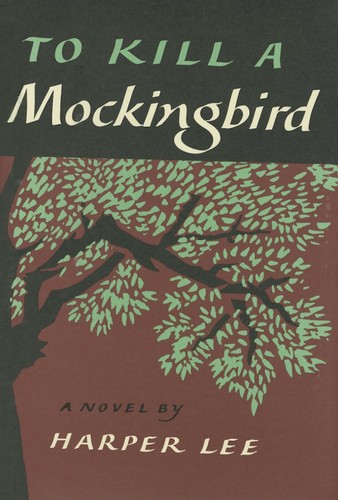
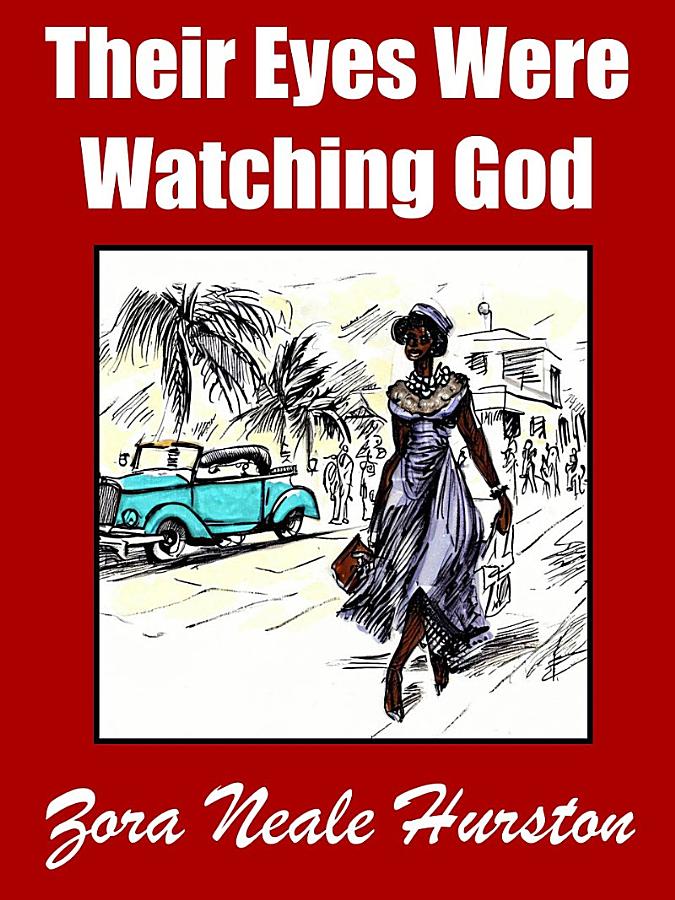
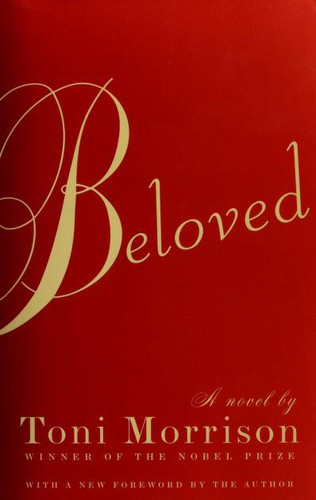
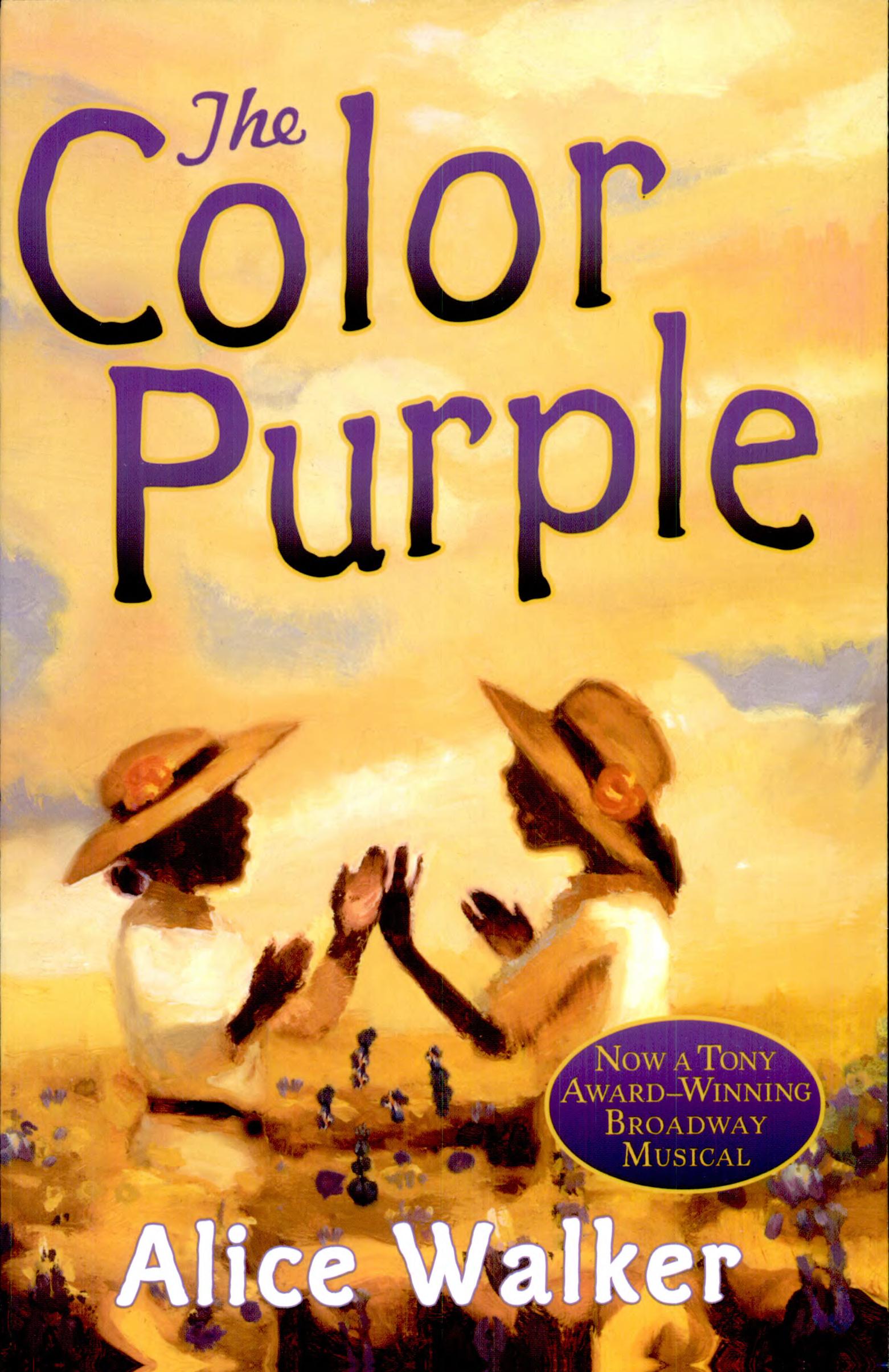
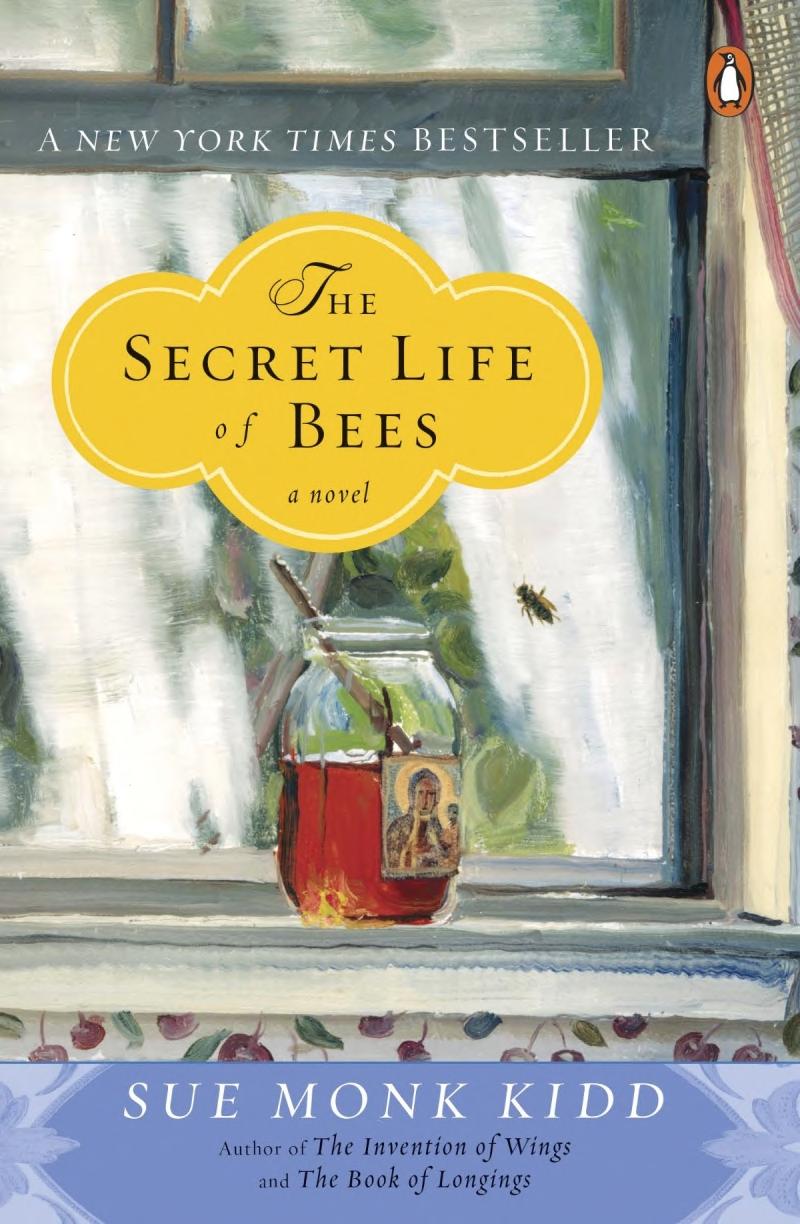
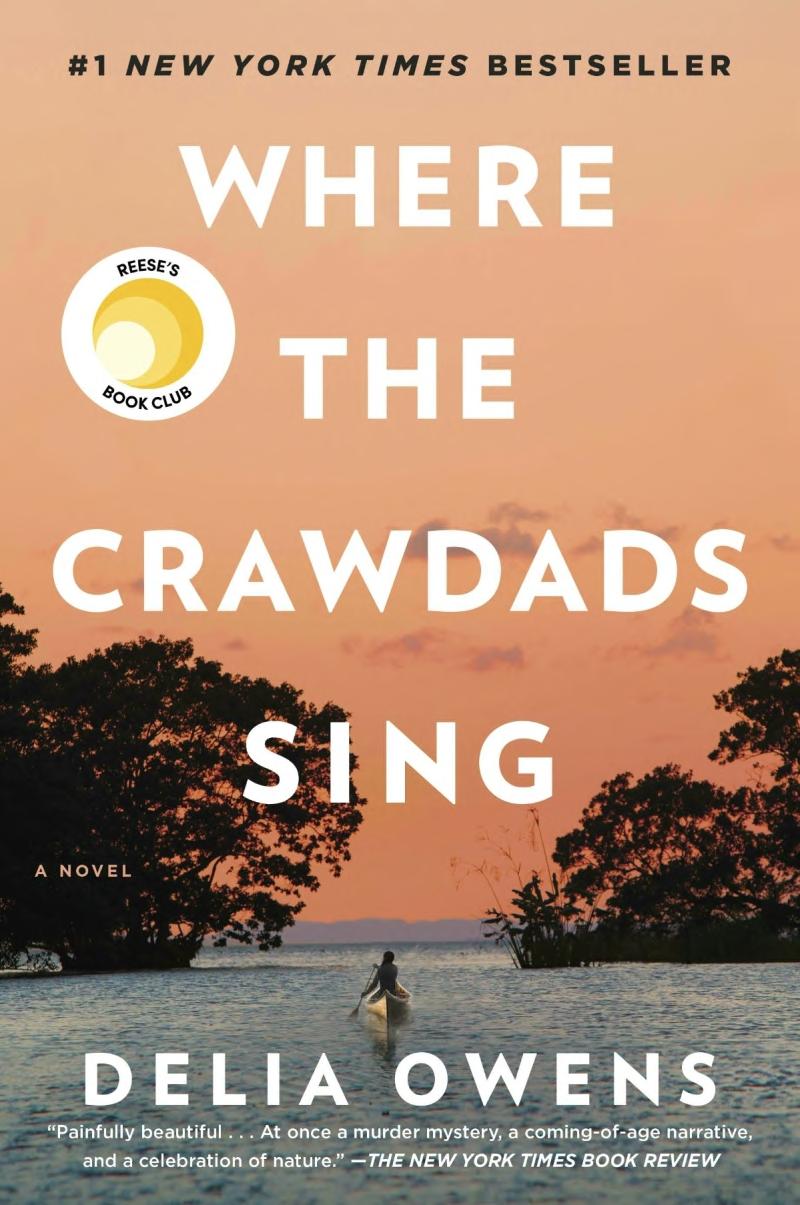
To Kill a MockingbirdHarper LeeThe most widely read American novel about race, and the one that shaped how several generations understood the moral geography of the South — which is also why it has attracted more criticism as understanding has evolved. Scout Finch’s coming-of-age in Maycomb, Alabama is organized around Atticus’s defense of Tom Robinson, and Lee uses the trial to make the injustice of the Jim Crow South legible to readers who might resist a direct argument. The novel’s limitation — that its moral authority is located in a white lawyer rather than in the Black community doing the actual surviving — has been articulated compellingly. But its place in this tradition is secure: Lee rendered the specific moral atmosphere of the white Southern liberal conscience with an accuracy that no subsequent treatment has superseded. Their Eyes Were Watching GodZora Neale HurstonHurston’s novel is the essential corrective to any tradition that locates the South’s story primarily in the white experience of it. Janie Crawford’s life in the Florida all-Black town of Eatonville — founded by Black residents, governed by Black residents, entirely outside the white gaze that defines most Southern fiction — is rendered with the kind of specificity and warmth that comes from Hurston’s own experience of growing up there. The novel’s use of vernacular dialect is not local color but a formal argument: the language is the community, and the community is what the tradition had been excluding. The novel was neglected for decades and recovered by Alice Walker; it is now understood as a foundational text of the tradition rather than a footnote to it. BelovedToni MorrisonMorrison’s novel is set in Cincinnati but rooted in the Kentucky plantation that Sethe escaped, and the South is the origin of everything the novel is carrying — the specific weight of slavery’s violence, the particular forms of survival and damage it produced, the presence that materializes in the house on Bluestone Road. Beloved is the most formally radical novel on this list and the one that most completely makes the past present in the literal sense: the haunting is not metaphorical, the history is not background, and the formal choices — the non-linear narrative, the stream-of-consciousness passages — are the argument that trauma does not observe the boundary between past and present that more comfortable historical fiction requires. The most important American novel about the legacy of slavery. The Color PurpleAlice WalkerWalker’s novel is set in rural Georgia and organized around the specific forms of violence and suppression that the rural Black South imposed on its most vulnerable members — poor Black women, doubly marginalized by race and gender in a community that was itself marginalized. Celie’s letters, addressed first to God because she has been forbidden to tell anyone else, accumulate across the novel into a portrait of a consciousness that has been worked against from the beginning and that slowly, against everything, becomes the author of its own life. Walker won the Pulitzer Prize in 1983 — the first Black woman to do so for fiction — and the novel remains the most complete treatment available in Southern fiction of the experience of Black women specifically. The Secret Life of BeesSue Monk KiddKidd’s novel is set in South Carolina in 1964, the year of the Civil Rights Act, and uses the specific historical moment — when the legal architecture of segregation was beginning to crack but the social reality had not yet changed — to examine what the South was in the transition between what it had been and what it claimed to be becoming. Lily’s flight from her abusive white father to the Black beekeeping community of the Boatwright sisters is organized around the discovery that the people her world has told her to fear are the ones who will protect and shape her. The novel is warmer than most Southern fiction and more explicitly hopeful, but it earns its warmth by being honest about what the historical moment required of the people living through it. Where the Crawdads SingDelia OwensOwens’s novel uses the North Carolina coast not as atmosphere but as the formative environment for its protagonist — Kya Clark, abandoned by her family in the marsh and raised by it, develops a knowledge of and relationship to the natural world that the town she is excluded from cannot understand or accommodate. The novel’s argument about the marsh — that it is as complete a world as the town, with its own order and its own demands — is inseparable from its argument about Kya: that what the community read as wildness was actually a different kind of knowing. The most recent Southern novel on this list and the one that connects the tradition to the present most directly through its meditation on what the South does to the people it excludes from its official story. Who This Is For
Readers who want to engage with Southern literature as a distinct tradition rather than simply as American fiction that happens to be set in the South — who want to understand what the region’s specific history has produced in fiction, and who want the range of that production, from the canonical to the contemporary. The literary fiction and historical fiction catalogues have more in this direction.
Frequently asked questions
Q: Is To Kill a Mockingbird still essential given its criticism?
A: Yes, both because it shaped the cultural conversation about race in the South for decades and because understanding its limitations is itself important. The criticism — that the novel centers white moral authority rather than Black experience — has been made compellingly by writers including James Baldwin. Reading it alongside Their Eyes Were Watching God and Beloved provides the more complete picture that no single novel on this list can provide alone.
Q: Why is Beloved set in Cincinnati if it’s about the South?
A: Because the South in Beloved is not a place Sethe can return to — it’s what she escaped, and what followed her. The novel is about what the South does to the people it exports, and Cincinnati is where that question gets answered. Southern literature is not simply literature set in the South; it’s literature shaped by the South’s specific history, which is what Beloved is.
Q: What distinguishes Southern fiction from American fiction more broadly?
A: The primary distinction is the specific relationship to history: the South is the region most directly shaped by slavery and its aftermath, and the best Southern fiction treats this not as historical background but as the active present tense of the story. The sense that the past is not past — Faulkner’s formulation — is the structural condition that produces the tradition’s specific texture.
Q: What should I read after The Color Purple?
A: Alice Walker’s collection of essays, In Search of Our Mothers’ Gardens, provides the critical and autobiographical context for her fiction, including the recovery of Zora Neale Hurston that Walker led. The Temple of My Familiar is Walker’s sprawling, more experimental second novel. Both are essential for understanding her full range.
Not sure which of these is right for you specifically? The Pagesmith quiz matches you to books based on your mood, pacing preference, and reading goals, not bestseller lists. Takes two minutes.