Best Books About Aging That Don't Look Away
The best aging novels are not about decline. They are about the specific perspective available only to someone who has lived long enough to see their earlier choices from a distance -- and whether that distance produces wisdom or only regret.
May 2026 · 8 min read · The Pagesmith
Most fiction about aging is really fiction about death: the terminal diagnosis, the final reckoning, the deathbed reconciliation. Those are legitimate subjects, but they treat aging as a crisis rather than a condition — a special circumstance rather than the ordinary experience of everyone who survives long enough. The books here take aging seriously as a sustained state of being, not just as a prelude to an ending. What they are interested in is the specific perspective available to someone who has lived long enough to see their earlier choices at a distance: the choices that seemed necessary or obvious at the time and that look different from the vantage of forty years later, the things that were sacrificed for reasons that now seem insufficient, and the question of whether understanding comes too late to be of any use. Several of them are among the most formally serious novels on any subject.
What Serious Aging Fiction Actually Examines
The failure mode for fiction about age is sentiment: the wise elder, the late-life love affair, the moving reconciliation with an estranged child. These scenarios exist and are real, but they tend to make aging into something legible and purposeful, an arc with meaning and resolution. The more honest aging novels are interested in the absence of resolution — the way that age brings understanding without the ability to do anything with it, and the way that some things that were never named stay unnamed until they are unavailable forever. The books here are not comfortable on this subject. They are precise about what time does to people and to the versions of themselves that people carry.
What aging gives you, if it gives you anything, is the distance to see your own life clearly. What it takes from you is the ability to change what you see.
The Books
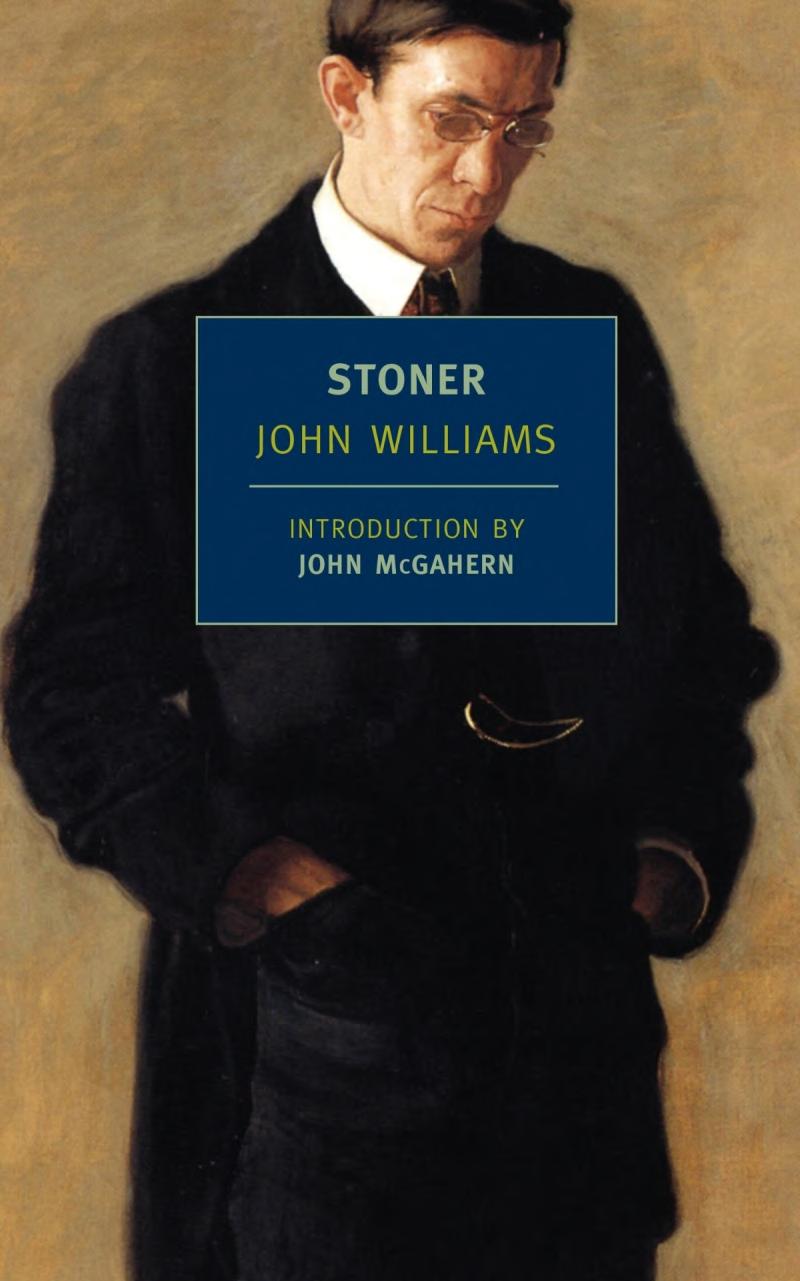
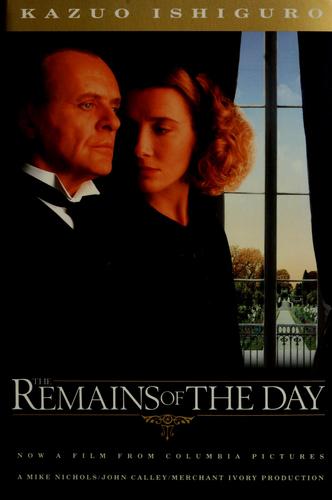
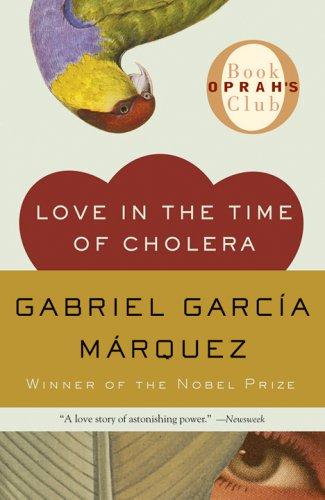
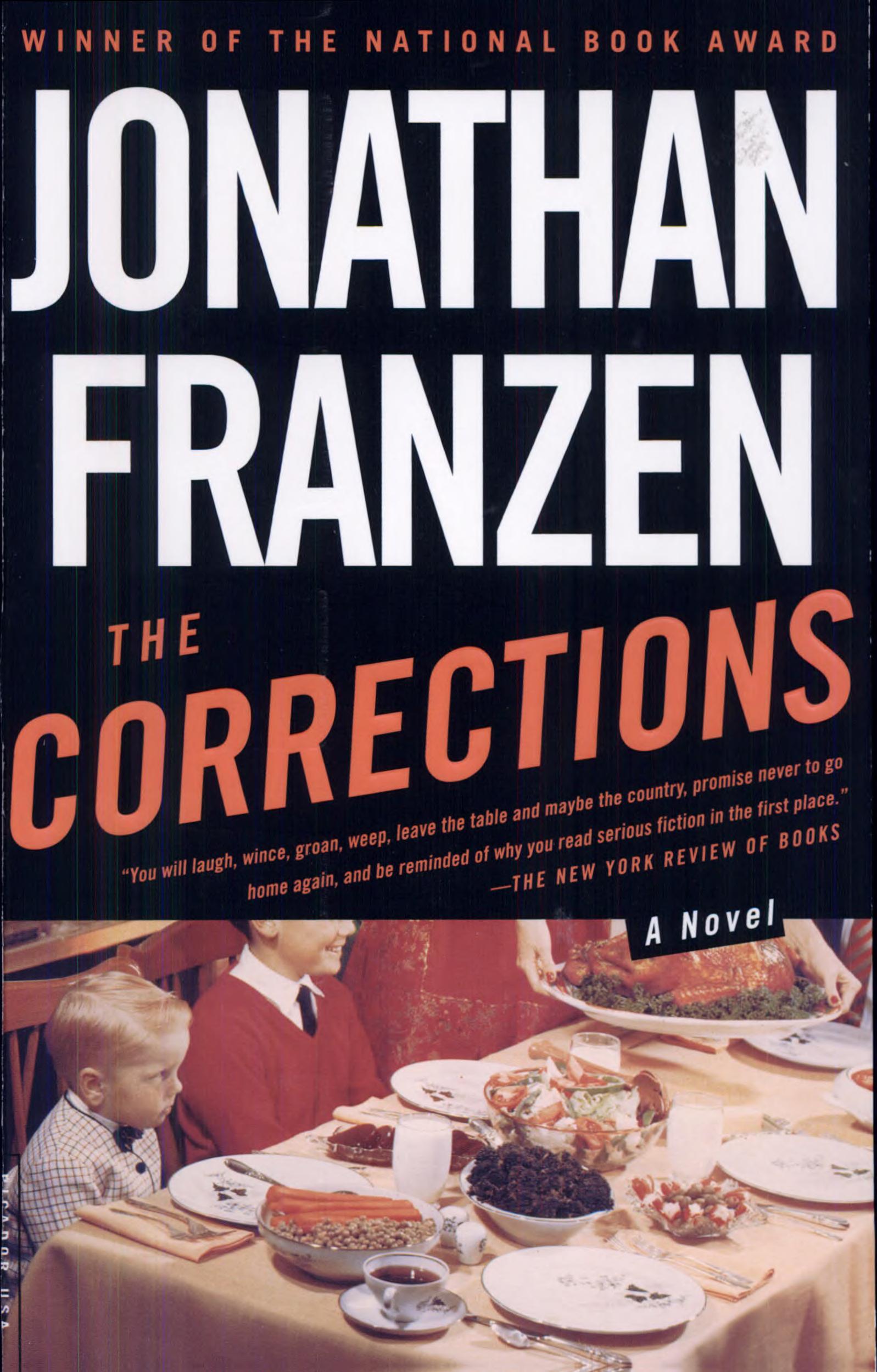
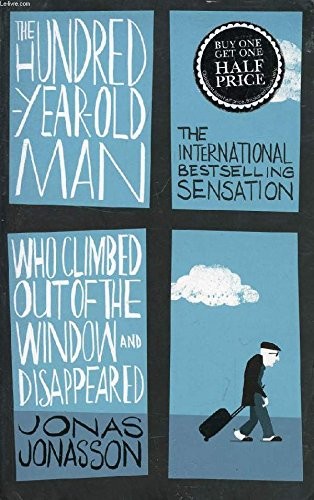
StonerJohn WilliamsThe definitive aging novel in American literature, and one of the most formally perfect novels of the twentieth century. Williams tells the entire life of William Stoner — a Missouri farmer’s son who becomes an English professor and lives quietly — without a single moment of conventional drama, and the novel is devastating precisely because of that choice. The accumulated weight of Stoner’s ordinary accommodations and missed opportunities and suppressed desires produces something that arrives at the end not as a tragic conclusion but as a complete accounting: this is what a life looks like when it is fully rendered, without selection for significance. The most honest argument any aging novel makes is that most lives are like this, and Williams makes it with total conviction. The Remains of the DayKazuo IshiguroWhere Stoner’s aging is presented as a complete life viewed from its beginning, Ishiguro presents his from a single late vantage point: Stevens on a motoring holiday, looking back. The novel’s subject is the distance that age provides and Stevens’s use of it — the ways he approaches the understanding of what he chose and then retreats, the formality that has become so habitual it now functions as a barrier against self-knowledge. The title’s “remains of the day” applies to Stevens’s life as much as to the afternoon light: what is left when the main work is done. Ishiguro is more interested in what the distance does not provide than in its consolations. The Unlikely Pilgrimage of Harold FryRachel JoyceJoyce’s novel is the warmest entry on this list, and the most interested in what aging makes possible rather than only what it costs. Harold Fry’s decision to walk 500 miles is a late-life act of will that the novel takes completely seriously, and the journey becomes a process of unpacking a grief and guilt and love that he has been carrying for decades without knowing how to name it. Where Stoner and The Remains of the Day are interested in what cannot be recovered, Joyce is interested in what can be understood — not in time to change the past, but in time to change the relationship with it. The most hopeful aging novel on this list without being sentimental about what hope costs. Love in the Time of CholeraGabriel Garcia MarquezGarcia Marquez’s novel about aging is also a novel about what does not diminish with time. Florentino Ariza is 76 when the main action of the novel concludes, and his love for Fermina Daza, sustained across fifty years and hundreds of other women, has not simplified or faded. Garcia Marquez is interested in the specific way that age changes feeling — not diminishing it but concentrating it, stripping away everything that was not the essential thing — and the novel’s argument, that love in old age can be as absolute as love in youth and considerably more honest about what it is, is one of the more radical positions any aging novel takes. The Caribbean setting gives the novel’s long perspective a warmth that Stoner and Ishiguro deliberately withhold. The CorrectionsJonathan FranzenFranzen approaches aging through its effect on the people who surround it. Alfred Lambert’s Parkinson’s disease and dementia are the novel’s organizing crisis, but the book is less interested in Alfred’s experience than in what his deterioration does to the adult children who have spent their lives in relation to him. The corrections of the title are the adjustments each family member is being forced to make as the patriarch’s authority dissolves — adjustments to their own self-image, their grievances, their understanding of what they were raised to be. The most sociologically ambitious aging novel on this list and the most interested in aging as a family event rather than an individual one. The Hundred-Year-Old Man Who Climbed Out the Window and DisappearedJonas JonassonThe tonal departure from every other book on this list, included because it makes the most distinctive formal argument about aging: that a hundred years of survival produces not wisdom but a magnificent indifference to consequence, and that this indifference is the most useful thing age can deliver. Allan Karlsson’s accidental adventures through the twentieth century — from the Spanish Civil War to the Manhattan Project to Stalin’s Soviet Union — are rendered in a deadpan that converts history’s atrocities into comedy, and the novel’s central argument is that a sufficiently long life produces a perspective from which most of what seemed important simply is not. The most unusual entry here and the right recommendation for readers who want aging rendered as liberation rather than loss. Who This Is For
Readers who are past the midpoint of their own lives and want fiction that takes that vantage point seriously, or younger readers who want the specific perspective that aging fiction provides: the long view, the reckoning with accumulated choices, the question of what a life looks like from its far end. Also readers who have been caregivers for aging parents and want fiction that handles deterioration with honesty rather than sentimentality. The literary fiction catalogue has more in this direction.
Frequently Asked Questions
Q: What is the saddest book about aging on this list?
A: Stoner, without significant competition. Williams renders a whole life with total honesty and without consolation, and the accumulation of ordinary loss across a complete biography produces a grief that is proportional to the investment the reader has made. The Remains of the Day is quieter and more restrained; its sadness arrives more slowly and lasts longer.
Q: What should I read if I want books about aging that are not depressing?
A: Love in the Time of Cholera and The Hundred-Year-Old Man are both warm in ways that the other entries are not. Joyce’s Harold Fry is hopeful without being sentimental. All three take aging seriously without treating it as only a loss.
Q: What is Stoner about exactly?
A: William Stoner is a Missouri farm boy who goes to the University of Missouri and never leaves — becomes an English professor, has a failed marriage and a destroyed love affair and a complicated relationship with a vindictive colleague, teaches for forty years, and dies. Williams tells this story without irony or uplift, treating the ordinary details of an ordinary academic life as worthy of the full attention a novelist can give them. The cumulative effect is overwhelming and difficult to explain to someone who has not read it.
Q: Are these books appropriate for older readers specifically?
A: Several of them are written from a late-life perspective that younger readers may find harder to inhabit. Stoner works best as a whole-life retrospective read when the reader has enough distance from their own early choices to recognize what Williams is doing. The Hundred-Year-Old Man is accessible at any age. The Remains of the Day is one of those novels that reads differently at 30 and at 60, for reasons that have everything to do with the reader’s own accumulation of deferred choices.
Not sure which of these is right for you specifically? The Pagesmith quiz matches you to books based on your mood, pacing preference, and reading goals, not bestseller lists. Takes two minutes.