Best Books About Class That Don't Simplify It
The best class fiction is not about resentment or nostalgia. It is about how social position shapes what a person can imagine wanting, and what they learn to suppress.
May 2026 · 7 min read · The Pagesmith
Fiction about class tends to fail in one of two directions. The first is resentment: a working-class protagonist who burns with justified anger at an unjust system, and whose story is essentially a moral audit of the wealthy. The second is nostalgia: a privileged world rendered with such loving detail that the inequalities sustaining it are aestheticized into irrelevance. The books here do neither. They take class seriously as a structural condition that shapes not just material circumstances but the interior life — what a person feels entitled to want, what they believe is possible for someone like them, what they suppress before it can be articulated. That interior dimension is where the best class fiction operates, because it is where class does its most durable damage, and where its effects are hardest to see from inside them.
What Serious Class Fiction Actually Examines
The obvious class novel is about economic difference: who has money and who does not, and what that difference produces. That is the surface. Underneath it, the best class fiction is about epistemology — what different positions in a social structure make visible and invisible to the people occupying them. A working-class person who enters a middle-class institution does not just encounter different material conditions. They encounter a set of assumptions about what is normal, what is desirable, what constitutes taste and intelligence and ambition, that were assembled without them in mind and that they now have to navigate without a map. The books here are interested in that navigation, and in what it costs.
Class does not just determine what people have. It determines what they think they are allowed to want — and the people most damaged by it are often the ones who have most thoroughly internalized its limits.
The Books
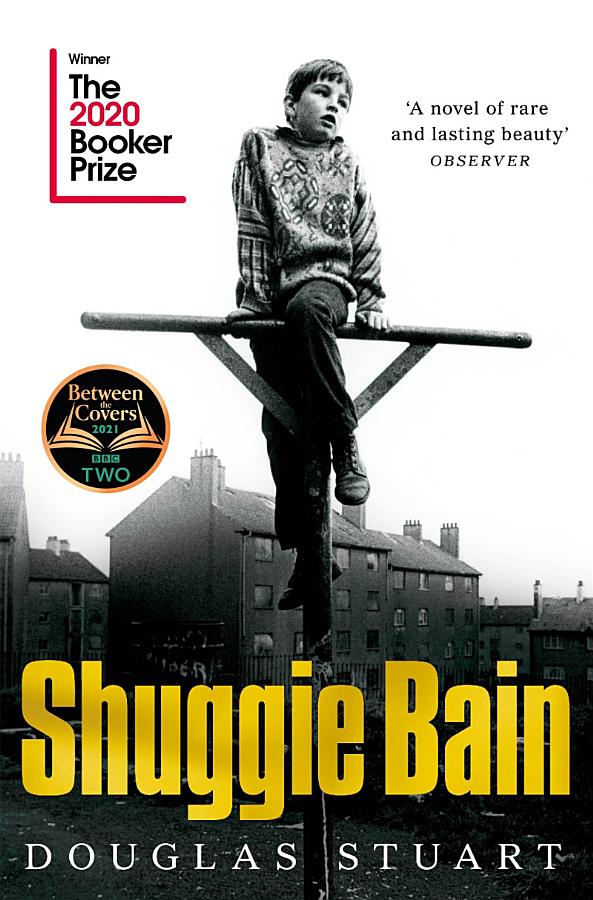
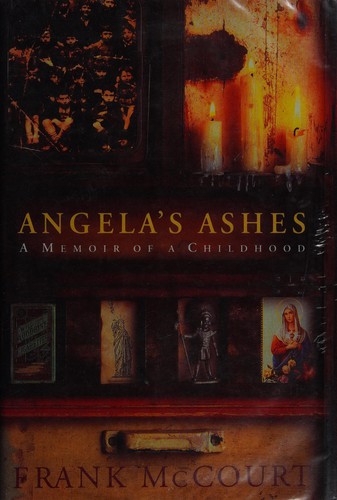
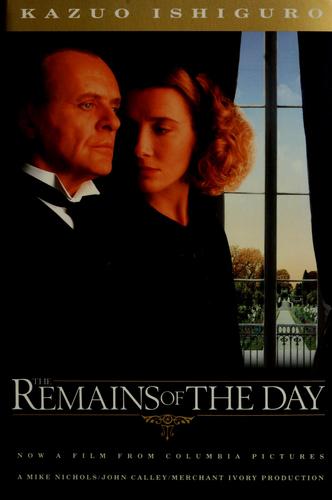
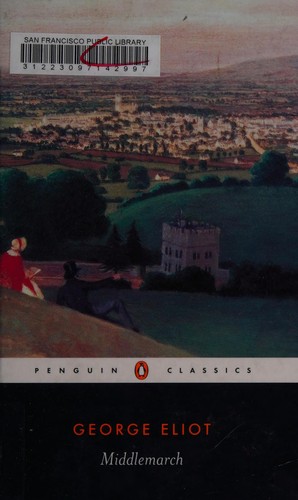
Shuggie BainDouglas StuartThe most unsparing class novel of the past decade. Stuart’s portrait of deindustrializing Glasgow in the 1980s is not primarily about poverty as an economic condition but about what happens to people when an entire social class is made structurally redundant and then blamed for its own redundancy. Agnes Bain’s alcoholism is not a personal failing but a response to a specific historical situation, and Stuart is careful never to let that structural analysis excuse or diminish the very real damage she does to her son. The novel holds both truths simultaneously and refuses to let either simplify the other. The Secret HistoryDonna TarttTartt approaches class from the aspirant’s perspective, which produces a different and in some ways more interesting novel. Richard Papen, from a working-class California background, gains access to a small group of wealthy, aesthetically serious students at a Vermont college and wants so badly to belong that he gradually loses the ability to see them clearly. The novel is a class novel in the specific sense that it is about what access to privilege does to the judgment of someone who was not born into it — how the desire to belong can become indistinguishable from complicity. The moral horror emerges directly from the social architecture. Never Let Me GoKazuo IshiguroIshiguro’s science fiction premise — clones raised to donate organs — is a class argument in speculative form. The novel’s disturbing power comes from watching Kathy and Tommy accept their position without revolt, not because they are incapable of understanding it, but because the social conditioning of Hailsham has produced in them the specific quality that class most reliably instills: the inability to imagine that a different arrangement is possible. This is class as destiny rather than circumstance, and Ishiguro renders it through a narrator whose acceptance of her situation is both heartbreaking and, the novel argues quietly, not entirely unlike our own. Angela’s AshesFrank McCourtMcCourt’s memoir belongs here because it is the most precise account available of class as a physical experience rather than an abstract condition. The Limerick of his childhood is not just poor but structured to keep people poor — by the Church, by the state, by the specific social architecture of a city where the Protestant Ascendancy’s legacy is visible in every institution. McCourt’s voice, wry and entirely free of self-pity, refuses the two failure modes: there is no resentment performance and no sentimentalization of hardship. What there is instead is specificity — the exact texture of poverty as a set of daily negotiations — which is more devastating than either. The Remains of the DayKazuo IshiguroIshiguro’s butler novel is a class novel in the most precise possible sense: it is about a man who has so completely internalized the values of the class he serves that he has no access to his own. Stevens’s dignity, his professional ideal, is inseparable from his suppression of any preference, desire, or judgment that might conflict with his employer’s. The novel’s devastating quality is that Stevens never fully understands this — he reaches toward understanding and then retreats — and the reader is left holding the awareness he cannot bear to. A portrait of class not as circumstance but as the total colonization of an inner life. MiddlemarchGeorge EliotEliot’s panorama of a provincial English town in the 1830s is the definitive account of class as a system that shapes aspiration. Dorothea Brooke’s intelligence and idealism are real, but the novel is equally interested in what Victorian class and gender structure does to that intelligence — how it channels ambition into forms that society will tolerate and suppresses everything it will not. Lydgate’s ruin is a class story as much as a character story: his intellectual gifts are defeated not by his weakness but by the specific social pressures that accumulate around a professional man trying to maintain appearances in a society that has opinions about what his wife should wear. The longest book on this list and the most comprehensive map of its subject. Who This Is For
Readers who want fiction that takes class seriously as a structural condition rather than as a backdrop to individual drama — who are tired of stories where a working-class character’s energy and talent allow them to transcend their origins, as if the origins were a personal obstacle rather than a systemic one. Also readers who come from class backgrounds that fiction rarely represents accurately, and who want books that get the interior experience right rather than the surface conditions. The literary fiction catalogue has more in this direction, including books that handle race, gender, and migration through the same structural lens.
Frequently Asked Questions
Q: What is the best novel about social class?
A: Middlemarch is the most comprehensive account of class as a system rather than a circumstance. The Remains of the Day is the most psychologically precise account of what class does to an individual interior life. Both are essential; which to start with depends on whether you want panorama or intimacy.
Q: Are there good books about class that are not depressing?
A: Angela’s Ashes is genuinely funny in stretches, despite its subject matter — McCourt’s voice refuses self-pity. Middlemarch has deep wells of dark comedy about the provincial social world it depicts. The Secret History is more thriller than tragedy in its pacing and produces dark pleasure rather than simple depression.
Q: What is the best recent novel about class?
A: Shuggie Bain is the strongest recent literary treatment of working-class experience in British fiction. For American class fiction, The Secret History and Never Let Me Go both address specifically American versions of class — the elite institution, the socially stratified education system — that remain very current.
Q: What is the difference between books about poverty and books about class?
A: Books about poverty focus on material conditions — not having enough money, food, or security. Books about class are more interested in the social and psychological dimensions: what position in a hierarchy does to self-image, aspiration, and the ability to imagine alternatives. The best ones, like Shuggie Bain and Angela’s Ashes, address both simultaneously, because the material and the psychological are not actually separable.
Not sure which of these is right for you specifically? The Pagesmith quiz matches you to books based on your mood, pacing preference, and reading goals, not bestseller lists. Takes two minutes.