Best Books About Friendship That Earn Their Warmth
The best friendship fiction earns its warmth by first establishing what the friendship costs -- the specific sacrifices, the accommodated damage, and the things friends do for each other that they couldn't do for anyone else. These books treat friendship as the primary bond rather than a supporting one.
June 2026 · 8 min read · The Pagesmith
Fiction organizes itself around romantic love as the primary bond and treats friendship as the supporting relationship — the people who help the protagonist get ready for their date, who offer advice about the love interest, who are there when the relationship fails. The books here reverse that hierarchy. In each of them, the friendship is the novel’s primary emotional subject, and the depth of attention given to it is the depth that most fiction reserves for romantic relationships. What makes these books more than warm is that none of them are sentimental about the bond they are describing. The friendship between Gus and Call in Lonesome Dove is real because McMurtry is honest about what each man gives up to maintain it. Tully and Kate in Firefly Lane are close because Hannah renders thirty years of shared life with enough honesty that the relationship’s accumulated damage is as visible as its accumulated love. The warmth in these novels is earned because the difficulty was real first.
What Friendship Fiction Requires
The failure mode for friendship fiction is the friendship-as-background: two characters who are described as close but whose closeness is assumed rather than demonstrated, who are present in each other’s lives in ways that advance the plot rather than ways that reveal who they are to each other. The books here demonstrate the friendship. They show the specific things these people know about each other that no one else knows, the specific accommodations they make for each other’s flaws, and the specific things they cannot say to anyone else. That specificity is what distinguishes genuine friendship fiction from fiction that simply includes friends.
The best books about friendship understand that the bond is not defined by warmth alone. It is defined by the specific knowledge two people have accumulated about each other — the things they have seen and kept, and the things they have forgiven because the alternative was losing the person who knew them best.
The Books
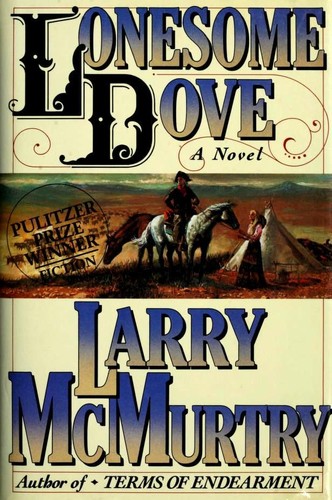
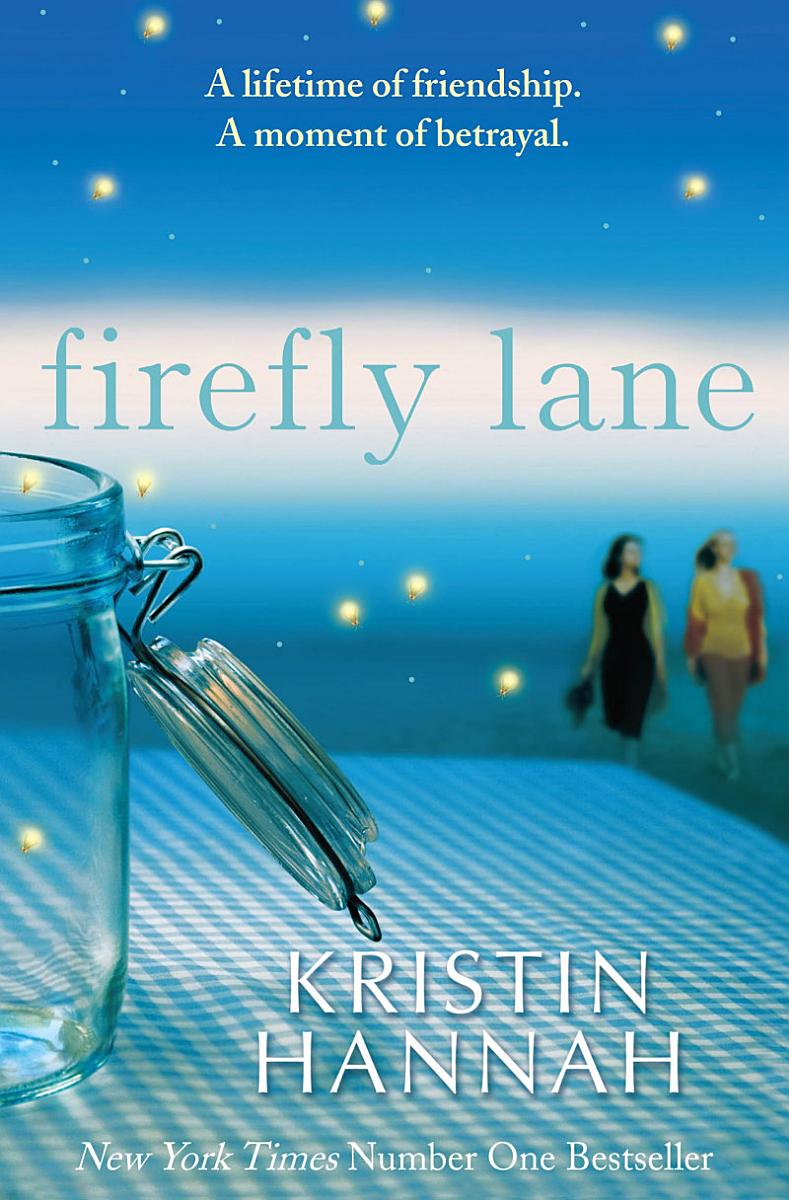
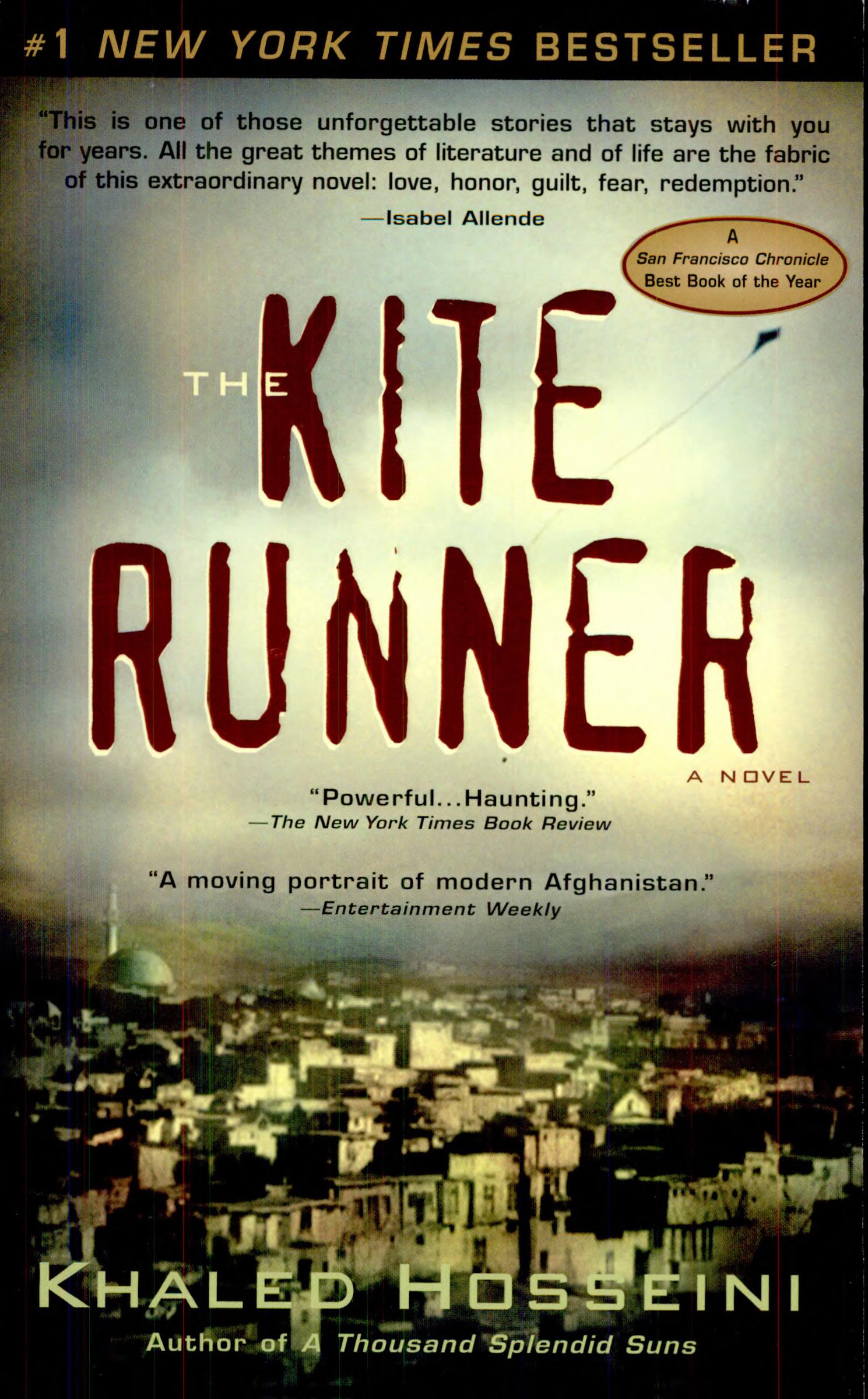
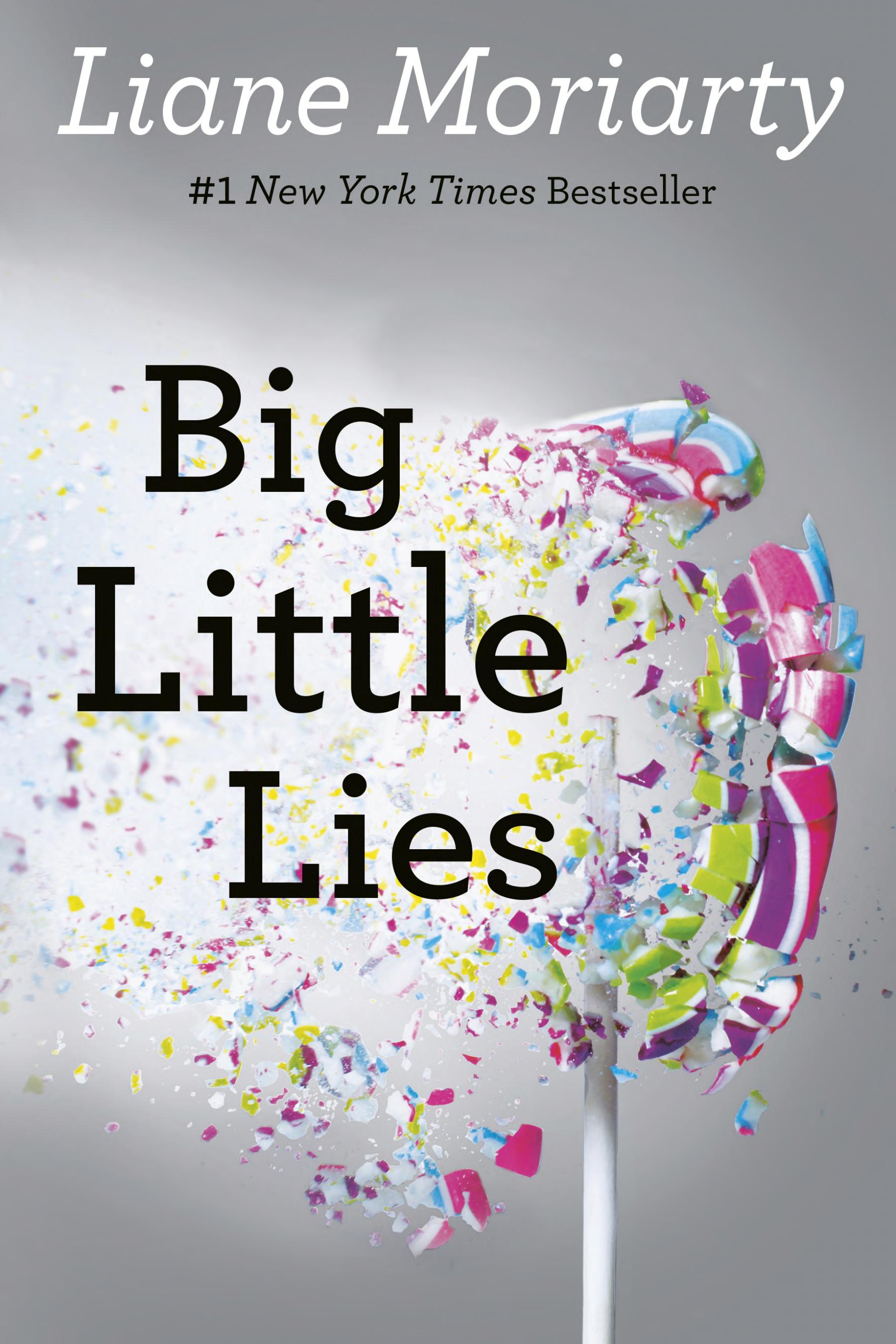
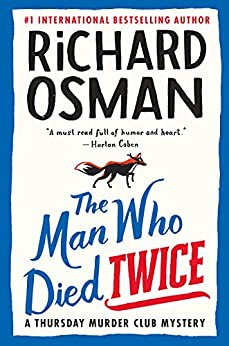
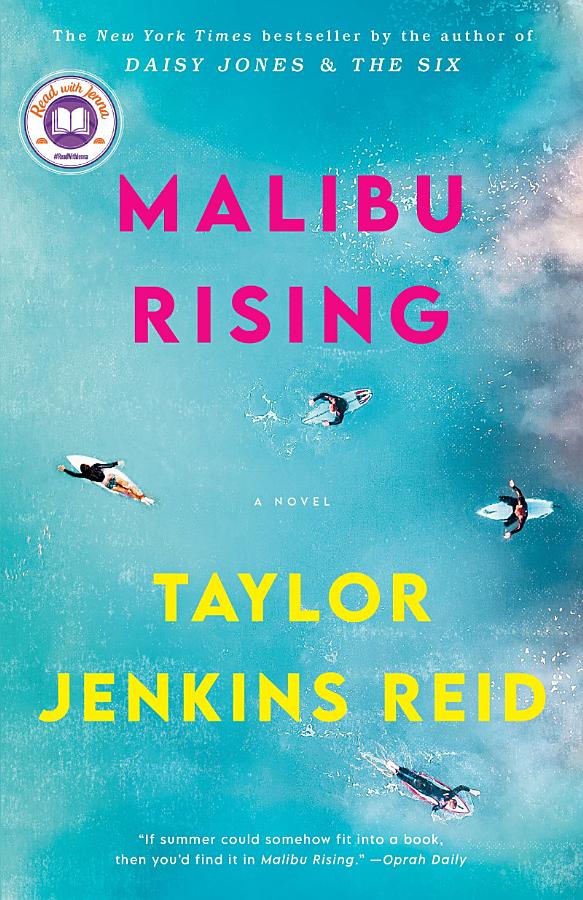
Lonesome DoveLarry McMurtryThe friendship between Augustus McCrae and Woodrow Call is the greatest male friendship in American fiction and the reason the novel transcends its Western genre classification. McMurtry writes their dynamic with more precision and more earned feeling than most novels give to romantic love: the specific ways Gus’s expansiveness and Call’s rigidity have shaped each other over forty years of partnership, the specific things each man knows about the other that no one else does, and the specific grief of the novel’s final movement. The cattle drive is the plot; Gus and Call are the novel. McMurtry is never sentimental about the friendship — he is honest about what each man withholds from the other and why — which is what makes the warmth between them so completely real. Firefly LaneKristin HannahHannah’s multi-decade friendship novel follows Tully and Kate from their meeting at fourteen through thirty years of shared and divergent life, and it earns its emotional weight by rendering both the closeness and the accumulated damage with equal attention. The friendship is not simply warm — it is the most important relationship in both women’s lives, and Hannah is honest about what that primacy costs each of them, including the ways their closeness has sometimes prevented each of them from becoming fully themselves. The novel’s ending is one of Hannah’s most devastating precisely because she has spent 400 pages establishing what the friendship actually is rather than what it looks like from a distance. The most complete portrait of a long female friendship in contemporary popular fiction. The Kite RunnerKhaled HosseiniHosseini’s novel is organized around a friendship that was not acknowledged as one: Amir and Hassan, Pashtun and Hazara, in a Kabul that would not permit the friendship to be equal even when it was real. The alley scene — what Amir witnesses and does not prevent — is the novel’s structural center, and the rest of the book is organized around the specific weight of what it means to have failed someone who trusted you completely. Hosseini is honest about the asymmetry in the friendship without excusing it, and the novel’s forward drive is the reader’s need to see Amir do something with what he carries. The most morally serious friendship novel on this list, and the one most interested in what friendship requires that Amir could not provide. Big Little LiesLiane MoriartyMoriarty’s novel is organized around three women who become friends through the specific circumstances of their children’s school — not by choosing each other across a distance but by being placed in proximity and discovering something worth protecting. What the friendship between Madeline, Celeste, and Jane produces is the novel’s subject: the specific solidarity of women who have decided to protect each other against a world that would rather they competed. Moriarty is honest about the social comedy that surrounds the friendship — the school politics, the parenting competition, the surface-level performance of adult social life — and uses it to make the friendship’s actual depth more visible by contrast. The most entertaining friendship novel on this list. The Thursday Murder ClubRichard OsmanOsman’s novel is as much about the friendship among Elizabeth, Joyce, Ibrahim, and Ron as about the mystery they solve, and the friendship is rendered with the specific quality that makes it the most warmly satisfying entry on this list: four people who have chosen each other in the specific circumstances of late life, when the available time is running out and the reasons to form new attachments are harder to sustain against the weight of what has already been lost. Osman is never maudlin about this — the comedy is real and sustained — but the Thursday Murder Club works because the reader understands that the friendship is a form of resistance to the forces that would have these four people wait quietly for the end rather than investigate murders together. Malibu RisingTaylor Jenkins ReidReid’s novel is organized around a single night — Nina Riva’s annual party, August 1983 — and uses it to render a family’s accumulated history and a friendship circle’s accumulated decade. The friendship among the Riva siblings is the novel’s emotional center, and Reid is as precise about sibling friendship — the specific way people who grew up in the same chaos find ways to hold each other together — as the other books here are about chosen friendship. The party becomes the container for everything the family has been carrying, and the friendships within it are what determine whether those things can be survived. The most visually immediate novel on this list — the Malibu setting is rendered with genuine physical pleasure — and the warmest of Reid’s California novels. Who This Is For
Readers who want fiction that treats friendship with the same seriousness that most novels reserve for romantic relationships — who have found themselves more moved by a great friendship in fiction than by a great romance, and who want more books organized around that primary bond. Also readers who have recently experienced something significant in a friendship and who want fiction that understands what those bonds actually consist of. The literary fiction and contemporary catalogues have more in this direction.
Frequently asked questions
Q: Is there good friendship fiction specifically about men?
A: Yes. Lonesome Dove is the standard for male friendship in American fiction. Other strong examples: The Secret History (male friendship under extreme pressure), Mystic River (childhood male friendship fractured by trauma), and Best Books About Male Friendship covers this territory in more depth with additional titles.
Q: What makes Firefly Lane sad?
A: Hannah spends the novel building the friendship in full before the thing that breaks it arrives, which means the break lands with the specific weight of something actually lost rather than something hypothetically lost. The ending has been described by readers as one of the most unexpected emotional experiences in her fiction. Go in knowing it is coming and it still lands.
Q: Does The Kite Runner have a hopeful ending?
A: Yes, though the hope is hard-won and qualified. Hosseini does not offer easy resolution — the damage done cannot be undone and the friendship that was lost cannot be restored — but the novel’s ending is organized around an act of redemption that is small, specific, and genuinely earned by everything that preceded it. It is the kind of hope that has been tested rather than assumed.
Q: What should I read after Lonesome Dove if I want more McMurtry?
A: Streets of Laredo is the direct sequel, darker and more elegiac, and essential for anyone who needs to know what happens to Call after the cattle drive ends. Comanche Moon and Dead Man’s Walk are prequels that cover Gus and Call’s earlier years as Texas Rangers. All three are worth reading; none of them are Lonesome Dove, but nothing else is either.
Not sure which of these is right for you specifically? The Pagesmith quiz matches you to books based on your mood, pacing preference, and reading goals, not bestseller lists. Takes two minutes.