What to Read When You're Going Through a Breakup
The best breakup books aren't about feeling better. They're about being honest company during a period when most of the world either offers platitudes or asks you to perform recovery faster than you can manage it. These books don't do that.
June 2026 · 8 min read · The Pagesmith
The reading advice you get after a breakup tends toward either escape or therapy: something light to distract you, or something instructive to help you understand what went wrong. Both prescriptions treat the breakup as a problem with a solution, and a breakup is not that. It is an experience that has to be had, in the full duration it requires, with the specific quality of cognitive disruption — the constant revision of the past, the inability to think clearly about the future — that it produces in the people inside it. The books here are useful not because they offer escape or instruction but because they are honest company: books that understand the experience from the inside, that render it with enough precision that the reader feels recognized rather than advised. You will not feel better after reading them. You will feel less alone.
What Breakup Fiction Actually Gives You
A good breakup book does one of two things. It tells you the truth about what you are experiencing with enough specificity that you understand it differently — High Fidelity is in this category, a very funny and very honest account of what people actually do with their grief over relationships rather than what they are supposed to do. Or it accompanies you in the specific quality of the feeling, which is what Norwegian Wood does, and what the more literary novels here do: they sit beside you in the experience rather than above it. Neither category makes the experience shorter or easier. Both make it less like something you are enduring alone.
The most useful thing a breakup book can do is tell the truth about the experience — including the parts that are embarrassing, the parts that are repetitive, and the parts that don’t resolve into anything instructive. Which means the most useful breakup books are rarely marketed as such.
The Books
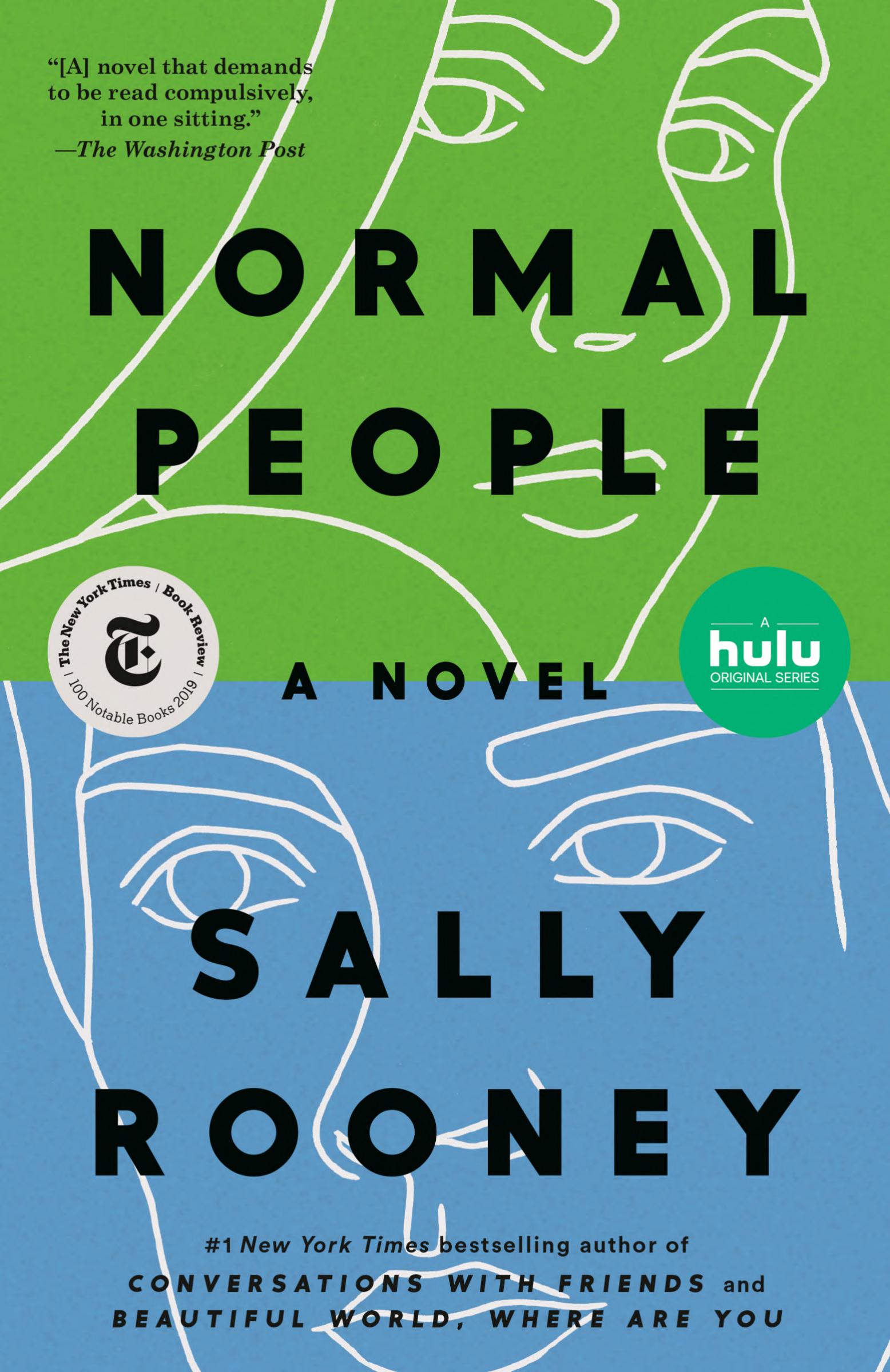
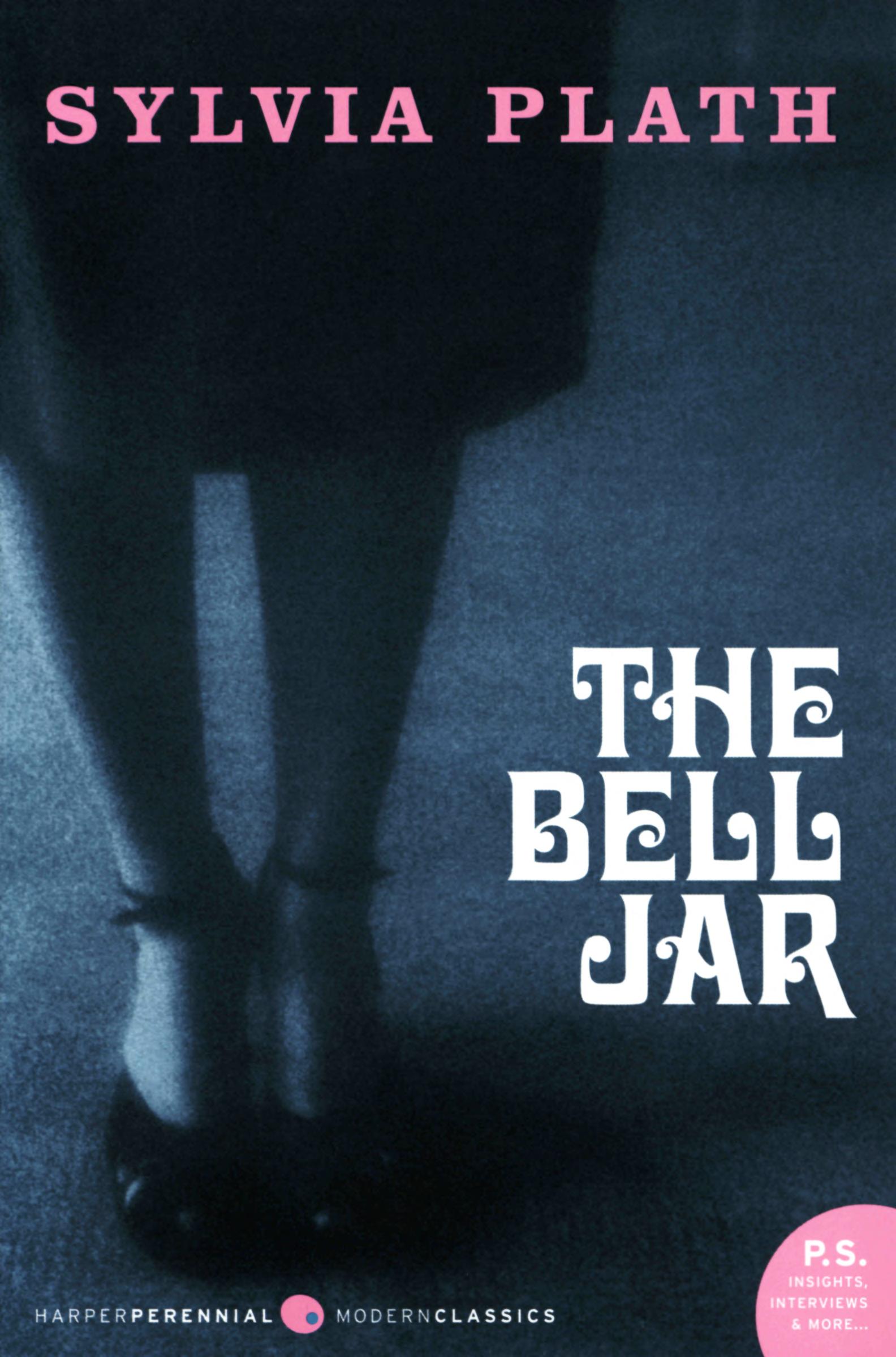
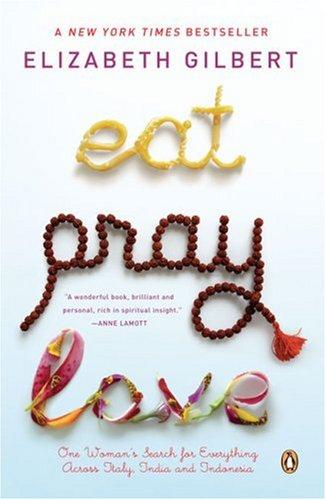
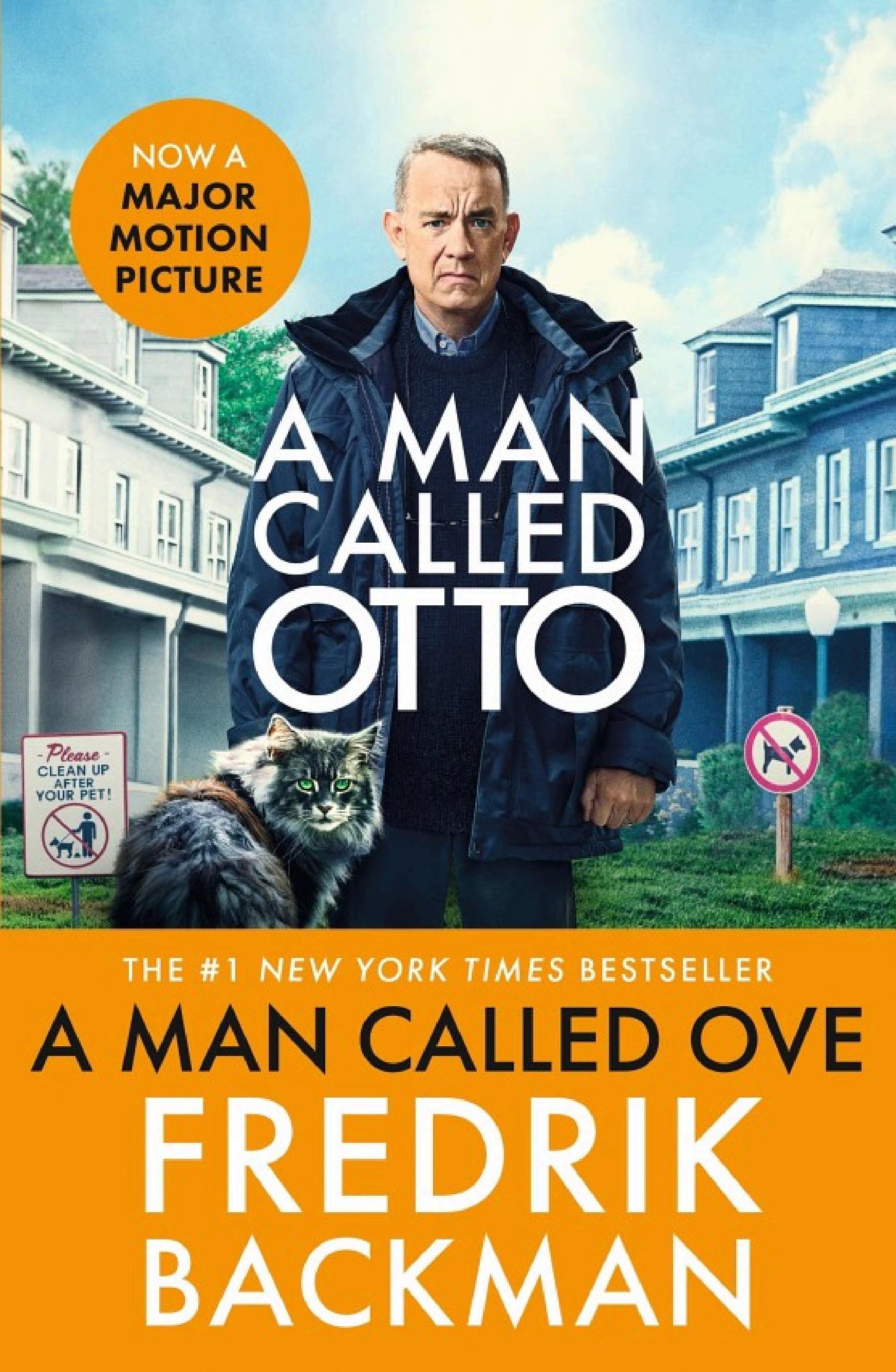
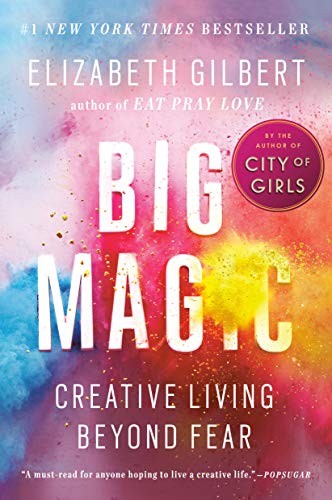
High FidelityNick HornbyThe most honest breakup novel in contemporary fiction, organized around exactly what people actually do after a relationship ends: make lists, revisit old relationships to figure out if they’ve always been the problem, listen to music that confirms how they’re feeling, and avoid understanding themselves for as long as possible. Rob Fleming’s decision to track down his top five most memorable exes is simultaneously absurd and completely recognizable, and Hornby renders the specific emotional avoidance of the recently dumped man with the precision that comes from genuine affection for the subject. The novel is funny and useful in equal measure: funny because it is true, useful because it is true, and both more comforting than anything more directly consoling. Normal PeopleSally RooneyRooney’s novel is organized around the specific torture of a relationship that keeps almost working: two people who are clearly right for each other and who keep failing to be honest at the specific moments when honesty would have mattered. The breakups in Normal People — and there are several — are not about incompatibility but about the specific terror of saying what you need when the other person has the power to decide not to give it. That terror is familiar to anyone who has ended a relationship because communication failed rather than because the feeling did, and Rooney renders it with the most precise prose available for the experience. The right breakup read for anyone currently in the loop of almost. The Bell JarSylvia PlathPlath’s novel is not primarily a breakup book but it belongs on this list because it is the most honest account available of what happens when the cognitive disruption of a difficult period — in Esther Greenwood’s case, far more severe than a breakup — makes the usual strategies for managing daily life unavailable. The bell jar that descends over Esther is not metaphorical; it is what it actually feels like when the ordinary mechanisms of functioning stop working. For readers going through a breakup that has tipped into something more serious — into depression, into the inability to function in ordinary ways — Plath’s rendering of that experience is the most precisely honest company available. Read with care and reach for support if it feels too close. Eat Pray LoveElizabeth GilbertGilbert’s memoir earns its reputation as breakup reading because it is organized around the specific experience of arriving at a life that no longer fits and deciding — at considerable cost — to dismantle it and build something else. The divorce that precipitates Gilbert’s year in Italy, India, and Bali is rendered with enough honesty about what dismantling a life actually feels like that readers in the early stages of major life change consistently find it both useful and comforting. The Italy section is the most immediately pleasurable; the India section is the most demanding; the Bali section delivers on both. The most practically oriented book on this list — Gilbert’s year is something she did, not just something she endured. A Man Called OveFredrik BackmanOve is grieving a death rather than a breakup, but the novel earns its place here because it is organized around the specific question that a breakup asks: who are you when the relationship that organized your identity is gone? Ove’s wife Sonja was the person who made him legible to himself, and the novel is about how he finds — slowly, unwillingly, through the interference of extremely annoying neighbors — that he is more than he thought he was without her. That question — who am I now — is the question a breakup asks, and Backman answers it with more warmth and more comedy than most grief fiction allows. The least painful book on this list and the one most likely to produce something closer to comfort. Big MagicElizabeth GilbertGilbert’s second appearance on this list, and the one that belongs here for a different reason: a breakup clears space, and what you do with that space matters. Big Magic is organized around the argument that creative engagement — making something, being curious about something, following the things that interest you regardless of whether they are practical — is a more sustainable source of identity than any relationship, and that the permission to pursue it doesn’t come from anyone else. For readers who are through the acute phase and wondering what comes next, Big Magic is the most useful thing available: not a way to feel better about what ended but an invitation to start building something that belongs to you alone. Who This Is For
Readers who want honest company during a breakup rather than either escape or instruction — who are not ready to be told it gets better or advised on what they did wrong, but who want books that understand what they are actually experiencing. Also readers who are past the acute phase and trying to figure out who they are on the other side of it. The contemporary and nonfiction catalogues have more in this direction.
If this is a period of serious mental health difficulty, please consider reaching out to a therapist or counselor alongside reading. The Crisis Text Line is available by texting HOME to 741741 in the US.
Frequently asked questions
Q: Is it a good idea to read sad books after a breakup?
A: It depends on what you need. Reading that accurately reflects your experience can reduce the sense of isolation — the feeling that your response is unusual or excessive — which many people find more helpful than distraction. Reading that is too close to your specific situation can be overwhelming. The books here range from directly relevant (High Fidelity, Normal People) to adjacent (A Man Called Ove). Start with what feels right and trust yourself to stop if something is too much.
Q: Why does High Fidelity help so much even though Rob Fleming is kind of insufferable?
A: Because Hornby is honest that Rob is insufferable — the novel is not sympathetic to his behavior in the way that he is sympathetic to himself — and the gap between how Rob understands his situation and how the reader understands it produces the specific comedy of recognition. We laugh at Rob because we recognize him, and we recognize him because Hornby is rendering something true about a certain kind of romantic self-deception. The recognition is the comfort.
Q: Is Eat Pray Love still relevant given when it was written?
A: Yes. The specific details date the book (no smartphones, the cultural context of the early 2000s), but Gilbert’s central experience — arriving at a life that doesn’t fit and deciding to leave it, at considerable social and personal cost — is not dated. The memoir’s emotional core is as useful as it was in 2006.
Q: What should I read if I want something lighter after a breakup?
A: The reading slump post has recommendations for propulsive, mood-lifting books. The romantic comedy post has books organized around the warmth of new beginnings. The Thursday Murder Club for specifically non-romantic comfort. Bridget Jones’s Diary for comic solidarity.
Not sure which of these is right for you specifically? The Pagesmith quiz matches you to books based on your mood, pacing preference, and reading goals, not bestseller lists. Takes two minutes.