What to Read After Intermezzo by Sally Rooney
Intermezzo is a grief novel that uses love as its form -- the space loss creates is where Peter and Ivan actually encounter each other, and the women they love are the people who meet them in that space. These books share the same territory: relationships that could only form in the particular openness that grief produces.
June 2026 · 8 min read · The Pagesmith
Intermezzo is the Rooney novel that has surprised readers most, partly because it is not organized around the same materials as Normal People and Conversations with Friends. Those novels were about desire and class and power in relationships between young people navigating early adulthood. Intermezzo is about grief: two brothers whose father has just died, each responding to the loss by reaching toward someone unexpected, each carrying something the other cannot fully see. The chess game that gives the novel its formal texture is not a metaphor for the relationship — Rooney is too precise a writer for that kind of schematic intention — but it provides an image of what the novel is actually about: two players of very different experience, finding a shared language through a game, which is not quite the same as understanding each other and is better than nothing. The books here share that specific territory: the way loss opens people to connection they could not otherwise achieve, and what those connections look and feel like from the inside.
What Rooney Is Doing in Intermezzo That Her Earlier Novels Were Not
The central Rooney formal signature — prose that enters characters’ consciousnesses with such precision that the reader is inside the experience rather than observing it — is present in Intermezzo but applied to a different subject. Normal People was about desire and its complications; Intermezzo is about the specific way that grief dismantles the structures people have built to avoid vulnerability, and what becomes possible in the gap. Peter and Ivan are both made more accessible by their loss — not kinder or simpler, but more porous — and the women they fall toward are the people who can meet them in that porousness. The books here are organized around similar dynamics: loss as the condition that makes certain kinds of intimacy possible, and intimacy as a form of surviving the loss.
Grief does not make people better. But it sometimes makes them more available — to other people, to their own feelings, to the connections they would have protected themselves from in ordinary life. The best fiction about grief and love is interested in that specific window, and what comes through it.
The Books
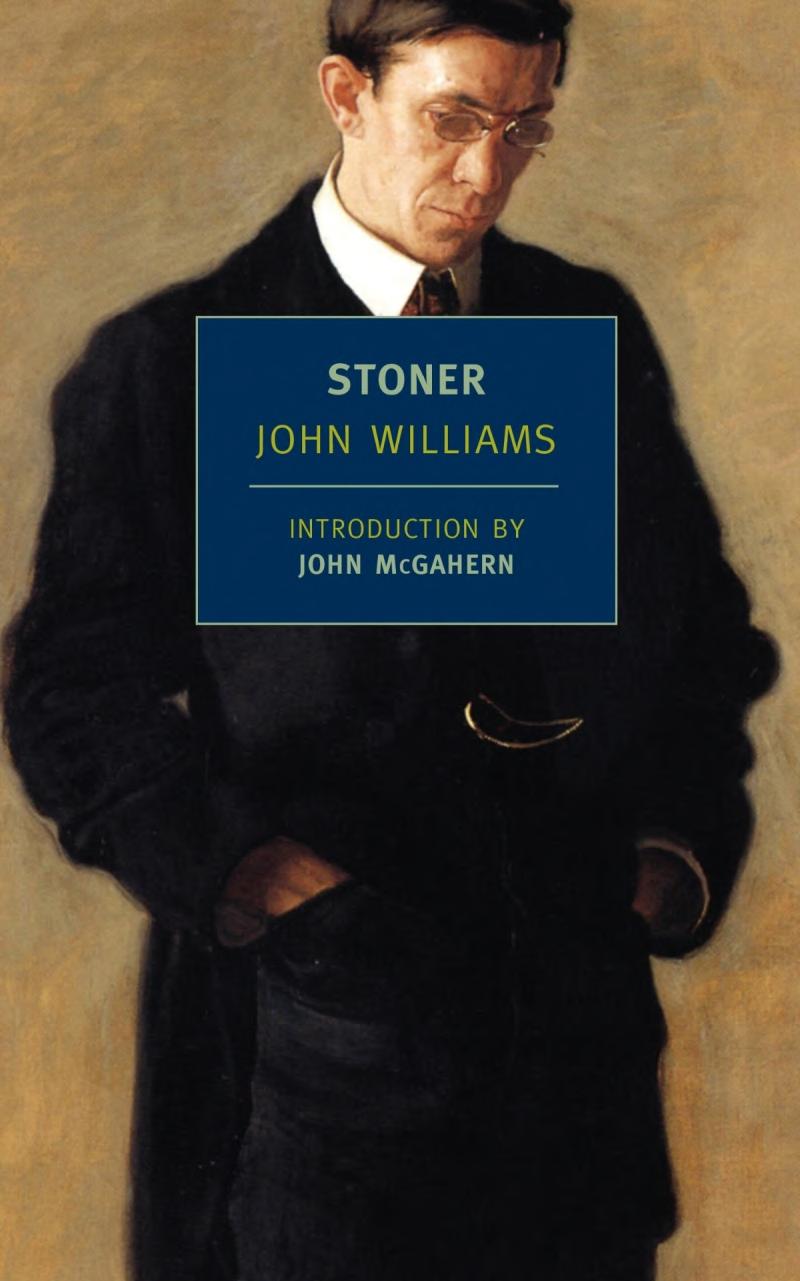
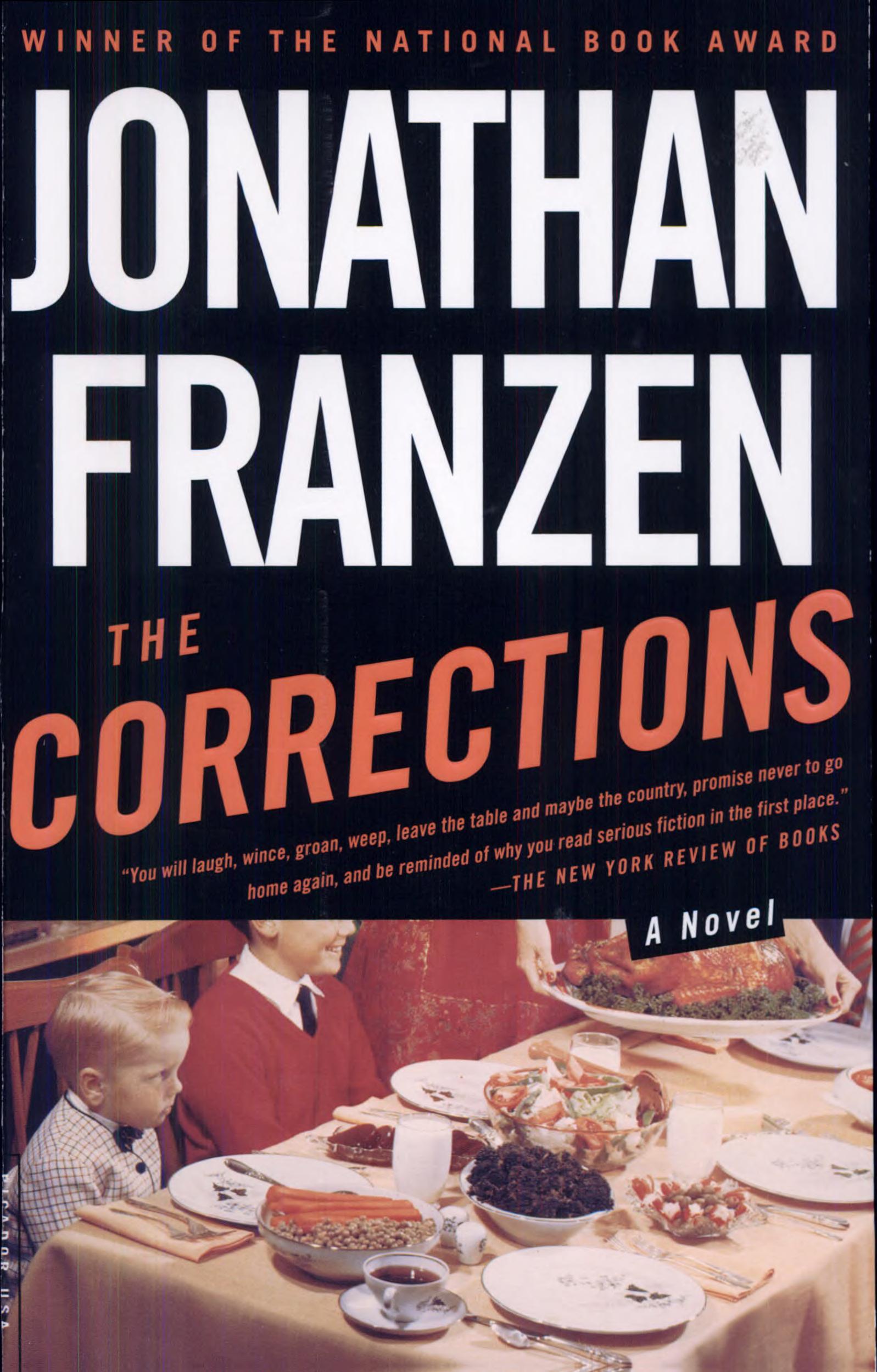
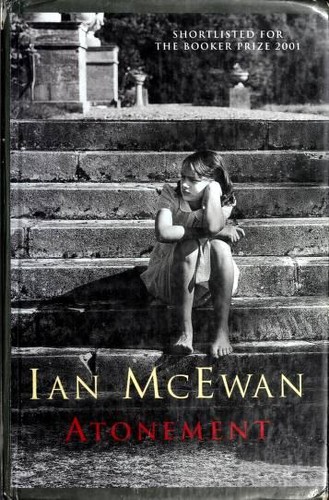
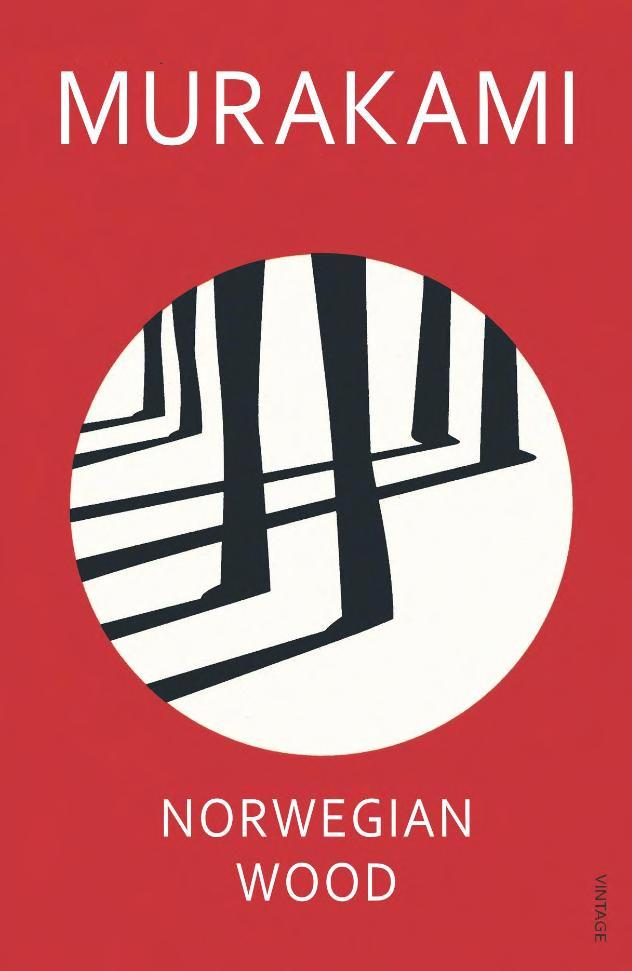
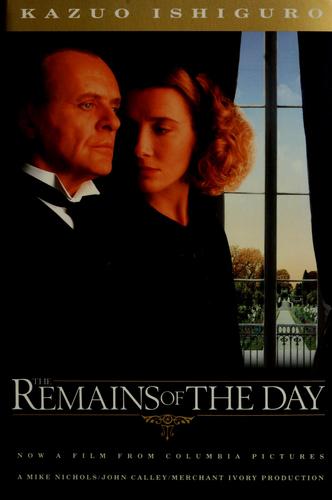
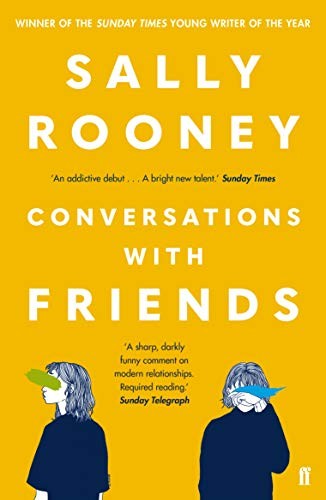
StonerJohn WilliamsThe prose relationship between Intermezzo and Stoner is closer than it might appear: both novels are organized around quiet, internally rich characters making and losing connections across a life rendered in careful detail, and both use the same formal restraint — nothing dramatized, everything observed — to produce emotional weight. Stoner’s love affair with Katherine Driscoll, which arrives in the middle of an otherwise constrained life, shares with Rooney’s novel the specific quality of a connection that is only possible because of the specific conditions that surround it: neither the right time nor the wrong time, simply the time that is available. Williams’s prose is the most tonal companion to Rooney’s in this list. The CorrectionsJonathan FranzenFranzen’s Lambert family novel is organized around siblings navigating the decline of their parents with very different coping mechanisms and very different relationships to the family they came from — which is exactly the dynamic Rooney is examining between Peter and Ivan. The Corrections is louder and more satirical than Intermezzo, and Franzen’s interest in American consumerism gives the novel a sociological dimension Rooney’s doesn’t pursue, but the siblings’ inability to fully understand each other’s grief, or to find the shared language that would help them do so, is rendered with the same psychological precision. The most structurally similar adult literary novel to Intermezzo on this list. AtonementIan McEwanMcEwan’s novel shares Intermezzo’s interest in the relationship between loss and the stories we construct about our intimate lives — specifically, the way the stories we tell ourselves about love and grief are shaped by what we cannot bear to face directly. Both Rooney and McEwan are interested in the gap between a character’s understanding of their own experience and the reader’s broader view of it, and both use that gap to produce their specific kind of emotional weight: the reader perceiving something the character cannot. Atonement is more structurally dramatic and more explicitly about narrative itself, but the quality of intimate observation — the specific texture of what it feels like to be in love and in loss simultaneously — is closely related. Norwegian WoodHaruki MurakamiThe tonal companion: a novel organized around the specific way that grief for a person changes your relationship to the people you subsequently encounter. Toru’s connections after Kizuki’s death — with Naoko, with Midori — are all shaped by what he is carrying, and Murakami renders the specific quality of loving someone while also grieving someone with the flatness and precision that the experience requires. Intermezzo and Norwegian Wood share a willingness to sit with emotional complexity rather than resolve it: both novels are about people who cannot be fully present in one place because part of them is in another, and both render that condition with more honesty than consolation. The Remains of the DayKazuo IshiguroIshiguro’s novel shares Intermezzo’s interest in the connection that arrives too late — or perhaps not too late, but under conditions that make it genuinely difficult. Stevens’s recognition of what he and Miss Kenton had and let pass is Intermezzo’s central emotional territory approached from the other side: not the grief that opens people to connection but the connection that was always available and that certain kinds of grief make finally visible. Both novels are interested in the specific moment of recognition — the moment a character understands something about their emotional life that they had been managing not to understand — and what is possible after that recognition. The most tonally restrained companion to Rooney on this list. Conversations with FriendsSally RooneyRooney’s debut is the natural companion for Intermezzo readers who want to understand what she was doing before she arrived at her fourth novel’s more expansive register. Frances’s relationship with Nick — married, older, discovered through her friendship with his wife — is organized around the same quality of connection that Intermezzo examines: the intimacy that forms in the specific conditions of a life that doesn’t fully accommodate it, between people who cannot quite be honest with each other or with themselves. The prose is tighter and cooler than Intermezzo, the emotional register more compressed, but the formal interest — in the gap between what people say and what they mean, between what they want and what they can acknowledge wanting — is identical. Who This Is For
Readers who finished Intermezzo understanding that the central subject was not the age-gap romance or the sibling rivalry but the specific emotional landscape that grief produces — and who want more literary fiction organized around the same quiet, precise attention to people navigating loss and love simultaneously. Also readers who loved Normal People and found Intermezzo unexpectedly more moving, and who want to understand where that shift in register took Rooney and which other writers share that territory.
Frequently asked questions
Q: Do I need to read Rooney’s earlier novels before Intermezzo?
A: No. Intermezzo stands entirely independently and is accessible to readers who have not read Normal People or Conversations with Friends. That said, readers who have read the earlier novels will notice the tonal and formal development, and many find Intermezzo’s expanded emotional register more satisfying for having understood what preceded it.
Q: Is Intermezzo Rooney’s best novel?
A: Opinions are genuinely divided. Readers who loved Normal People for its romantic intensity sometimes find Intermezzo less immediately gripping. Readers who found Normal People’s milieu narrow find Intermezzo’s wider emotional scope more rewarding. Most critics who have read all four consider Intermezzo her most ambitious and mature work; most readers who have only read Normal People find the earlier novel more immediately satisfying. Both assessments are defensible.
Q: What is Intermezzo specifically about?
A: Two brothers in Dublin following the death of their father: Peter, a successful lawyer in his thirties managing his grief through pharmaceutical sleep and a complicated entanglement with his ex-girlfriend, and Ivan, twenty-two, a chess prodigy who falls unexpectedly into a relationship with a woman in her thirties he meets at a tournament. The novel follows both brothers across several months, alternating perspectives, interested in how differently two people can respond to the same loss and what those different responses reveal about who they are.
Q: What should I read after Conversations with Friends?
A: Normal People, Rooney’s second novel, is the natural progression — more expansive, more emotionally demanding, organized around a longer timeline. Beautiful World, Where Are You is her third and the most meta-aware, explicitly about the difficulty of writing fiction about intimate life. Intermezzo is the culmination of the project: the novel where she gives herself the most space and her characters the most room.
Not sure which of these is right for you specifically? The Pagesmith quiz matches you to books based on your mood, pacing preference, and reading goals, not bestseller lists. Takes two minutes.