Campus Fiction: The Best Books Set in School and College
Campus fiction uses its closed institutional world to stage arguments about intellectual life, social hierarchy, and what it costs to gain or lose belonging in a world defined by who is allowed in. The best of it understands that the campus is not a safe space for education but a pressure cooker for exactly the human qualities that education claims to develop.
June 2026 · 8 min read · The Pagesmith
The campus novel is one of the oldest subgenres in English-language fiction, and it has never been more popular. What drives the form is not nostalgia for academic life but something more structural: the campus is a closed world with clearly defined hierarchies and a stated purpose — education, the life of the mind — that is in consistent and revealing tension with its actual operations. The stated purpose is democratic: the best idea wins, the hardest worker succeeds, intellectual merit is the currency. The actual operations are organized around money, social capital, and the specific power dynamics of institutions that select for certain kinds of people and then pretend the selection is neutral. The best campus novels use that tension as their dramatic engine, and the books here are all organized around the gap between what the institution claims to be and what it actually does.
Why the Campus Novel Endures
The appeal of campus fiction for non-academics is the same appeal that closed-room mysteries have: a limited cast of characters in a contained environment, forced into proximity, producing the kinds of conflict that reveal who people actually are beneath their social performances. The campus intensifies this by adding the specific pressure of intellectual life — the evaluation of ideas and people by ostensibly meritocratic standards — which makes the hypocrisies more legible and the social hierarchies more interesting. When Donna Tartt’s Dellecher Greek seminar turns murderous, it is revealing something specific about the academic world’s pretensions, not simply adding drama to a neutral setting. The books here all use their campus settings the same way: as the formal device that makes certain kinds of human behavior visible.
The campus is where intellectual life is supposed to happen and where the full range of human behavior — cruelty, ambition, desire, cowardice, genuine love of ideas — happens alongside it. The best campus fiction is interested in both, and in the gap between the institution’s account of itself and what actually occurs in its buildings.
The Books
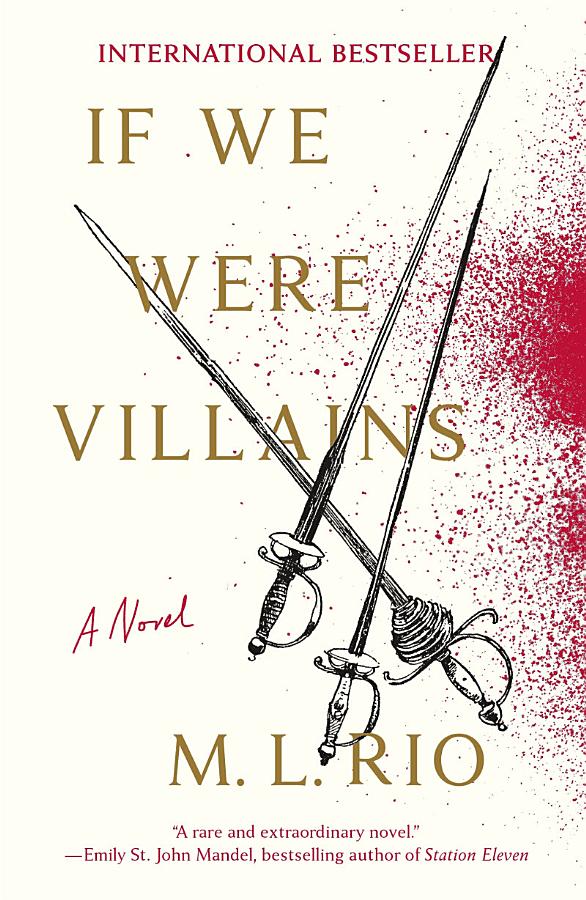
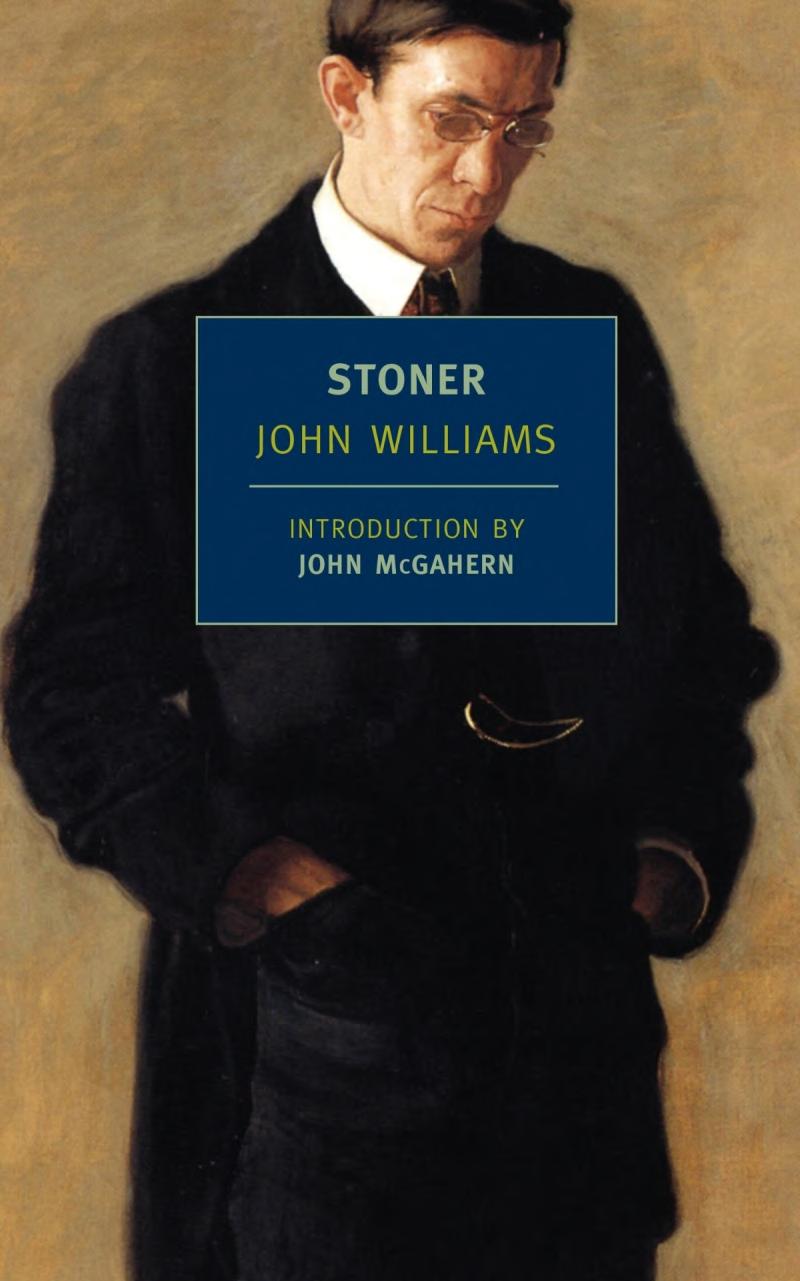
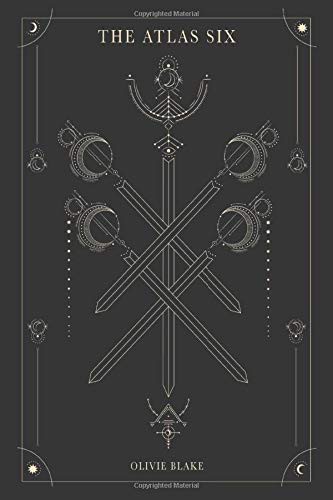
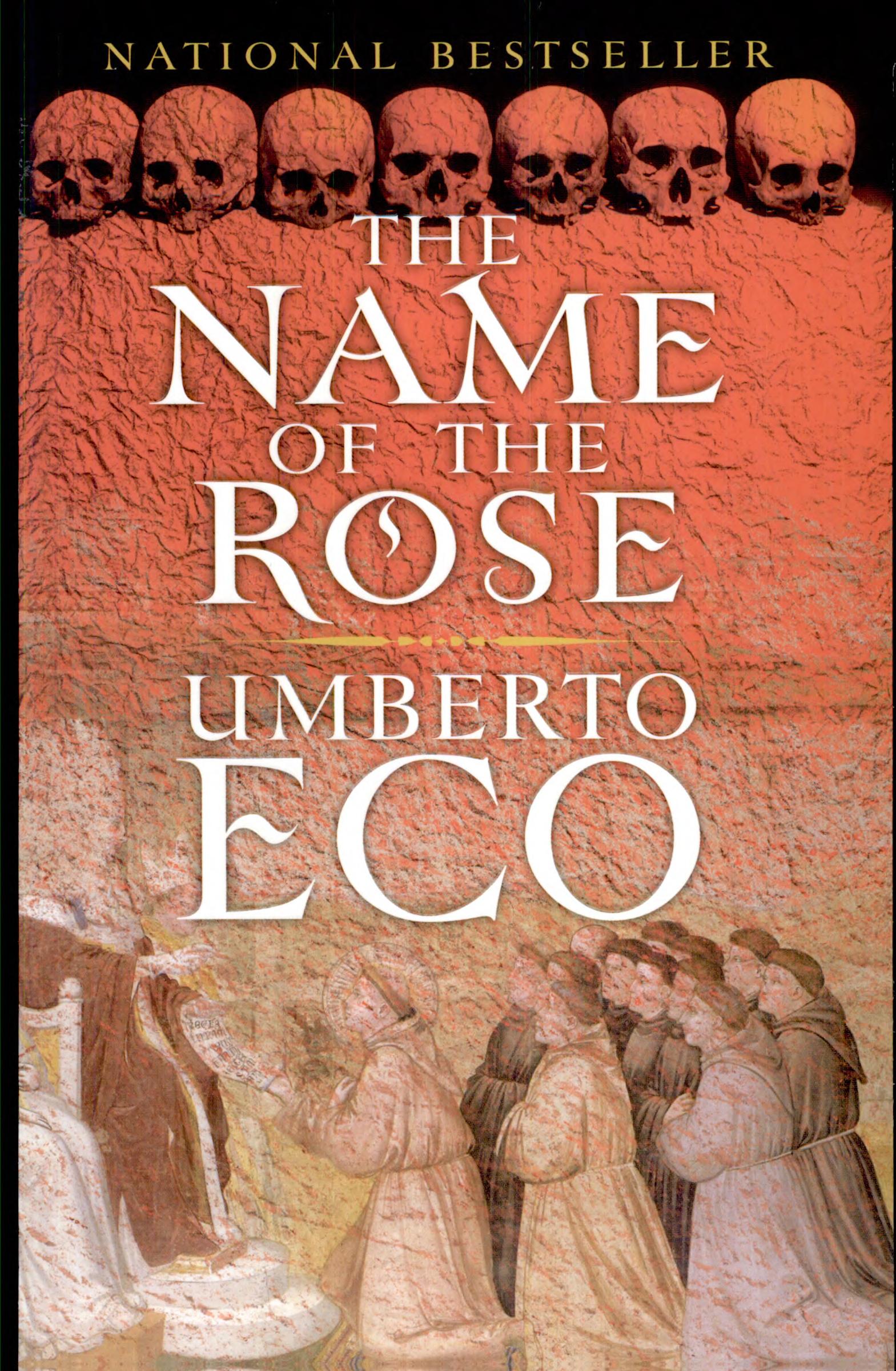
The Secret HistoryDonna TarttThe campus novel against which all subsequent campus fiction is measured, and the one that most completely exposes the gap between the academic world’s aesthetic pretensions and its moral capacity. Richard Papen gains access to the Greek seminar at Dellecher College and finds a world of extraordinary beauty — the aesthetic education Julian Morrow provides, the specific pleasure of a small group pursuing ideas together — alongside moral emptiness so complete that the group can murder one of their own members and collectively rationalize it as necessary. Tartt’s argument is that the aesthetic and the moral are not the same thing, and that the academic world’s confusion of them is both its central attraction and its central failure. The most psychologically precise campus novel available. If We Were VillainsM.L. RioRio’s Shakespeare conservatory novel is the most direct companion to The Secret History: seven acting students at Dellemore College whose curriculum requires them to inhabit characters from Shakespeare’s plays so completely that the boundary between performance and actual identity becomes genuinely unstable. The murder — of the student who plays the villain so well that his classmates begin to treat him as if he is one — arrives through the same logic as The Secret History’s: a group so enclosed in their shared aesthetic world that its categories replace the ordinary moral ones. Rio writes with genuine affection for Shakespeare and for the specific intoxication of serious theatrical training, which makes the novel’s dark turn land harder than it would if she had been more detached. StonerJohn WilliamsThe campus novel from the other end of the hierarchy: not the student gaining access but the professor spending a career inside. Williams renders the University of Missouri English department across four decades with the same precision he brings to Stoner’s inner life, and the result is the most complete portrait available in fiction of what the academic institution actually does to the people who dedicate their working lives to it. The petty politics, the institutional cruelties, the specific way that the love of literature — the ostensible purpose of the whole enterprise — is suppressed by the machinery designed to serve it: all are rendered with the unflinching honesty that makes Stoner the most instructive campus novel for anyone who works or has worked inside an academic institution. The Atlas SixOlivie BlakeBlake’s dark academia fantasy applies the campus novel’s structure to a magical selection process: six magicians chosen by the Alexandrian Society for a year of access to its library of forbidden knowledge, with the understanding that only five will survive the year. The setup is The Secret History with explicit competition mechanics, and Blake is as interested as Tartt in what the promise of rare intellectual access does to the people who are granted it. The six recruits are individually realized with enough psychological complexity that the moral calculation of each survival choice is genuinely complicated, and the novel’s refusal to make any of them simply good or simply villainous is what distinguishes it from the genre that the cover art suggests. Never Let Me GoKazuo IshiguroHailsham is a boarding school organized around an educational philosophy and a purpose that the students are never directly told — which is the campus novel’s institutional gap made literal rather than figurative. Ishiguro uses the school setting to examine what institutions do when their stated purpose (education, development, the cultivation of artistic potential) is in fundamental tension with their actual purpose, and what happens to the people who are shaped by that tension without being permitted to understand it. The horror of Never Let Me Go is organized around what the school prepared the students to be and how comprehensively it succeeded: they are exactly what Hailsham made them, and that is the problem. The most formally intelligent campus novel on this list. The Name of the RoseUmberto EcoThe medieval monastery is not a campus in the modern sense, but it is the foundational institution for Western intellectual life, and Eco’s novel uses it as the campus novel’s direct ancestor. The Benedictine abbey’s library — its most valuable resource, controlled with the violence of institutional power — is where the campus novel’s central tension is made fully explicit: knowledge as the stated purpose of the institution, and the suppression of knowledge as its actual practice. William of Baskerville investigating the murders understands the institution from the inside, and his understanding — that the institution’s official self-presentation and its actual operations are always in tension — is the understanding that every campus novel begins from. The most historically grounded entry on this list and the one that makes the form’s intellectual argument most directly. Who This Is For
Readers who find the closed institutional world of school and college compelling as a fictional setting — who are interested in what happens to people when the institution’s stated values and its actual operations diverge, and who want the full range of what the campus novel can do, from thriller to tragedy to literary fiction to medieval mystery. Also readers who loved The Secret History and If We Were Villains and want to understand the broader tradition they belong to. The literary fiction and thriller and mystery catalogues have more in this direction.
Frequently asked questions
Q: What is dark academia and how is it different from campus fiction generally?
A: Dark academia is a specific aesthetic and genre within campus fiction that emphasizes the Gothic elements — the ivy-covered institutions, the obsession with classical learning, the dangerous intensity of small groups of brilliant and morally compromised young people. The Secret History is the foundational text; If We Were Villains and The Atlas Six are its most prominent recent descendants. Campus fiction more broadly includes any fiction substantially set in educational institutions, including warmer and less Gothic versions.
Q: Is Stoner specifically about academia or is the university just the setting?
A: The university is both setting and subject. Williams uses the academic institution to examine what happens to a genuine love of literature when it is processed through the machinery of academic careers, departmental politics, and professional evaluation. The setting is not incidental; the specific qualities of university life — the tenure system, the institutional hierarchy, the gap between the love of ideas and the bureaucracy organized to manage that love — are the formal tools Williams uses to render what happens to Stoner’s life.
Q: What should I read after The Secret History?
A: If We Were Villains is the most direct companion in terms of genre and structure. The Little Friend, Tartt’s second novel, is entirely different in setting but shares the first novel’s quality of sustained suspense and childhood as the site of moral formation. The Goldfinch is her third and most expansive, a decade in the life of a boy who steals a painting from a bombed museum. All three are essential Tartt.
Q: Is The Atlas Six appropriate for readers who primarily read literary fiction?
A: The prose is not at the level of Tartt or Ishiguro, but the moral complexity and the character dynamics are developed enough that literary fiction readers who approach it without genre resistance find it satisfying. It is organized around the same fundamental interest as The Secret History — what the promise of rare intellectual access does to the people who have it — and delivers that interest with more plot mechanics and less prose precision.
Not sure which of these is right for you specifically? The Pagesmith quiz matches you to books based on your mood, pacing preference, and reading goals, not bestseller lists. Takes two minutes.