Love is the subject of almost every novel worth reading, but the romance genre and literary fiction approach it very differently. Romance promises resolution — the happy ending is a formal commitment, a genre contract. Literary fiction has no such contract. It is free to show love as partial, as damaging, as the thing a person builds a life around even when it offers nothing back, as the force that makes people smaller or larger or both simultaneously. The books below treat love the way it actually operates — not as a problem to be solved but as a condition to be lived with.
Love as the thing you cannot name
Some of the most precise love stories in literary fiction are ones where the love between characters has no category — it exists outside the available vocabulary, which is exactly what makes it so powerful.
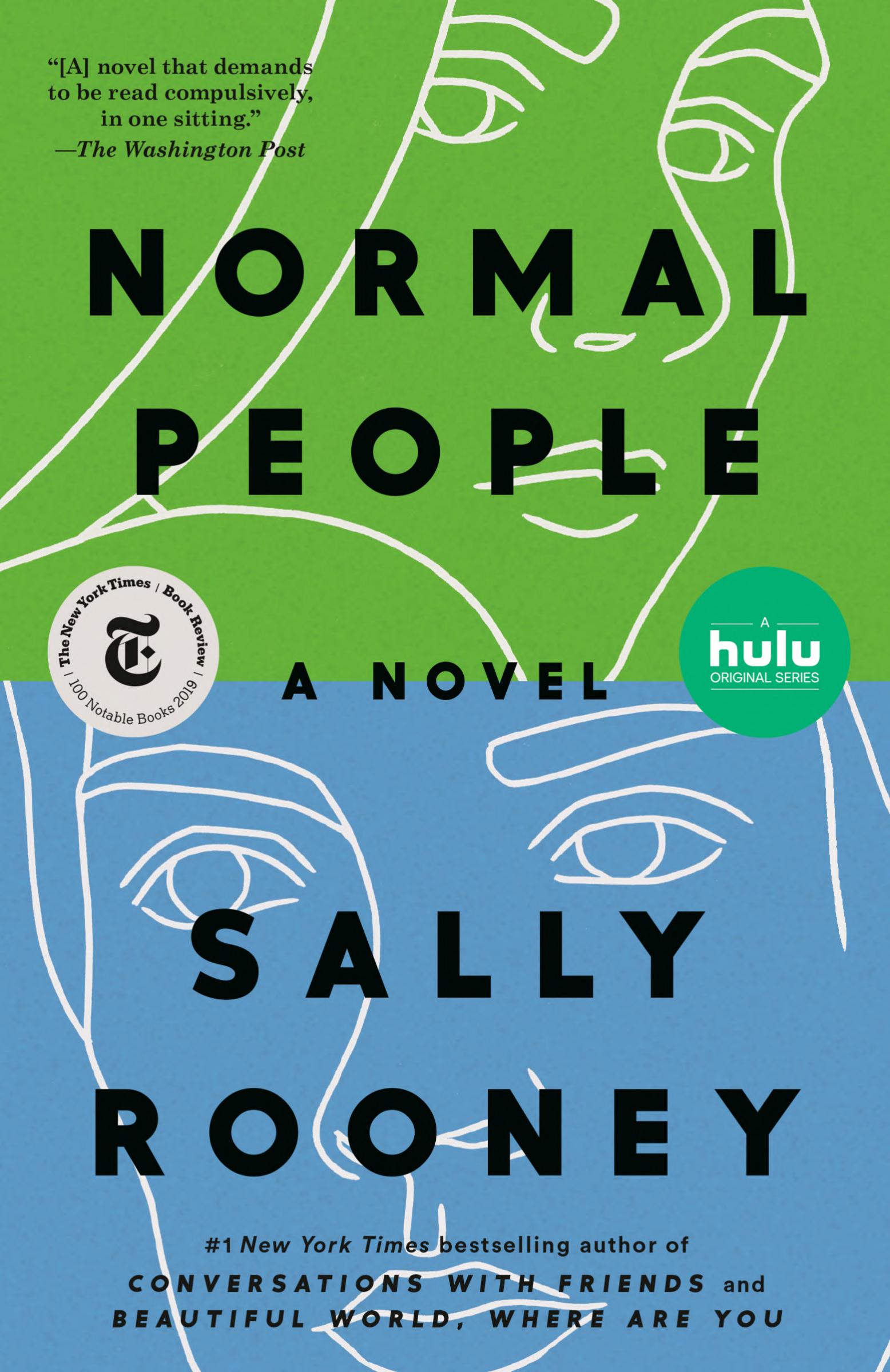
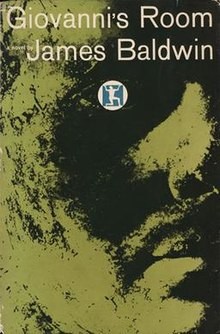
Literary fiction is free to show love as partial, costly, and never resolved — which is how it actually operates, and why these novels often feel truer than the ones that end happily.
Love that outlasts what it was
Some of the most powerful love stories in literary fiction are about what remains after the original feeling has changed form — love as loyalty, as habit, as the structure a life was built around.
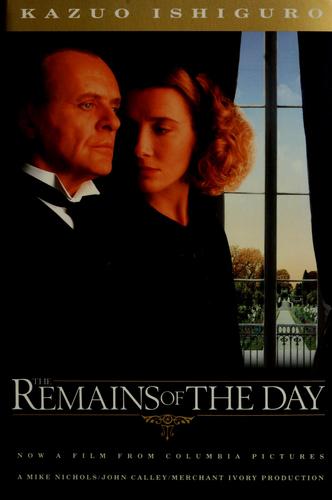
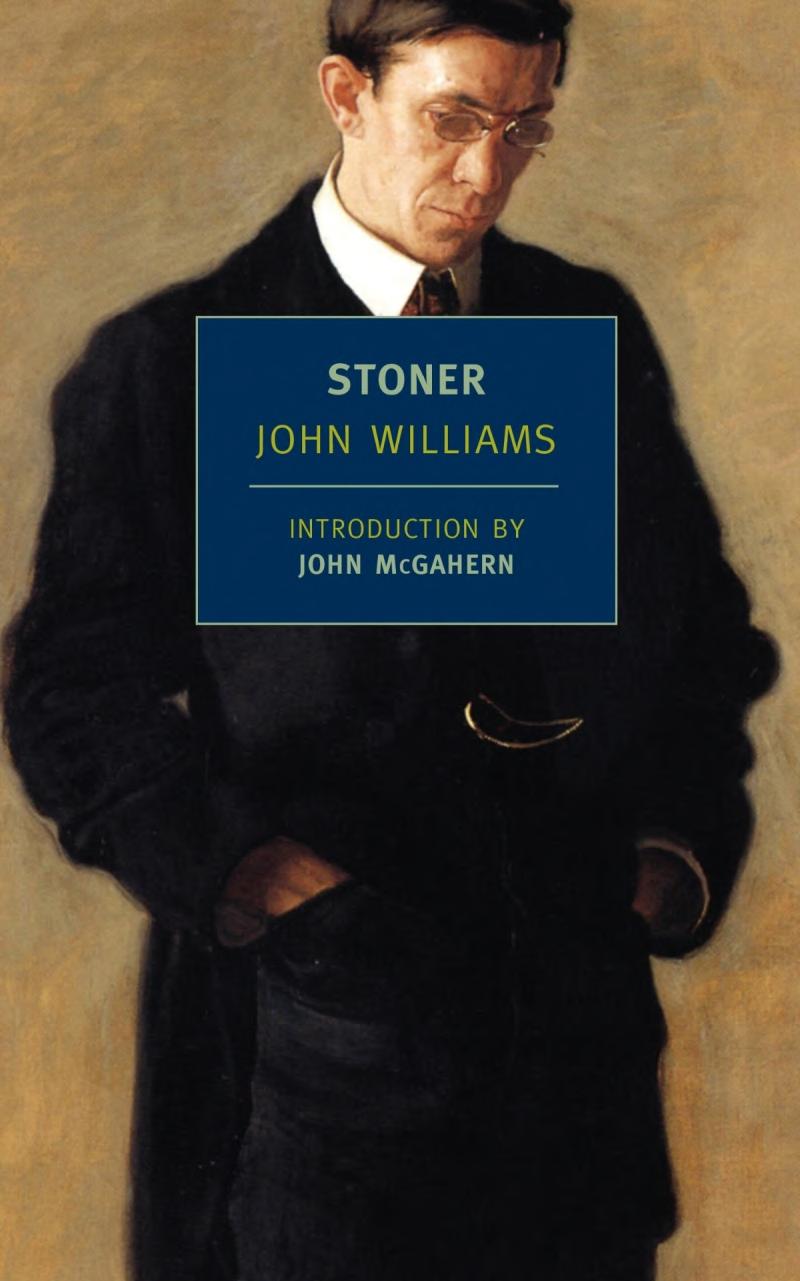
Love between characters who shouldn’t love each other
Who this is for
This list is for readers who want love as a subject rather than a genre — who find romance novels too formulaic but miss the emotional intensity they offer. If you want the most devastating, The Remains of the Day or Giovanni’s Room. If you want the most contemporary and accessible, Normal People. Browse literary fiction and contemporary fiction for more.
Frequently asked questions
Q: What are the best literary novels about love? A: The Remains of the Day by Kazuo Ishiguro is the most critically acclaimed — a love story where the word love never appears. Normal People by Sally Rooney is the most contemporary. Stoner by John Williams is the most quietly devastating.
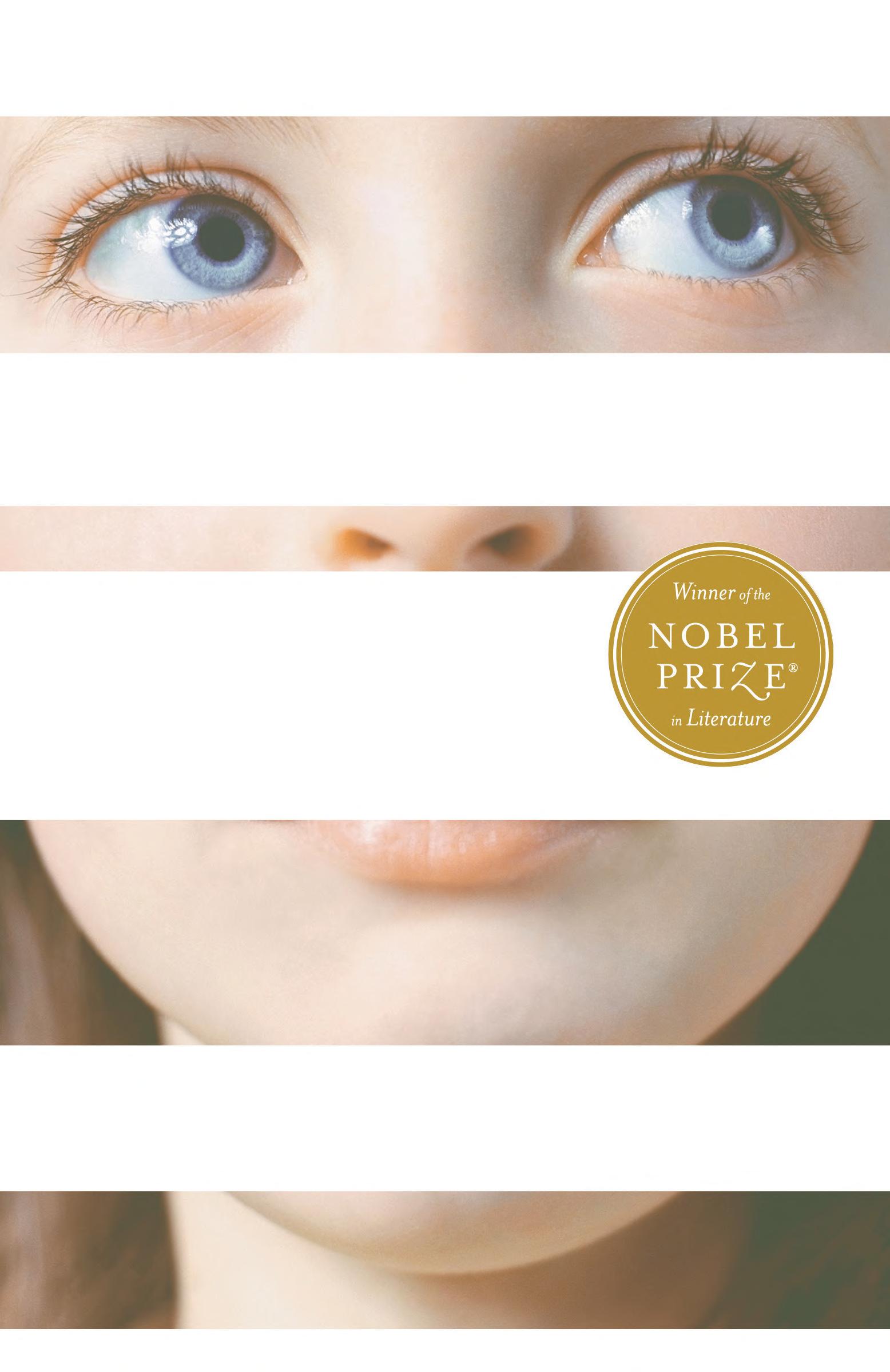
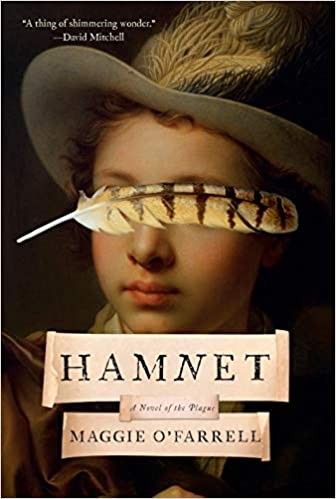
Q: What books about love are not romantic? A: Giovanni’s Room by James Baldwin is about love as a refusal. Never Let Me Go is about love under impossible constraint. Hamnet is about love transformed by grief. All three treat love as something complicated and costly rather than as a problem with a solution.
Q: Are there books about love for people who don’t like romance novels? A: Yes — this entire list. The distinction is that these books do not promise a happy ending and do not use love as a narrative mechanism. Normal People is the most accessible starting point for readers who find romance novels too predictable but want the emotional intensity they provide.
Q: What is the most romantic literary novel? A: Jane Eyre by Charlotte Bronte is the canonical answer — a romance that is also a coming-of-age story, a gothic novel, and an early feminist argument. The Time Traveler’s Wife by Audrey Niffenegger is the most emotionally devastating contemporary option.
Not sure which of these is right for you specifically? The Pagesmith quiz matches you to books based on your mood, pacing preference, and reading goals — not bestseller lists. Takes two minutes.