The best books about war share a quality: they refuse to resolve the experience into meaning. Meaning is what war mythology does — the sacrifice was necessary, the victory was worth it, the dead are remembered. The best war literature knows that this accounting is false comfort. It accounts instead for the specific cost: to the individuals inside it, to the families waiting, to the landscape, to the possibility of ordinary life.
Fiction: war as the characters experience it
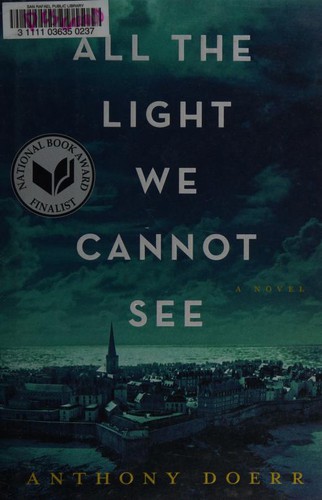
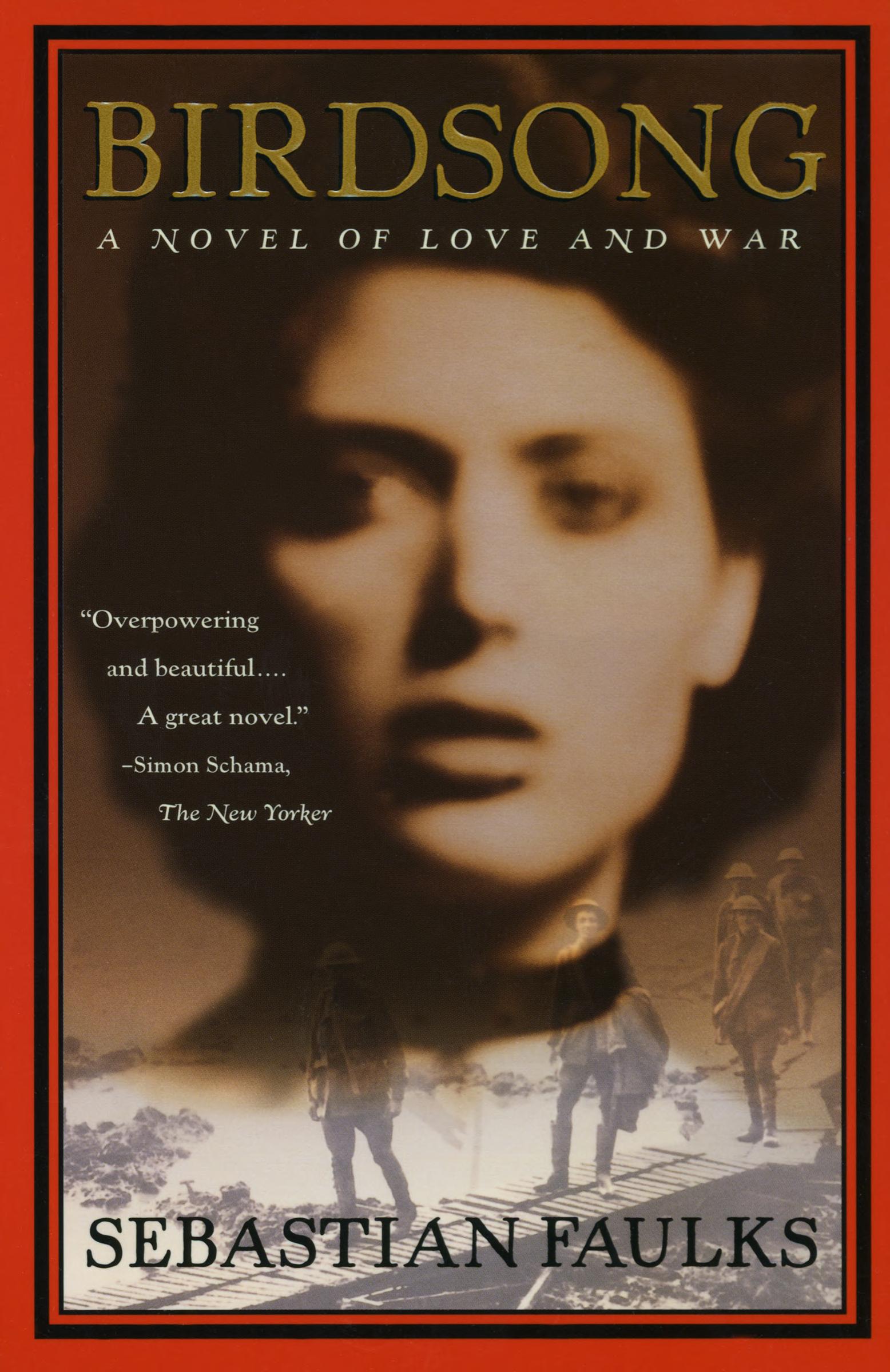
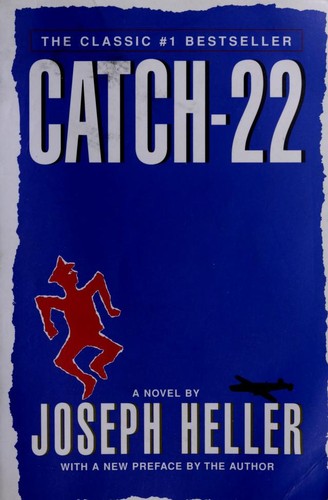
The best books about war refuse to resolve the experience into meaning. Meaning is what war mythology does. These books account for the specific cost instead.
The book that shouldn’t be forgotten
Nonfiction: testimony and witness
Who this is for
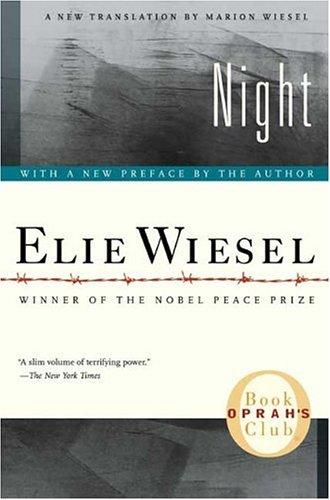
This list covers the full range of war literature: accessible historical fiction, savage satire, devastating memoir, and literary nonfiction. If you want the most emotionally powerful novel, All the Light We Cannot See. If you want the most honest satire of military logic, Catch-22. If you want the most important testimony, Night. Browse historical fiction and nonfiction for more.
Frequently asked questions
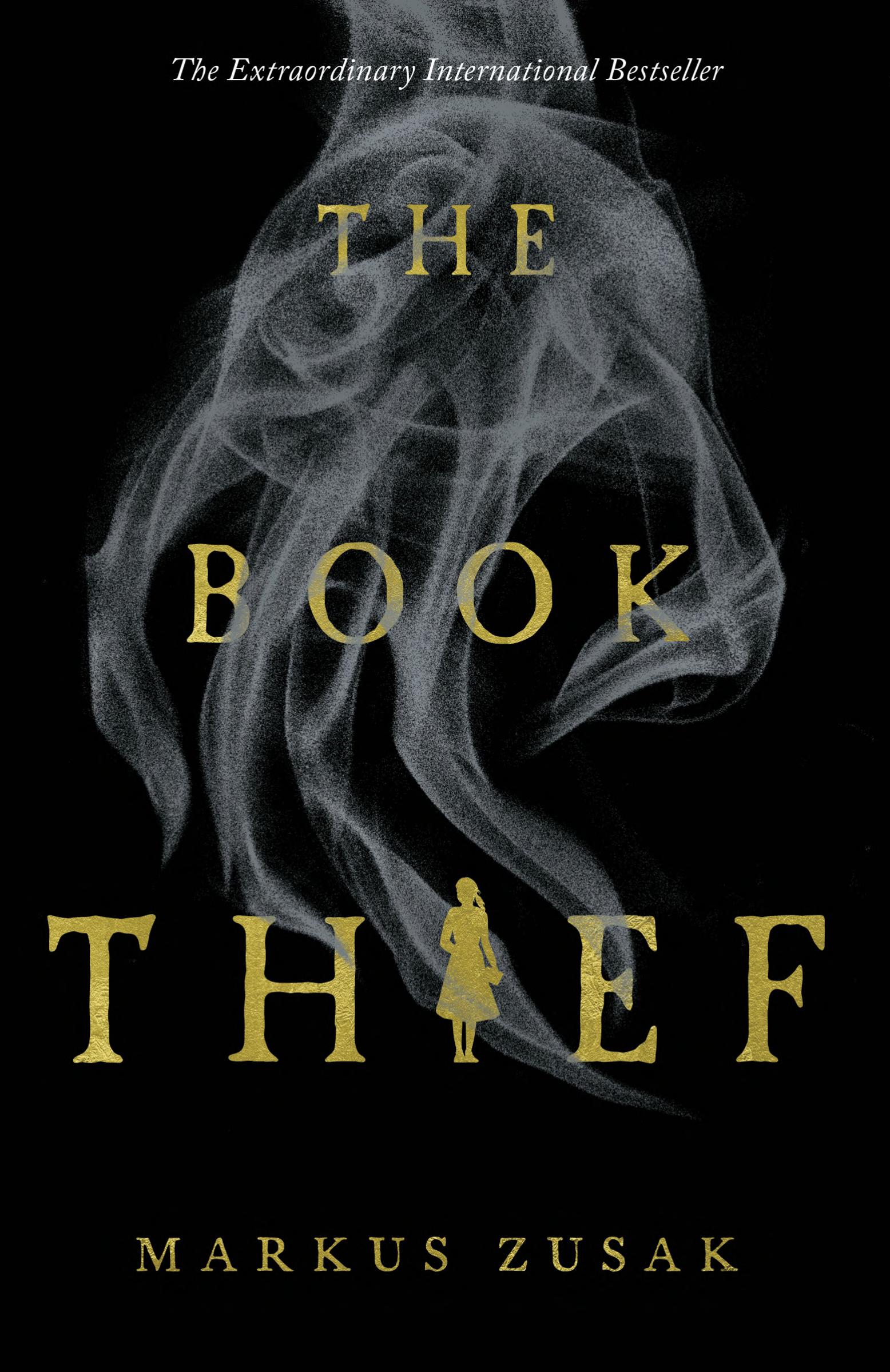
Q: What is the best novel about World War II? A: All the Light We Cannot See by Anthony Doerr is the most decorated recent example. The Book Thief by Markus Zusak is the most widely read. Birdsong by Sebastian Faulks covers both World Wars and is the most viscerally immediate.
Q: What are the best anti-war books? A: Catch-22 by Joseph Heller is the greatest anti-war satire in English. Slaughterhouse-Five by Kurt Vonnegut is the other essential anti-war novel, covering the firebombing of Dresden. Night by Elie Wiesel is the most powerful anti-war testimony.
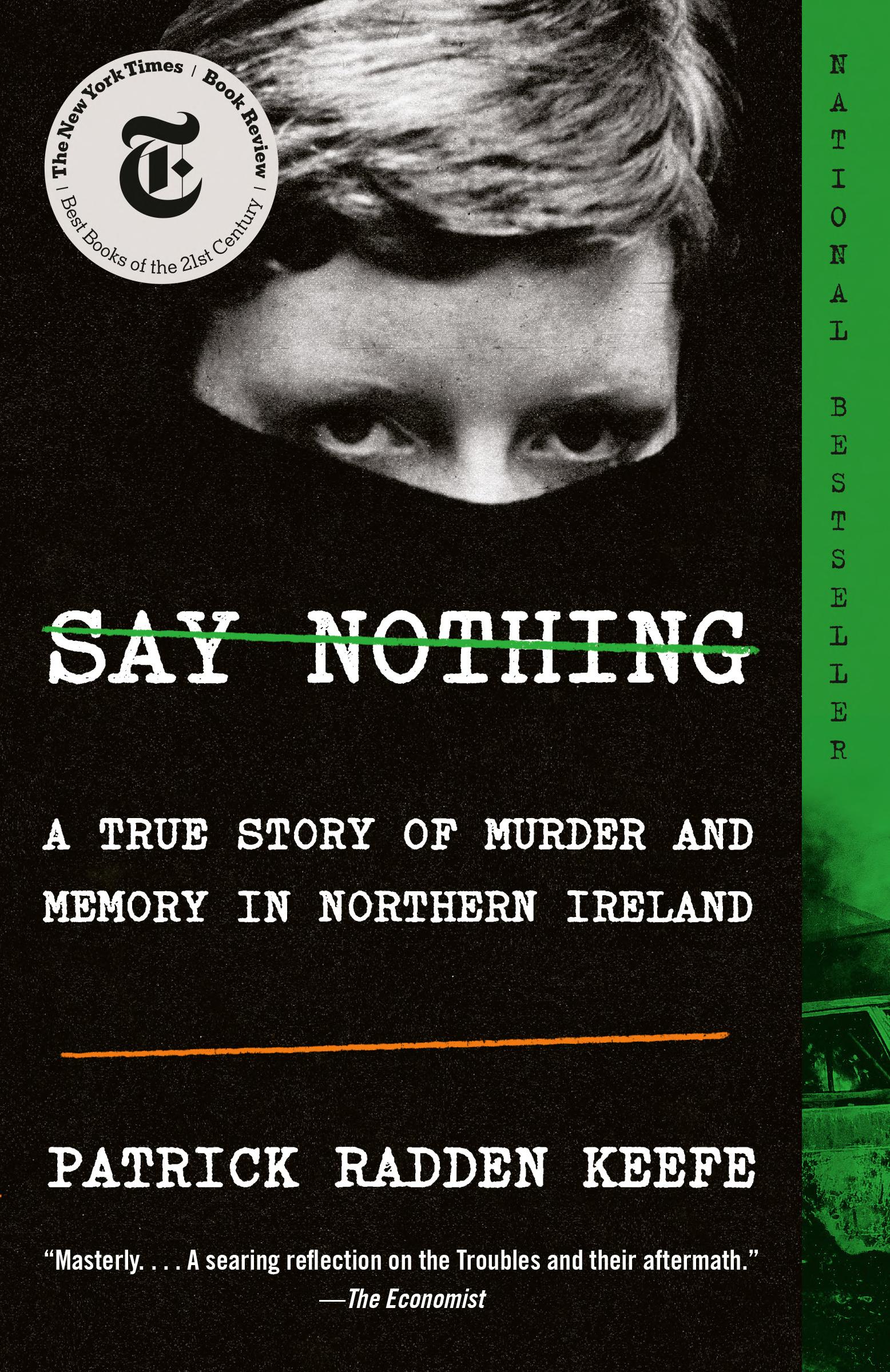
Q: What nonfiction books about war are worth reading? A: Night by Elie Wiesel is non-negotiable. Say Nothing by Patrick Radden Keefe is the best recent narrative nonfiction about political violence. The Warmth of Other Suns by Isabel Wilkerson, while not about war directly, is essential reading about the violence of American racial history.
Q: Are war books always depressing? A: Not always. Catch-22 is one of the funniest novels ever written, even as it makes a serious argument. The Book Thief finds love and defiance inside history’s darkest chapter. The best war literature contains both — it’s honest about the cost without making hopelessness the only available response.
Not sure which of these is right for you specifically? The Pagesmith quiz matches you to books based on your mood, pacing preference, and reading goals — not bestseller lists. Takes two minutes.