Best Books for Jane Austen Fans Who've Read Everything
What Austen readers love is not period costume but a specific intelligence: social systems rendered so precisely that the reader sees both their logic and their cruelty. These books deliver that precision in different centuries and settings.
May 2026 · 7 min read · The Pagesmith
Jane Austen readers who have exhausted the six novels and moved through the most common recommendations — more Georgette Heyer, more Gaskell — often find themselves stalling because the recommendations keep coming back to period and setting. The assumption is that Austen readers want Regency England, or something closely adjacent to it. But what Austen actually delivers is something that transcends setting entirely: a prose intelligence so precise about how social systems generate and enforce their values that the reader cannot help but see both the logic and the cruelty simultaneously. The comedy is inseparable from the analysis. The romance is inseparable from the social argument. The books here deliver versions of that specific combination in Victorian England, Gilded Age New York, nineteenth-century Russia, and elsewhere — books that share Austen’s essential project without sharing her period.
What Austen Is Actually Doing
The social comedy in Austen is often underestimated because it is so pleasurable. But the precision of her observation — the way Mr. Bennet’s irony and Mrs. Bennet’s anxiety are both responses to the same social reality, just processed differently — is doing serious work. Austen understood that marriage was not primarily a romantic institution but an economic and social one, and that understanding produced her best comedy and her deepest critiques simultaneously. The books here share that double vision: they render the social world with enough precision that its mechanisms are legible, which means the reader can appreciate the characters’ navigation of those mechanisms while also seeing clearly what is being required of them.
Austen is not primarily a romantic novelist. She is the most precise analyst of the relationship between social structure and individual desire that the English novel has produced, and she delivers that analysis as comedy, which is the harder achievement.
The Books
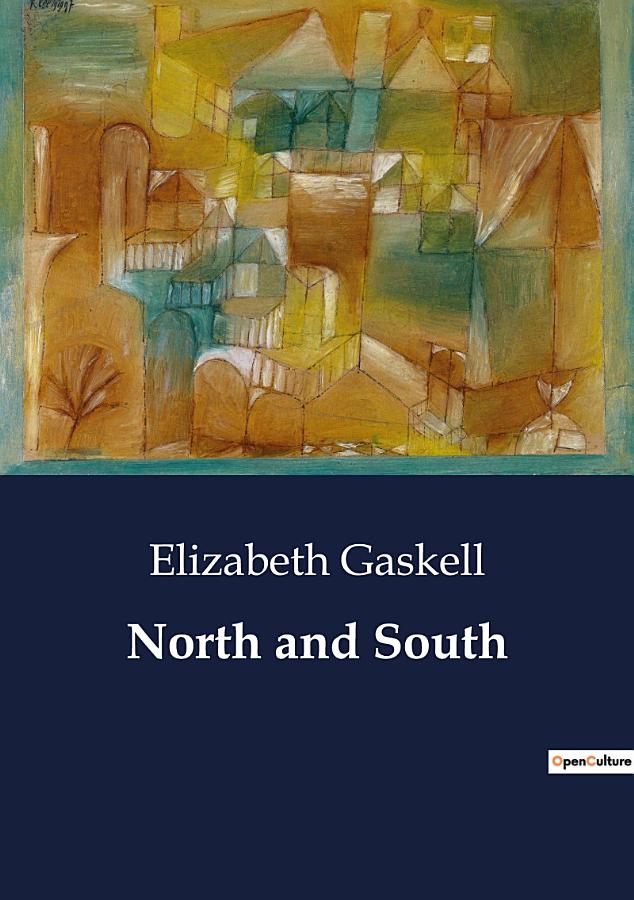
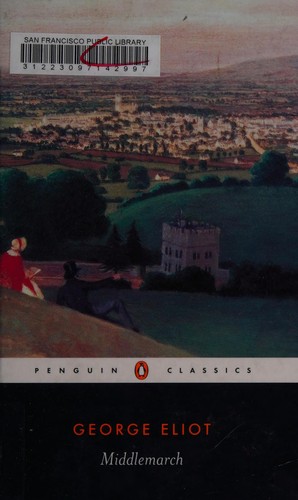
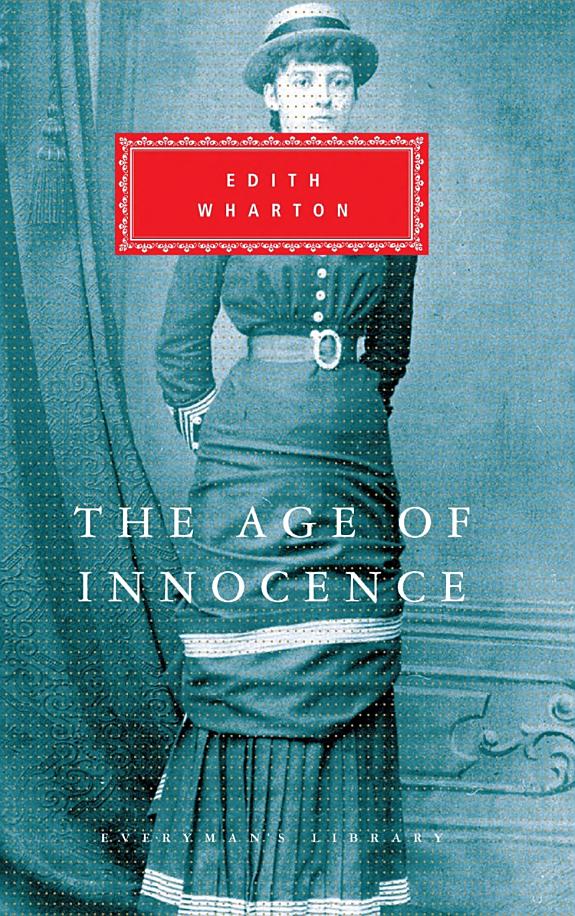
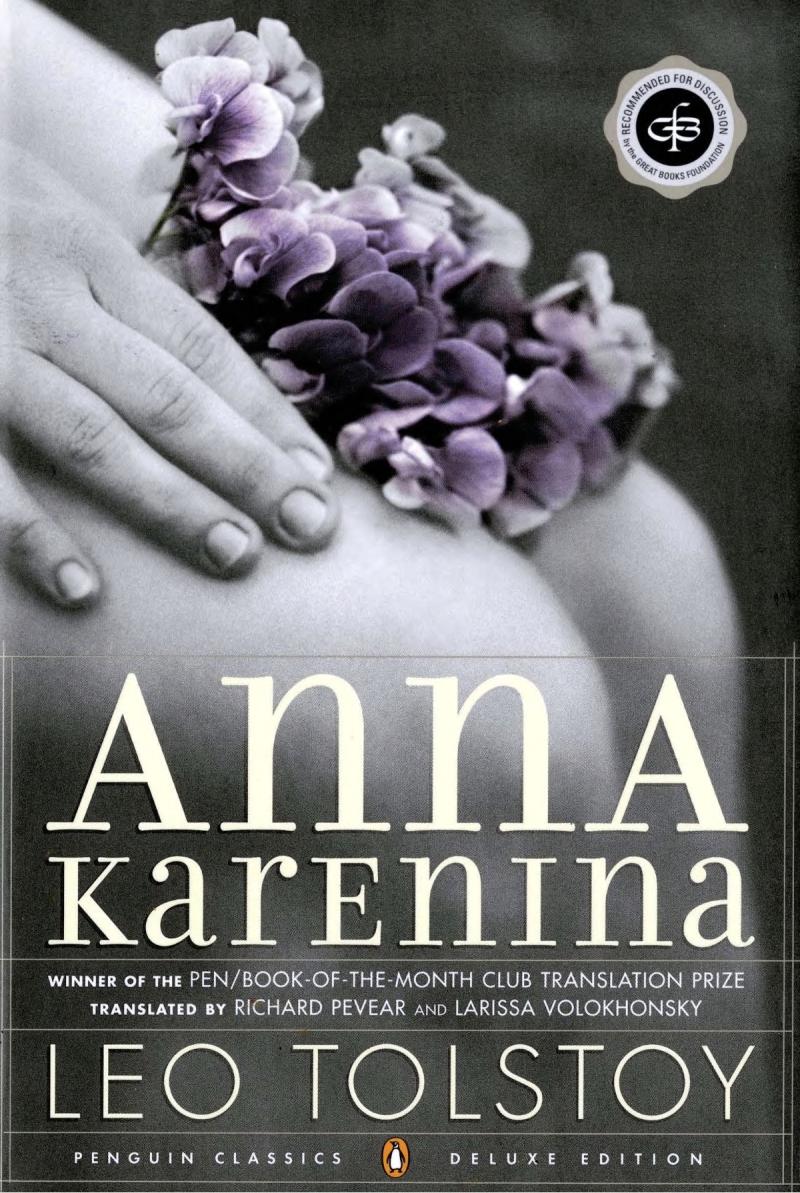
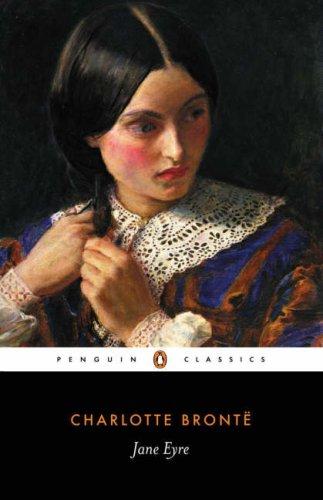
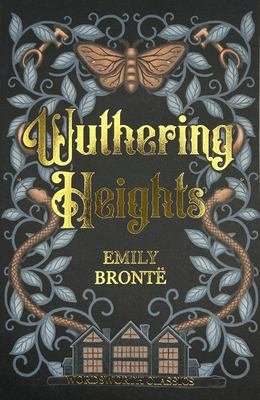
North and SouthElizabeth GaskellThe most direct Austen successor in the Victorian novel, and the one that most explicitly uses the romantic plot as a vehicle for social argument. Margaret Hale and John Thornton disagree about things that actually matter — class, labor, the rights of workers versus the prerogatives of capital — and their romance is a byproduct of their intellectual and moral collision rather than the primary subject. Gaskell lacks Austen’s comic distance but shares her precision about how social position shapes what people can say to each other and what they cannot. The enemies-to-lovers arc is earned through genuine conflict of values, which is the Austen standard. MiddlemarchGeorge EliotThe Victorian novel that operates most directly in Austen’s tradition of using marriage as the index of social values, while pushing the analysis considerably further. Where Austen’s irony keeps the reader at a slight distance, Eliot’s sympathy draws them inside the psychology of her characters, which means Dorothea Brooke’s suffering under her disastrous first marriage is rendered with more weight than anything in Austen. But the moral intelligence is the same: a social world examined with enough precision that its pleasures and its costs are simultaneously visible. The most demanding book on this list and the most rewarding for readers who want Austen’s analytical project taken to its full extent. The Age of InnocenceEdith WhartonThe American Austen, and the writer who most explicitly positioned herself as Austen’s successor in the analysis of social systems and the romantic plots they generate and frustrate. Old New York’s Gilded Age society enforces its values as precisely and silently as Meryton or Bath — no one tells Newland Archer he cannot pursue Ellen Olenska, but the entire machinery of his social world makes it impossible without a word being spoken. Wharton renders the cruelty of social constraint with less comedy than Austen but more visible anger, and the resulting elegy for a world that punishes feeling is among the most precise social analyses in the American novel. Anna KareninaLeo TolstoyThe counterintuitive recommendation, included because Tolstoy is asking Austen’s central question at a larger scale and with tragic rather than comic results: what happens to women who refuse to navigate the marriage plot as the social contract requires? Anna’s story is the Austen ending that Austen never wrote — what happens when the woman chooses passion over propriety and discovers what the social contract was actually enforcing. Levin’s simultaneous domestic story provides the alternative: a marriage built on compatibility and mutual respect, which is what Austen always argues for, rendered not as comedy but as aspiration. Russian society is different; the analysis of marriage, desire, and social consequence is the same. Jane EyreCharlotte BronteThe Victorian novel that operates in Austen’s tradition while pushing against its limits from the inside. Where Austen’s heroines navigate social systems with wit and strategic intelligence, Jane Eyre refuses to navigate — she insists on her own terms in ways that the social world cannot accommodate, and the novel is structured around that insistence. Bronte is more romantically intense and less comedically detached than Austen, but shares the essential argument: a woman’s worth is not determined by her social position. The Gothic elements are real but the social analysis underneath them is Austenian in its precision about class, dependence, and the marriage market. Wuthering HeightsEmily BronteThe necessary anti-Austen that Austen readers should read anyway. Where Austen’s romance plots resolve into social accommodation — the right marriage is the one that fits the social world while honoring the individual — Wuthering Heights is about what happens when passion refuses accommodation entirely. Heathcliff and Catherine are not navigating the social world; they are at war with it, and the violence of that war is the novel’s subject. Reading it alongside Austen’s novels clarifies what Austen was always working against: the romantic absolute that social intelligence keeps at bay. Both visions of love are real; they illuminate each other. Who This Is For
Readers who have reread Pride and Prejudice more than twice and who find that most Austen recommendations underestimate what they are looking for — who want not just period romance but the specific combination of social precision, romantic intelligence, and moral clarity that makes Austen irreplaceable. The literary fiction and historical fiction catalogues have more entries for this kind of reading.
Frequently Asked Questions
Q: What is the closest modern equivalent to Jane Austen?
A: No contemporary novelist fully replicates the combination of comic mode and social precision, but Sally Rooney’s Normal People and Conversations with Friends share Austen’s interest in the social architecture around romantic relationships and what it permits and prevents. Curtis Sittenfeld’s Eligible is a direct Pride and Prejudice retelling, more comedy than analysis but entertaining.
Q: Is Middlemarch really comparable to Austen?
A: Middlemarch is doing everything Austen does and more, which is why it is the longer and more demanding book. Both novelists use marriage as the index of social values, both are interested in the gap between how people present themselves and who they are, and both deliver moral intelligence through precise observation rather than statement. Middlemarch is warmer and more sympathetic where Austen is more ironic; both are essential.
Q: Why is Wuthering Heights on an Austen list?
A: Wuthering Heights is Austen’s negative — the romantic vision that Austen’s comedy implicitly argues against. Reading them together clarifies what each is doing: Austen’s comedy produces social accommodation; Bronte’s Gothic produces social destruction. Both are responses to the same social reality and both are more precise about it than most of the novels between them.
Q: What is the best Gaskell novel for Austen fans?
A: North and South is the strongest Gaskell for Austen readers — the romance is more central and the enemies-to-lovers dynamic more Austenian than in Mary Barton or Wives and Daughters. Wives and Daughters is the more complete novel and the one that Gaskell herself was completing when she died. Both are worth reading; start with North and South.
Not sure which of these is right for you specifically? The Pagesmith quiz matches you to books based on your mood, pacing preference, and reading goals, not bestseller lists. Takes two minutes.