Best Books Set in Russia for Every Kind of Reader
Russia in fiction produces two registers as dramatically different as any in world literature: the great nineteenth-century tradition of moral and psychological depth, and the Soviet twentieth century. Together they describe a civilization that generated unparalleled insight into the human interior -- and then spent decades trying to destroy the conditions that made it possible.
May 2026 · 7 min read · The Pagesmith
Russian fiction occupies a specific position in world literature that no other national tradition quite replicates. The nineteenth-century tradition — Dostoevsky, Tolstoy, Turgenev, Chekhov — produced a concentration of psychological and moral fiction that has not been matched before or since, driven by a specific combination of factors: an educated class with access to European ideas and a profound sense of Russian particularity, a social system undergoing rapid and destabilizing change, and a tradition of seriousness about the largest questions (God, free will, suffering, the nature of the good life) that treated literature as the proper arena for philosophical argument. The twentieth century then provided the sequel: what happens to that tradition when the state decides that literature must serve ideology, and what forms survive when the honest ones are suppressed. The books here represent both Russias, and taken together they describe a civilization more completely than any single register could.
Why Russian Fiction Is Distinctive
The most common description of Russian fiction as “dark” is accurate but insufficient. The darkness in Dostoevsky is not atmospheric but argumentative: Crime and Punishment is dark because Raskolnikov’s situation is genuinely terrible and the moral questions it raises are genuinely hard, not because darkness is aesthetically pleasing to the author. The warmth in Tolstoy — the specific warmth of Natasha Rostova at a ball, of Pierre Bezukhov finding what he was looking for after years of getting it wrong — is not sentimentality but the earned counterpart to all the suffering that precedes it. Russian fiction at its best takes human suffering and human joy with equal seriousness, as two aspects of a single reality that neither can be understood without the other.
Russian fiction at its best does not treat suffering as atmospheric or redemption as automatic. It earns both by taking seriously the full weight of what is at stake — which is why its moral arguments still feel urgent more than a century after they were made.
The Books
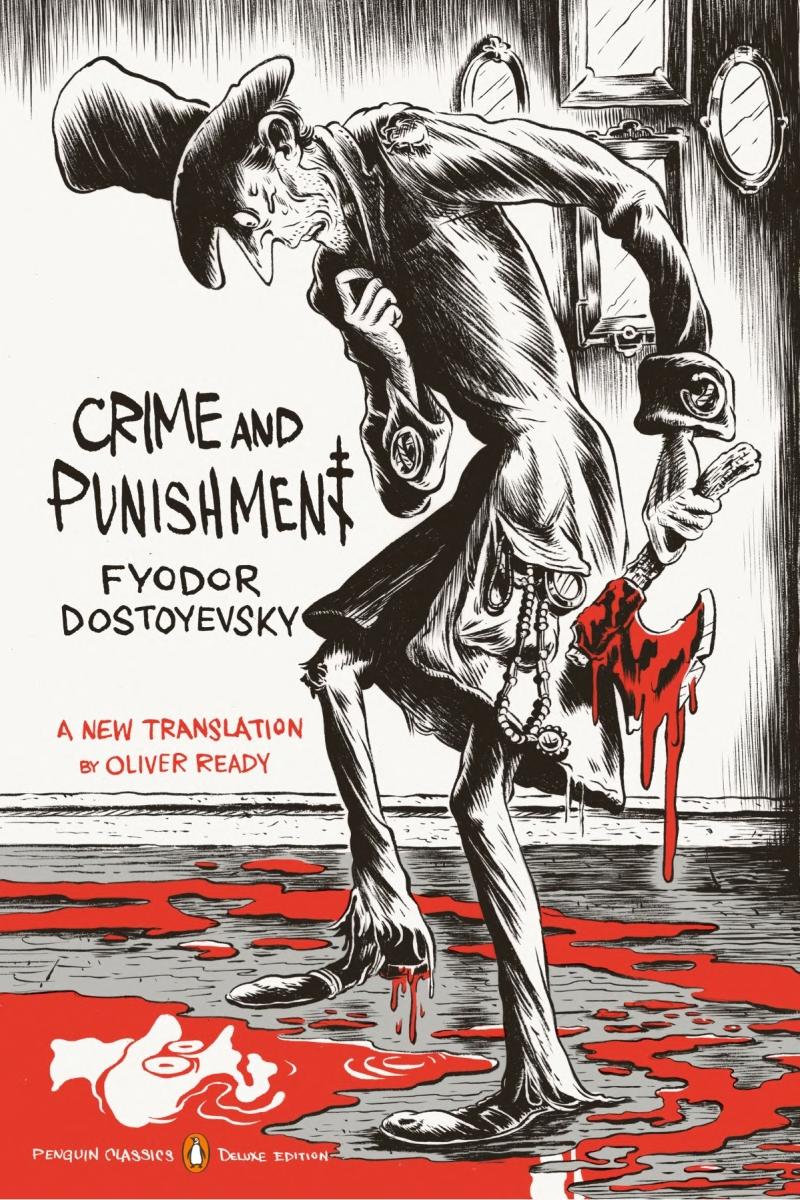
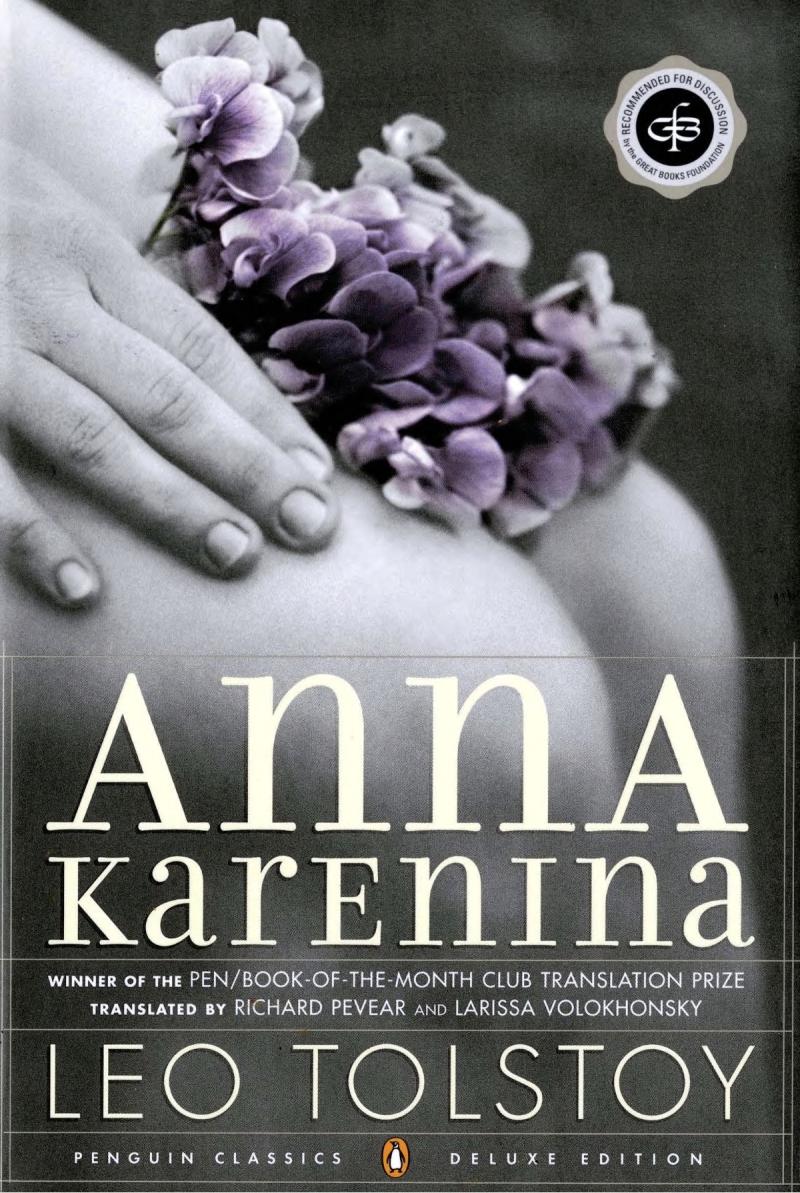
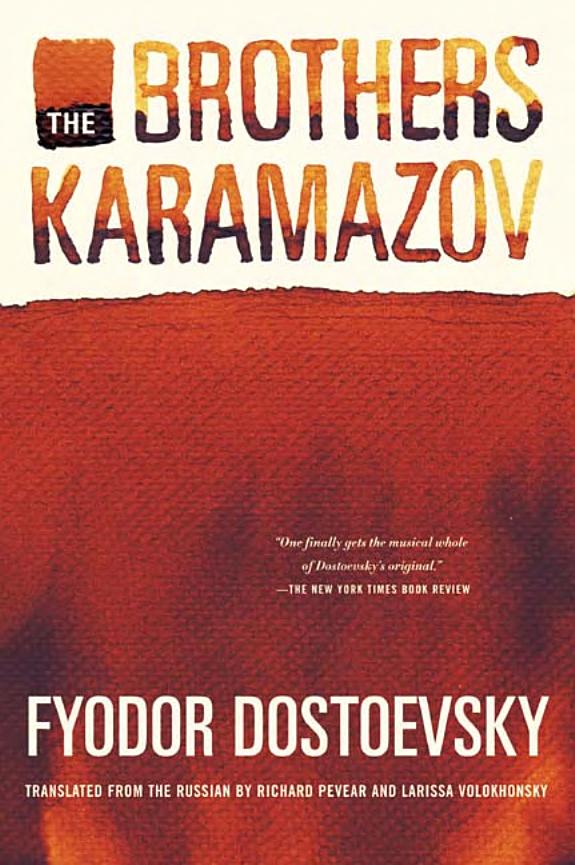
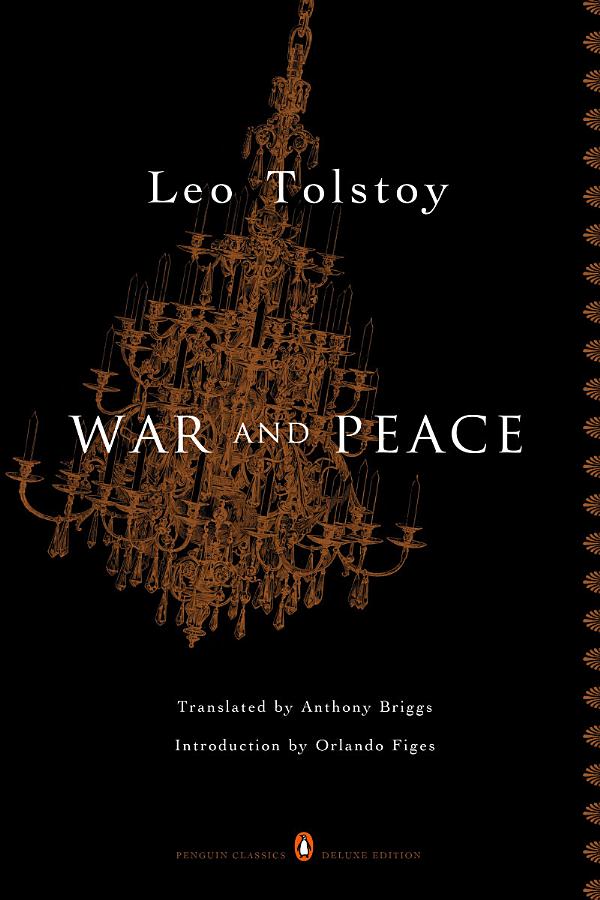
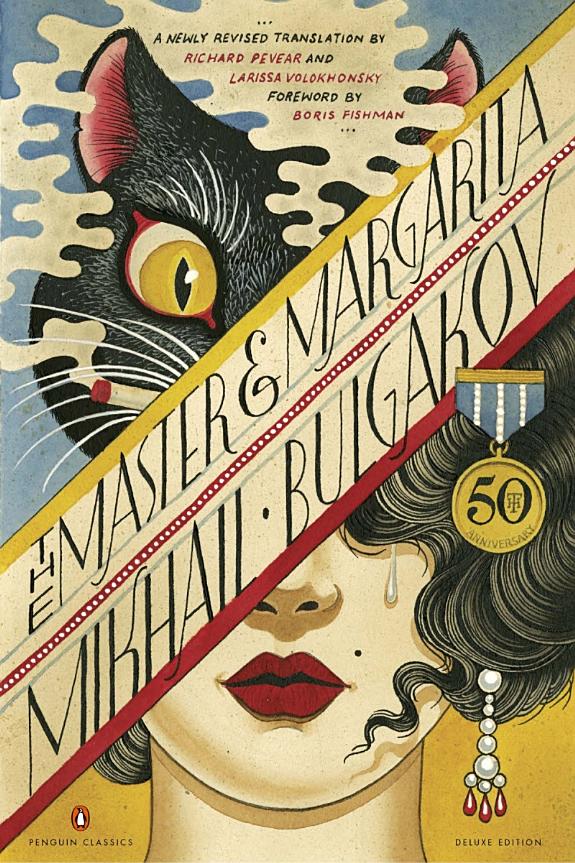
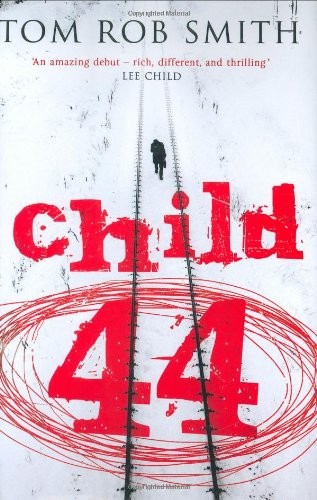
Crime and PunishmentFyodor DostoevskyThe entry point to Dostoevsky and the most accessible of his major novels. Raskolnikov’s crime occupies the first hundred pages; the punishment — not legal but psychological, the slow disintegration of the theory that justified the act — occupies the rest. Dostoevsky writes St. Petersburg’s summer heat and cramped poverty with a physical specificity that makes the psychological intensity feel materially grounded, and the city itself — its yellow buildings and canals and overcrowded tenements — becomes the external expression of the internal conditions the novel describes. The fastest-moving novel on this list and the one that most immediately demonstrates why Dostoevsky’s psychological insight influenced virtually every serious novelist who came after him. Anna KareninaLeo TolstoyTolstoy’s most formally perfect novel, and the one that best demonstrates how the Russian tradition held both the tragic and the comedic in the same frame. Anna’s story — the love affair, the social destruction, the increasingly desperate interiority — runs simultaneously with Levin’s story, which is about a man finding his way to a life he can actually live, and the two storylines comment on each other without either diminishing the weight of the other. Moscow and St. Petersburg in the 1870s are rendered with the same physical specificity as Dostoevsky’s city but in a warmer register: the social world Tolstoy describes is recognizably human in its pleasures as well as its cruelties. The most accessible point of entry to Tolstoy’s work. The Brothers KaramazovFyodor DostoevskyDostoevsky’s final and greatest novel, completed a few months before his death, and the one that most completely demonstrates the full range of what the Russian tradition could do. Three brothers — the passionate Dmitri, the intellectual Ivan, the saintly Alyosha — embody three different responses to the foundational question of Dostoevsky’s work: whether a world containing this much suffering can be reconciled with the existence of a just God. Ivan’s Grand Inquisitor chapter is the most direct philosophical confrontation with free will and theodicy in the novel tradition, and Dostoevsky answers it not with argument but with the character of Alyosha — a response through example rather than logic. The most demanding novel on this list and the most rewarding. War and PeaceLeo TolstoyThe most intimidating novel in world literature by reputation and the one that most consistently surprises first-time readers with how readable it is. The Rostov family at their Moscow estate, Pierre Bezukhov stumbling toward a life he can believe in, Natasha’s first ball, Andrei Bolkonsky lying wounded at Austerlitz looking up at the sky — these are among literature’s most vividly rendered human moments, and they carry the full weight of the philosophical argument Tolstoy is making alongside them about history and free will. The war chapters and the philosophical chapters are real and require patience; the domestic scenes are as immediately alive as anything in the novel tradition. Worth the commitment it requires. The Master and MargaritaMikhail BulgakovThe bridge between the two Russias on this list: a novel that draws on the depth and seriousness of the nineteenth-century tradition to satirize the Soviet twentieth century that was destroying it. Bulgakov wrote the novel under Stalin, revised it for years, and never saw it published; it appeared only in 1967, twenty-seven years after his death. The devil’s visit to Moscow exposes every pretension and corruption of Soviet intellectual life with devastating precision, and the Jerusalem chapters — written with the moral seriousness of the great tradition — stand as testimony to what the Soviet system was trying to eliminate. Moscow in the 1930s is rendered with physical and social specificity that makes the satire feel like reporting rather than invention. Child 44Tom Rob SmithThe contemporary entry and the one that uses the Soviet setting to produce thriller mechanics rather than literary meditation. Leo Demidov, a MGB officer investigating a series of child murders in a state that officially denies the existence of crime, faces an institutional obstacle that is itself the novel’s most interesting element: a system whose ideology prevents it from solving the problem it has. Smith uses the Stalinist setting to create a situation where the moral compromise required to function inside the system eventually collides with an event that the system cannot accommodate. For readers who want Russian fiction in the thriller register rather than the literary one, and who want to understand what the Soviet system looked like at the level of daily institutional life. Who This Is For
Readers who want to explore Russian literature but do not know where to start, or who have read one or two of the major novels and want to understand how they fit into a larger tradition. Also readers who have tried and found War and Peace or The Brothers Karamazov difficult and want a recommendation for the right entry point. The literary fiction and thriller and mystery catalogues have more in both directions.
Frequently Asked Questions
Q: What is the best Russian novel to read first?
A: Crime and Punishment for readers who want to start with Dostoevsky — it moves quickly and the psychological intensity is immediate. Anna Karenina for readers who want to start with Tolstoy — it is more narratively conventional and more emotionally direct than War and Peace. The Master and Margarita for readers who want to start with twentieth-century Russian fiction — it is the most immediately accessible and the funniest.
Q: How long are these books?
A: Crime and Punishment is around 550 pages. Anna Karenina is around 800 pages. The Brothers Karamazov is around 800 pages. War and Peace is around 1,300 pages. The Master and Margarita is around 400 pages. Child 44 is around 450 pages.
Q: Which translation of Dostoevsky and Tolstoy should I read?
A: For Dostoevsky, the Pevear and Volokhonsky translations are the most widely praised for their fidelity to Dostoevsky’s voice, including its deliberate roughness. For Tolstoy’s Anna Karenina, the Pevear and Volokhonsky translation is also excellent; the Richard Pevear and Larissa Volokhonsky translation of War and Peace has been called the definitive English version. All these are available in Penguin Classics editions.
Q: Is The Master and Margarita difficult to read?
A: Less than its reputation suggests. The Moscow chapters are fast, funny, and immediately engaging; the Jerusalem chapters require more patience. The novel’s structure becomes clearer as it progresses, and most readers find that the middle sections, where both storylines are established, are the easiest part. The ending is satisfying rather than ambiguous.
Not sure which of these is right for you specifically? The Pagesmith quiz matches you to books based on your mood, pacing preference, and reading goals, not bestseller lists. Takes two minutes.