Historical fiction does something no other genre quite manages: it gives abstract history a pulse. The dates and causes we learned in school become specific people, with specific rooms they couldn’t leave and specific decisions they had to make before breakfast. The best novels in this genre don’t just dramatise history: they use it to ask questions about the present, about power, about what it costs to survive the particular era you happened to be born into.
This list covers the genre at its range: from lean, atmospheric portraits to multi-generational epics; from the Second World War to medieval England to 17th-century Delft. The common thread is quality: each of these books earns its historical setting rather than merely using it as backdrop.
WWII and Its Aftermath: The Genre at Its Most Devastating
No period has generated more great historical fiction than the Second World War and its aftermath. The scale of it (political, moral, human) seems to demand novelistic treatment in a way that dry history cannot deliver alone. The books in this section are the best of a crowded field, chosen because they find angles on a familiar era that feel genuinely new.
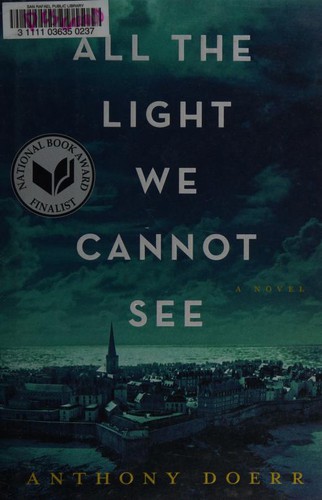
A blind French girl carrying a legendary diamond out of occupied Paris, and a German boy whose radio skills have made him invaluable to the Reich, move toward each other with the precision of a watch mechanism. Doerr’s Pulitzer Prize-winning novel is structurally immaculate and emotionally devastating: a story about the fragile persistence of beauty in catastrophe. The best argument that the WWII novel still has something genuinely new to say.
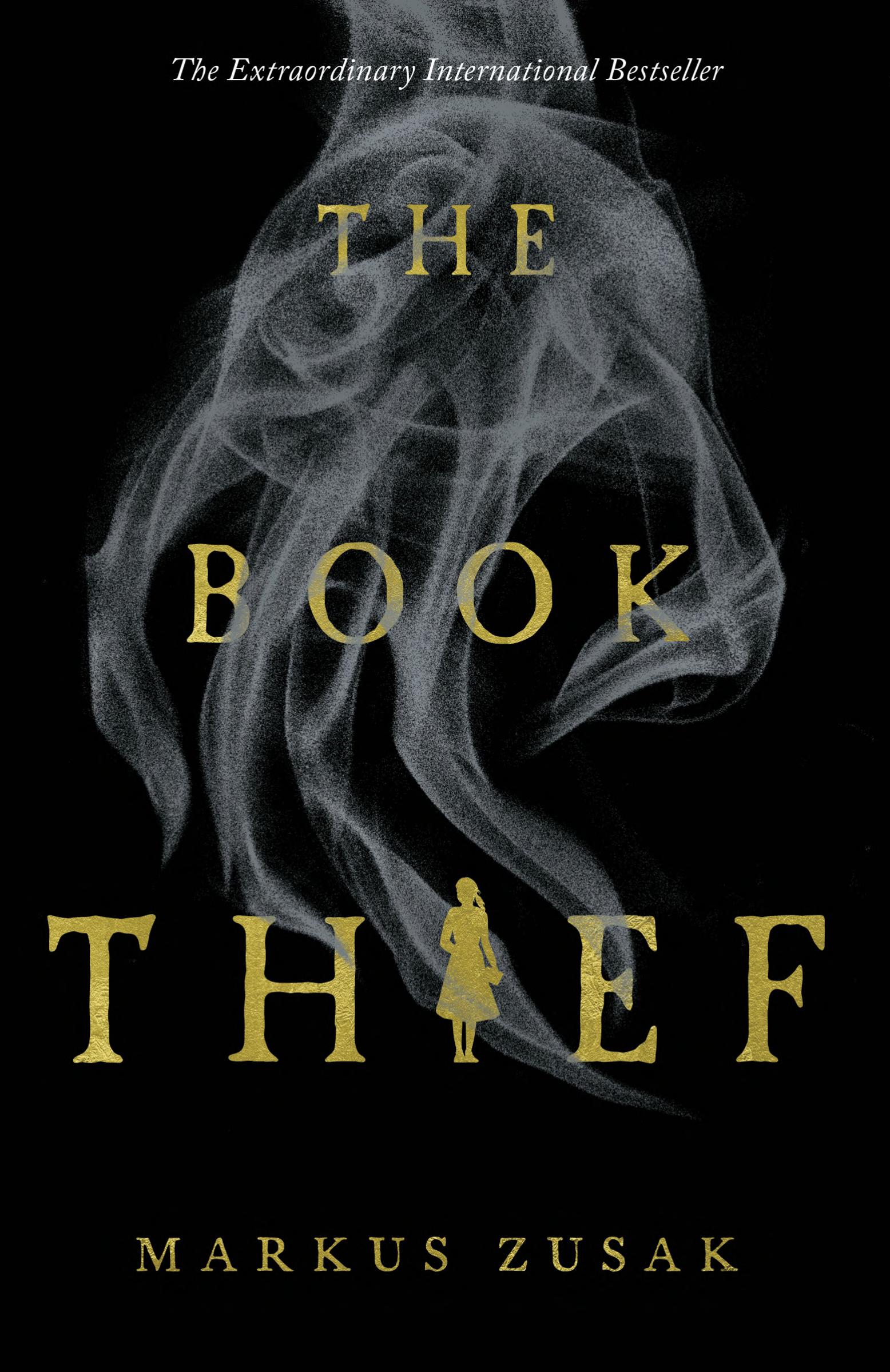
Narrated by Death, this novel follows a foster child in a small German town during the war who steals books and shares their words with those around her, including the Jewish man hiding in her basement. Zusak’s narrator is an unexpected source of dark wit and tenderness, holding the horror at careful distance without softening it. Extraordinary, formally inventive, and one of the few war novels that finds love and defiance as its central register rather than dread.
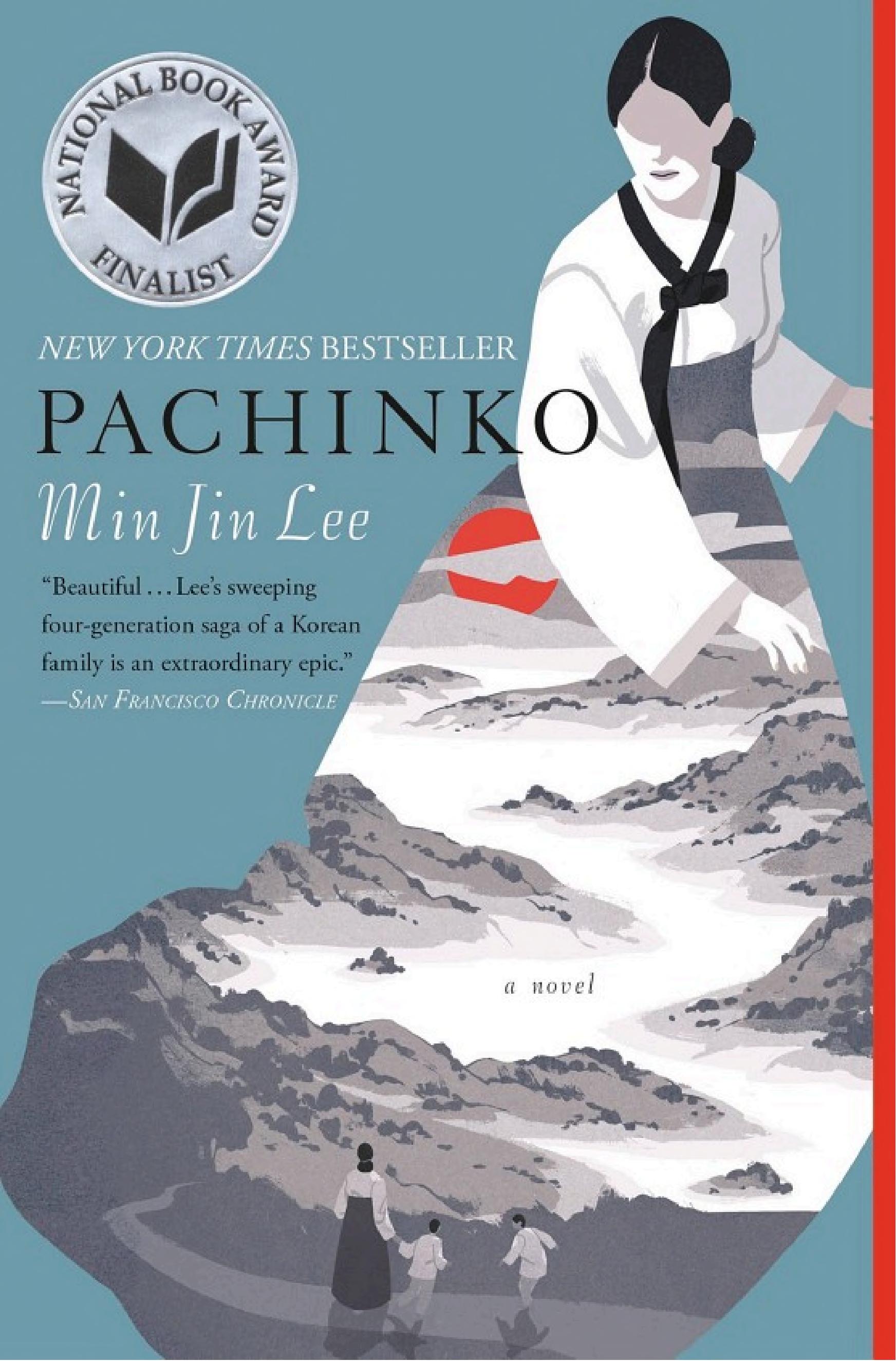
Four generations of a Korean family living in Japan, beginning in the early twentieth century and ending in the 1980s, their history shaped by Japanese colonialism, diaspora, and discrimination. Min Jin Lee writes with compassionate precision about the weight of history on ordinary lives, and the cost of belonging to the wrong country. Less a war novel than an epic about what war and its politics do to the generations that come after. One of the most ambitious novels of the twenty-first century.
The best historical fiction doesn’t make you feel like you’re reading about the past: it makes the past feel like an emergency that is still happening.
Power, Politics, and Survival in Earlier Centuries
Thomas Cromwell rises from a blacksmith’s son to become Henry VIII’s most trusted, and feared, advisor, watching queens rise and fall from inside the machinery of power. Mantel writes in a close present-tense third person that puts the reader at Cromwell’s shoulder, feeling the danger of every room and every conversation. The finest historical novel of recent decades, and proof that the form can sustain the moral complexity and psychological precision of the best literary fiction.
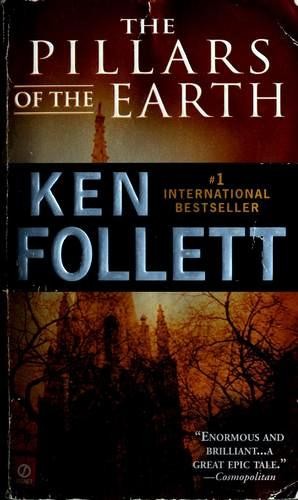
The building of a cathedral in twelfth-century England becomes the centrepiece of a sweeping epic spanning decades of political intrigue, religious conflict, and personal ambition. Follett is uninterested in restraint: this is historical fiction as total immersion, propulsive and generous, spanning a cast of dozens and centuries of stone. The best argument that the big, accessible historical epic is not a lesser form, just a different ambition executed with skill.
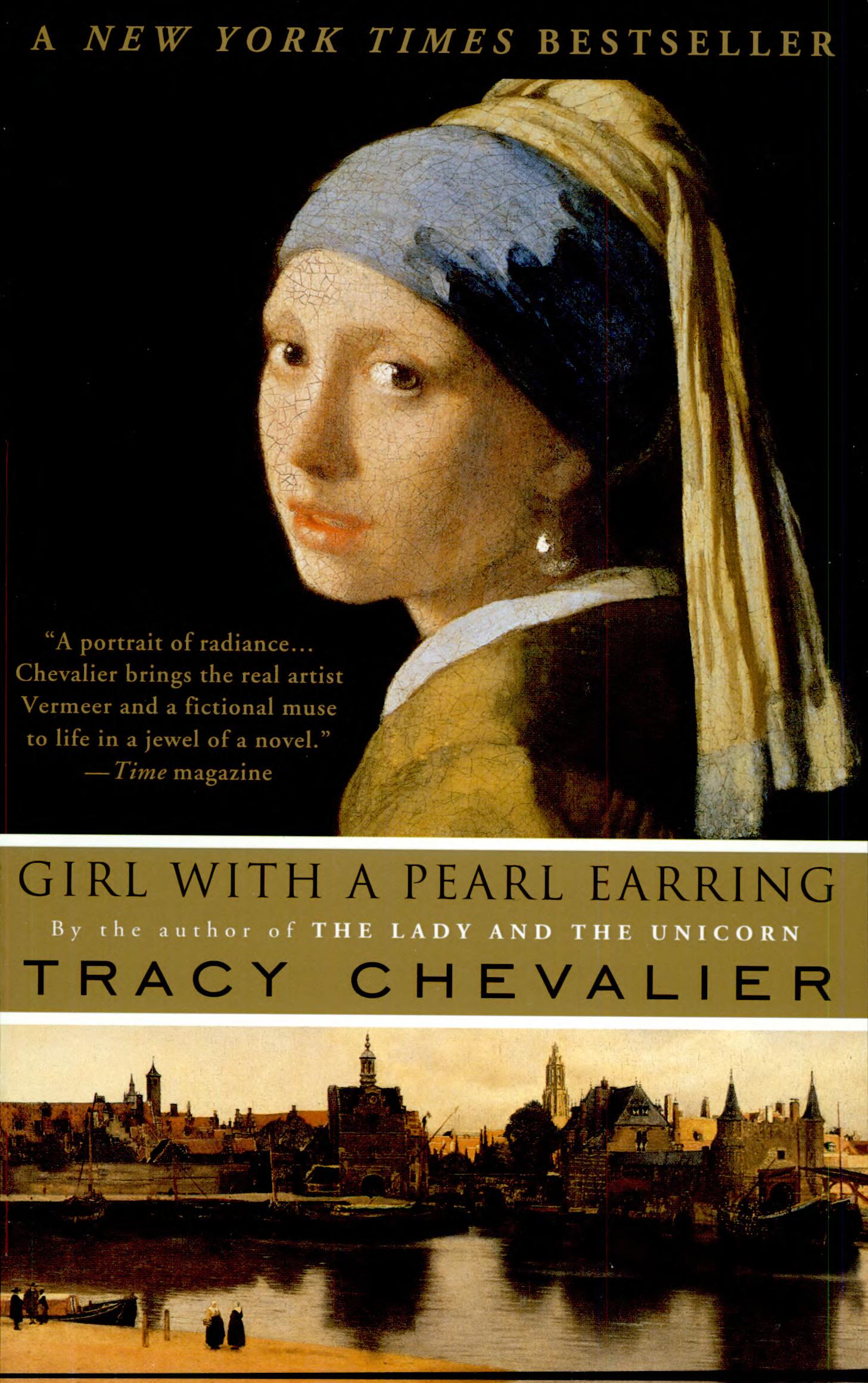
A young Dutch servant girl arrives at the Vermeer household at sixteen and is quietly drawn into the painter’s world: his methods, his materials, and ultimately his gaze. Chevalier reconstructs seventeenth-century Delft with precise, sensory detail and builds a story around power, art, and the particular exposure of being looked at by someone whose attention is dangerous. A slim, atmospheric novel that shows how much historical fiction can do with a single painting and a single room.
The Formally Unusual: Historical Fiction That Breaks Its Own Rules
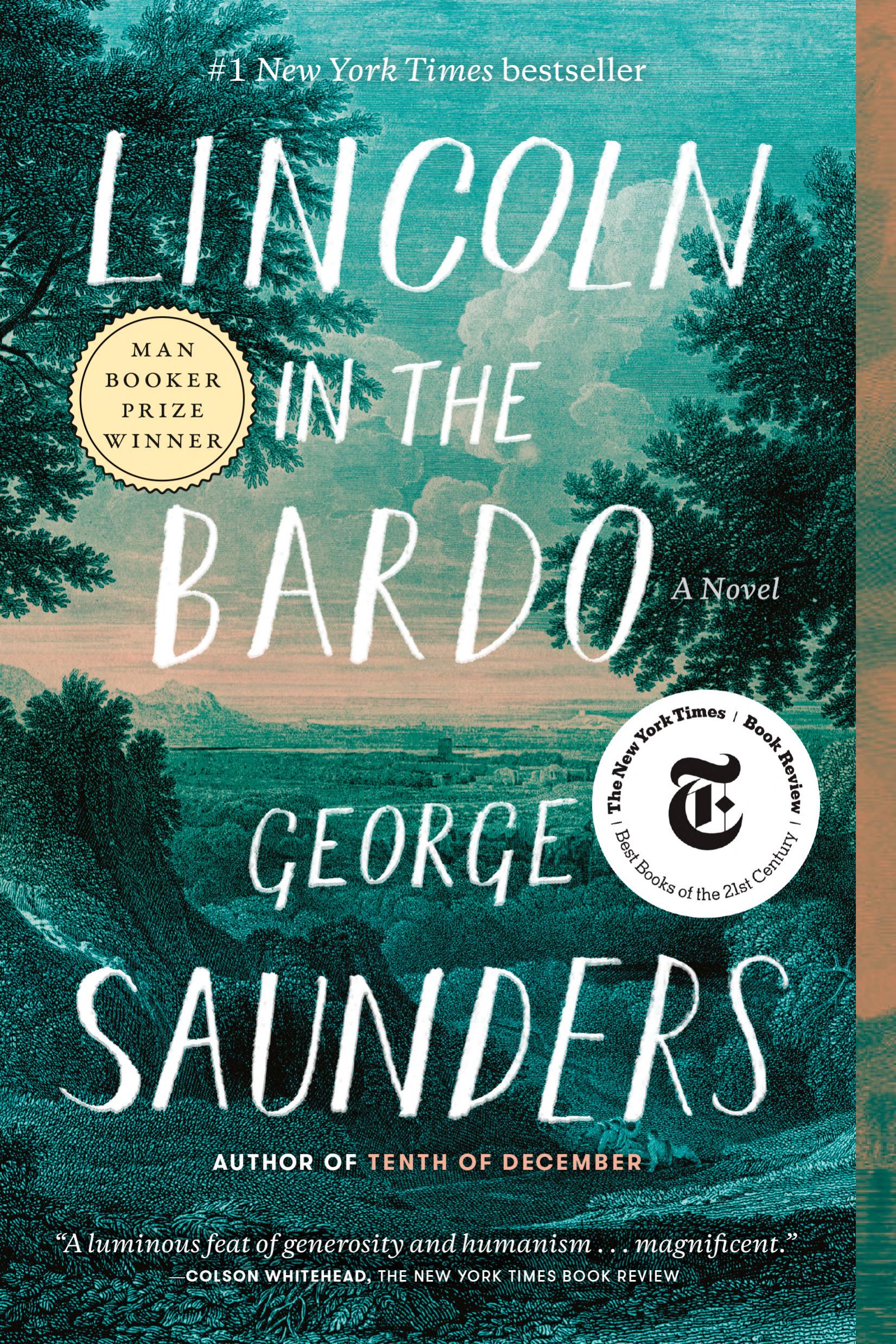
On the night Abraham Lincoln visits his young son’s body in the crypt at Oak Hill Cemetery, hundreds of ghosts (dead but not yet gone) witness and narrate what happens. Saunders’s Booker Prize-winning novel is formally unlike anything else in historical fiction: assembled from invented voices and real historical fragments, tender and grief-stricken and structurally overwhelming. Not for every reader, but for the right one, entirely unforgettable.
Beyond the Catalogue: Three More Worth Knowing
No historical fiction list is complete without Beloved by Toni Morrison: technically literary fiction, but set in the aftermath of slavery and impossible to discuss without it. Morrison’s prose is incantatory and unsparing, and the novel’s subject (the cost of what was done) is handled with more moral honesty than almost any other book on this list. Browse its full entry alongside others in literary fiction.
For readers who want to go further: The Shadow of the Wind by Carlos Ruiz Zafón brings post-Civil War Barcelona alive with the energy of a gothic thriller. Hilary Mantel’s Bring Up the Bodies is the essential sequel to Wolf Hall: shorter, more compressed, and perhaps even better. And The Hare with Amber Eyes by Edmund de Waal blurs the line between memoir and history in a way the genre rarely attempts.
All of the books on this list live in historical fiction, where you can browse by period, tone, and pacing to find the one that fits how you like to read.
Frequently Asked Questions
What’s the difference between historical fiction and literary fiction set in the past? Convention and emphasis, mostly. Historical fiction typically foregrounds its period: the setting is inseparable from the story, and the reader is expected to be engaging with history as a subject. Literary fiction set in the past (like Beloved or The Remains of the Day) uses its era more instrumentally, as the conditions in which a human story unfolds. The distinction matters less than whether the book is good.
Which historical fiction book is easiest to start with? The Pillars of the Earth for readers who want immersion and momentum. Girl with a Pearl Earring for readers who want something shorter and more intimate. All the Light We Cannot See sits comfortably in the middle: accessible but never simple.
Is Wolf Hall as difficult as people say? It has a reputation for difficulty that’s slightly overstated. The close third-person narration (where “he” refers to Cromwell even when other men are present) takes twenty or thirty pages to calibrate to, and then becomes intuitive. Readers who bounce off historical fiction usually find Wolf Hall the exception.
Are there historical fiction books set outside Europe? Pachinko (Korea and Japan) is the strongest example on this list. Beyond the catalogue: The Kite Runner by Khaled Hosseini, Shōgun by James Clavell, and Homegoing by Yaa Gyasi (Ghana and the United States across generations) are the most compelling alternatives.
Not sure which of these suits how you actually read? Take the quiz: six questions, no email required, and it will match you to the right book for where you are right now.