Books Like Anxious People That Balance Comedy and Heart
Anxious People uses a farcical hostage situation as a container for a novel about isolated people who are desperate to connect. The comedy is surface; the loneliness is structural. These books share that architecture -- and they all earn their warmth.
May 2026 · 7 min read · The Pagesmith
Anxious People is harder to write than it looks. The comedy is broad — a bank robber accidentally takes hostages at an apartment viewing, a baffling police investigation follows — and readers who pick it up expecting pure comedy find something considerably more specific: a novel about the specific loneliness of modern life, told through a group of strangers who are all, in different ways, not coping. Fredrik Backman uses the farce as a delivery mechanism for emotional vulnerability that a more earnest approach would not survive. The reader laughs and then realizes they have been tricked into caring deeply about people who, half an hour ago, were punch lines. The books here share that specific achievement: they use comedy or lightness to disarm the reader’s defenses, and then deliver something more honest about loneliness, connection, and the difficulty of asking for what you actually need.
Why This Genre Is Harder Than It Looks
The failure mode for warm-hearted contemporary fiction is sentimentality: emotion that the text demands without having earned it. The reader is supposed to feel moved, but the mechanism is manipulation rather than preparation. The books here avoid this because their warmth is conditional — it arrives only after they have established, with genuine honesty, how hard connection is and how often people fail at it. A Man Called Ove is only moving because Backman establishes exactly how much Ove has closed himself off and exactly why, before the neighborhood begins to breach those defenses. The warmth is the reward for the preceding honesty, which is why it lands. None of these books are soft about what they are depicting. They are soft only about what is possible.
The best warm-hearted fiction earns its warmth the same way good comedy earns its laughs — through precision about human failure, not through the suggestion that failure is less common or less painful than it is.
The Books
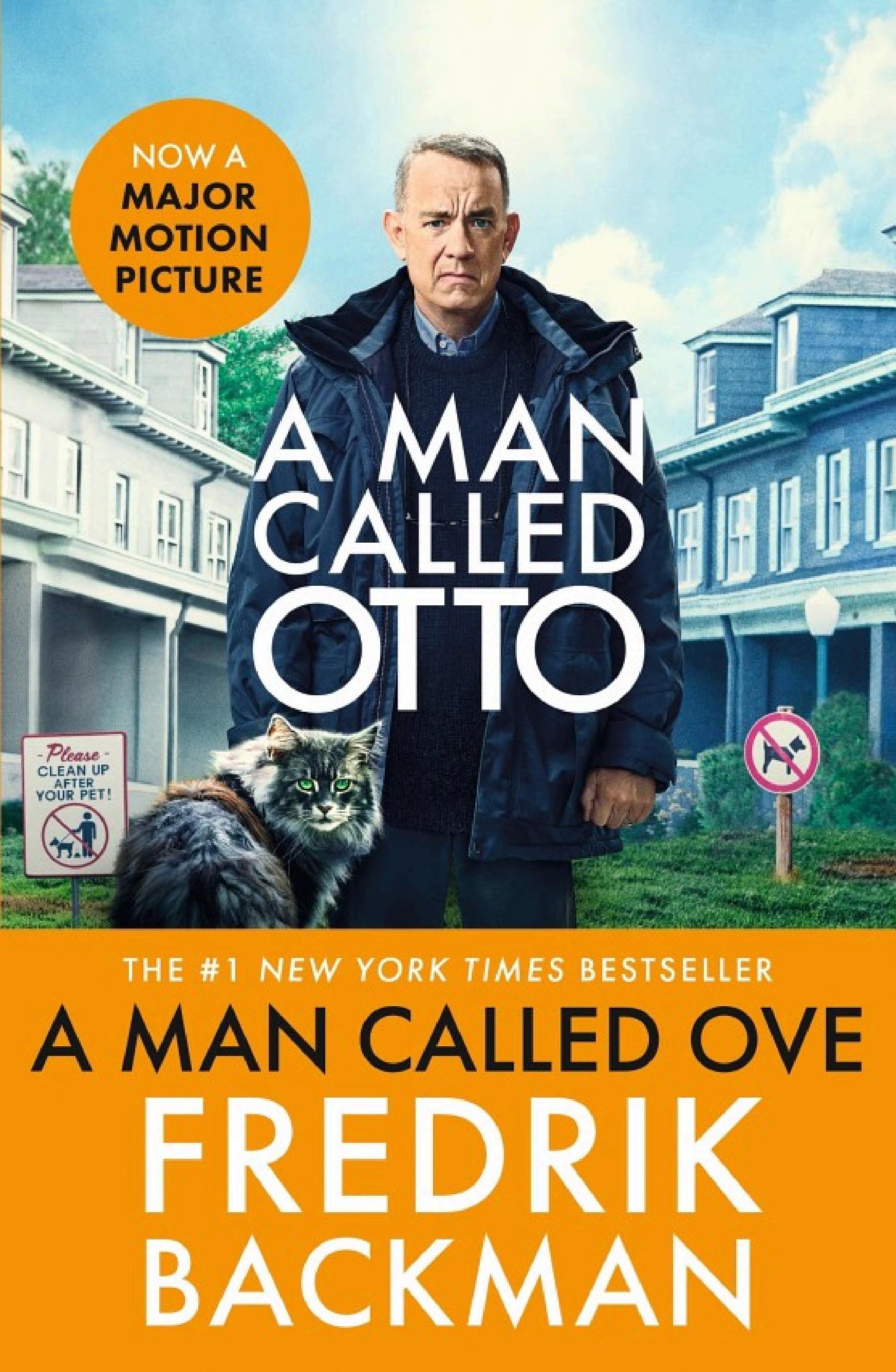
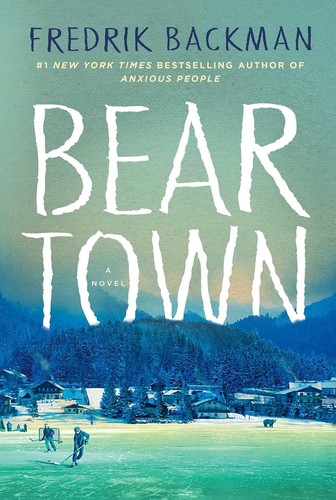
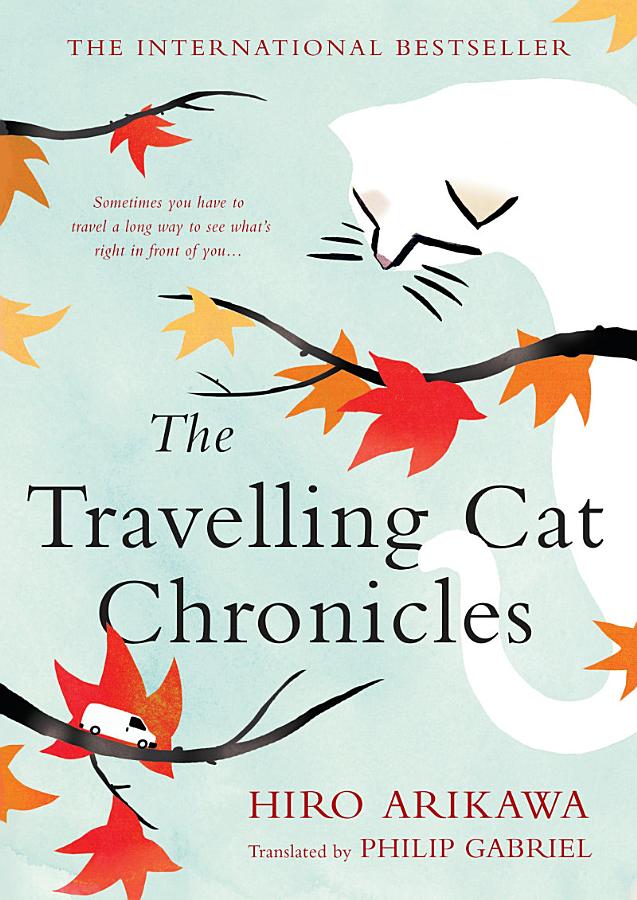
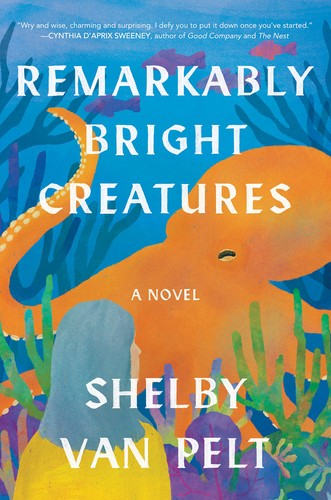
A Man Called OveFredrik BackmanBackman’s first novel and still his clearest structural template: a man who has closed himself completely is opened, incrementally and against his will, by neighbors who do not understand or accept his refusals. Ove’s curmudgeonliness is funny in the specific way that Backman does best — it is a character trait rendered with enough precision that it reads as both comic and comprehensible, a coherent response to specific losses rather than arbitrary misanthropy. The novel’s warmth arrives exactly when Backman has shown you enough of what Ove is protecting that the opening of it carries real weight. The simplest and most efficient example of how this kind of fiction works when it works. BeartownFredrik BackmanBackman’s most ambitious and least immediately cozy novel, included here because it shows what the emotional architecture of Anxious People looks like when the stakes are raised considerably. Beartown is about a hockey town in Sweden facing a community-fracturing crisis, and Backman uses the ensemble format — many characters, all connected, all carrying private versions of the public event — in the same way he uses the apartment viewing in Anxious People. The comedy is mostly absent here; the loneliness and the stakes of connection are not. For readers who loved Anxious People and want to see what the same writer does when he leans into darkness rather than warmth, Beartown is where to go next. The Travelling Cat ChroniclesHiro ArikawaArikawa’s novel shares Anxious People’s structural method — a journey that reveals, chapter by chapter, the emotional history of the people involved — and its specific emotional register: warm without sentimentality, funny without deflecting, and devastating at the end without having prepared you adequately. Satoru’s journey across Japan with his cat Nana, visiting old friends who might take the cat, is organized around what Satoru is not saying, which the novel reveals gradually through the texture of each visit. The warmth is Japanese in its specific quality — attentive to obligation and seasonal detail and the specific language of care that does not announce itself — which gives it a different flavor from Backman’s Swedish warmth but the same structural honesty underneath. The Unlikely Pilgrimage of Harold FryRachel JoyceHarold Fry’s decision to walk 500 miles rather than post a letter is the kind of premise that could easily tip into whimsy, and Joyce keeps it from doing so by treating Harold’s walk with complete seriousness — the blisters, the weather, the physical difficulty, the other people he meets along the route. The comedy comes from Harold himself, a deeply ordinary man in a deeply extraordinary situation, and the warmth comes from the accumulation of encounters with strangers who turn out to be carrying their own private difficulties. The novel shares Anxious People’s specific argument: that the people around us who appear to be managing are often the ones most in need, and that connection, however awkward, is almost always worth attempting. Remarkably Bright CreaturesShelby Van PeltVan Pelt’s debut uses a giant Pacific octopus as one of its three narrators, which is exactly the kind of premise that Backman would use: a structural impossibility in service of complete emotional sincerity. Marcellus the octopus observes the grieving aquarium cleaner Tova and the young man Cameron with the detached intelligence of a creature who understands humans better than they understand themselves, and the novel’s comedy comes from that specific combination of octopus precision and human opacity. The emotional core — two people, both of whom have given up on the possibility of what they actually need, being slowly proven wrong — is Anxious People’s argument in a different container. The Rosie ProjectGraeme SimsionSimsion’s novel uses the comedy of its premise — a genetics professor with what is clearly undiagnosed autism designing a scientific Wife Project — to make a more serious argument about what people miss when they optimize for the wrong variables. Don Tillman’s systematic approach to finding a partner is both funny and genuinely revealing about the gap between what people think they need in relationships and what they actually need, which is Backman’s central preoccupation in a different register. The romance is earned rather than assumed, and the warmth comes from watching Don Tillman, who has spent his life not quite fitting, find the one person who fits the things that don’t fit about him. Who This Is For
Readers who found Anxious People funnier than they expected and more moving than they were prepared for, and who want more fiction that uses comedy as a delivery mechanism for genuine emotional honesty rather than as insulation against it. Also readers who describe themselves as not being “serious readers” and who want evidence that caring about entertaining, warm-hearted fiction is not a lesser preference. The contemporary catalogue has more in this direction.
Frequently Asked Questions
Q: What is the best Fredrik Backman novel to read first?
A: A Man Called Ove is the most structurally efficient introduction to how Backman works — the emotional architecture is clearest there, and the novel is the shortest. Anxious People is his most formally ambitious. Beartown is his best novel but the least representative of his warmth. Start with Ove, then Anxious People, then Beartown.
Q: Are these books appropriate for readers who mostly read literary fiction?
A: Remarkably Bright Creatures and The Travelling Cat Chronicles both operate at the literary end of this category. The Unlikely Pilgrimage of Harold Fry is the most literarily precise. Backman’s novels are popular fiction in the best sense — they are emotionally serious without being formally demanding. Most literary fiction readers who try A Man Called Ove find it disarms them in ways they did not expect.
Q: What makes Anxious People different from typical commercial fiction?
A: Backman refuses to insulate the comedy from the actual difficulty underneath it. The hostage situation is funny, but the reason each hostage is there — the specific crisis each is having — is rendered honestly rather than as comedy fodder. The result is that the emotional payoff feels earned rather than manufactured, which is the distinction between warm-hearted fiction that lasts and warm-hearted fiction that doesn’t.
Q: Is The Rosie Project a series?
A: Yes. The Rosie Result and The Rosie Effect are the sequels, both featuring Don Tillman in different stages of life. The first novel is the most self-contained; the sequels are best read in order.
Not sure which of these is right for you specifically? The Pagesmith quiz matches you to books based on your mood, pacing preference, and reading goals, not bestseller lists. Takes two minutes.