6 Books Like Eleanor Oliphant Is Completely Fine You'll Love
Eleanor Oliphant works because Honeyman lets the reader believe they are reading a quirky comedy of social alienation before revealing that the armor is the story -- what produced it and what it costs. These books share that structure: an eccentric protagonist whose eccentricity turns out to be a comprehensible response to specific circumstances.
May 2026 · 8 min read · The Pagesmith
Books like Eleanor Oliphant Is Completely Fine present a specific recommendation challenge because the novel is doing two things simultaneously that most books do separately: it is a comedy of social awkwardness, and it is a novel about trauma. The comedy is real — Eleanor’s voice is genuinely funny, her social observations are precise, her interactions are often painfully recognizable. But the comedy is a delivery mechanism rather than the content, and readers who finished the novel understanding this are looking for something different from readers who want more quirky-protagonist fiction. The books here are for the first kind of reader: people who responded to the structure of Eleanor Oliphant, the way Honeyman built a social comedy that gradually revealed its own darker foundations, and who want more fiction in which a protagonist’s apparent eccentricity turns out to be a coherent response to circumstances the reader did not fully understand until the novel was ready to show them.
What Eleanor Oliphant Is Actually Doing
The novel’s formal achievement is the management of information. Honeyman gives Eleanor a distinctive voice that produces comedy through social observation, and that voice is doing double work: it is funny, and it is also a defense mechanism, and the novel carefully delays the reader’s understanding of what it is defending against. When the backstory arrives, it does not invalidate the comedy that preceded it; it reframes it, so that the reader understands Eleanor’s particular way of engaging with the world as fully rational rather than simply quirky. That reframing — the moment when eccentricity becomes comprehensible as survival — is what these books share.
The best fiction about social alienation understands that the apparent eccentricity is rarely random. It is a structure the person has built to manage something specific, and the novel’s work is to make both the structure and the thing it is managing fully visible.
The Books
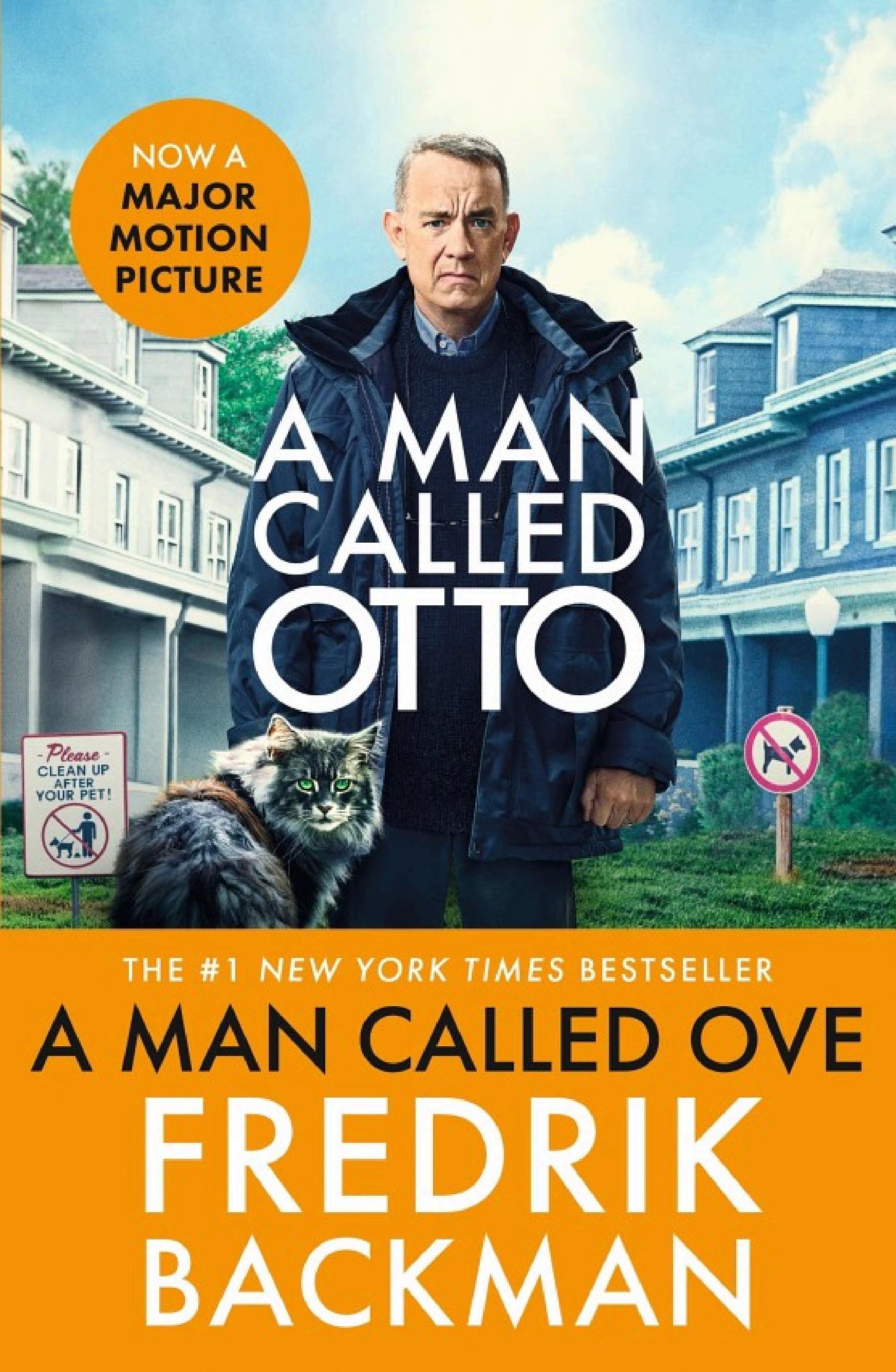
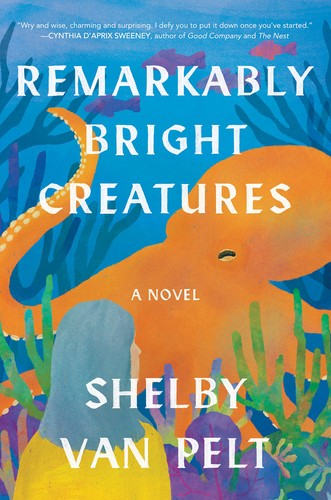
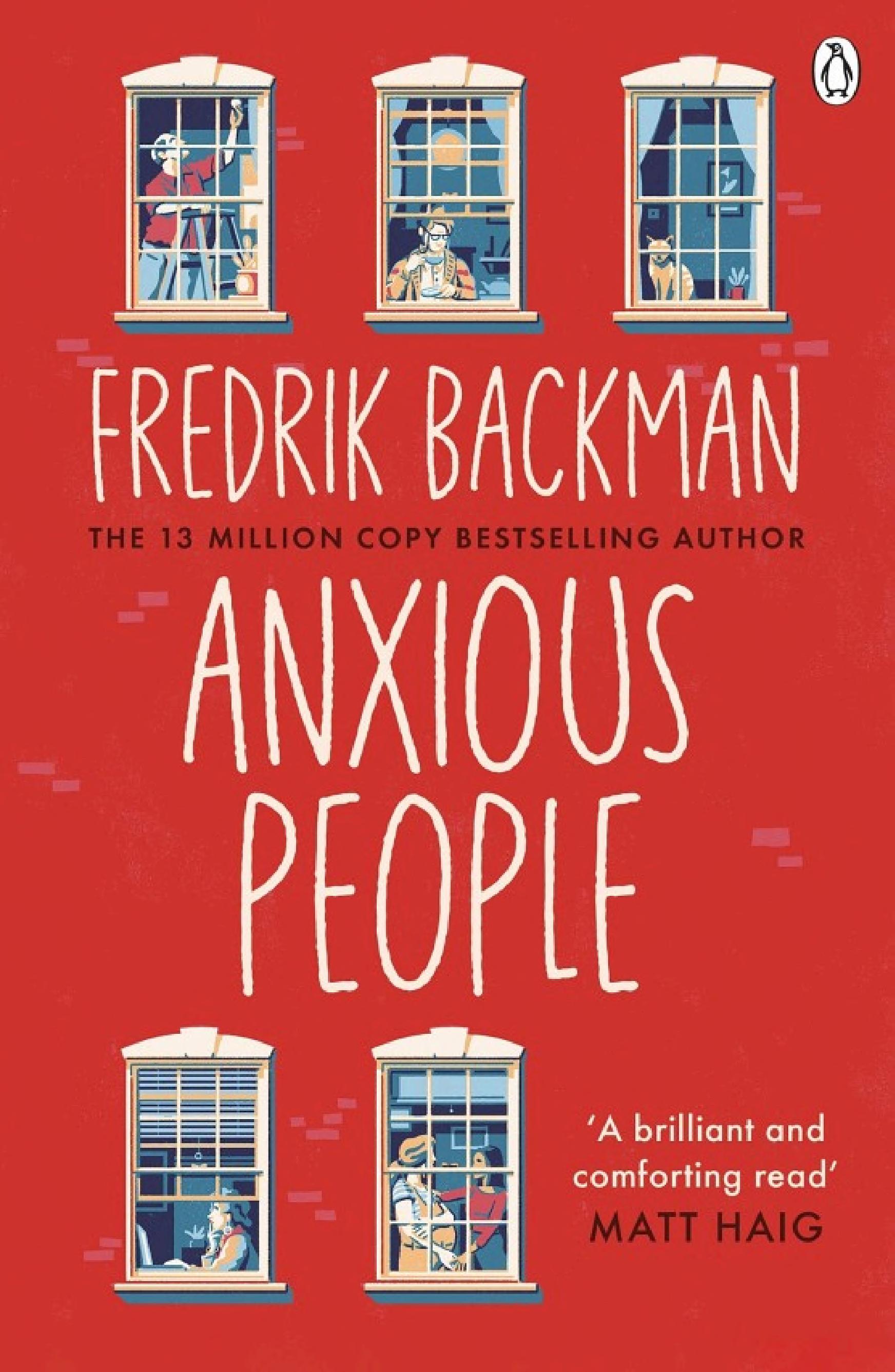
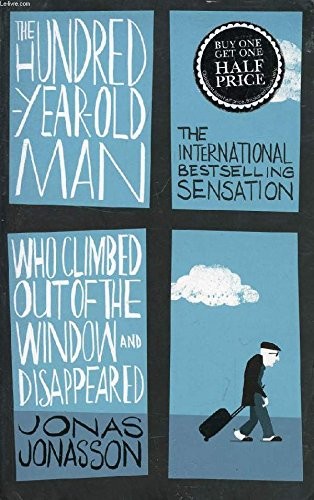
A Man Called OveFredrik BackmanThe closest structural companion to Eleanor Oliphant: a protagonist whose rigid, rule-governed engagement with the world is funny from the outside and heartbreaking from the inside, and whose eccentricity is revealed as a response to specific losses rather than as a personality quirk. Backman uses the same formal strategy as Honeyman — the comedy arrives first, the backstory arrives gradually, and the reframing of the comedy in light of the backstory is where the warmth lands. Ove’s obsession with parking regulations and proper radiator procedures is the same kind of constructed order that Eleanor’s rigid social rules represent: a system of control built over grief that has not been permitted to express itself directly. The most emotionally similar reading experience to Eleanor Oliphant on this list. The Rosie ProjectGraeme SimsionSimsion’s novel shares Eleanor Oliphant’s specific pleasure: a narrator whose way of engaging with the world is both genuinely funny and genuinely coherent within its own framework. Don Tillman’s systematic approach to finding a compatible partner — the Wife Project, with its questionnaire and its elimination criteria — is as apparently eccentric and as internally rational as Eleanor’s social rules. Both protagonists are operating with systems that make complete sense once the reader understands the underlying architecture, and both novels produce warmth through the same mechanism: the reader’s growing understanding that the protagonist’s apparent disconnection from ordinary social life is not a failure of human feeling but a different and legitimate relationship to it. Remarkably Bright CreaturesShelby Van PeltVan Pelt’s novel shares Eleanor Oliphant’s tonal combination — genuinely funny, genuinely sad, with the comedy and the grief interleaved rather than sequential — and uses a similar structural device: the reader understands more about the protagonist’s situation than the protagonist does, at least initially. Tova Sullivan’s reserved, routine-driven life is not presented as eccentricity but the routine is doing the same work Eleanor’s rules do: managing a grief that the novel gradually makes visible. The giant Pacific octopus narrator is the formal equivalent of Eleanor’s surprising voice — an angle of observation that the reader does not expect and that produces comedy through precision. Both novels are about people who have stopped expecting connection and who are proven wrong. Anxious PeopleFredrik BackmanBackman’s ensemble approach to the same subject: a group of strangers who are all, in different ways, held together by a secret the novel reveals gradually, and all of whom are funnier and more desperate than they initially appear. Where Eleanor Oliphant is organized around one protagonist’s constructed defense and its gradual dismantling, Anxious People distributes that structure across eight characters — each with their own version of the social armor, each with their own specific reason for needing it. Backman’s comedy here is broader than in A Man Called Ove, and the structural reveal is more formally elaborate, but the underlying argument is identical: the people who seem most composed are often the ones most in need of connection, and connection, however awkward, is almost always worth the attempt. The Unlikely Pilgrimage of Harold FryRachel JoyceJoyce’s novel shares Eleanor Oliphant’s central formal movement: a protagonist whose surface behavior is mildly comic and whose inner life, gradually revealed, explains and dignifies that behavior. Harold Fry’s decision to walk 500 miles to see a dying friend rather than post a letter is the kind of premise that could play as gentle eccentricity, and Joyce treats it with complete seriousness instead — which is the same choice Honeyman makes with Eleanor’s rules and rituals. The warmth in both novels arrives through the same mechanism: the reader understands what the protagonist is carrying before the protagonist can articulate it, and that gap between the reader’s understanding and the character’s is where the affection lives. The Hundred-Year-Old Man Who Climbed Out the Window and DisappearedJonas JonassonJonasson’s novel is funnier and more absurdist than the others on this list, and the dark backstory is historical rather than personal, but the structural move is recognizable: a protagonist the world has decided to stop paying attention to turns out to be the most consequential person in every room they have ever occupied. Allan Karlsson’s cheerful absence of ideology — he has wandered through a century of political upheaval simply doing what seemed sensible in the moment — produces the same comedy of apparent eccentricity that Eleanor Oliphant does, and the same reframing: what looked like obliviousness turns out to be a specific and legitimate relationship to the world. Lighter in emotional register than the others here, and the right recommendation for readers who want the comedy more than the darkness. Who This Is For
Readers who finished Eleanor Oliphant Is Completely Fine understanding that the novel’s comedy was a delivery mechanism for something darker, and who want more fiction that uses that structure — the apparently eccentric protagonist whose eccentricity gradually reveals itself as a comprehensible response to specific circumstances, with warmth arriving as the understanding does. Also readers who found Eleanor’s voice specifically enjoyable and want more fiction narrated by protagonists whose angle on the social world is both unusual and precise. The contemporary catalogue has more in this direction.
Frequently asked questions
Q: What makes Eleanor Oliphant Is Completely Fine so popular?
A: The voice is immediately distinctive and funny, which draws readers in before the novel’s darker subject matter becomes fully visible. Honeyman manages the tonal transition from comedy to something heavier with enough skill that readers are already invested in Eleanor before the investment becomes uncomfortable. The combination — genuinely funny and genuinely affecting — is unusual, and the novel hits it more consistently than most books attempting the same thing.
Q: Is A Man Called Ove similar to Eleanor Oliphant in tone?
A: Very similar. Both are organized around a protagonist whose social armor is comedy-producing and grief-concealing, both reveal the grief gradually, and both produce warmth through the reader’s growing understanding of what the protagonist is managing. A Man Called Ove is slightly more openly sentimental in its warmth; Eleanor Oliphant is slightly darker in its backstory. Both are worth reading, and most readers who love one love the other.
Q: Are these books appropriate for readers who are themselves managing trauma?
A: Eleanor Oliphant and A Man Called Ove both deal with the aftermath of trauma in ways that some readers find therapeutic and others find too close. The Rosie Project and The Hundred-Year-Old Man are the lightest in emotional register and the safest recommendations for readers who want the structural pleasure without the darker content. Readers should be aware that Eleanor Oliphant contains material related to child abuse and neglect.
Q: What should I read after Eleanor Oliphant if I want something by the same author?
A: Gail Honeyman has not published a second novel as of 2025. For the most similar reading experience by another author, A Man Called Ove is the most consistent recommendation for readers who respond primarily to the emotional structure, and The Rosie Project for readers who respond primarily to the comedy of the distinctive protagonist voice.
Not sure which of these is right for you specifically? The Pagesmith quiz matches you to books based on your mood, pacing preference, and reading goals, not bestseller lists. Takes two minutes.