Most books described as “books like Gone Girl” are thrillers with a twist at the end. Gone Girl is something more specific: a novel where the marriage itself is the mechanism of misdirection, where the narrator’s performance of credibility is the story rather than a formal device. Amy Dunne’s diary entries are not just unreliable. They are a character, meticulously constructed by another character who knows exactly how reliable narration sounds. If you are looking for books like Gone Girl, the ones worth your time work the same way. They use an intimate relationship, whether marital, therapeutic, or familial, as the arena where credibility is systematically destroyed, and they make you feel the destruction.
What Actually Makes Gone Girl Work
The conventional wisdom is that Gone Girl works because of the midpoint reveal. It doesn’t. The reveal is the engine, not the point. The novel works because Flynn makes the reader complicit. You read Amy’s diary and believe Amy’s diary, and then you find out exactly what that says about your reading. The books here share that specific logic, or a close variant of it. They don’t just have narrators who turn out to be wrong. They have narrators whose wrongness is structural, prepared from the first page, and aimed at the reader as much as at the characters around them.
The best psychological thrillers don’t just have unreliable narrators. They have unreliable relationships, and they make the unreliability structural rather than decorative.
The Novels That Deliver the Same Experience
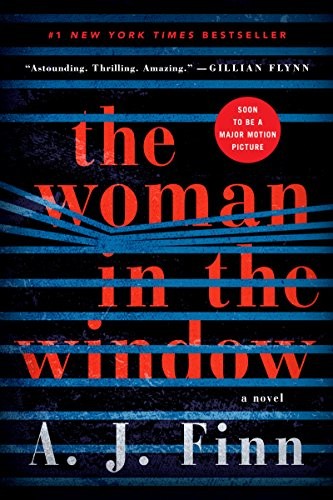
Who This Is For
Readers who finished Gone Girl in a weekend and spent the following week recommending it to everyone, but who have since been burned by thrillers that mistake a plot twist for a structural argument. If what you loved was the feeling of having been reading a completely different book from the one you thought you were reading, these six will deliver versions of that experience. You can also explore the full thriller and mystery catalogue for other directions the genre takes, including locked-room puzzles, Scandinavian procedurals, and true crime.
Frequently Asked Questions
Q: What makes a book a good alternative to Gone Girl? A: The most satisfying Gone Girl alternatives share its structural logic rather than just its genre. That means a narrator whose reliability is actively undermined by the novel’s architecture, an intimate relationship that turns out to be the site of the deception, and a reveal that reframes rather than simply surprises. A thriller with a twist at the end is not the same thing.
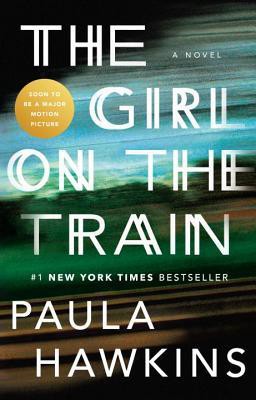
Q: Are books like Gone Girl always told from multiple perspectives? A: Not necessarily. Gone Girl uses alternating narrators, but the same effect can be achieved with a single narrator whose account keeps revising itself, as in The Girl on the Train. The alternating structure is a technique available to the genre, not a requirement. What matters is that the reader is reading the narrator’s performance of credibility alongside the story itself.
Q: Is The Girl on the Train as good as Gone Girl? A: They’re doing slightly different things. Gone Girl is more formally ambitious and more interested in gender performance as a theme. The Girl on the Train uses unreliable narration as atmosphere rather than as argument. Both are worth reading. Gone Girl is the better novel; The Girl on the Train is the faster one.
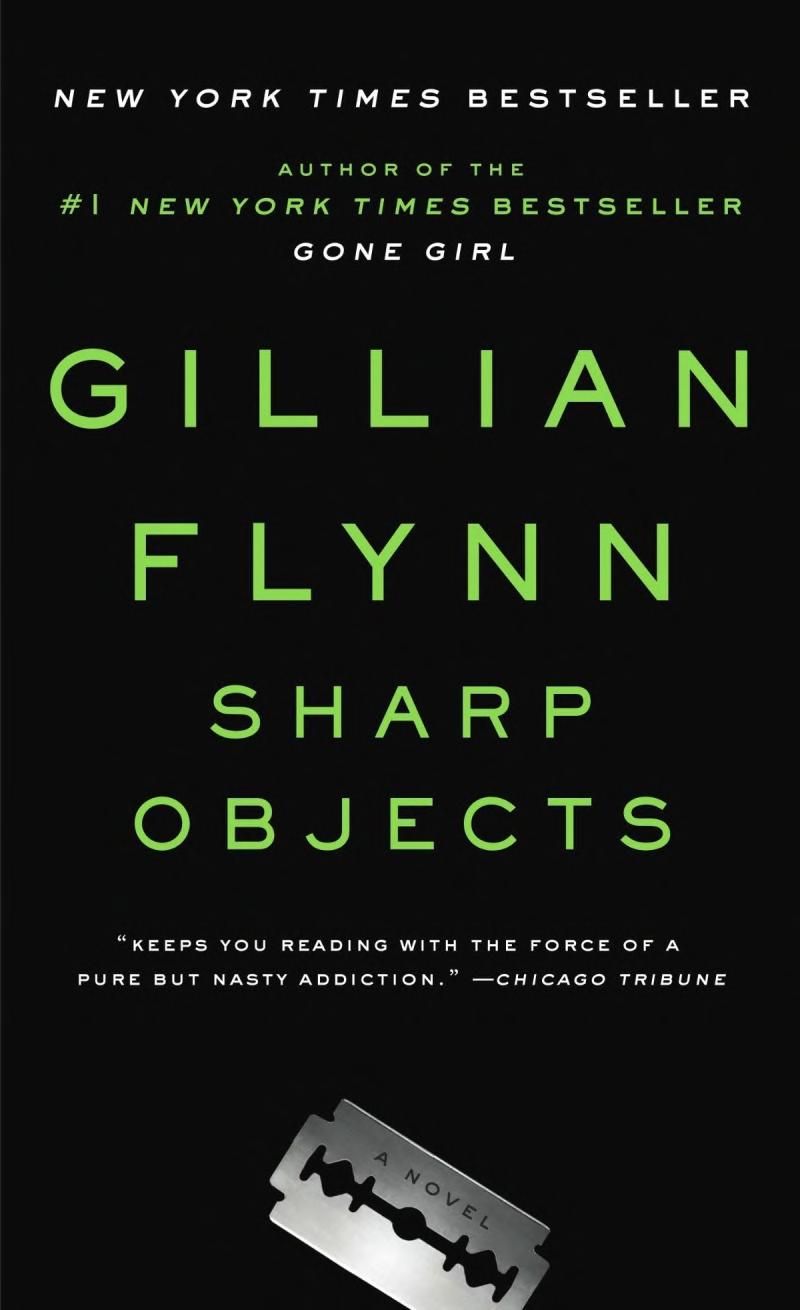
Q: What should I read if I want something darker than Gone Girl? A: Sharp Objects, also by Gillian Flynn, has none of Gone Girl’s black comedy. It is more tightly wound and more genuinely disturbing, concerned with how families generate and conceal violence across generations. The domestic horror runs deeper because it is less theatrical.
Not sure which of these is the right fit for you specifically? The Pagesmith quiz matches you to books based on your mood, pacing preference, and reading goals, not bestseller lists. Takes two minutes.