Dark academia as a genre label covers a lot of ground, most of it superficial. The aesthetic — gothic architecture, candlelight, classical texts — is easy to replicate, and many books do nothing more than replicate it. If We Were Villains is interesting for a different reason: M.L. Rio uses the theatrical setting to make an argument about identity and performance that the plot mechanics then test to destruction. The students at Dellecher Classical Conservatory are not ordinary people who happen to study Shakespeare. They are people who have so thoroughly inhabited the roles assigned to them — the hero, the villain, the ingenue — that when a real crisis arrives, they respond as characters rather than as themselves. The institution does not just provide the atmosphere. It provides the framework that makes the crime possible. The books here share that specific structural concern: elite environments that produce complicity, performance that replaces selfhood, and the specific danger of being very good at pretending.
What Makes Dark Academia Work as Serious Fiction
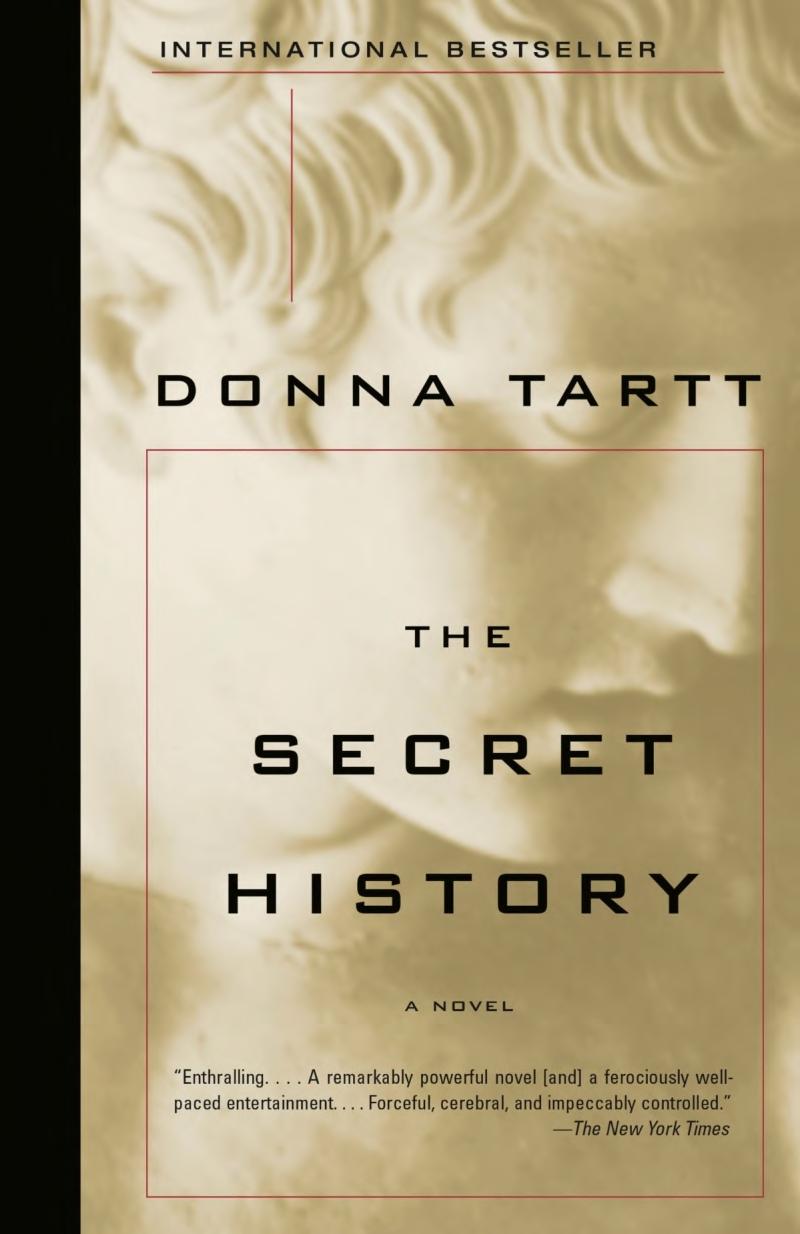
The failure mode for dark academia is treating the setting as permission for melodrama without consequence. The genre works when the institutional environment is doing the same thing it does in real life — producing people who have been so thoroughly shaped by a system that they cannot see themselves from outside it. Richard Papen in The Secret History cannot evaluate his own complicity because his entire self-concept depends on belonging to a group that requires it. Oliver Marks in If We Were Villains cannot separate who he is from the roles he has performed. That loss of selfhood inside an institution is not just atmospheric. It is the thing the best dark academia fiction is actually about.
The institution in dark academia is not just the setting. It is the mechanism — the system that shapes people into versions of themselves that serve the institution’s needs, and calls that shaping excellence.
The Books
Who This Is For
Readers who finished If We Were Villains and found that the Shakespearean setting was doing something more interesting than atmosphere — that it was the specific argument of the novel rather than its costume. Also literary fiction readers who have avoided dark academia because of its reputation for style over substance and who want evidence that the genre is capable of serious work. The thriller and mystery and fantasy catalogues both have further entries in this direction.
Frequently Asked Questions
Q: What is dark academia as a genre? A: Dark academia describes fiction set in elite academic or intellectual institutions — usually universities, conservatories, or secret schools — where the pursuit of knowledge or excellence produces morally compromised or dangerous situations. The aesthetic involves gothic settings, classical texts, and a specific atmosphere of beautiful decay. The best dark academia fiction uses the institutional setting as an argument about complicity and identity rather than purely as atmosphere.
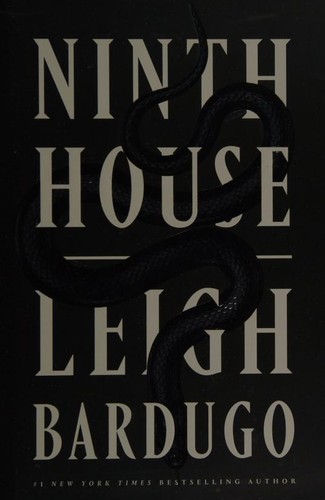
Q: Is The Secret History the best dark academia novel? A: The Secret History is the most formally accomplished and the one that most completely earns its status as the genre’s foundational text. If We Were Villains is a strong second, distinguished by its theatrical specificity. Ninth House is the best of the recent wave. All three are worth reading, in that order if you are new to the genre.
Q: What makes If We Were Villains different from The Secret History? A: Both novels are about a group of students in an elite institution who commit or are complicit in a murder, and both use the retrospective confessional structure. If We Were Villains is more interested in theatrical performance as a model for identity — the specific way actors lose themselves in roles — while The Secret History is more interested in the moral philosophy that justified the act. Both repay reading; they complement each other more than they duplicate each other.
Q: Are these books appropriate for readers who are not familiar with Shakespeare? A: If We Were Villains is saturated in Shakespeare and rewards readers who know the plays, but the emotional content works independently of that knowledge. The Secret History uses classical Greek texts in a similar way. Neither requires prior knowledge to be gripping; both reward it.
Not sure which of these is right for you specifically? The Pagesmith quiz matches you to books based on your mood, pacing preference, and reading goals, not bestseller lists. Takes two minutes.