6 Books Like The Inheritance Games You Won't Be Able to Put Down
The Inheritance Games works because Barnes combines a puzzle-box plot with genuine interpersonal stakes -- the mystery matters because the people inside it matter. These books share that combination: a mystery you need to solve alongside characters you want to survive it.
June 2026 · 7 min read · The Pagesmith
The Inheritance Games is being classified as YA mystery, but that undersells what Barnes is doing structurally. The novel’s forward drive comes not just from the puzzle — who is Avery Grambs, and why did Tobias Hawthorne leave everything to her — but from the specific social architecture of Hawthorne House, where every person Avery encounters is simultaneously a potential ally and a potential threat, and where the interpersonal dynamics are as complicated as the riddles. Barnes understands the specific pleasure of the puzzle-box narrative: the reader needs to know the answer, but the answer would be meaningless if the reader did not also need to know whether Avery is going to be okay. The books here share that structural combination. They are all organized around a mystery that has genuine plot-mechanical pull, all populated with characters whose fate the reader is invested in, and all designed to be read faster than the reader planned.
What Makes a Puzzle-Box Novel Work
The failure mode for puzzle-box fiction is the mystery that is interesting in itself but attached to characters who are vehicles rather than people. The reader turns pages to find out what happened, but when the answer arrives, it lands without emotional weight because they were never inside anyone’s experience of the events. The books here all avoid this by making the character dynamics as complicated as the plot mechanics — by ensuring that the interpersonal stakes are as real as the mystery stakes. In The Inheritance Games, Avery’s relationship with each of the Hawthorne brothers matters independently of whatever information it might yield. The best puzzle-box novels work the same way.
The puzzle-box novel at its best gives the reader two reasons to keep reading: the need to know what happened, and the need to know what happens to the person trying to find out. Without both, the answer arrives but the reader does not feel it.
The Books
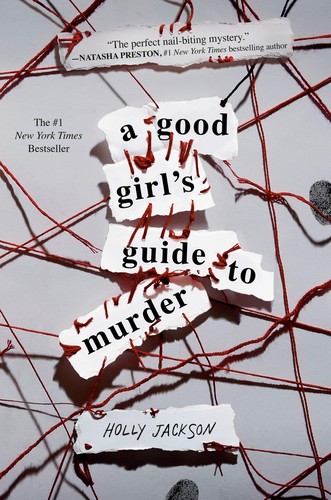
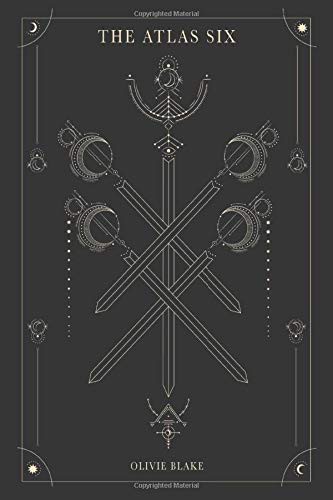
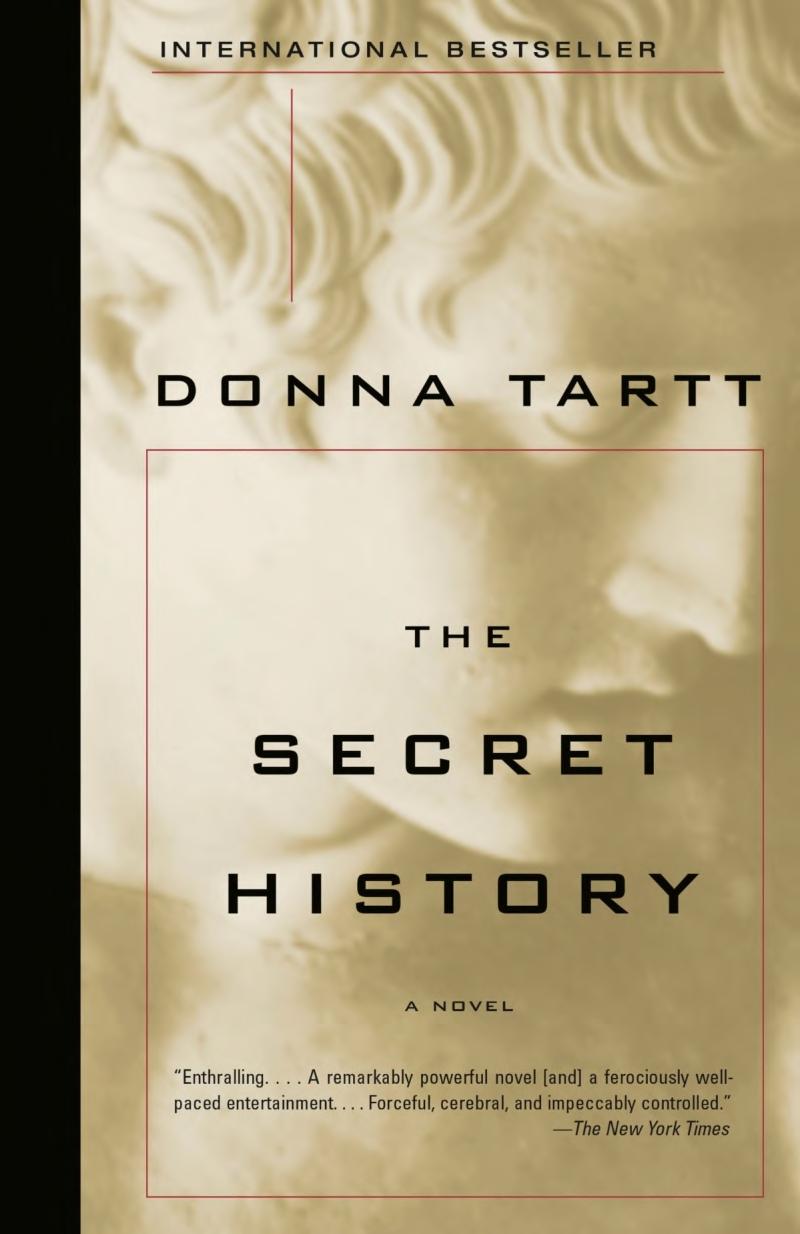
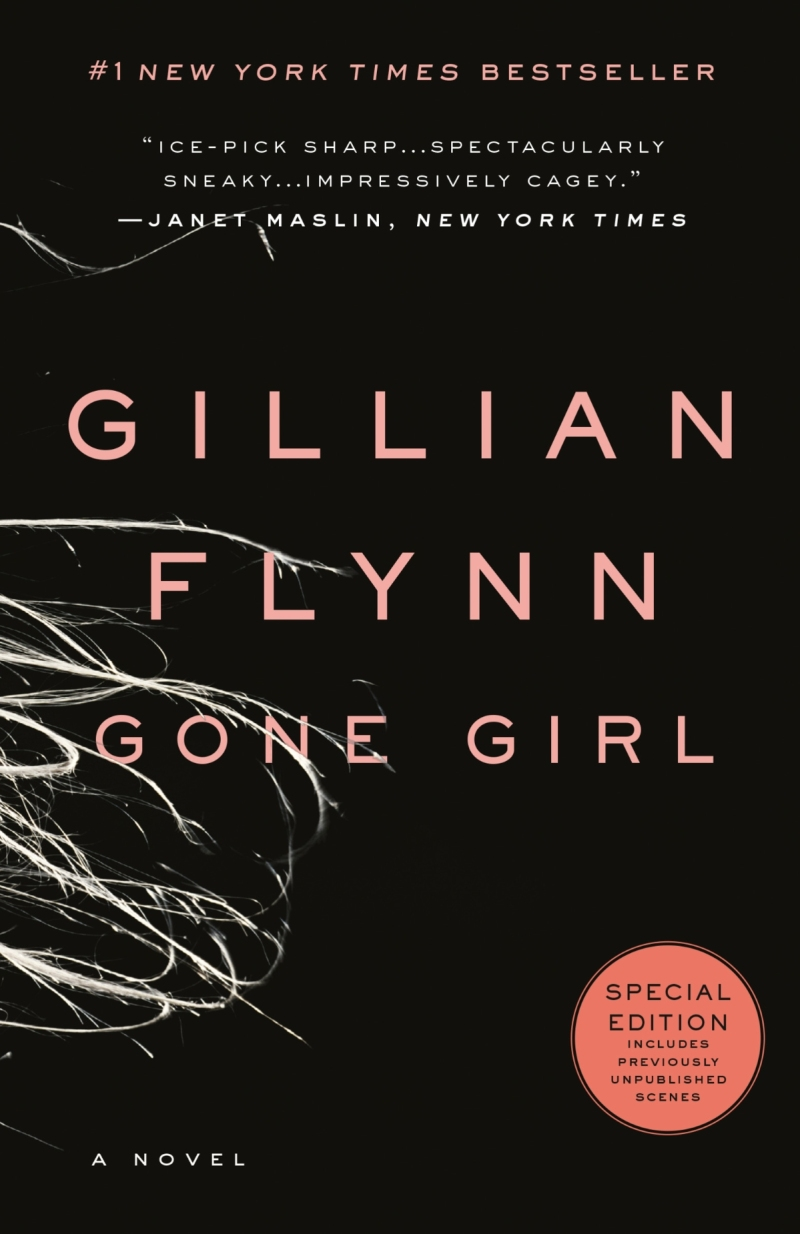
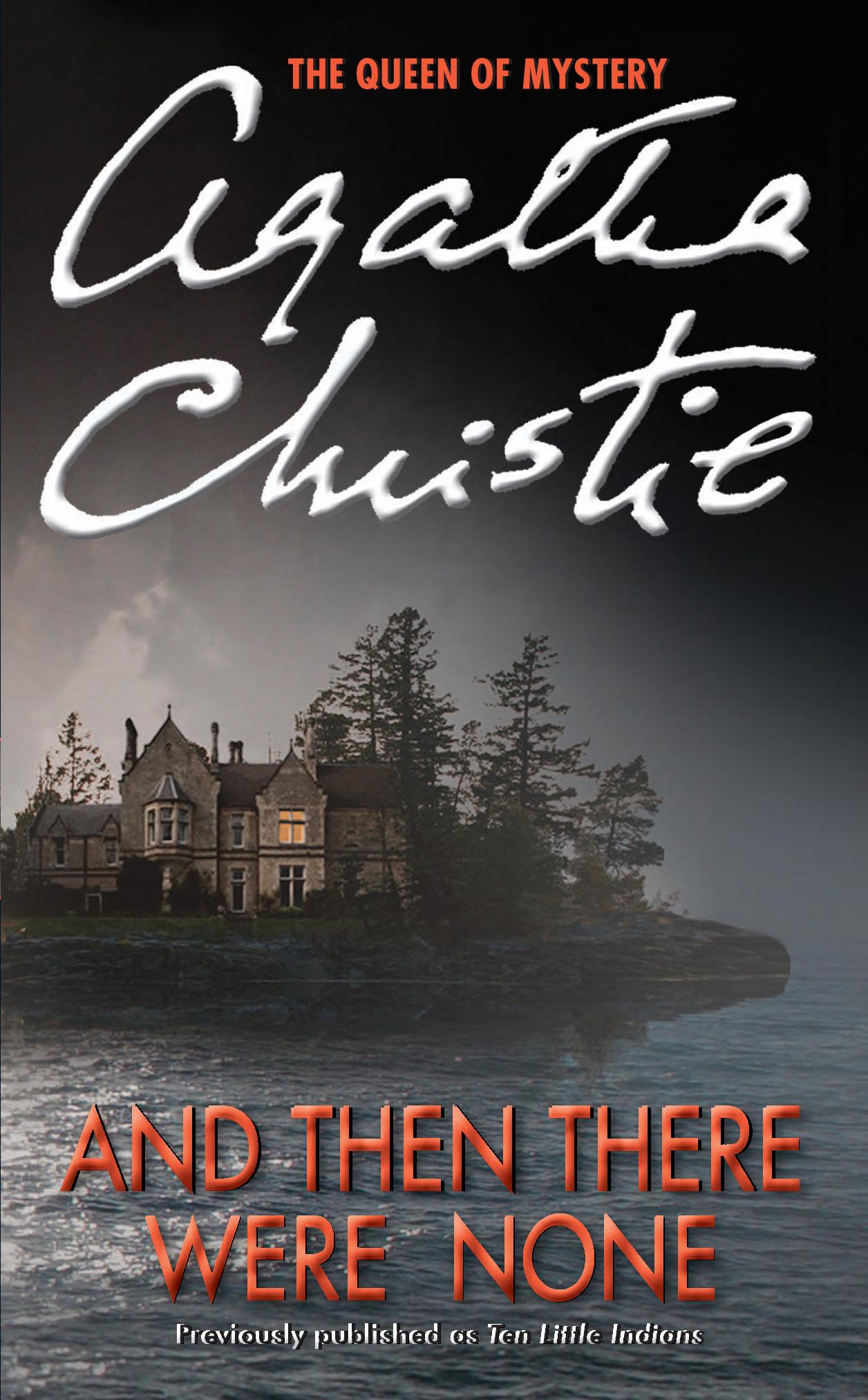
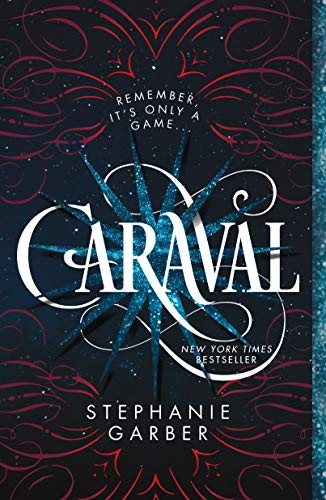
A Good Girl’s Guide to MurderHolly JacksonThe most structurally similar novel to The Inheritance Games on this list: a teenager investigating a case the official record considers closed, organized through the research log she keeps as a school project, and generating its forward drive through the combination of procedural detail and the escalating danger of looking too closely at something powerful people want left alone. Pippa Fitz-Amobi is as methodical as Avery is intuitive, and Jackson renders the small-town social architecture with the same attention Barnes brings to Hawthorne House. The first of a trilogy; the sequel delivers on the setup with more thriller mechanics and more interpersonal complexity. The Atlas SixOlivie BlakeBlake’s dark academia novel shares The Inheritance Games’ essential structure: a group of very capable people gathered in a closed environment for a purpose that is not what it appears to be, each of them simultaneously cooperating and competing and trying to understand who among them can be trusted. The six magicians recruited by the Alexandrian Society are as individually realized as the Hawthorne brothers, and the novel’s slow revelation of what the Society actually wants from them produces the same forward pull as Barnes’s riddles. More morally ambiguous than The Inheritance Games and more interested in making the reader genuinely uncertain about who to root for — which is either a feature or a problem depending on the reader. The Secret HistoryDonna TarttTartt’s novel is the adult version of the same essential premise: an outsider admitted to an exclusive, closed world and discovering that the price of membership is higher than anyone told them at the start. Richard Papen gains access to the Greek seminar at Dellecher and finds a group of people with whom he is fascinated and a secret they are collectively managing. The mystery in The Secret History is revealed at the beginning — the reader knows from the first page that one of the group was murdered — and the novel is organized around how and why, which produces the same forward drive as Barnes’s puzzle-box structure from a different angle. More literary in register and considerably darker, but satisfying the same desire to be inside a complicated social world where the reader knows something terrible is coming. Gone GirlGillian FlynnFlynn’s novel is the adult thriller version of the forward-drive formula: two unreliable narrators, a mystery about what happened and who is responsible, and a structural twist that reframes everything the reader understood in the first half. Gone Girl is darker and more psychologically demanding than The Inheritance Games, and its character dynamics are designed to produce discomfort rather than affection — but both novels are organized around the same compulsive reader experience: the inability to stop reading because the answer is being withheld one chapter at a time. The right recommendation for Inheritance Games readers who want the adult equivalent with more moral complexity and less romantic tension. And Then There Were NoneAgatha ChristieChristie’s masterpiece is the foundational text for the closed-environment mystery that The Inheritance Games inherits. Ten strangers gathered on Soldier Island, each accused of an unpunished crime, each dying in sequence: the puzzle-box structure is as purely realized as it gets in the genre, and Christie’s management of information — what the reader knows, what the characters know, and where those two sets of knowledge diverge — is the model that every subsequent closed-environment mystery has used. Hawthorne House is Soldier Island with better lighting and more romantic tension. Start here if you want to understand the tradition The Inheritance Games is working in. CaravalStephanie GarberThe fantasy equivalent of The Inheritance Games’ puzzle-box structure: a mysterious game with its own rules, a protagonist who does not fully understand the rules she is playing by, and a series of challenges that are not quite what they appear. Scarlett’s entry into Caraval — the legendary show that is also a game, where nothing is as it seems and the boundary between performance and reality is part of the puzzle — shares Barnes’s essential architecture: a closed world with its own rules, someone new being tested against those rules, and the gradual revelation that the real game is different from the announced one. The most fantasy-adjacent recommendation for Inheritance Games readers who want to stay in that register of wonder-and-danger. Who This Is For
Readers who finished The Inheritance Games and immediately needed the next book — who want the same combination of a mystery that genuinely pulls them forward and a group of characters complicated enough to sustain that pull. Also readers who discovered they love puzzle-box fiction through Barnes and want to understand both the YA tradition she belongs to and the adult literary equivalents that share her structural method. The thriller and mystery catalogue has more in this direction.
Frequently asked questions
Q: Is The Inheritance Games part of a series?
A: Yes — a trilogy. The Hawthorne Legacy and The Final Gambit follow directly from the first novel’s events. All three are worth reading; the first is self-contained enough to be satisfying on its own but the series deepens the characters and the stakes considerably across the subsequent volumes.
Q: Is The Secret History appropriate for younger readers who loved The Inheritance Games?
A: The Secret History deals with more mature content — substance use, sexuality, and violence — and is considerably darker in tone. It is not a YA novel and is not appropriate for younger teens. Mature teenage readers who can handle the content will find it one of the most compelling books they encounter. A Good Girl’s Guide to Murder is the more direct age-appropriate comparison.
Q: What makes And Then There Were None still relevant after 80 years?
A: Because Christie designed the puzzle with such precision that the solution is both surprising and, in retrospect, inevitable — the only solution that satisfies all the constraints she established. Most subsequent mystery fiction is a variation on her structural method rather than an improvement on it. Reading her makes modern closed-environment mysteries more legible because the template is so clearly visible.
Q: What should I read after finishing all three Inheritance Games novels?
A: A Good Girl’s Guide to Murder and its sequels are the most structurally comparable. If you want something with more fantasy elements, Caraval’s trilogy. If you want to move toward adult mystery fiction with similar interpersonal stakes, The Secret History or the Thursday Murder Club series for warmer ensemble dynamics.
Not sure which of these is right for you specifically? The Pagesmith quiz matches you to books based on your mood, pacing preference, and reading goals, not bestseller lists. Takes two minutes.