Historical Romance: The Ultimate Reading Guide
Historical romance earns its genre by using its period as architecture rather than costume. The social constraints of the setting make the romantic obstacles genuinely difficult in ways that contemporary fiction cannot replicate -- and the best historical romances understand that the history is doing real work, not just providing pretty scenery.
June 2026 · 8 min read · The Pagesmith
Historical romance is the genre that most consistently gets accused of using its setting as decoration — the bonnets and ballgowns as aesthetic backdrop for a romantic arc that could happen anywhere. The accusation is sometimes fair. But the best historical romance novels use their periods structurally: the obstacles to the central relationship are produced by the historical conditions rather than imported into them. In a Regency setting, a woman cannot simply tell a man she loves him and see what happens — the social, financial, and reputational architecture of the period makes that impossible, and the novel’s drama is organized around navigating a world that has encoded the difficulty into its rules rather than simply presenting it as a character flaw. When that architecture is doing its full work, historical romance produces a specific kind of romantic tension that contemporary settings genuinely cannot replicate: the sense that the obstacles are real because the world is real, and the triumph is meaningful because the world made it difficult.
What to Look for in Historical Romance
The best historical romance novels share two qualities: they take their periods seriously enough that the setting is doing structural work rather than scenic work, and they write their protagonists with enough psychological complexity that the reader wants the romantic outcome because the people are real rather than because the genre promises it. The books here all meet both criteria. Their historical settings are not interchangeable with each other or with contemporary settings — remove the period and the story does not work. And their central characters are fully realized enough that the reader’s investment in the romantic arc is earned rather than granted by genre convention.
The social constraints of a historical setting are not obstacles added to a love story. They are the conditions that make the love story meaningful — because a relationship that could only be built in spite of a world designed to prevent it is a different kind of relationship from one the world accommodates.
The Essential Starting Points
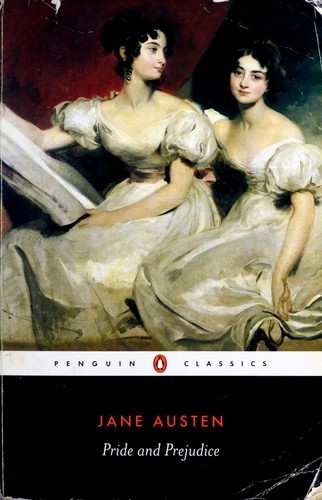
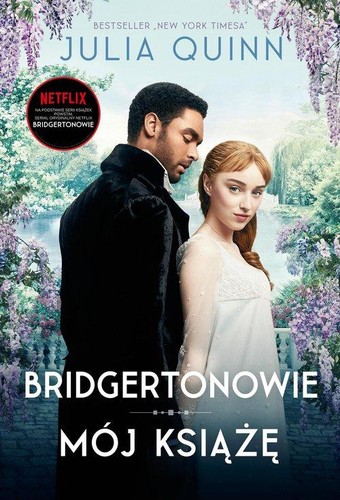
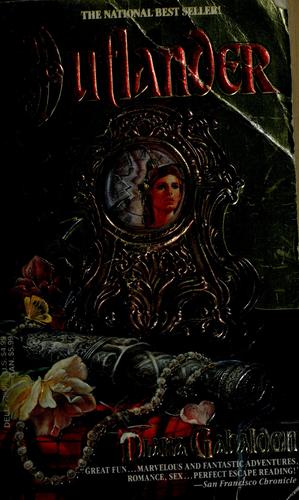
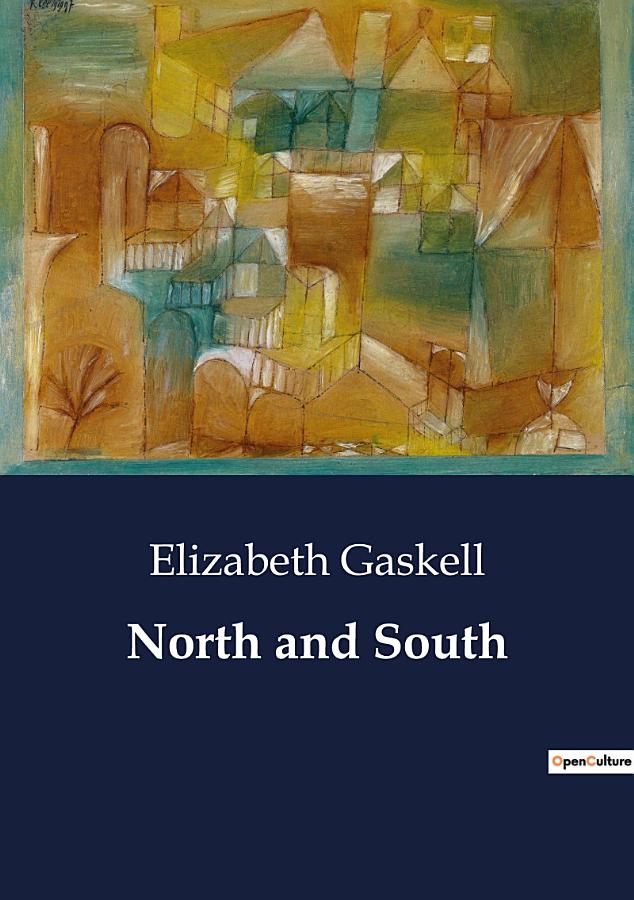
Pride and PrejudiceJane AustenThe foundational text — every subsequent Regency romance is working in the world Austen built, either following its conventions or departing from them. Elizabeth Bennet and Mr. Darcy’s arc is the template precisely because Austen understood that the Regency social architecture — the necessity of marriage for women’s financial security, the specific weight of first impressions in a world where reputation is currency — makes the romantic obstacles genuinely structural rather than personal. The comedy is real, the social observation is precise, and the romantic payoff is earned across 350 pages of character development that most contemporary romance novels cannot match. The right starting point for any reader who wants to understand why historical romance exists as a genre. The Duke and IJulia QuinnThe best Regency romance written in Austen’s wake, and the novel that the Bridgerton Netflix adaptation made globally famous. Quinn takes the fake courtship premise — Daphne Bridgerton and the Duke of Hastings agree to pretend an attachment to manage their respective social problems — and uses it to examine what happens when two people performing a relationship discover it has become real before they have the tools to acknowledge it. Quinn writes with more wit than most genre romance and more genuine interest in her characters’ psychologies, and the Bridgerton family itself — eight siblings, an indefatigably matchmaking mother, and a highly specific social world — is as well-realized as any ensemble in the genre. The right starting point for readers who want contemporary Regency romance in the direct Austen tradition. OutlanderDiana GabaldonThe genre in its most expansive form: a WWII nurse transported to eighteenth-century Scotland who must navigate a world where every social rule has changed, where the clan politics can get her killed, and where the man she married in a politically necessary ceremony is developing into something more complicated than a convenient arrangement. Gabaldon writes with a novelist’s investment in historical detail — the Scottish highlands, the Jacobite rebellion, the specific texture of life in 1743 — and the romance between Claire and Jamie Fraser is built across 850 pages of shared danger, moral crisis, and the specific intimacy that comes from surviving things together. The most immersive historical romance available in terms of sheer quantity of world and the one with the most devoted long-term readership. North and SouthElizabeth GaskellGaskell’s Victorian novel is the historical romance for readers who want the period’s social architecture to be doing the heaviest possible work. Margaret Hale’s move from the rural south of England to the industrial north of Milton brings her into collision with mill owner John Thornton in a setting where the class dynamics, the industrial politics, and the specific geography of nineteenth-century English society all shape what is possible between them. The romance is embedded in a novel that is genuinely interested in the condition of the industrial working class and in a female protagonist with serious moral and intellectual engagement with the world she lives in. The Pride and Prejudice of Victorian industrial fiction. Wolf HallHilary MantelThe entry on this list for readers who want the historical setting at maximum density and the romantic element minimal: Mantel’s Tudor trilogy is not a romance but it belongs here because it is the most complete argument available in historical fiction that period setting can be load-bearing rather than decorative. Cromwell’s navigation of Henry’s court is organized entirely by the specific conditions of the Tudor political world — the relationship between royal will and parliamentary authority, the specific vulnerability of anyone too close to power, the physical texture of sixteenth-century London. For readers who love Outlander and Bridgerton but want to understand what historical fiction looks like when the history is the point rather than the setting. The Bronze HorsemanPaullina SimonsThe historical romance for readers who want maximum emotional intensity in a historical setting of genuine dramatic weight: the siege of Leningrad during WWII. Tatiana and Alexander meet days before Germany invades the Soviet Union, and the romance between them develops across the 900-day siege — through rationing, bombardment, starvation, and the specific moral compromises that survival under those conditions requires. Simons renders the historical circumstances with enough specificity that the obstacles to the romance are as real as any in the genre, and considerably more extreme. The most devastating historical romance available in contemporary fiction, and the one most likely to be described as a reading experience that permanently changed something in the reader who encountered it. Who This Is For
Readers who want to explore historical romance as a genre or who have loved one or two historical romance novels and want to understand the full range of what the form can do — from the comedy of manners to the immersive epic to the emotionally devastating war romance. Also readers from literary fiction who are skeptical of genre romance but who respond to the idea of a period setting doing real structural work.
Frequently asked questions
Q: Is there a significant difference between historical fiction and historical romance?
A: The distinction is emphasis and convention. Historical romance centers the romantic relationship as the primary source of dramatic tension and observes genre conventions about relationship arcs. Historical fiction uses a historical period as the primary subject with characters as the vessel for exploring it. Wolf Hall is historical fiction; The Duke and I is historical romance; Outlander occupies both categories. The distinction matters for setting reader expectations but both can be serious literary endeavors.
Q: What period is most commonly used in historical romance?
A: The Regency period (approximately 1811-1820) is by far the most popular setting in English-language historical romance, driven by Austen’s influence and the specific social architecture that period provides for romantic obstacles. The Scottish Highlands of the Jacobite era (Outlander’s period) is the second most popular. Victorian England, Tudor England, and WWII Europe also have substantial subgenres.
Q: Is Outlander appropriate for readers who primarily read literary fiction?
A: Outlander is genre romance with a serious investment in historical detail and a genuinely complex central relationship. Literary fiction readers who approach it expecting the prose register of Mantel or Gaskell will be disappointed; readers who approach it expecting an immersive historical world and a long-form romance will be satisfied. The historical research is serious even if the narrative mode is not literary.
Q: What should I read after The Duke and I if I want more Bridgerton?
A: The Viscount Who Loved Me (book two) is widely considered the best novel in the series and features the second Bridgerton sibling Anthony. The series has eight novels total, one per sibling, and Quinn maintains a high standard throughout. Most readers find books one through four the strongest.
Not sure which of these is right for you specifically? The Pagesmith quiz matches you to books based on your mood, pacing preference, and reading goals, not bestseller lists. Takes two minutes.