What to Read When You Want to Feel Inspired
The best inspiring books don't tell you to be better. They show you someone who found their way through something genuinely difficult -- which is a more durable form of inspiration than instruction, because it demonstrates rather than prescribes.
June 2026 · 8 min read · The Pagesmith
Most books marketed as inspiring are organized around instruction: the steps to follow, the mindset to adopt, the system to implement. The books here are organized differently. They are inspiring because they render someone doing something genuinely hard — writing a memoir while her family forbids it, rebuilding a life after prison, choosing science over the community that raised her — with enough specificity that the reader understands what the difficulty actually felt like from the inside, and comes away changed not because they were told to change but because they witnessed something. That kind of inspiration is more durable because it does not depend on the reader’s willingness to follow instructions. It depends only on their capacity to recognize something true about what it means to try.
The Difference Between Instruction and Demonstration
The self-help book tells the reader what to do. The memoir shows the reader what it looked like when someone did it, including the parts where they failed and the parts where they wanted to stop. Elizabeth Gilbert in Big Magic is not providing a creative process to copy; she is describing her own relationship to her creative work with enough honesty that the reader can locate their own version of it. Glennon Doyle in Untamed is not prescribing a specific set of choices; she is narrating a single year of radical honesty with enough vulnerability that the reader understands what it costs to choose yourself. The books here all work through demonstration rather than instruction, which is why they produce a feeling that lasts longer than a to-do list.
The most reliable way to feel inspired is not to read about inspiration but to read about someone doing something difficult — because what you take away is not a plan but a proof: evidence that the thing is possible, from someone who actually did it.
The Books
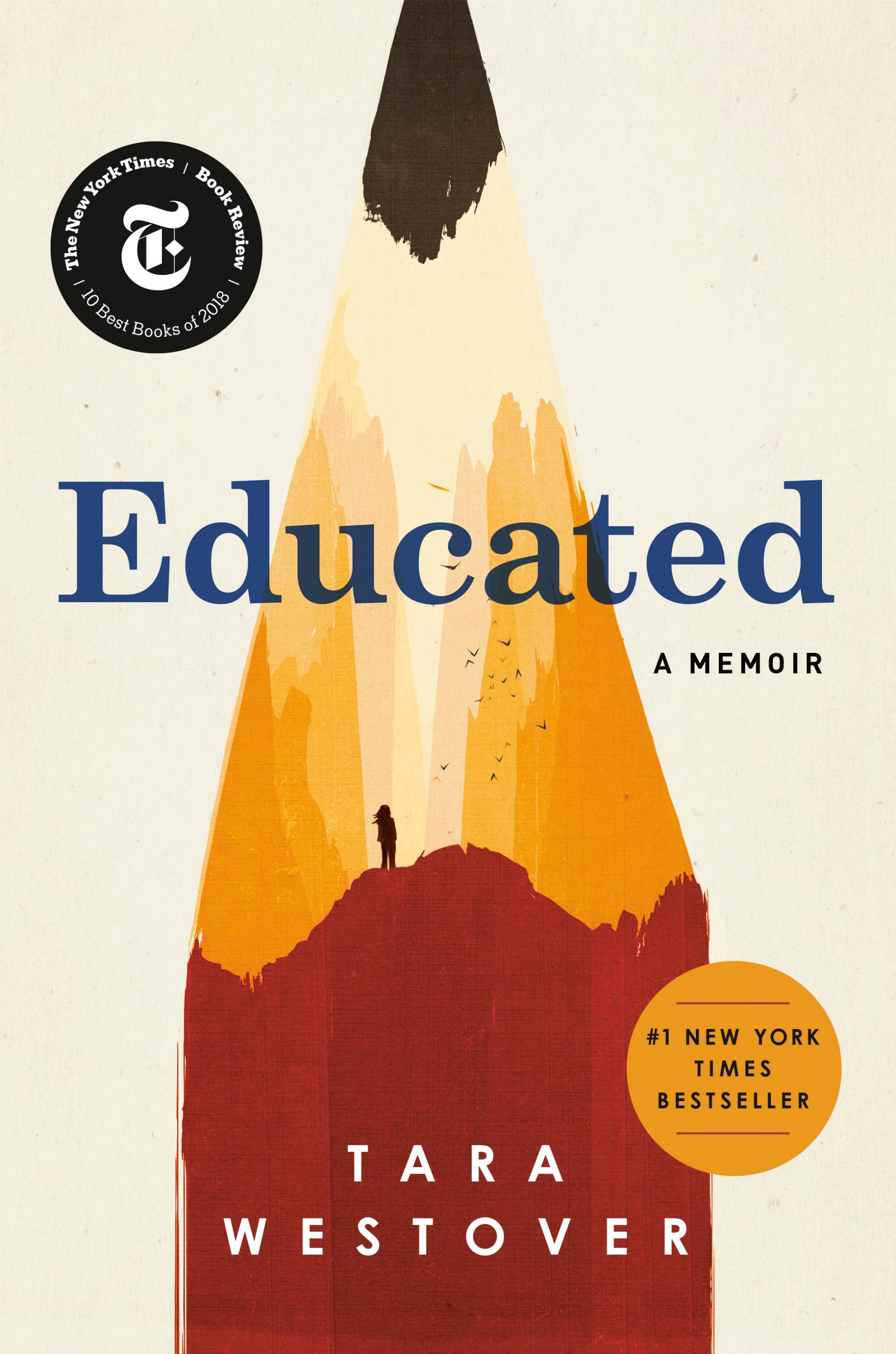
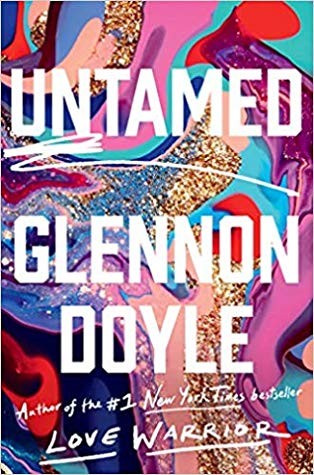
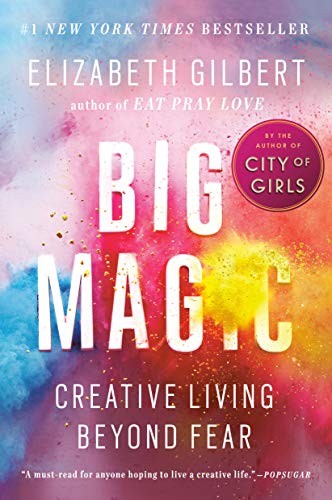
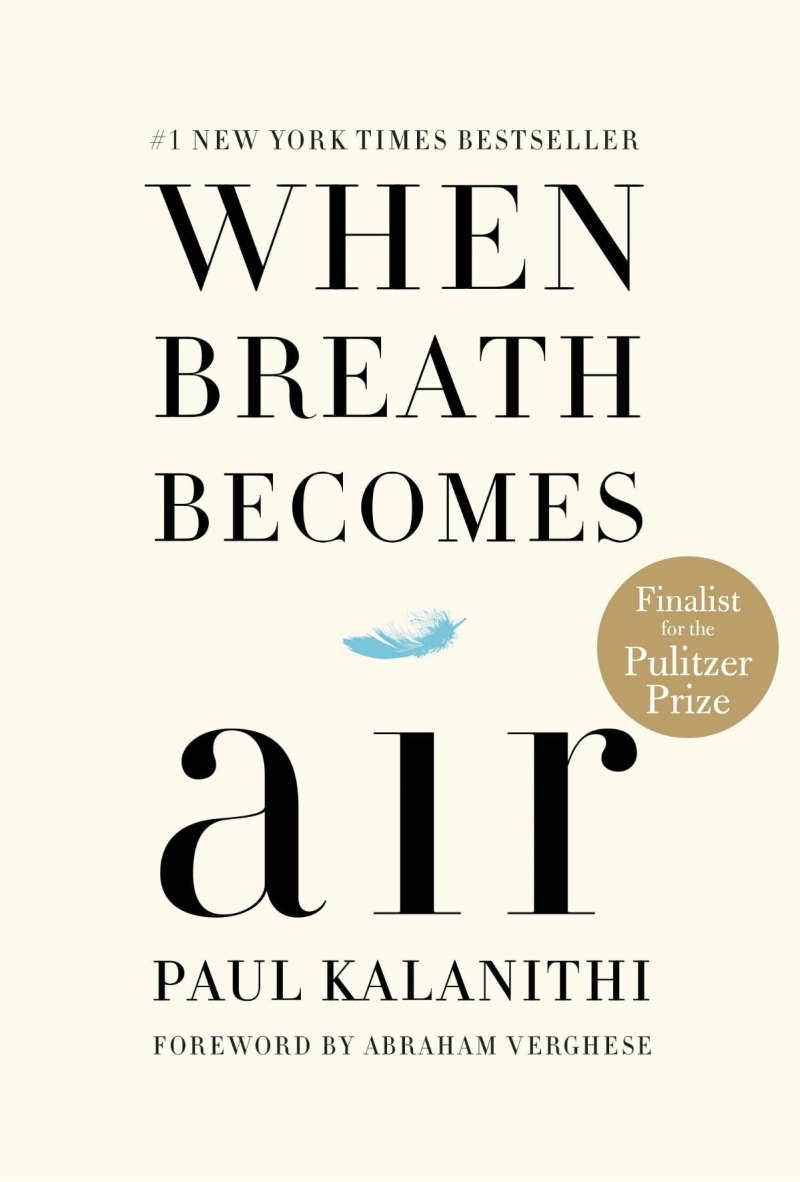
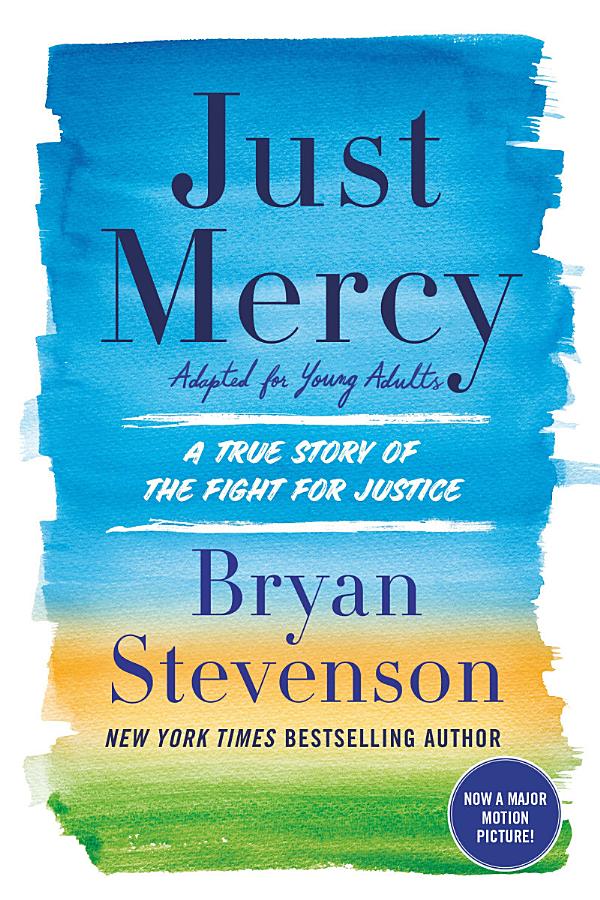
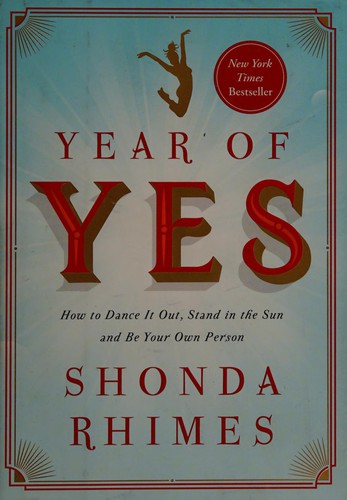
EducatedTara WestoverThe most widely cited inspiring memoir of the past decade, and the one that earns the description most completely: Westover grew up in an isolated fundamentalist family in Idaho, had no formal education until her early twenties, taught herself enough to gain admission to Cambridge, and wrote the memoir while completing her PhD there. What makes Educated inspiring rather than simply extraordinary is Westover’s honest accounting of what the journey cost — the family relationships she lost, the specific violence she had to name, and the ongoing uncertainty about whether the person she became was worth the price of becoming her. It is inspiring in the hardest sense: not despite the difficulty but because of the honesty about it. UntamedGlennon DoyleDoyle’s memoir-manifesto is the most direct address to the specific experience of having organized your life around what other people need from you and recognizing that the organization is unsustainable. The year she describes — falling in love with Abby Wambach, ending her marriage, and beginning to say what she actually thought rather than what she was supposed to think — is rendered with enough emotional honesty that readers who are in different circumstances but a similar psychological place consistently find it reorienting. The writing is urgent and direct, the argument is clear, and the book does not pretend the choices were easy or that the reader should make the same ones. The most reliably recommended inspiring book for women in a period of significant life transition. Big MagicElizabeth GilbertGilbert’s book about creative living is for anyone who wants to make something but is held back by fear of failure, by the sense that they are not talented or qualified enough, or by the feeling that making things requires permission they have not been given. Her argument — that creativity is not a competition and does not need to be earned and that the permission comes from deciding rather than from being chosen — is not original, but her delivery of it is warm, specific, and entirely free of the condescension that plagues most creative advice. Short, readable in a single sitting, and consistently reported as the book that moved people from thinking about making something to actually starting. The most accessible entry point on this list. When Breath Becomes AirPaul KalanithiKalanithi’s memoir is organized around a question that most inspiring books avoid: what does it mean to pursue meaning when the time to pursue it is running out? Written by a neurosurgeon in the final months of terminal lung cancer, the book is not organized around triumph or resilience in the conventional sense but around the specific quality of Kalanithi’s engagement with what he was losing and what he was choosing to do with the time remaining. The memoir is inspiring not because it argues that anything is possible but because it demonstrates what a fully inhabited life looks like — a life in which the work, the relationships, and the question of what matters are all taken seriously at the same time. One of the most widely read and most frequently cited books across all of medicine. Just MercyBryan StevensonStevenson’s account of his work defending death row prisoners is inspiring in the form that is most useful and most lasting: through the specific demonstration of what it looks like to show up, day after day, for people and causes that the surrounding world has decided do not deserve it. The book does not argue that the work is easy or that the system is fixable or that every case ends well. It argues that the work is worth doing anyway, through the evidence of specific cases and specific people and specific choices made under specific pressure. The most socially important book on this list and the one most likely to produce a lasting change in how the reader thinks about what commitment to something actually looks like. Year of YesShonda RhimesRhimes’s memoir is the most immediately entertaining book on this list and the right recommendation for readers who want inspiring without demanding. The year she chronicles — saying yes to everything she had been avoiding, from public speaking to Dartmouth commencement addresses to interviews to weight loss to simply inhabiting her own life instead of hiding behind her work — is narrated with the same directness and humor she brings to her television writing, and the specific insight at the center of it (that the things that terrify us most are usually the things we need most to do) is made through experience rather than through argument. The most accessible and most fun inspiring book available in contemporary nonfiction. Who This Is For
Readers in a period of transition, doubt, or creative stagnation who want books that demonstrate possibility rather than prescribing it — who are more moved by watching someone do something difficult than by being told how to do it themselves. Also readers who are skeptical of self-help as a genre but are open to memoir that makes an argument about how to live through showing rather than telling. The nonfiction catalogue has more in this direction.
Frequently asked questions
Q: What is the difference between an inspiring book and a self-help book?
A: Self-help books are organized around instruction: they tell the reader what to do, think, or practice. The books here are organized around demonstration: they show the reader what someone else did, with enough honesty about the difficulty and the cost that the reader arrives at their own version of the lesson rather than receiving a prescription. The distinction is between being told what to do and watching someone do something and understanding from the inside why it was worth doing.
Q: Is Educated appropriate for readers who are sensitive to family trauma?
A: Educated deals with physical and psychological abuse, religious extremism, and the painful process of separating from a family that cannot follow you into the person you are becoming. It is written with more analytic than emotional intensity — Westover is interested in understanding what happened rather than dramatizing it — but readers who are themselves navigating family estrangement or trauma may find it close. The book is not therapeutic in orientation; it is memoir in the most honest sense.
Q: Is Big Magic useful for people who are not artists or writers?
A: Gilbert explicitly argues that creative living applies to any endeavor organized around curiosity rather than fear — gardening, cooking, running a business, raising children. The book is most immediately useful for people who want to make something in the conventional artistic sense, but its central argument about permission and fear applies more broadly than the creative framing suggests.
Q: What should I read after When Breath Becomes Air?
A: The Year of Magical Thinking by Joan Didion covers adjacent territory — grief, mortality, the experience of a life interrupted — through a different formal approach (Didion is investigating rather than narrating) and with different emotional texture. Being Mortal by Atul Gawande applies a similar medical intelligence to end-of-life care more broadly and is essential companion reading.
Not sure which of these is right for you specifically? The Pagesmith quiz matches you to books based on your mood, pacing preference, and reading goals, not bestseller lists. Takes two minutes.