7 Essential Books About America That Tell the Truth
The best books about America are not celebratory or purely critical -- they are specific. They take a piece of the country, render it with full honesty, and let the reader understand something about the whole through the part. These seven books do exactly that.
June 2026 · 8 min read · The Pagesmith
There are two easy positions in writing about America: celebration and condemnation. The celebratory tradition produces the America of frontier mythology and democratic idealism, of opportunity and reinvention, of the city on a hill and the immigrant dream. The condemnation tradition produces the America of systemic failure, historical violence, and the gap between the stated ideal and the practiced reality. Both traditions exist, both have produced important work, and both are less useful than the third position: the specific. The books here are specific. They do not argue from an ideological position about what America is; they render a piece of it with enough precision that the reader can see what it actually is and has been. Steinbeck’s Dust Bowl migrants, Isabel Wilkerson’s Great Migration, Bryan Stevenson’s death row clients: these are the specific people whose specific circumstances tell a more complete truth than any general argument about the country could produce.
Why Specificity Is the Most Honest Mode
The most dishonest thing a book about America can do is operate at a level of abstraction that allows the reader to agree without being challenged. A book that argues that America is flawed is easy to agree with; a book that renders exactly how a specific flaw operated in specific lives, at a specific historical moment, in a specific place, is much harder to dismiss. Caste is persuasive not because it argues that caste exists in America but because Isabel Wilkerson documents the specific mechanisms through which it operates and the specific ways those mechanisms shape individual lives. The Grapes of Wrath is indicting not because Steinbeck hates capitalism but because he renders what the Dust Bowl did to the Joads with enough specificity that the reader cannot maintain the abstraction that would allow comfortable distance. The books here all earn their arguments by refusing the easy level of abstraction.
The most honest books about America don’t argue from a position. They render a specific piece of the country so precisely that the reader arrives at the argument themselves — which is the only way an argument about a country this large and this contradictory can be made honestly.
The Books
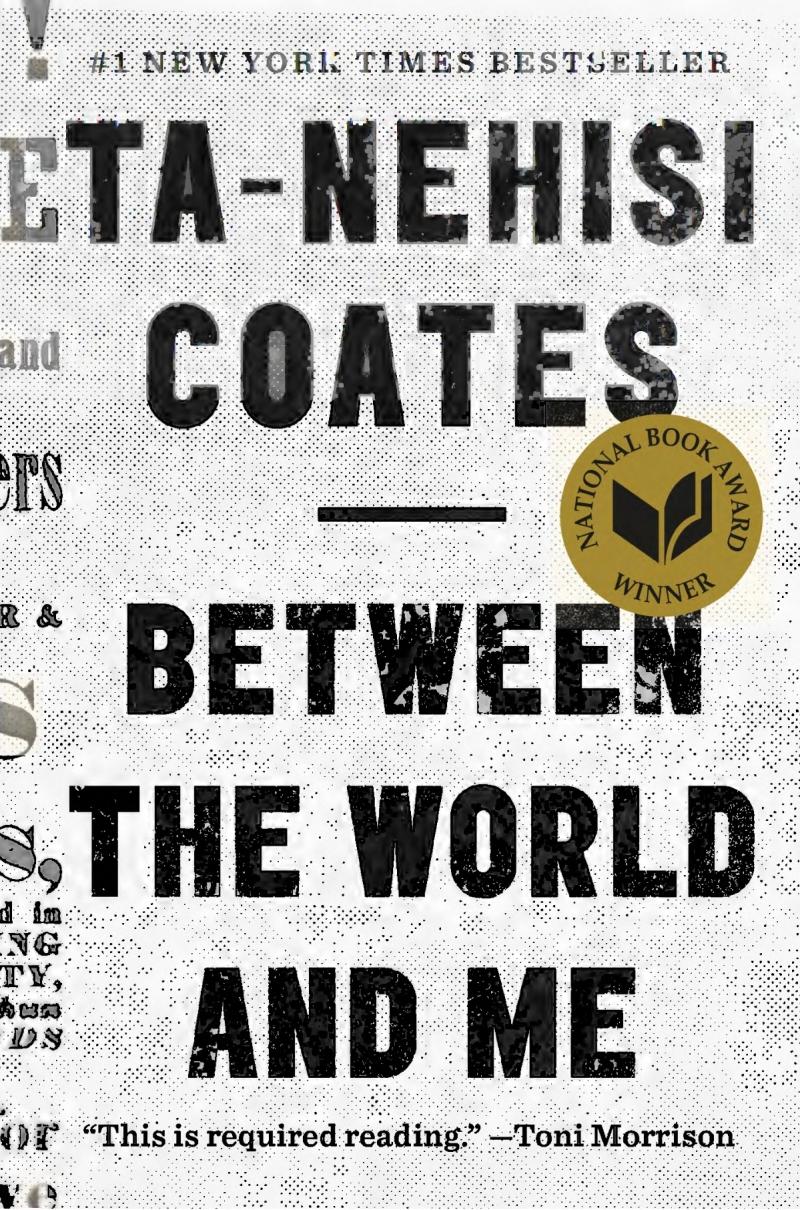
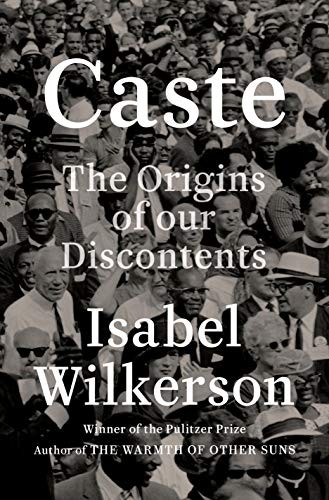
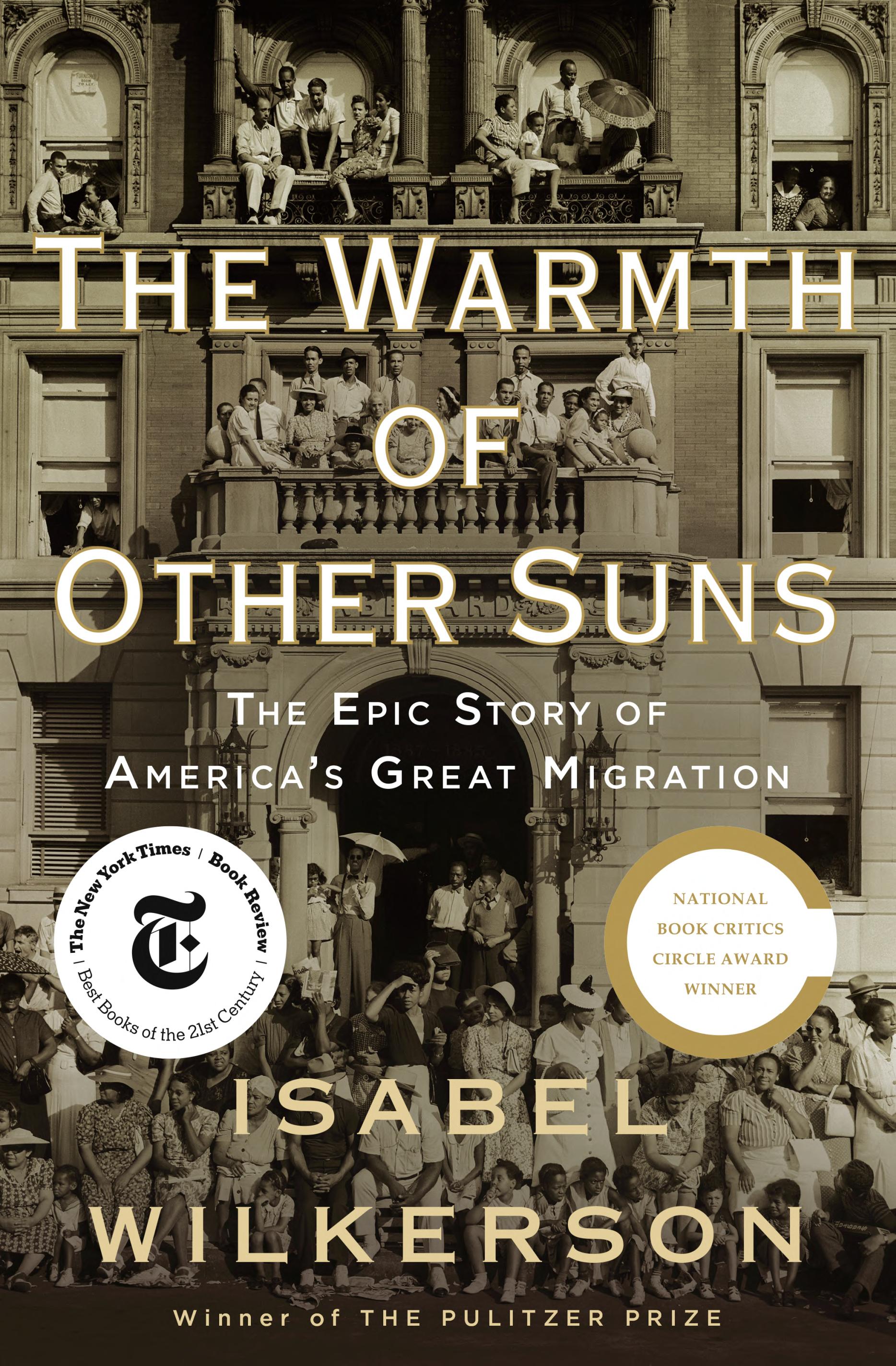
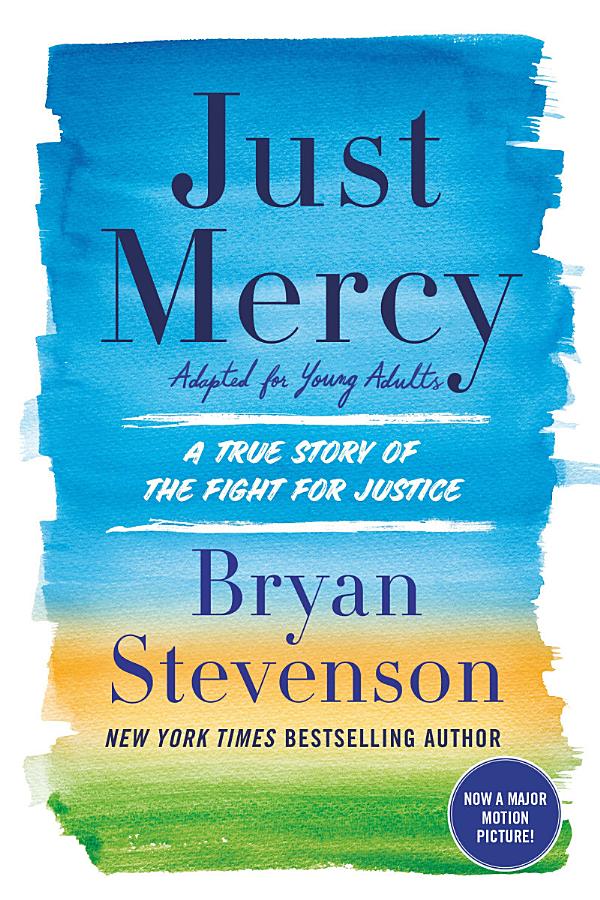
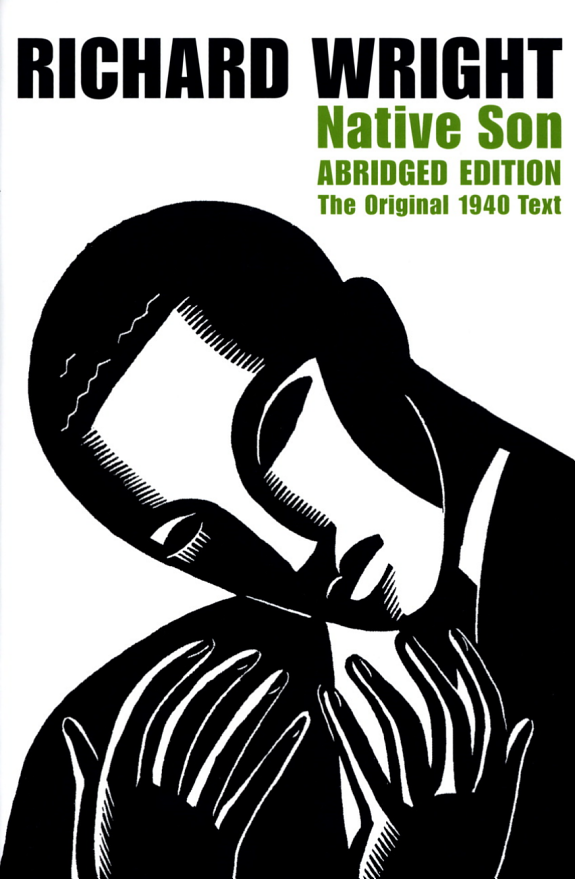
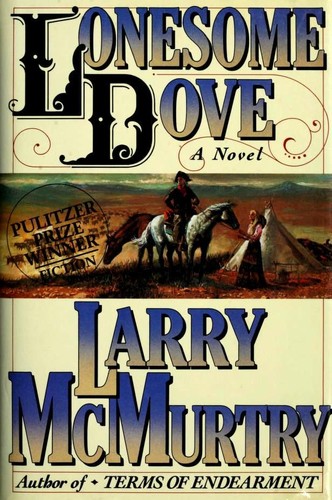
Between the World and MeTa-Nehisi CoatesCoates’s letter to his son is the most precise account available of what it means to inhabit a Black body in America — the specific calculus of physical vulnerability that structures daily life, the specific way that American history is encoded in the body’s experience of American space. Written in the tradition of James Baldwin’s The Fire Next Time, it is organized not as an argument about race but as a description of what race has meant in a specific American life, which produces an intimacy and a directness that the argumentative mode cannot achieve. The most formally accomplished book on this list and the one that most completely earns its reputation as essential reading for understanding contemporary America. CasteIsabel WilkersonWilkerson’s framework — that America operates a caste system as rigorously as India or Nazi Germany, organized around race rather than birth — is the most useful analytical tool for understanding American history published in recent decades, and she earns it through the same method as her first book: specific stories about specific people in specific circumstances that demonstrate the mechanism she is describing. The comparison to Nazi Germany is not hyperbole but a structural argument supported by historical evidence, and Wilkerson handles the evidence with the precision of a journalist and the moral seriousness of a historian. The most systematically argued book on this list and the one that provides the most applicable analytical framework for understanding what the other books are describing. The Warmth of Other SunsIsabel WilkersonWilkerson’s first book documents the Great Migration — the movement of six million Black Americans from the South to the North and West between 1915 and 1970 — through three people’s stories told in full biographical detail alongside the historical context that shaped them. The book is the best argument for the specific method the books on this list share: a historical event that changed America profoundly, rendered through individual lives rather than statistics, which produces a quality of understanding that the statistics alone cannot generate. At 600 pages it is the most demanding book on this list; it is also, by many readers’ accounts, the one that changed most completely how they understood their own country. The Grapes of WrathJohn SteinbeckSteinbeck’s Pulitzer-winning novel renders the Dust Bowl migration with enough specificity that its argument — about what happens to ordinary American families when the economic system treats them as expendable — arrives through the texture of the Joads’ experience rather than through Steinbeck’s editorializing. The interchapter sections that alternate with the family’s journey are the most direct Steinbeck gets, but even they work through the specific: the car that will not start, the agricultural inspectors, the wages that do not cover food. The most canonical American novel on this list and the one that established the template for how fiction can make a political argument by refusing to state it directly. Just MercyBryan StevensonStevenson’s account of his work with the Equal Justice Initiative — defending death row prisoners in Alabama, many of them wrongfully convicted or unconstitutionally sentenced — is the most specific and most immediate account of the American criminal justice system’s operation available in accessible nonfiction. The specific cases he documents are not selected for their exceptional horror but for their representativeness: they show what the system does routinely to poor and Black defendants in states where the political incentives run against justice. The most morally urgent book on this list and the one most likely to change how the reader thinks about punishment, justice, and the gap between the American ideal of equal treatment under law and the documented reality. Native SonRichard WrightWright’s 1940 novel is the most formally aggressive entry on this list: a refusal to give the reader a sympathetic Black protagonist in the conventional sense, organized around demonstrating that the specific conditions of Bigger Thomas’s life make his choices comprehensible even when they are not defensible. Wright understood that the comfortable liberal response to Black suffering was compassion for the sympathetic victim, and he deliberately denied that comfort. Bigger is frightened, violent, and capable of the acts he commits, and Wright’s argument — that the conditions which produced him are as guilty as he is — requires the reader to hold both of those truths without the release valve of individual pathology. Still the most uncomfortable and most honest novel on this list. Lonesome DoveLarry McMurtryThe Western on this list and the one that approaches the American mythology from inside rather than against it. McMurtry’s Pulitzer winner is not a demythologization of the West — it loves Gus and Call and the landscape they move through — but it is ruthlessly honest about what the frontier actually cost, including the Mexicans and Native Americans who paid for it without being the story’s protagonists. The novel earns its place on this list by being the most complete rendering of what the American West was as an experience rather than a symbol: vast, beautiful, violent, and finally over. The book most likely to make a reader understand why the Western myth exists and why it requires the critical reading that McMurtry himself provides. Who This Is For
Readers who want to understand the country they live in or have grown up reading about — who want nonfiction and literary fiction that engage honestly with American history rather than either celebrating or simply condemning it. Also readers who have found most books about America either too partisan or too abstract, and who want the argument made through the specific rather than through ideology.
Frequently asked questions
Q: What is the difference between Caste and The Warmth of Other Suns?
A: Both are by Isabel Wilkerson and both are about the structural position of Black Americans, but they operate differently. The Warmth of Other Suns is narrative nonfiction organized around three individuals’ stories and the historical event they were part of. Caste is analytical nonfiction that argues a structural framework — the caste system — and uses stories and evidence to support it. Both are essential; Warmth is more immediately accessible, Caste is more analytically applicable.
Q: Is Native Son difficult to read because of its subject matter?
A: The violence is not graphic by contemporary standards, but the novel is disturbing in a specific way: Wright constructs Bigger’s perspective so completely that the reader understands his logic while also understanding what his choices mean. The discomfort is intellectual rather than visceral — the difficulty of holding complexity about someone doing terrible things for reasons the novel has made legible. It is the right kind of difficult.
Q: Is Just Mercy appropriate as an introduction to criminal justice issues for someone with no prior knowledge?
A: It is the ideal introduction — Stevenson provides the context a newcomer needs while telling stories that do not require prior knowledge of the legal system. Most readers with no prior engagement with criminal justice issues report that Just Mercy is the book that changed their understanding most completely and most durably.
Q: What should I read after Between the World and Me?
A: Coates’s We Were Eight Years in Power is a collection of essays about the Obama era that shows his full range as a cultural and political writer. James Baldwin’s The Fire Next Time is the ancestral text that Between the World and Me explicitly engages — shorter, written in 1962, and as direct and devastating as anything written about America since.
Not sure which of these is right for you specifically? The Pagesmith quiz matches you to books based on your mood, pacing preference, and reading goals, not bestseller lists. Takes two minutes.