Best Books for Romance Readers Who Want More
The best literary fiction with strong romantic arcs satisfies what romance readers actually want -- emotional investment, longing, two people finding each other -- while adding the psychological depth and formal ambition that literary fiction provides. These books don't ask romance readers to settle for less. They deliver more.
June 2026 · 8 min read · The Pagesmith
Romance readers are often told that literary fiction will not satisfy them — that the genre requires a happy ending and an emotionally fulfilling arc, and that literary fiction is too busy being serious to provide either. This is wrong on both counts. The books here all deliver what romance readers actually want: genuine emotional investment in a relationship, the longing that comes from watching two people who should be together navigate the distance between them, and an ending that is emotionally earned rather than mechanically delivered. What they add is psychological depth — a fuller understanding of why the people are who they are and why getting together is genuinely difficult rather than conveniently complicated — and formal ambition that makes the novel stay with the reader after the last page. They are not compromises. They are the books where the emotional intelligence that romance readers bring to reading is met with an equivalent investment from the writer.
What Literary Fiction Can Offer Romance Readers Specifically
The romance genre at its best understands that the relationship arc is the primary source of emotional experience, and it engineers the reading experience around producing that experience efficiently. What literary fiction adds is not a better experience of the same kind but additional dimensions: the psychological architecture that explains why the people are who they are before they find each other, the social and historical context that shapes what the relationship means, and the formal precision that makes the novel’s emotional beats land harder because they have been earned over a longer preparation. Normal People is not a better romance novel than the best romance novels. It is a different kind of book that produces some of the same feelings through different means.
Literary fiction doesn’t ask romance readers to want less. It asks them to wait longer for what they want — and earns the wait by making the characters fully real before it puts them together, which means the reader feels the relationship with the fullness of feeling something that actually happened.
The Books
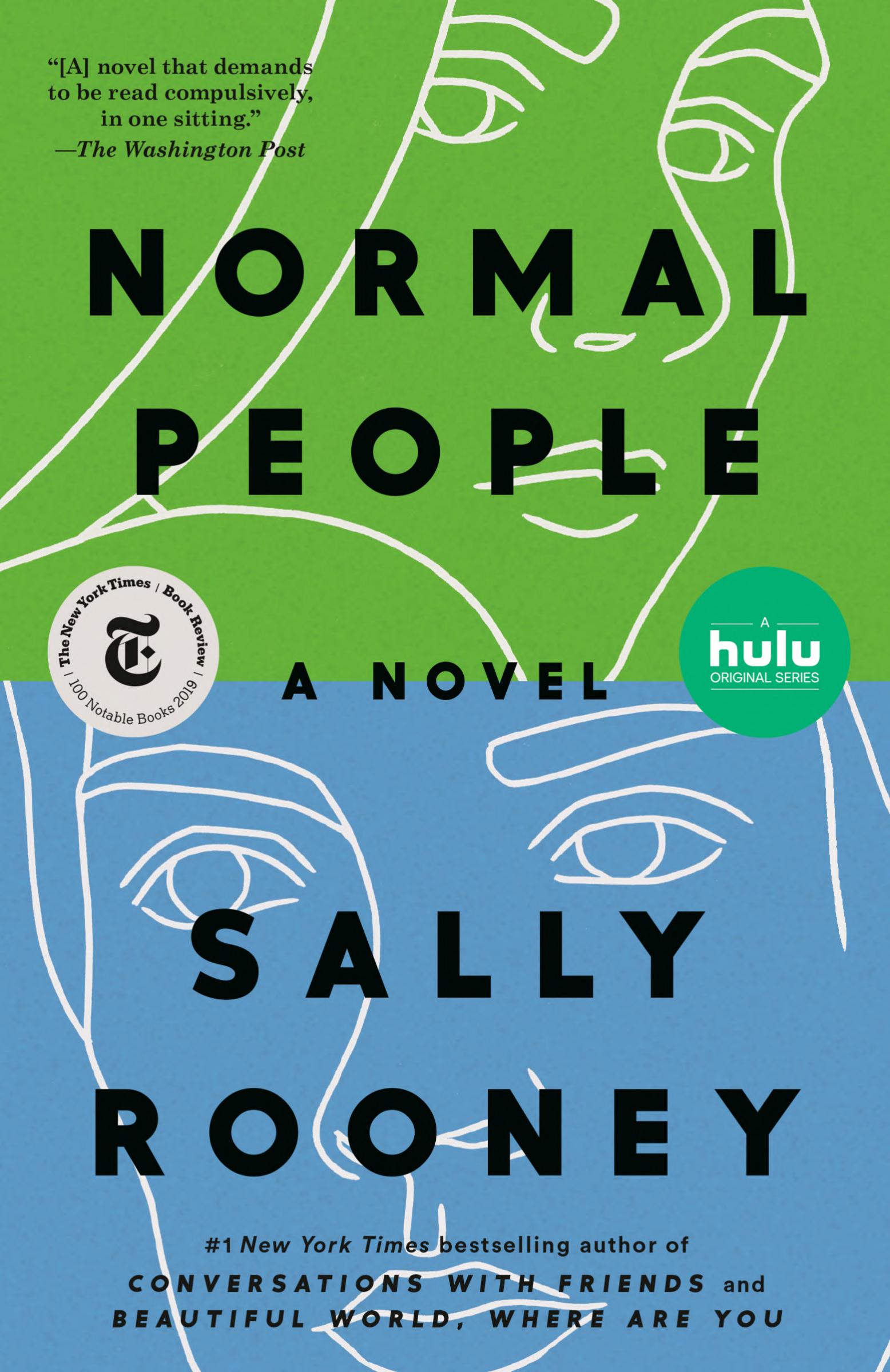
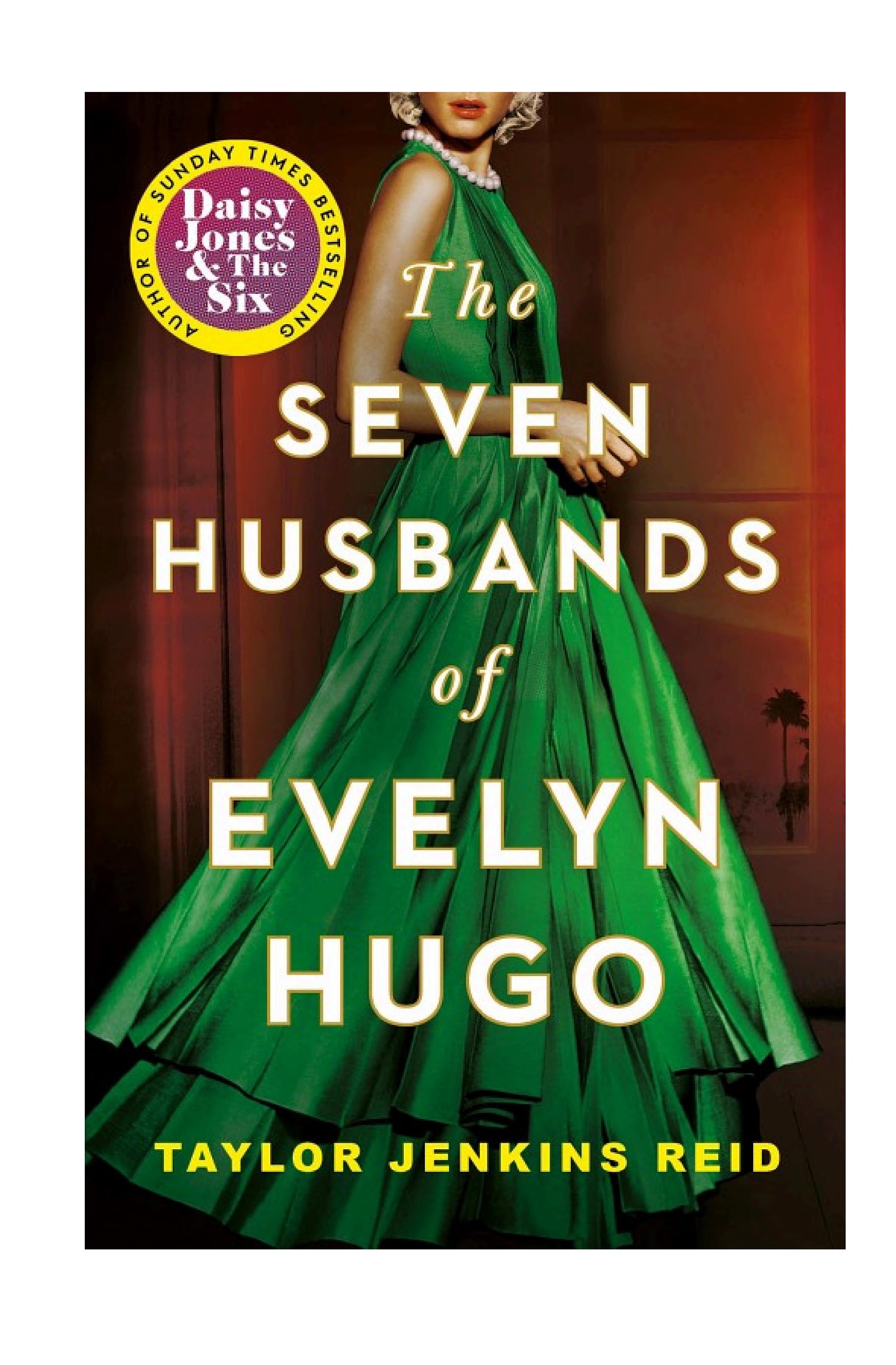
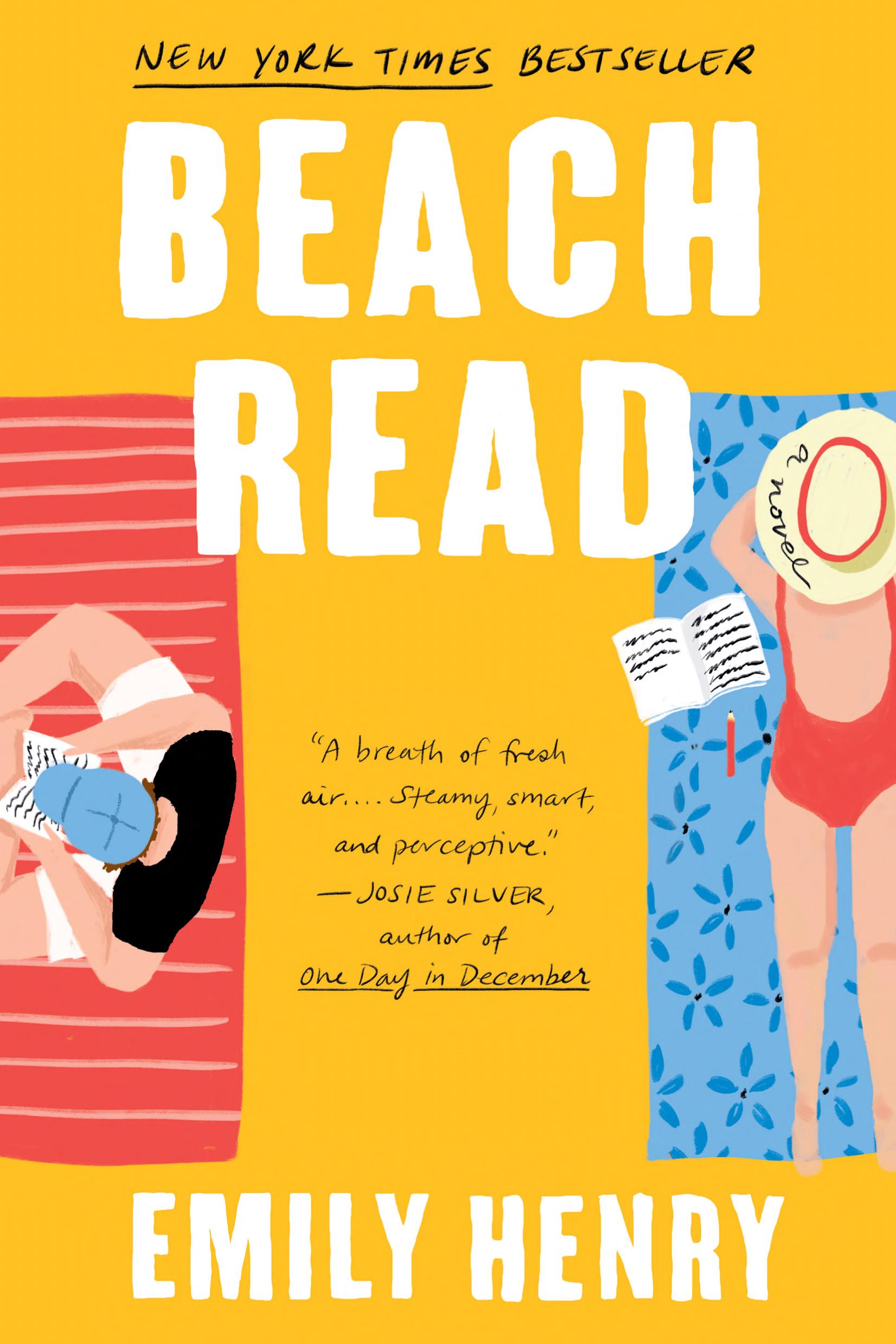
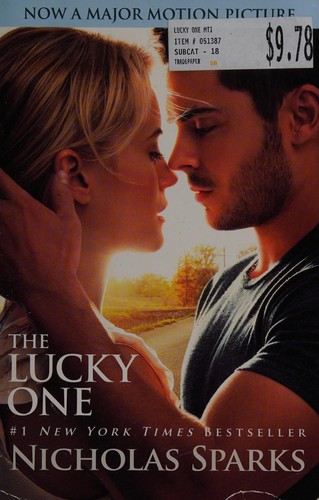
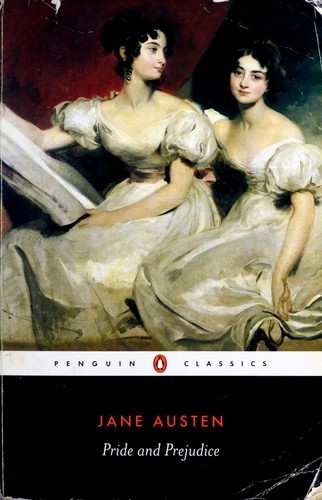
Normal PeopleSally RooneyThe most frequently recommended literary novel for romance readers, and the one that most directly delivers the romance genre’s essential pleasure through literary means. Connell and Marianne are in love from near the beginning — the reader knows this and they know it — and the novel is organized around all the reasons they cannot simply be together, rendered with enough psychological precision that the reasons are comprehensible rather than contrived. Rooney understands what romance readers understand: that the longing is more emotionally productive than the resolution, and that the reader’s investment in two people finding each other is the most reliable source of sustained reading pleasure. She simply does it with a level of psychological specificity that most romance novels do not attempt. The Seven Husbands of Evelyn HugoTaylor Jenkins ReidReid’s novel is the closest to romance genre mechanics of the books here, and the right first step for romance readers who are skeptical about literary fiction. Evelyn Hugo’s life story is organized around love — specifically, around the difference between the marriages that served her survival and ambition and the love that was actually real — and Reid engineers the reader’s investment in the central romantic arc across the full length of the novel with the precision of someone who deeply understands the genre she is working in. The Hollywood setting provides the glamour that romance readers enjoy, and Reid’s commitment to the emotional experience is unambiguous. The most accessible entry on this list for committed romance readers. Beach ReadEmily HenryHenry’s debut is included here as the bridge between the romance genre and the books around it on this list: it has more psychological depth than most genre romance, a genuine engagement with grief as a subject rather than an obstacle, and a central relationship whose development requires both characters to change rather than simply to admit their existing feelings. Two writers — one literary, one romance — bet on whether the other can write in their genre, and Henry uses the premise to examine what each mode of fiction actually values and what it sacrifices. The most genre-aware book on this list, and the right recommendation for romance readers who want confirmation that the books around it will not disappoint them emotionally. Daisy Jones and the SixTaylor Jenkins ReidReid’s oral history structure is the most formally inventive approach to the will-they-won’t-they arc available in contemporary commercial fiction: the reader knows from the structure (retrospective interviews) that the relationship between Daisy and Billy did not resolve in the conventional way, which makes the reading experience one of sustained tension between the emotional pull of the arc and the knowledge of where it ends. The 1970s rock setting provides the specific quality of intensity that sustained proximity under extraordinary conditions produces, and Reid is honest about what the creative relationship between Daisy and Billy requires and what it precludes. More melancholy than most romance novels but delivering the same essential emotional experience through a more complicated route. The NotebookNicholas SparksSparks belongs on this list as the most emotionally effective connector between genre romance and literary fiction: his novels deliver the romance genre’s emotional experience with enough formal competence that they are taken seriously by readers who resist the genre label. The Notebook is organized around the central romantic arc with the efficiency of the best genre romance and the willingness to deploy grief and loss as real structural elements rather than temporary obstacles. For romance readers who are skeptical that literary fiction will give them what they actually want, Sparks is the proof that emotional investment and formal ambition are not in competition — and The Notebook is where that argument is made most purely. Pride and PrejudiceJane AustenThe canonical answer, and the correct one: Austen invented the romantic arc that every romance novel since has used. Elizabeth and Darcy’s trajectory — first impressions, mutual antagonism, gradual reassessment, obstacles, resolution — is the template, and Austen executes it with a precision and a comedy that most subsequent romance fiction has not matched. The novel belongs on this list not as a literary obligation but as the most efficient demonstration of what romance readers are actually after: two people who are exactly right for each other, separated by misunderstanding and social architecture, and finally arriving at each other through a combination of intelligence, change, and luck. Pride and Prejudice gives the reader all of this in 350 pages with more wit than any equivalent novel written in the two centuries since. Who This Is For
Romance readers who want to explore what literary fiction can offer them — who have been told that “serious” fiction will not give them what they love about romance, and who want proof to the contrary. Also literary fiction readers who have been dismissive of romance as a genre and who want to understand what readers in that genre are actually responding to, which the books here make legible. The contemporary catalogue has more in this direction.
Frequently asked questions
Q: Do these books have happy endings?
A: Most of them have earned, emotionally satisfying endings, though not all are conventionally happy. Normal People ends on a note of qualified hope rather than resolution. The Seven Husbands of Evelyn Hugo has a specific ending that is not conventionally happy but is emotionally complete. Pride and Prejudice has the happiest ending on the list. Beach Read and The Notebook have genre-appropriate endings. Daisy Jones and the Six is the most bittersweet. If a guaranteed happy ending is important to you, start with The Seven Husbands of Evelyn Hugo or Beach Read.
Q: Why is Normal People considered literary if it reads like a romance novel?
A: Because literary fiction is defined by what it does formally and psychologically rather than by subject matter. Rooney’s interest in class, power, and the social dynamics of young Irish people in the early 2010s, her formal choices about dialogue and free indirect style, and her psychological precision about why her characters do what they do are what make Normal People literary fiction. The romantic arc is the vehicle; those other interests are the content.
Q: Is Pride and Prejudice as readable today as its reputation suggests?
A: For most readers, yes. The social world requires some calibration — understanding the specific constraints of early nineteenth-century English marriage markets helps — but the comedy is genuinely funny and Elizabeth Bennet is as immediately recognizable as a character as anyone in contemporary fiction. The language is slightly formal by contemporary standards and becomes natural within fifty pages.
Q: What is the best Taylor Jenkins Reid novel to start with?
A: The Seven Husbands of Evelyn Hugo for the most emotionally complete experience. Daisy Jones and the Six for the most formally interesting. Malibu Rising for the most character-driven family drama. All three are excellent starting points; most readers who love one love all three.
Not sure which of these is right for you specifically? The Pagesmith quiz matches you to books based on your mood, pacing preference, and reading goals, not bestseller lists. Takes two minutes.