Books Like The Master and Margarita for Fans of the Impossible
The Master and Margarita uses the fantastic not to escape reality but to reveal it -- the devil is the only honest observer in Moscow. These books share that structural method: the impossible deployed as a tool for saying what realism cannot.
May 2026 · 7 min read · The Pagesmith
The Master and Margarita has no good genre classification. It is not fantasy in the conventional sense — the devil’s arrival in Moscow is not there to provide adventure but to expose the fraudulence of Soviet intellectual life through a figure who cannot be lied to. It is not satire in the conventional sense — the Jerusalem chapters are written with the emotional weight of tragedy, not comic distance. It is not a love story despite the title, though the love between the Master and Margarita is among the most convincing in Russian fiction. What it is, most precisely, is a novel that uses an impossible premise to say things about reality that a realistic novel could not say without becoming a political document liable to prosecution. The books here share that structural method: they introduce something impossible, fantastic, or supernatural and use it not as escapism but as the instrument by which truth becomes available.
Why the Fantastic Serves Truth in Ways Realism Cannot
Bulgakov could not write a realistic novel criticizing Soviet cultural life without risking destruction. The devil’s appearance gives the satire a distance — it is happening in a fantastic register, it is comedy, it is not literally true — that allows the most devastating observations to pass. This is the oldest use of the fantastic in literature, from Aesop to Swift, and the best examples all share the same essential structure: the impossible premise creates the conditions under which truth becomes statable. Neil Gaiman’s old gods in America are not there because Gaiman is interested in mythology; they are there because the American myth of reinvention and forgetting becomes visible from inside that premise in ways that journalism cannot access. The same logic runs through all the books here.
The supernatural element in the best satirical-magical fiction is not where the story lives. It is the instrument that makes the story’s real subject — power, corruption, memory, self-deception — visible in a way that realism cannot achieve.
The Books
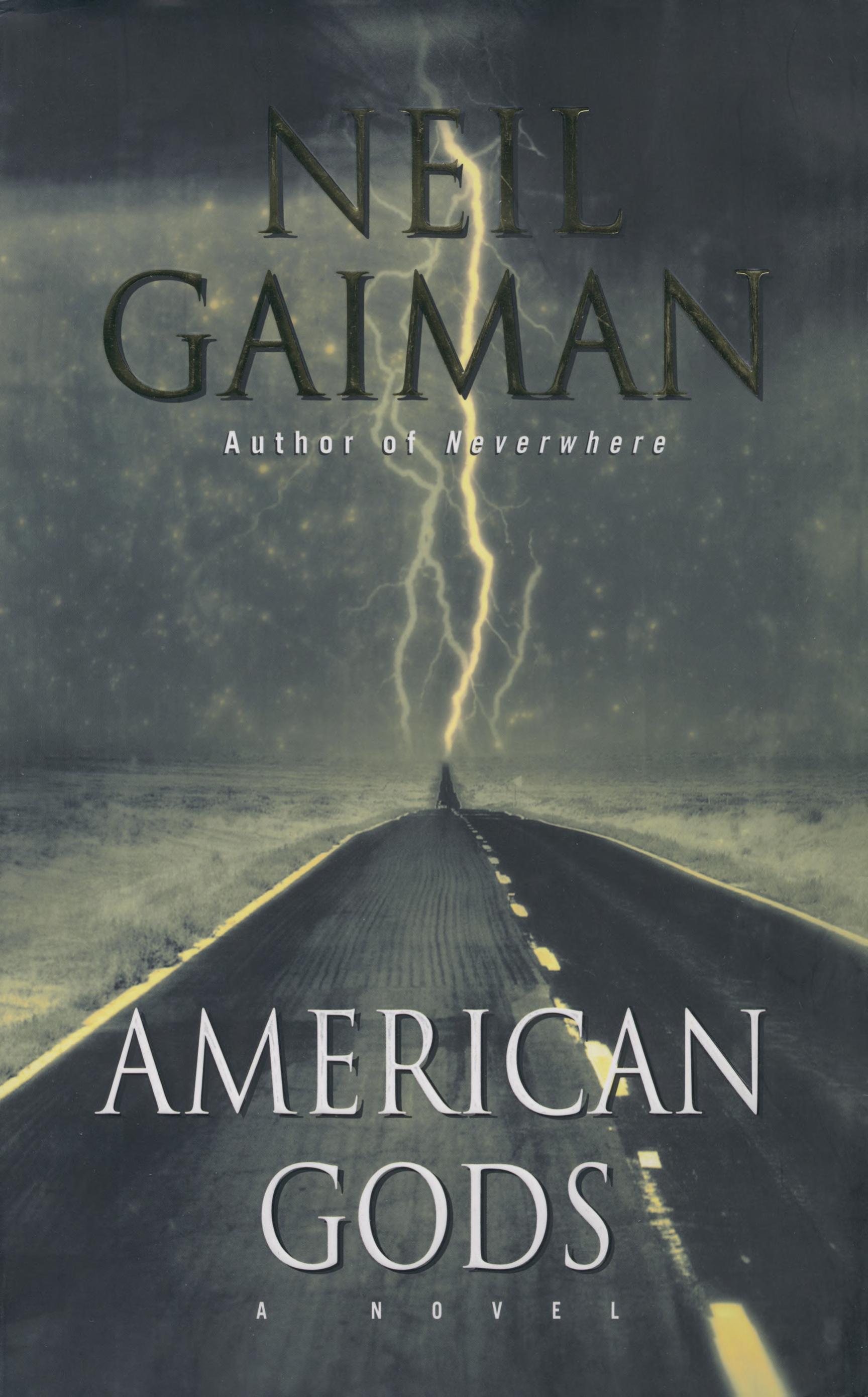
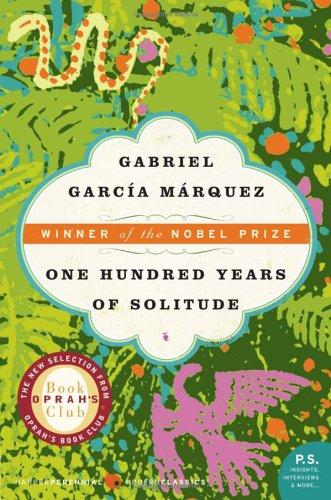
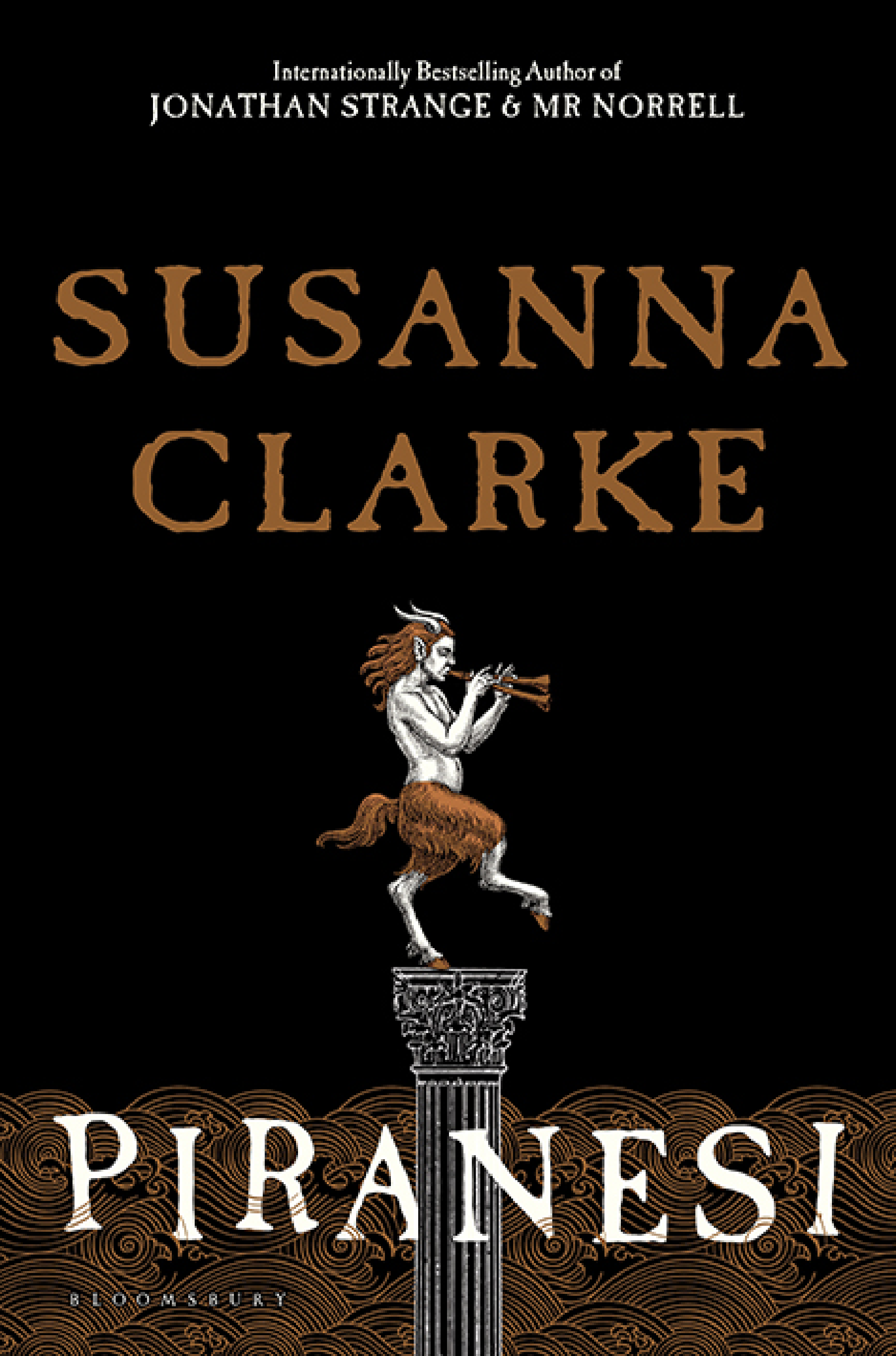
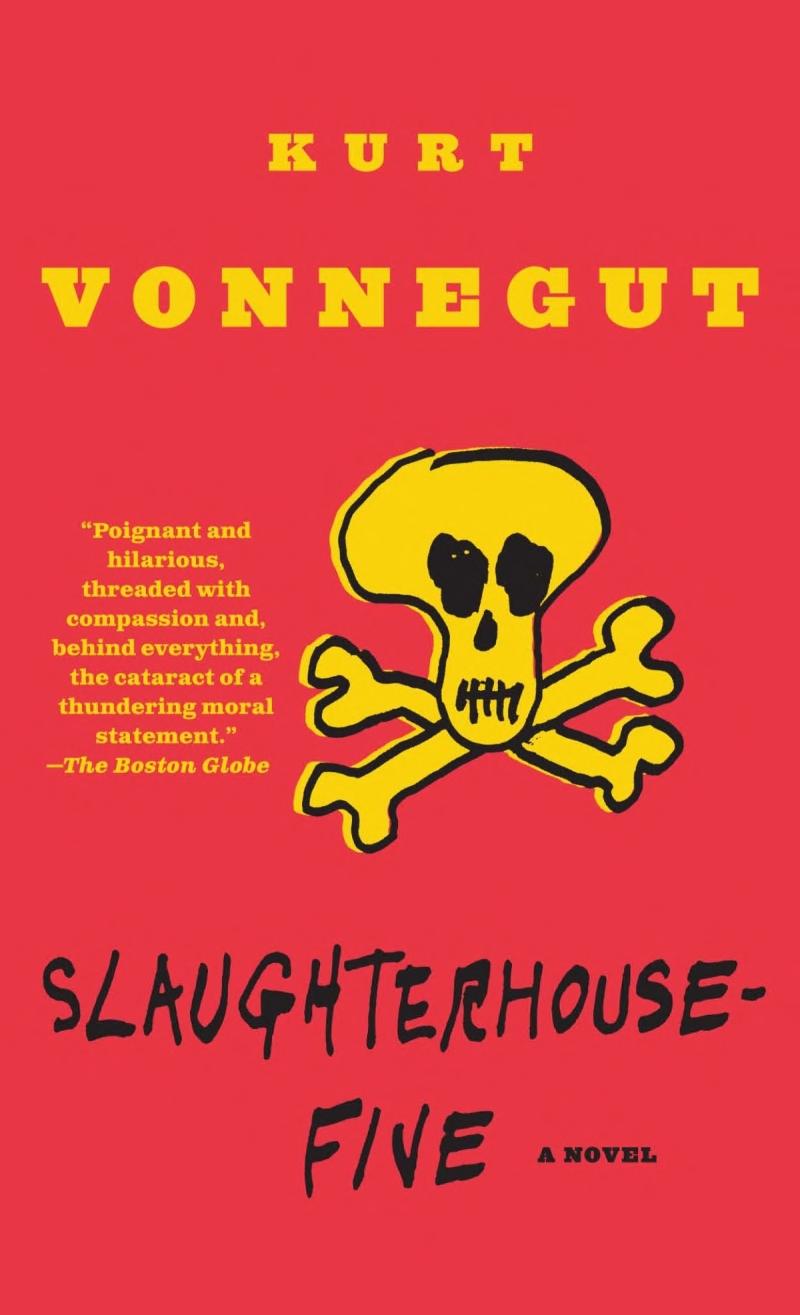
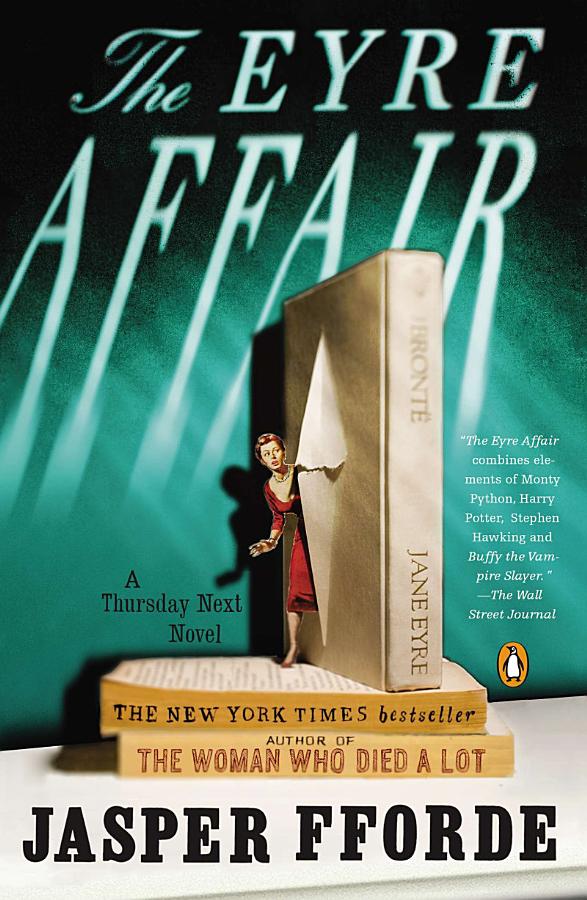
American GodsNeil GaimanThe closest structural equivalent to The Master and Margarita in contemporary American fiction. Gaiman’s premise — old gods from every immigrant culture living as broken-down mortals in the American interior while new gods of media, technology, and celebrity replace them — is doing exactly what Bulgakov’s devil does: making visible something about the society under examination that a realistic treatment cannot access. The America of American Gods is recognizable as geography while being entirely defamiliarized as culture, and the observation that Americans brought their gods with them and then forgot them illuminates something about American amnesia and reinvention that no amount of cultural journalism quite captures. One Hundred Years of SolitudeGabriel Garcia MarquezGarcia Marquez and Bulgakov share the essential technique of magical realism: treating the impossible as ordinary, which has the effect of making the ordinary visible as the extraordinary it actually is. Macondo’s century of political violence, foreign exploitation, and cultural amnesia is rendered through a family saga that treats miraculous events with the same matter-of-fact prose as political massacres, and the effect is to make both equally real, equally part of the world’s texture. The Banana Company massacre, presented with the same calm narrative voice as levitations and ghost visitations, is one of the most disturbing passages in twentieth-century fiction precisely because of the tonal equivalence. Garcia Marquez and Bulgakov both understand that treating the horrible as ordinary is a more devastating critique than treating it as horrifying. Catch-22Joseph HellerHeller’s method is the secular equivalent of Bulgakov’s: instead of the devil making institutional fraudulence visible, he uses a logical impossibility (the Catch-22 rule itself) as the instrument by which the logic of military bureaucracy becomes fully exposed. Both novels are structured around a figure that cannot be deceived — Woland because he is the devil, Yossarian because he has decided to survive — and both use that figure’s perspective to render surrounding institutions as the elaborate frauds they are. The comedy in both novels is inseparable from the horror, which is why both resist the category of satire as normally understood: they are not laughing at the targets from a position of safety but from inside the machinery. PiranesiSusanna ClarkeA very different kind of impossible world from Moscow with the devil, but sharing The Master and Margarita’s essential quality: complete conviction about its own impossible premises, which produces a specific reading experience of having surrendered to a world that operates by its own rules. Clarke does not use the impossible to make a political argument, as Bulgakov does, but to make an argument about consciousness, knowledge, and the experience of being inside a reality you cannot see from outside. The tidal halls and their statues are as precisely rendered as Bulgakov’s Moscow, and both novels produce the experience of having been transported rather than having read about transportation. Slaughterhouse-FiveKurt VonnegutVonnegut’s solution to the problem of writing about the Dresden firebombing — how do you describe mass death without aestheticizing it? — is formally equivalent to Bulgakov’s solution to writing about Stalinist Moscow: introduce an impossible element that reframes the horror in a register where it can be stated. Billy Pilgrim’s time travel and his abduction by Tralfamadorians are not there for science fiction reasons; they are there because the non-linear structure they produce is the honest structure for a consciousness processing trauma. “So it goes” is Vonnegut’s version of Bulgakov’s comedy: a response to horror that is not denial or aestheticization but a different kind of survival. The Eyre AffairJasper FfordeThe lightest entry on this list, but sharing Bulgakov’s essential structure: an impossible premise (literary characters are real, their texts are living documents) that makes something normally invisible suddenly visible. Fforde’s argument is about the relationship between readers and texts — the way stories are real in the sense that matters, which is the sense in which they shape consciousness — and the comic machinery is in service of that argument in the same way that Bulgakov’s comedy is in service of his. Both novelists understand that the fantastic register licenses observations that realism would make heavy-handed. Fforde is gentler and funnier; the structural method is the same. Who This Is For
Readers who loved The Master and Margarita for its combination of savage political observation, genuine pathos, and supernatural comedy, and who are tired of recommendations that assume they want more straightforward literary fiction or more conventional fantasy. Also literary fiction readers who have avoided the fantastic on genre grounds and who want evidence that impossibility can be deployed with complete literary seriousness. The literary fiction and fantasy catalogues have more in this direction.
Frequently Asked Questions
Q: What is the best translation of The Master and Margarita?
A: The Pevear and Volokhonsky translation (Penguin Classics Deluxe Edition, 2016) is the most widely recommended for its fidelity to Bulgakov’s prose rhythms. The Michael Glenny translation (Vintage) is older and smoother but loses some of the rough energy of the original. The Mirra Ginsburg translation is a good abridged version for readers who want a shorter introduction.
Q: Is The Master and Margarita a difficult book to read?
A: The Moscow chapters are fast and funny and read with the momentum of a comedy. The Jerusalem chapters are more demanding and require more patience. The structural relationship between the two storylines becomes clearer as the novel progresses rather than from the beginning. Most readers who persist past the first chapter find it accelerates considerably.
Q: What is magical realism and how does it differ from fantasy?
A: Magical realism, associated primarily with Latin American writers including Garcia Marquez, treats impossible events as ordinary within the world of the story — no character is surprised by the miracle, and no explanation is offered. Fantasy typically frames the impossible as extraordinary and provides world-building to explain it. Bulgakov is closer to magical realism: Moscow accepts the devil’s presence with annoyance rather than astonishment.
Q: Should I read One Hundred Years of Solitude before or after The Master and Margarita?
A: Either order works, as they are not connected. Reading The Master and Margarita first gives you the political-satirical mode; reading Garcia Marquez first gives you the pure magical-realist mode. Together they define the range of what the impossible-treated-as-ordinary can do in literary fiction.
Not sure which of these is right for you specifically? The Pagesmith quiz matches you to books based on your mood, pacing preference, and reading goals, not bestseller lists. Takes two minutes.