Books Like Wolf Hall for Readers Who Want the Full Weight of Power
Wolf Hall works because Mantel renders power not as drama but as texture -- the specific daily reality of being the person who manages a king, navigates a court, and keeps impossible plates spinning without ever being able to say so. These six books understand power the same way: as something lived from the inside, with all its administrative weight intact.
June 2026 · 7 min read · The Pagesmith
Wolf Hall’s specific achievement is not the historical research, though that is prodigious, nor the prose style, though it is extraordinary. It is the rendering of power as something experienced from the inside — not as spectacle or melodrama but as the continuous, grinding administrative reality of being the person who keeps a volatile king functional, manages competing courtly factions, and does what the moment requires while understanding that what the moment requires today may be treasonous tomorrow. Cromwell’s power is rendered through the specific texture of his days: the meetings, the letters, the silences that communicate more than speech, the careful maintenance of relationships that could destroy him at any moment. The books here share that understanding of power as something lived rather than simply wielded — books where the reader comes away understanding not just what happened but what it actually felt like to be inside the machinery.
The most honest fiction about power is not about the moments of decision. It is about the continuous, daily management of competing loyalties, impossible requirements, and relationships that must be maintained precisely because they could at any moment become lethal.
The Books
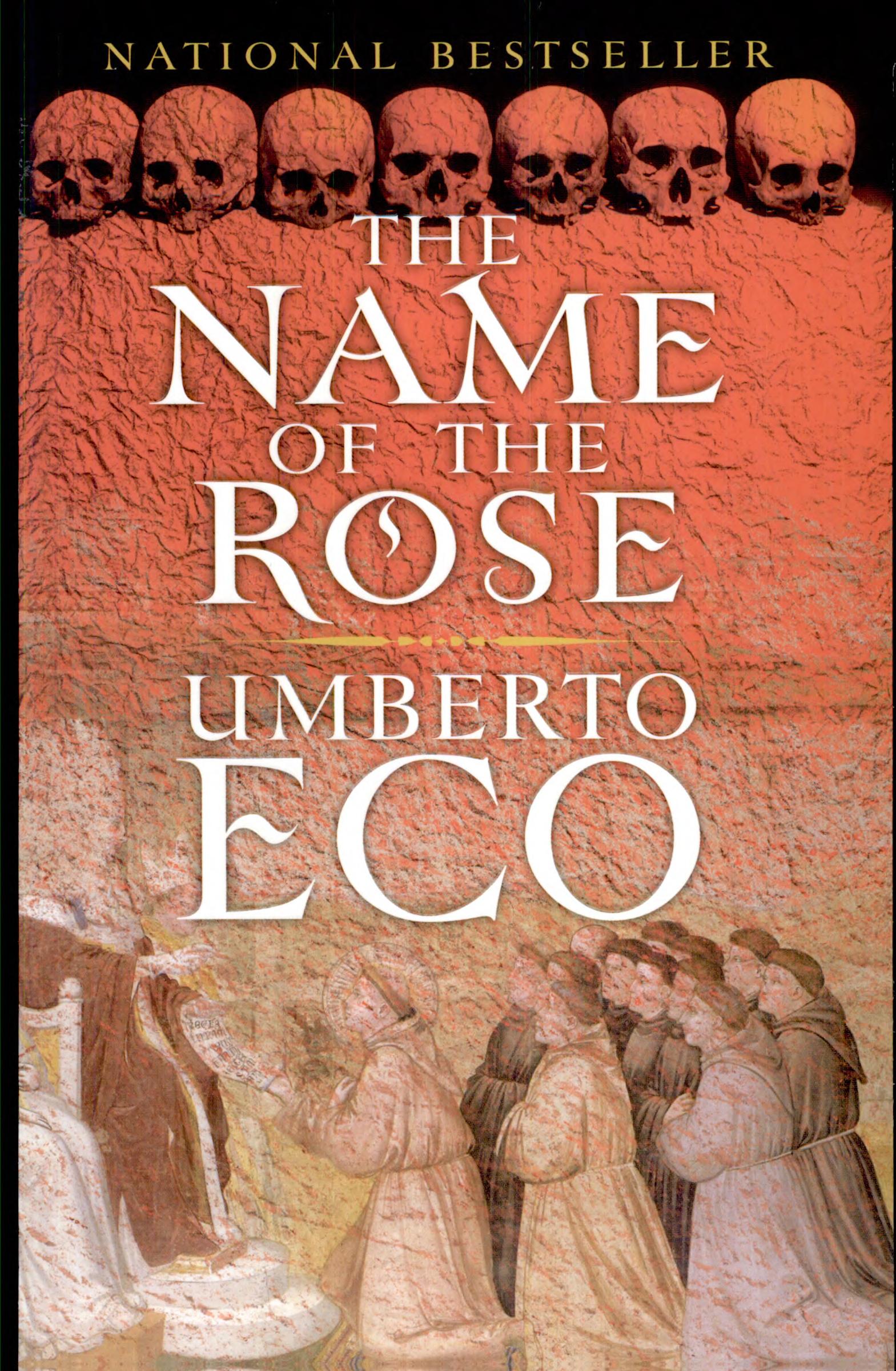
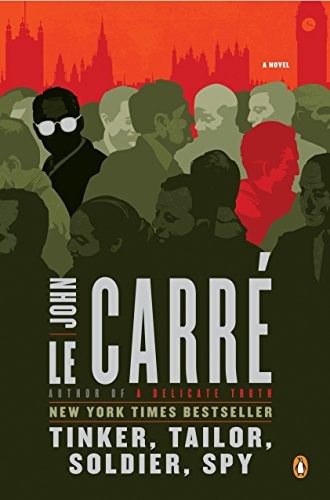
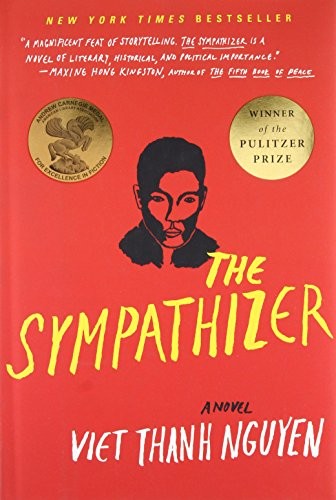
Bring Up the BodiesHilary MantelThe direct continuation of Wolf Hall and, by some critical assessments, the better book: tighter, darker, more concentrated on Cromwell’s specific machinery of destruction as he orchestrates the fall of Anne Boleyn and the judicial murder of the men accused with her. Mantel renders the trial and its management — Cromwell building a case he knows is constructed, watching men he has known for years condemn themselves through his careful preparation of the ground — with the same quality of inside-the-machine understanding that makes Wolf Hall extraordinary. The power here has turned toward something uglier, and Mantel doesn’t blink: this is what the person who keeps the king functional has to be willing to do. The Name of the RoseUmberto EcoEco’s medieval monastery mystery shares Wolf Hall’s specific understanding of institutional power: the abbey is a self-contained political world with its own factions, its own competing interests, and its own relationship to the external political structures that could at any moment supersede its internal authority. William of Baskerville navigates this world with the same quality of careful, observational intelligence that Mantel gives Cromwell — reading rooms rather than faces, understanding institutional logic rather than simply individual motivation. The novel is also formally similar: dense with period detail that functions not as atmosphere but as the substance of how this specific world actually operates, which is the condition for understanding anything that happens within it. The Pillars of the EarthKen FollettFollett’s cathedral-building epic covers ground adjacent to Wolf Hall — twelfth-century English power struggles between church and crown, rendered through the daily experience of people who are not kings or bishops but who are shaped by those institutions at every turn. The novel’s specific achievement is making the building of a cathedral feel as politically and personally consequential as it actually was, which requires rendering the institutional power of the medieval church with enough specificity that its daily reality — the patronage networks, the competing ambitions of prior and bishop, the relationship between architectural ambition and political survival — is as vivid as the stone itself. The most accessible entry on this list for readers newer to historically dense fiction. Tinker Tailor Soldier SpyJohn le CarreLe Carre’s novel is the most direct contemporary equivalent to Wolf Hall’s understanding of institutional power: George Smiley navigating the Circus’s internal politics, competing loyalties, and decades of accumulated institutional knowledge in search of a mole at the highest level. Like Mantel, le Carre renders power as something experienced through patience, observation, and the careful management of information rather than through dramatic action. Smiley and Cromwell are recognizable to each other across the centuries: both men who understand exactly how the institution they serve works, who have no illusions about its nature, and who serve it anyway because the alternative is worse — or because there is no alternative available to someone with their particular gifts. DuneFrank HerbertHerbert’s novel renders power at the largest scale on this list — galactic empire, noble houses, religious orders, planetary ecology — but with the same attention to institutional texture that makes Wolf Hall work. The Bene Gesserit, the Spacing Guild, House Atreides, and House Harkonnen are all fully realized political actors with their own internal logic, their own relationship to the power structures above them, and their own competing interests in the same resource. Paul’s navigation of these systems — like Cromwell’s navigation of Henry’s court — requires understanding not just what people want but what the systems they inhabit require of them, which is a different and more useful kind of political intelligence than simple manipulation. The SympathizerViet Thanh NguyenNguyen’s novel renders power from the most uncomfortable position available: inside both sides of a political conflict simultaneously, with full knowledge of how each side constructs its self-justification and full inability to simply choose one and be done with it. The narrator’s double allegiance is the source of everything — his intelligence, his loneliness, and his eventual destruction — and Nguyen renders the specific experience of understanding institutional power so completely that you can’t be captured by any single institution’s narrative. Like Cromwell, the Sympathizer is most valuable to the powerful precisely because he sees clearly; like Cromwell, that clarity is also his exposure. Who This Is For
Readers who finished Wolf Hall understanding that its real subject is not Tudor history but the specific experience of being the most capable person in the room in a system that could destroy you at any moment — and who want more literary fiction and historical fiction organized around that same quality of institutional intelligence rendered from the inside.
Frequently asked questions
Q: Should I read Bring Up the Bodies before the other books on this list?
A: If you haven’t read Wolf Hall yet, read that first, then Bring Up the Bodies immediately after — they are one sustained work across two volumes and the second is diminished without the first’s foundation. The other books on this list are independent and can be read in any order.
Q: Is The Pillars of the Earth as dense as Wolf Hall?
A: It is long (900 pages) but considerably more plot-driven and accessible in prose style than Mantel’s work. Wolf Hall requires patience with historical density and an unusual narrative voice; Pillars rewards readers who want immersive historical world-building with more conventional pacing and story structure.
Q: Is Tinker Tailor Soldier Spy difficult to follow?
A: Yes, deliberately — le Carre withholds information and requires the reader to piece together the institutional history of the Circus from fragments, the way Smiley himself has to reconstruct it. Most readers find it more navigable on reread, when the structure becomes clear. The BBC adaptation (2011) is an excellent companion that makes the institutional relationships more legible without replacing the novel’s specific pleasures.
Q: What should I read after finishing the Cromwell trilogy if I want more Hilary Mantel?
A: The third volume, The Mirror and the Light, completes Cromwell’s story. Beyond the Cromwell trilogy, Mantel’s Fludd and Beyond Black are very different but equally accomplished — Gothic, contemporary, and proof that her range extended well beyond historical fiction.
Not sure which of these is right for you specifically? The Pagesmith quiz matches you to books based on your mood, pacing preference, and reading goals, not bestseller lists. Takes two minutes.