What to Read When You Want to Feel Awe
Awe is a specific emotion -- distinct from wonder, which is curious and delighted, and from the sublime, which is terrifying. Awe is the feeling produced by encountering something so much larger than yourself that your sense of scale temporarily reorganizes. These six books produce it deliberately and earn it through the specific quality of what they render.
June 2026 · 8 min read · The Pagesmith
Awe is not wonder. Wonder is the feeling of encountering something surprising and beautiful; it’s curious, delighted, and essentially comfortable. Awe is the feeling of encountering something so much larger than yourself — in scale, in time, in consequence — that your ordinary sense of your own significance is temporarily reorganized. The psychologists who study it describe it as involving a perception of vastness and a need to accommodate that vastness into an existing framework of understanding. The books here produce that specific response: not simply the pleasure of a beautiful or strange world, but the particular experience of being temporarily smaller than usual in relation to something the writing has made genuinely present. This is a harder effect to produce than wonder, because it cannot be achieved simply through good description. It requires the reader to feel the scale, which requires the writer to have found the formal and imagistic choices that produce the feeling rather than simply asserting the size of the thing.
Awe is not the same as being impressed. It is the specific experience of encountering something so much larger than your ordinary frame of reference that the frame itself shifts — and coming back from that shift with a different relationship to your own scale. A book that produces genuine awe doesn’t just describe something vast. It makes you feel how vast it is.
The Books
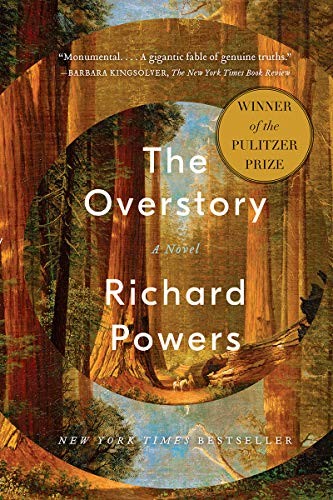
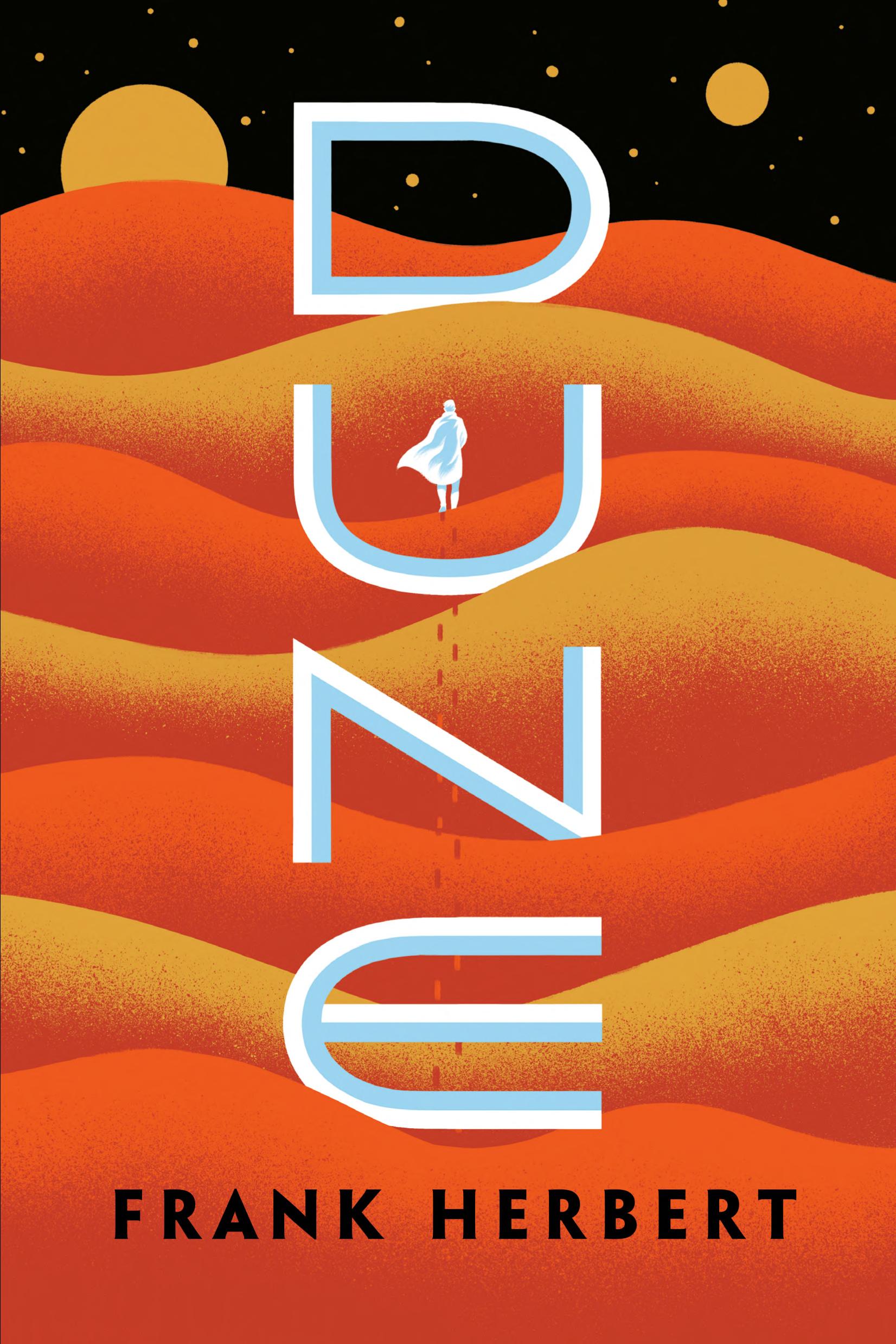
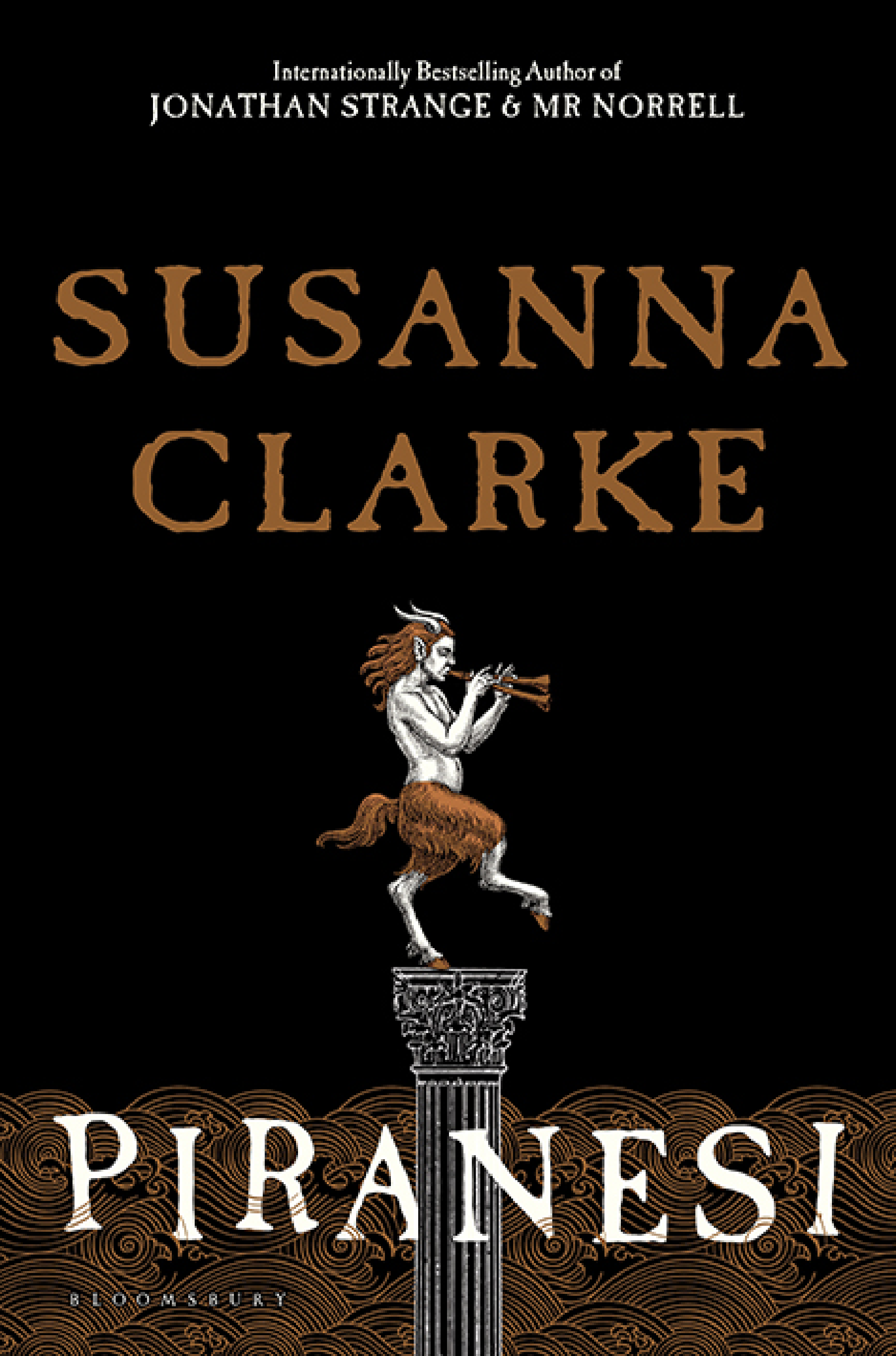
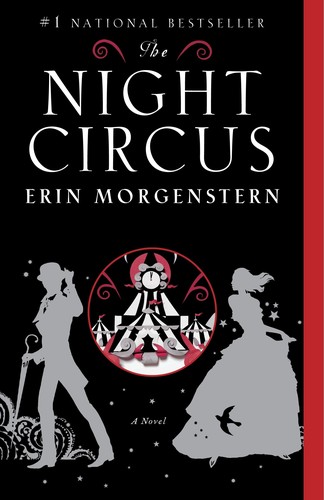
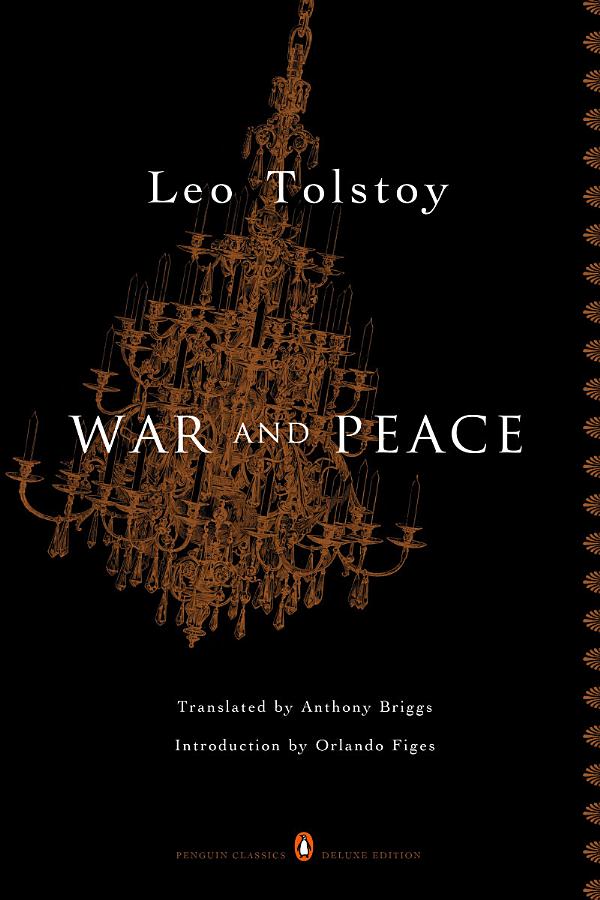
The OverstoryRichard PowersThe novel most directly organized around producing awe as its primary effect: Powers renders the time scale and the communicative complexity of trees with enough scientific specificity and enough narrative investment that the reader comes away with a genuinely reorganized sense of what is alive and what is intelligent and what the word “ancient” actually means. The chestnut tree that opens the novel — five generations of the Hoel family photographed against it across a century, which is barely a fraction of its lifespan — is the first of many moments in which Powers makes the reader feel their own scale relative to the world they live in. The novel is the fullest available demonstration that the natural world, rendered honestly, is as awe-producing as any fantastical invention. DuneFrank HerbertHerbert’s Arrakis is the most complete demonstration in science fiction of how world-building produces awe rather than simply interest: the planet’s ecology, its deep history, its relationship to the spice that makes interstellar travel possible, and the specific quality of the desert rendered at a scale that dwarfs the political drama unfolding within it. The sandworms, which the Fremen worship as manifestations of Shai-Hulud and Herbert renders with genuine physical specificity — how they move, how their ecology works, what their existence means for everything else on the planet — are the clearest examples of what it looks like to build something that produces awe through accumulated specificity rather than through dramatic assertion. The desert is bigger than Paul’s prophecy; Herbert makes sure you feel it. One Hundred Years of SolitudeGabriel Garcia MarquezGarcia Marquez produces awe through time scale and mythic compression: Macondo and the Buendia family across seven generations, rendered in a prose style that treats miracles as facts and facts as no more solid than miracles, which produces the specific quality of scale that makes the novel feel not just large but genuinely ancient. The awe here is temporal — the novel makes a hundred years feel like a geological era and a single human life feel like a brief, vivid event in a process that exceeds it entirely. The opening sentence, with its double time fold (Colonel Aureliano Buendia facing the firing squad remembering the afternoon he first saw ice), announces immediately that time in this novel will work differently, and the accumulated effect of that different temporal scale across 400 pages is genuinely reorganizing. PiranesiSusanna ClarkeClarke’s novel produces awe through architecture and the specific quality of a consciousness that has adapted to an impossible space with complete acceptance. The House — its endless halls, its tides, its statues, its upper regions where clouds form — is rendered through Piranesi’s journal entries with such matter-of-fact specificity that the reader experiences its scale through his relationship to it: the way he catalogues the statues, the way he understands the tidal patterns, the way the House has become, for him, the whole world. The awe is produced not through dramatic revelation but through the accumulated detail of a person completely at home in something that should be incomprehensible — which makes the House feel real in the specific way that awe requires: present, vast, and indifferent to the smallness of the human figure moving through it. The Night CircusErin MorgensternMorgenstern’s circus is built to produce awe as its explicit purpose — the tents, the performances, the ice garden and the cloud maze and the carousel that doesn’t go in circles — and the novel earns this effect through the specific density of sensory rendering that makes each new tent feel genuinely impossible and genuinely present. The awe here is aesthetic rather than cosmological: the scale is not temporal or natural but imaginative, the feeling of encountering something that should not be possible but is rendered with enough specific physical detail that the impossibility becomes secondary to the presence. Morgenstern proves that awe doesn’t require size — only specificity and genuine investment in making the thing real enough to be felt rather than only imagined. War and PeaceLeo TolstoyTolstoy’s novel produces awe through sheer scale of human endeavor rendered at full resolution: the full sweep of the Napoleonic Wars and Russian society across fifteen years, rendered through dozens of characters each fully realized, with the philosophical sections arguing that the scale of history exceeds any individual’s capacity to comprehend or control it. The awe here is specifically humbling: Tolstoy makes the reader feel the scale of historical forces relative to the individuals moving within them — Pierre’s bewilderment at Borodino, Natasha’s specific experience of Moscow burning, Kutuzov’s famous patience in the face of events too large for any general to direct — and the cumulative effect of 1,300 pages of this is a genuine reorganization of how large history is and how small its participants are, which is exactly what awe requires. Who This Is For
Readers who want the specific experience of being temporarily smaller than usual in relation to something the writing has made genuinely present — who are looking for fiction that reorganizes their sense of scale rather than simply entertaining them within their existing one. The literary fiction and fantasy catalogues have more in this direction.
Frequently asked questions
Q: What is the difference between awe and the sublime as literary experiences?
A: The sublime, in its classical formulation, combines beauty with terror — the experience of vastness that includes a sense of threat or overwhelming power. Awe, as psychologists currently define it, is the experience of vastness combined with a need to expand one’s understanding to accommodate it, without necessarily involving terror. The books here tend toward awe in this sense: they produce scale and wonder rather than dread. Cormac McCarthy’s The Road or Dante’s Inferno would be examples of the sublime; the books here are generally more oriented toward expansion than terror.
Q: Is War and Peace actually readable as a leisure read, or does it require scholarly commitment?
A: It is readable as leisure, though it requires sustained attention across a long period. Most readers who commit to it report that the opening section (several hundred pages of society scenes) is the slowest, and that the novel becomes more propulsive once the war begins. Reading War and Peace is also a practice in patience with digressions — Tolstoy’s philosophical sections are genuinely interesting but slow the narrative — and readers who can accept that pacing find the experience more like living inside a world than completing a task.
Q: Can Piranesi be read without having read Jonathan Strange and Mr. Norrell?
A: Yes — Piranesi is entirely self-contained and the novels are not connected by plot, only by Clarke’s authorship and her interest in a world with a different relationship to magic and the strange. Reading Jonathan Strange first adds context about Clarke’s approach, but Piranesi requires no prior knowledge.
Q: Is The Overstory accessible to readers without a background in ecology or botany?
A: Entirely — Powers explains the science with the care of a novelist who understands that most readers are not ecologists, and the novel’s scientific content is always in service of producing a specific feeling rather than conveying information for its own sake. Most readers report becoming interested in trees specifically through the novel rather than bringing prior interest to it.
Not sure which of these is right for you specifically? The Pagesmith quiz matches you to books based on your mood, pacing preference, and reading goals, not bestseller lists. Takes two minutes.