Fredrik Backman’s novels follow a recognizable pattern: a character or group of characters who initially seem difficult — rigid, hostile, anxious, or simply strange — whose behavior turns out to be the result of grief, loss, or fear that the comedy has been concealing. The pattern is consistent across his books, but the specific balance of comedy to grief, the scale of the cast, and the kind of difficulty being concealed vary enough that the right starting point depends on what you’re looking for. Readers who start with the wrong book for their mood sometimes find Backman’s combination of funny and sad disorienting rather than affecting — which is a shame, because when the combination lands, it lands harder than almost anything else in contemporary fiction. This guide is organized around what you want from the experience, not a ranking.
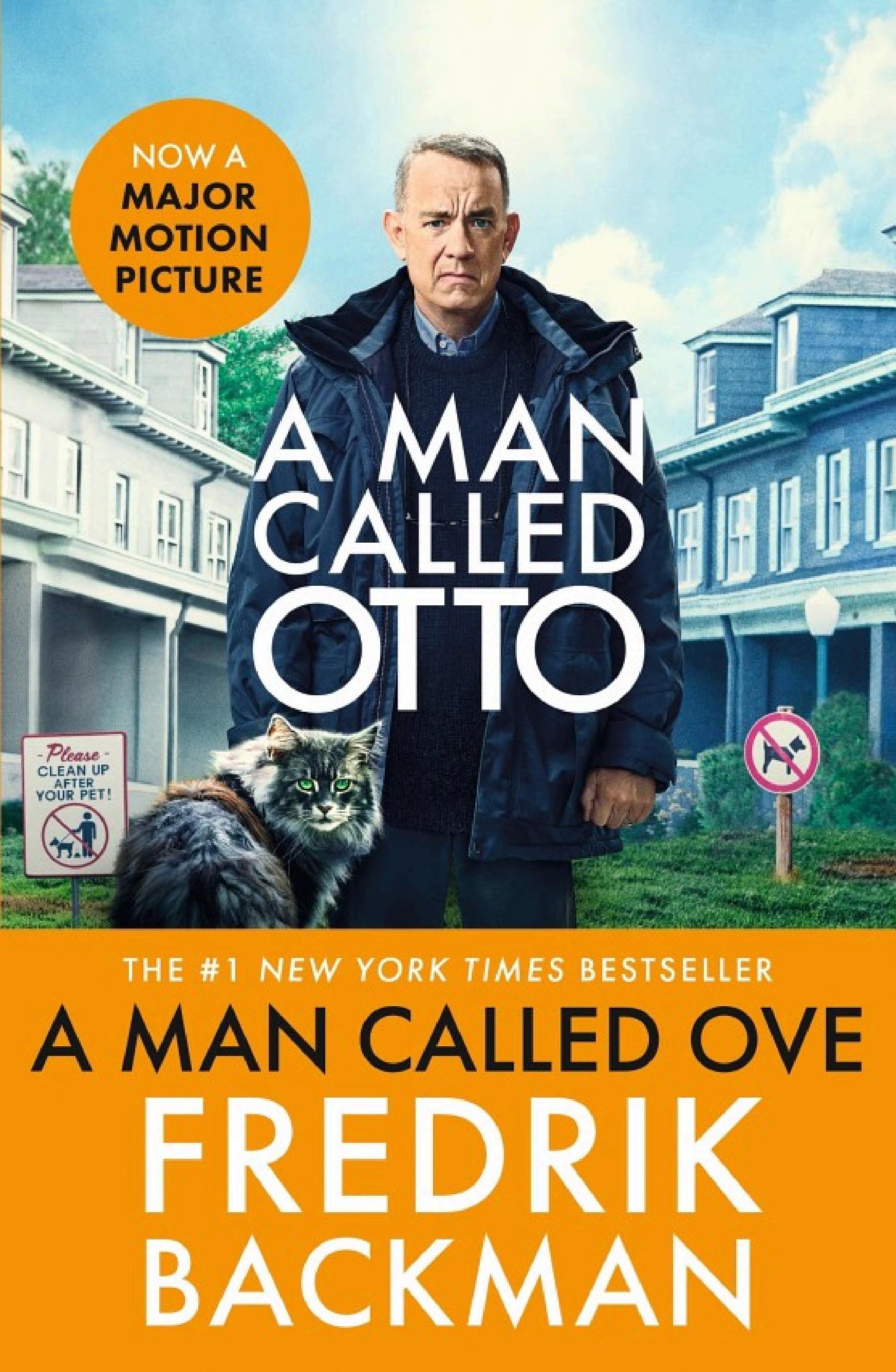
The One to Read First If You Want the Classic Backman Experience
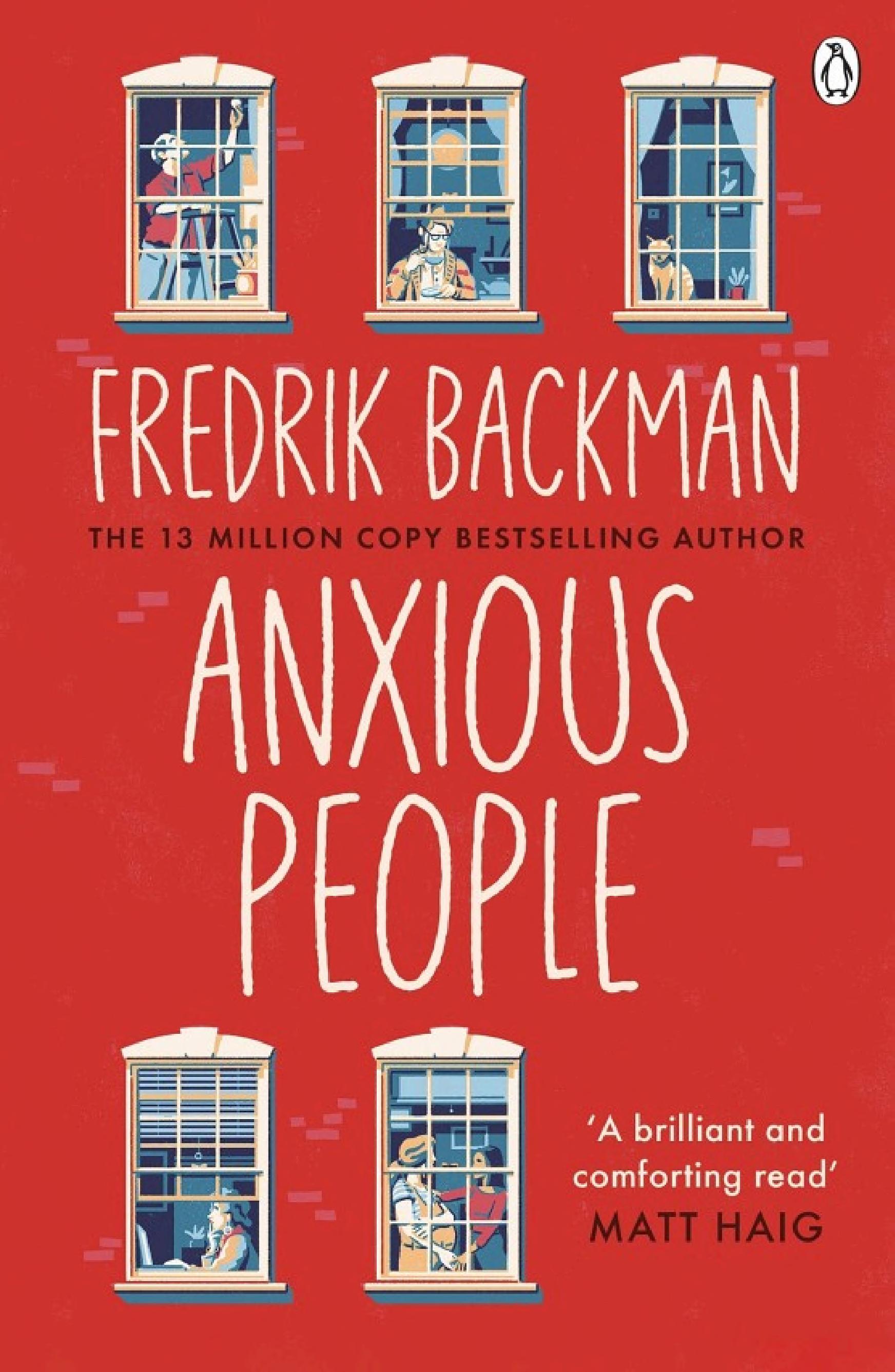
The One to Read First If You Want Maximum Comedy
The One to Read First If You Want Something Heavier and More Serious
Who This Is For
New readers trying to figure out which Backman novel matches their current mood, and existing fans who have read one of his books and want to know which direction to go next. The contemporary catalogue has more authors in this territory.
Frequently asked questions
Q: Do Backman’s books need to be read in any particular order? A: A Man Called Ove, Anxious People, and Beartown are all standalone. Beartown has two direct sequels (Us Against You and The Winners) that should be read in order if you continue the story; the original Beartown works as a complete novel on its own if you’d rather not commit to the trilogy.
Q: Is Beartown too heavy for readers sensitive to assault as a subject? A: The assault itself is not depicted graphically, but its aftermath — the community’s response, the victim’s experience of being disbelieved and ostracized — is rendered with real weight and is genuinely difficult. If this subject matter would be too much right now, A Man Called Ove or Anxious People are better starting points and don’t carry this content.
Q: What is Backman’s most underrated book? A: My Grandmother Asked Me to Tell You She’s Sorry, a shorter novel about a young girl and her grandmother’s legacy of stories, is less widely read than his bigger novels but shares the same warmth and emotional precision at a smaller scale. It’s a good choice for readers who want the Backman experience in a shorter, gentler format.
Q: Is there a Backman book that’s good for book clubs? A: A Man Called Ove and Anxious People both generate excellent discussion — Ove for questions about grief, community, and how people show love in indirect ways, and Anxious People for its ensemble dynamics and structural reveals. Beartown generates the most intense discussion but requires a group prepared for difficult material.
Not sure which of these is right for you specifically? The Pagesmith quiz matches you to books based on your mood, pacing preference, and reading goals, not bestseller lists. Takes two minutes.