Kazuo Ishiguro: Where to Start With His Novels
Ishiguro's novels share a specific formal signature: a narrator who is telling you something true while concealing something truer, and a prose style so controlled that the concealment is itself the most revealing thing about the character. The right starting point depends on how much formal disorientation you want alongside that revelation.
June 2026 · 6 min read · The Pagesmith
Every Ishiguro novel is organized around a narrator who is telling you something true while concealing — sometimes from you, always from themselves — something truer. Stevens in The Remains of the Day describes his professional life with formal precision and does not describe his emotional life at all, which is itself a description of his emotional life. Kathy H. in Never Let Me Go accepts the terms of her existence with such equanimity that the horror of those terms arrives slowly and then all at once. The repression is the revelation; the formal control of the prose is the evidence of what it’s controlling. This is a specific and unusual reading experience, and the four novels here demonstrate its range — from the most restrained (The Remains of the Day) to the most formally experimental (The Buried Giant). Which to start with depends on your tolerance for indirection and the specific kind of disorientation you want.
Start Here If You Want the Best Ishiguro
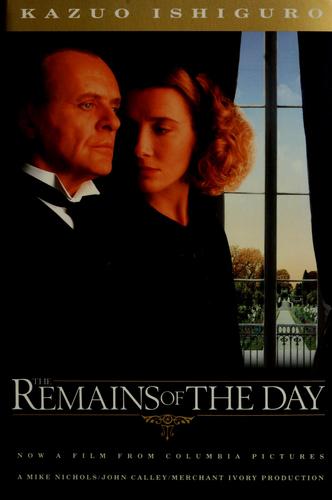
The Remains of the DayKazuo IshiguroThe most formally controlled of his novels and the clearest demonstration of his method: Stevens narrates the story of his career as a butler — his professional commitment, his relationship with Miss Kenton, his employer’s Nazi sympathies — in a prose style so formal and so careful that every deviation from that formality is the most important thing in the text. The novel is entirely told through a man who cannot say what he feels, and is therefore entirely about what he feels. The famous scene by the pier, where Stevens’s composure briefly fails, lands with the weight of everything that has been controlled throughout. Most Ishiguro readers identify this as his masterpiece; it is certainly the most distilled expression of his central interest. Start Here If You Want Speculative Fiction with His Method
Never Let Me GoKazuo IshiguroIshiguro’s most widely read novel and the one that has introduced the largest number of readers to his method: Kathy H. narrates her childhood at Hailsham and its aftermath with the same quality of careful acceptance that Stevens brings to his career — and the horror of what Kathy is accepting, gradually revealed, is more dramatic than Stevens’s repression but achieved through the same formal mechanism. The speculative premise (clones created for organ harvesting) gives Ishiguro a way to make the suppression of self-knowledge legible as a social fact rather than simply a personal one: Kathy’s equanimity is not individual psychology but the product of a system that was designed to produce exactly this equanimity. The right Ishiguro for readers who want his formal signature applied to material with more obvious narrative stakes. Start Here If You Want His Most Recent Work
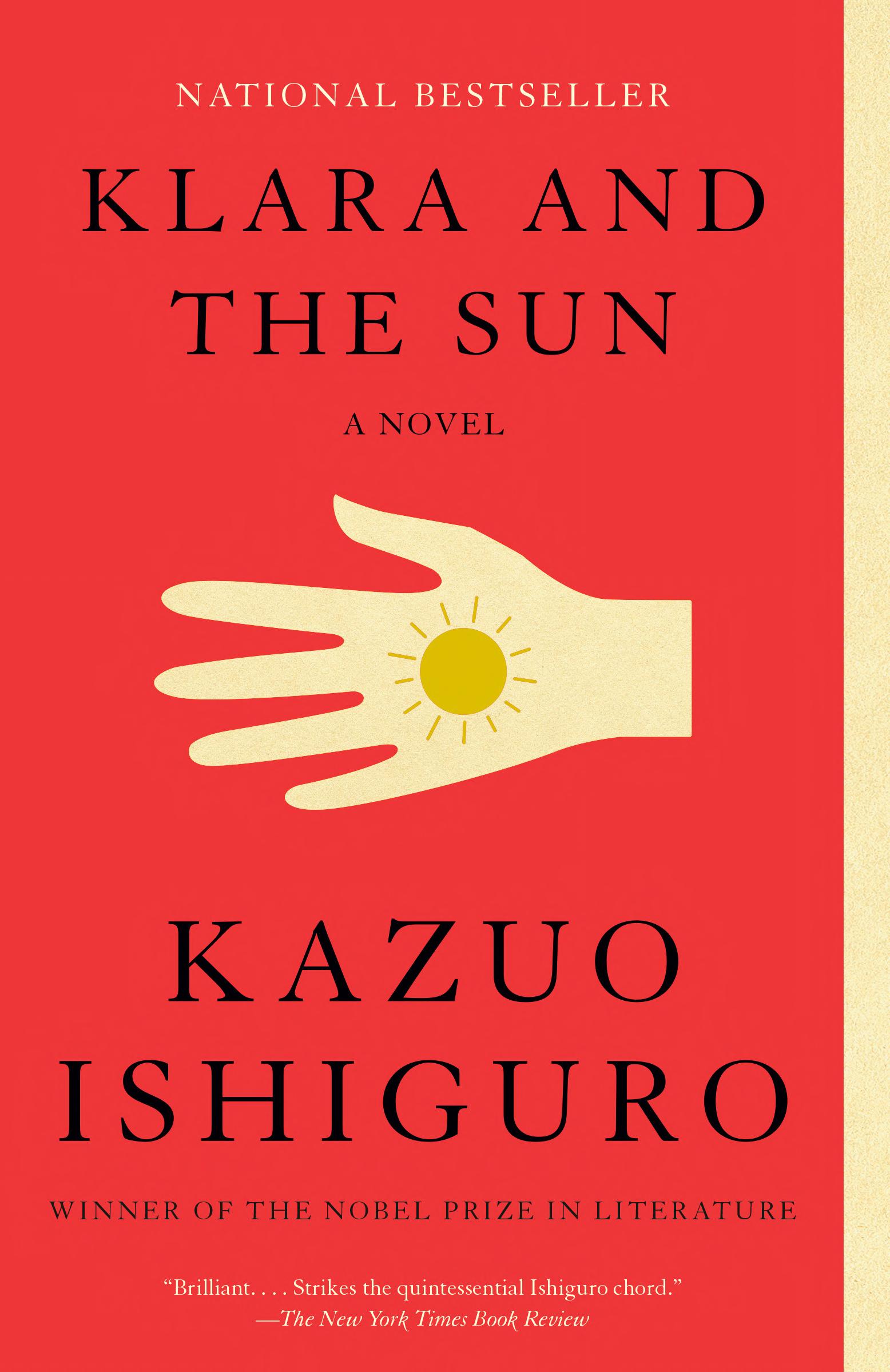
Klara and the SunKazuo IshiguroHis 2021 Nobel Prize-era novel applies his formal signature to the most contemporary possible subject: an Artificial Friend narrating her experience of the human family she is purchased to accompany. Klara’s perspective is Ishiguro’s most formally innovative — she observes human behavior with extraordinary precision but interprets it through gaps that are specific to her artificial consciousness, and the reader has to hold simultaneously what Klara perceives and what she misunderstands. The novel is his most explicitly philosophical, organized around questions about consciousness, substitution, and whether a person can be fully known and reproduced by a sufficiently attentive observer. More accessible than The Buried Giant, more formally experimental than The Remains of the Day. The right choice for readers interested in AI and consciousness alongside Ishiguro’s signature repression and revelation. Start Here If You Want His Most Experimental Novel
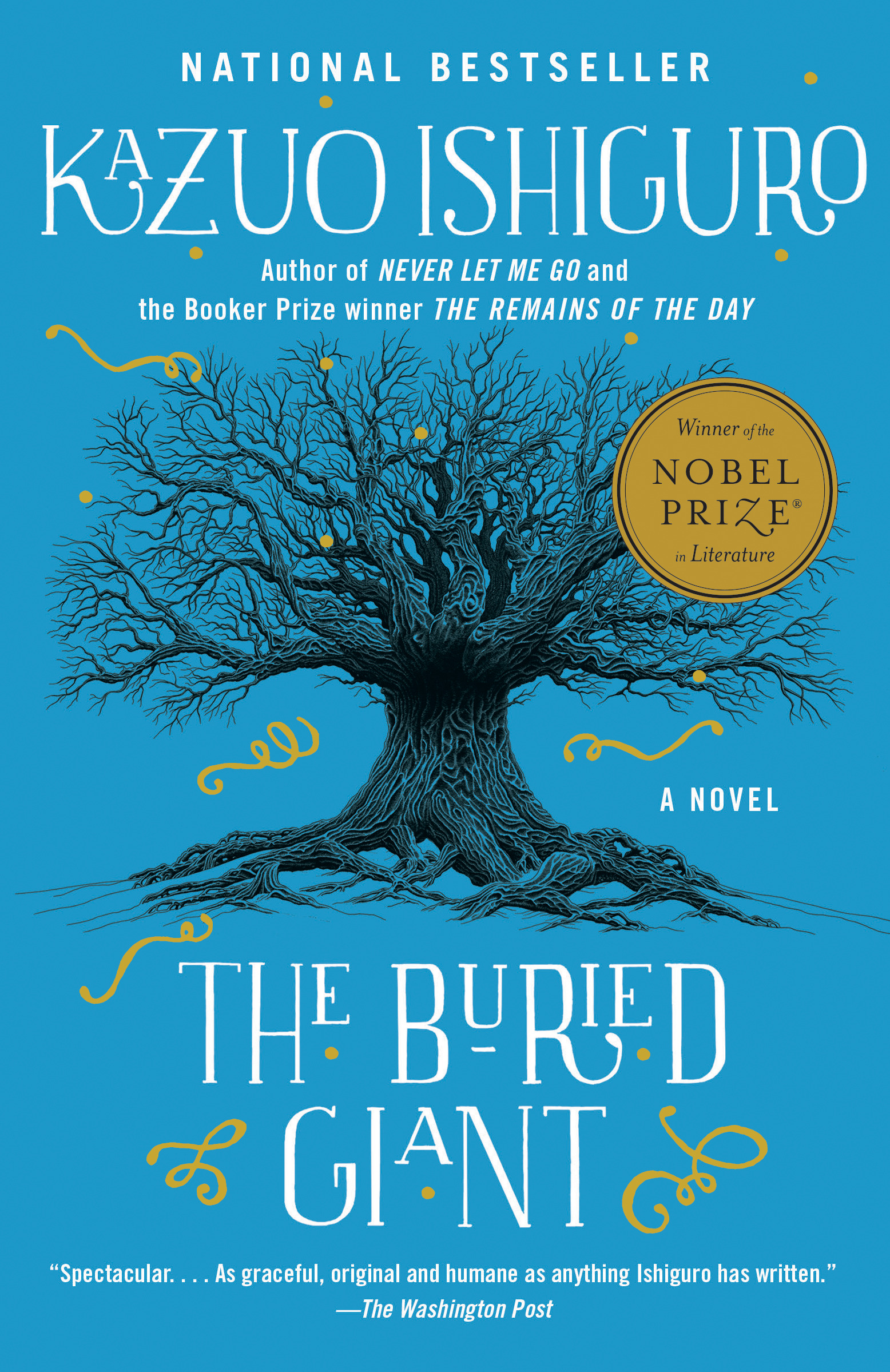
The Buried GiantKazuo IshiguroIshiguro’s most formally unusual novel and the one that divided critical opinion most sharply on publication: an Arthurian Britain shrouded in a mist that causes collective amnesia, an elderly couple who cannot remember their own history together, a quest that is partly about discovering what has been forgotten and whether it should be remembered. The novel applies Ishiguro’s central interest — what we suppress, individually and collectively, and what happens when suppression fails — to mythological scale and collective memory, asking whether forgetting can be merciful rather than simply cowardly. Not the right starting point for Ishiguro newcomers, but essential for readers who have finished his other novels and want to understand the full range of what his method can do when it is applied to historical and political rather than personal suppression. Who This Is For
Readers who have heard about Ishiguro and want to know where to begin, and existing fans who have read one of his novels and want to understand the full shape of his project. The literary fiction catalogue has more in this direction.
Frequently asked questions
Q: Why is The Remains of the Day usually considered Ishiguro’s best?
A: Because it is the most perfect expression of his central formal method: the gap between what the narrator says and what the narrator means is at its maximum, the prose control is at its most exact, and the emotional effect that accumulates across that control is at its most complete. It is a novel in which nothing is stated and everything is felt, and the precision required to achieve that is most fully realized here.
Q: Is The Buried Giant really an Arthurian novel, or is the fantasy setting incidental?
A: The Arthurian setting is not incidental — it is the vehicle for Ishiguro’s specific interest in what happens when a society suppresses a history of violence and whether collective forgetting can be a mercy. The fantasy elements require a reader who can accept them without treating them as genre conventions; readers who find the Arthurian premise distracting often find the novel less successful than those who accept it on its own terms.
Q: Do Ishiguro’s novels need to be read in order?
A: No — each is standalone and can be read independently. The natural reading order for understanding his development is The Remains of the Day, Never Let Me Go, Klara and the Sun, then The Buried Giant, but any order works.
Q: Why did Ishiguro win the Nobel Prize?
A: The Swedish Academy cited “novels of great emotional force” that “uncovered the abyss beneath our illusory sense of connection with the world.” The Nobel citation is unusually accurate: the gap between what Ishiguro’s narrators believe about their own lives and what the reader can see about those lives is the central formal and emotional achievement of his work.
Not sure which of these is right for you specifically? The Pagesmith quiz matches you to books based on your mood, pacing preference, and reading goals, not bestseller lists. Takes two minutes.