What to Read After Shuggie Bain
Shuggie Bain's achievement is rendering extreme poverty without sentimentalizing it or using it as horror decoration. The books here share its commitment to portraying difficult lives with love and precision -- not to make the reader suffer but to make them understand.
May 2026 · 7 min read · The Pagesmith
Finishing Shuggie Bain is a specific experience. The novel is devastating in a way that resists easy processing, partly because Douglas Stuart refuses both the consolations of uplift and the consolations of tragedy. Agnes does not recover. Shuggie does not save her. The love between them is absolute and it is not enough. That refusal — to convert the difficulty into meaning, to make the suffering productive — is what makes the novel extraordinary, and it is also what makes it hard to find a satisfying follow-up. Books that sentimentalize poverty or use working-class life as texture for middle-class character development feel false in ways they would not have felt before. Books that go to the other extreme and use difficulty purely for emotional impact feel exploitative. The books here share Stuart’s specific achievement: they render lives defined by systemic hardship with the same combination of clarity and love that makes Shuggie Bain both unbearable and essential.
What Shuggie Bain Is Actually Doing
The emotional intensity of Shuggie Bain comes from a specific formal choice: Stuart renders the poverty, addiction, and systemic failure with sociological precision while simultaneously refusing to let that precision become distance. The reader understands exactly what historical conditions produced Agnes’s situation — deindustrializing Glasgow, the specific social death of women dependent on men in communities where male work has disappeared, the way addiction fills the space that dignity and purpose used to occupy — without ever feeling that the understanding replaces the emotional reality of Shuggie loving his mother. Both are present simultaneously, and the books here achieve the same double register.
The most demanding thing Shuggie Bain asks of the reader is to hold systemic analysis and personal love in the same space simultaneously — to understand exactly why things are the way they are and to feel the full weight of them anyway.
The Books
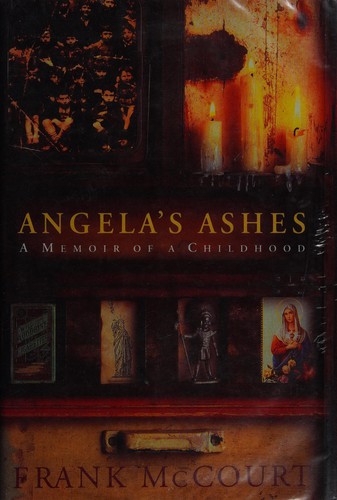
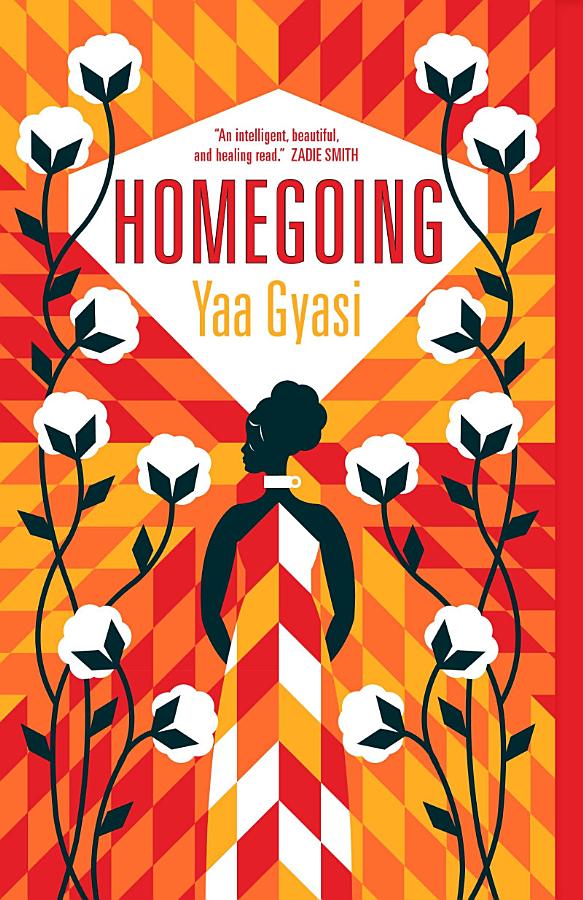
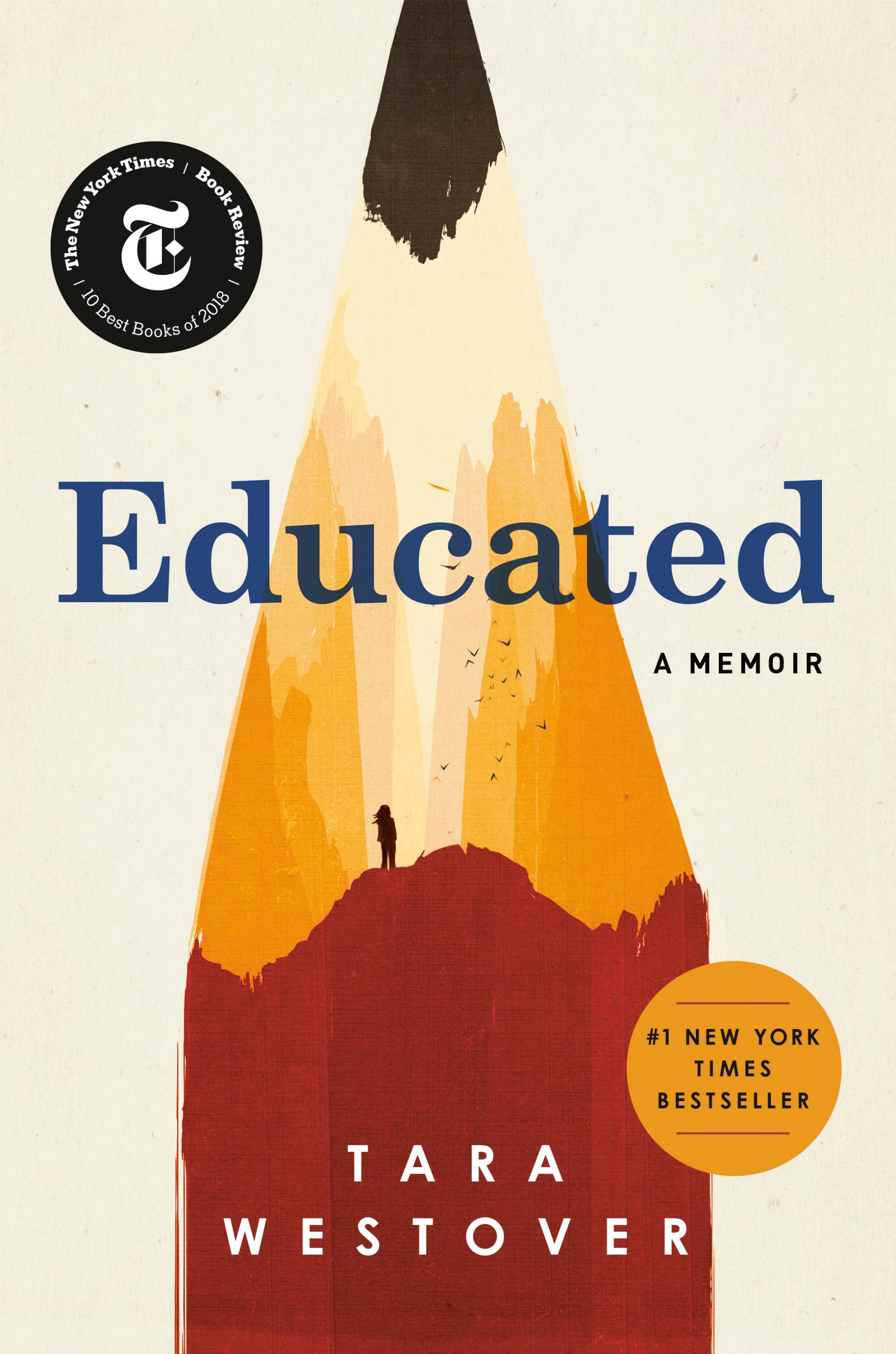
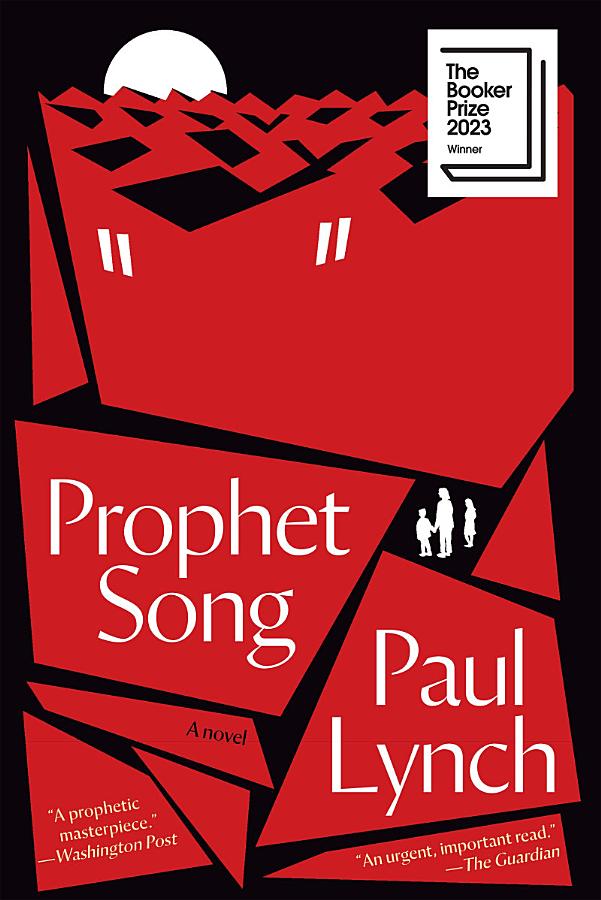
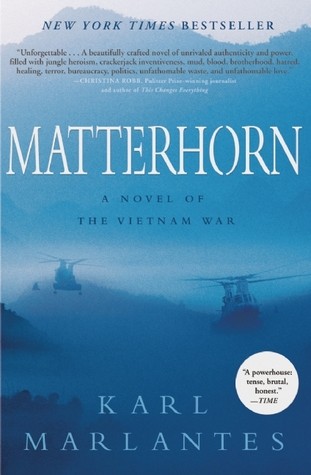
Angela’s AshesFrank McCourtThe most direct parallel to Shuggie Bain: a child narrating a life shaped by an alcoholic parent and systemic poverty, in a specific community where both are historically determined rather than individually chosen. McCourt’s Limerick is Stuart’s Glasgow in miniature — a city whose poverty has a specific political and social history, where the Church and the class structure and the economy conspire to keep people in conditions that addiction then manages and exacerbates. The difference is tonal: McCourt’s voice is wry where Shuggie’s is anguished, which makes Angela’s Ashes the more immediately accessible book and not the less honest one. The love for the flawed parent is the same in both. The Grapes of WrathJohn SteinbeckSteinbeck’s novel shares Shuggie Bain’s essential structure: a family being destroyed by forces larger than any individual decision, rendered with enough political specificity that the reader understands the system while remaining fully invested in the people. The Joad family’s dignity in the face of institutional indifference is the same quality that Shuggie embodies in the face of his mother’s addiction. Both novels refuse to resolve their systemic arguments through individual heroism — the Joads do not escape; Shuggie does not save Agnes — but both make the case that dignity under impossible conditions is itself a form of resistance. Ma Joad and Agnes Bain are among fiction’s great portraits of maternal love under structural duress. HomegoingYaa GyasiGyasi’s novel expands the Shuggie Bain question from a family in Thatcher’s Glasgow to an African American family across eight generations, and makes visible the same argument: that what looks like individual failure is systemic production. Each chapter follows a different descendant of two Ghanaian sisters, and the structural repetition — each generation inheriting the specific damage of its historical moment — is the novel’s formal argument that poverty, addiction, and broken families are not personal pathologies but the documented outcomes of slavery, Jim Crow, mass incarceration, and their sequelae. The emotional investment in each individual character makes the structural argument land rather than lecture. EducatedTara WestoverThe memoir that most directly addresses what Shuggie Bain leaves the reader asking: what happens to the child who survives? Westover’s account of leaving her survivalist Idaho family and educating herself to Cambridge and Harvard is not a simple triumph narrative — the cost of the distance she places between herself and her family of origin is the book’s most painful subject, and she refuses to pretend that education resolved the damage rather than exposing it to new scrutiny. For readers who want to follow Shuggie’s trajectory forward, into the specific psychological cost of loving and leaving a family that cannot be saved, Educated is the most honest account available. Prophet SongPaul LynchThe formal equivalent of Shuggie Bain’s immersive intensity, applied to a different subject. Where Stuart renders poverty and addiction in close, unhurried prose that keeps the reader inside Agnes’s deterioration in real time, Lynch renders the slide into fascism in unpunctuated sentences that enact the experience of a consciousness overwhelmed by accelerating events. Eilish Stack’s attempts to maintain ordinary family life as Ireland becomes something unrecognizable are structurally similar to Shuggie’s attempts to maintain love for his mother as Agnes becomes someone he cannot save. Both novels are about love persisting in conditions designed to destroy it. Lynch’s is the more formally demanding; the emotional territory is the same. MatterhornKarl MarlantesThe genre outlier on this list, included because it shares Shuggie Bain’s most important quality: the refusal to make suffering either heroic or meaningless. Marlantes’s Vietnam novel renders the Marines of Bravo Company with the same sociological precision that Stuart brings to Glasgow — the class backgrounds that sent them to Vietnam, the racial tensions within the platoon, the institutional cynicism that sacrifices lives for tactical objectives of no strategic value — while sustaining full emotional investment in the individual soldiers. The bond between men under sustained terror is a different kind of love from Shuggie’s devotion to Agnes, but the novel holds the same double register: understanding exactly why things are the way they are, and feeling the full weight of them anyway. Who This Is For
Readers who finished Shuggie Bain and need fiction that meets its emotional seriousness — who are now calibrated to a register of honesty about difficult lives that most commercial fiction cannot achieve, and who want books that earn their emotional weight through the same combination of sociological precision and human specificity. The literary fiction catalogue has more in this direction.
Frequently Asked Questions
Q: Is Shuggie Bain based on a true story?
A: Shuggie Bain is fiction, but Douglas Stuart has said in interviews that it draws heavily on his own childhood in Glasgow with an alcoholic mother. The emotional authenticity of the novel reflects lived experience rendered through a novelist’s craft rather than memoir’s direct testimony.
Q: What is the easiest book on this list to read after Shuggie Bain?
A: Angela’s Ashes is the most immediately accessible — McCourt’s wry voice is lighter than Stuart’s, and the memoir form gives readers a slightly more stable narrative position. Educated is also highly readable and moves quickly. Prophet Song is the most formally demanding and should probably come last.
Q: Is Matterhorn really comparable to Shuggie Bain?
A: They are very different in setting and subject, which is why the editorial argument in the description is important. Both novels refuse to make their suffering either heroic or meaningless, and both hold systemic analysis and individual emotional investment simultaneously. That formal similarity produces a comparable reading experience even across very different surface content.
Q: What should I read if I want something by Douglas Stuart after Shuggie Bain?
A: Young Mungo, Stuart’s second novel, returns to Glasgow and to the same concerns — working-class Catholic and Protestant communities, violence, sexuality, family loyalty under impossible conditions. It is not as fully realized as Shuggie Bain but shares its moral intelligence and its refusal of easy resolution.
Not sure which of these is right for you specifically? The Pagesmith quiz matches you to books based on your mood, pacing preference, and reading goals, not bestseller lists. Takes two minutes.