What to Read After War and Peace
Readers who finish War and Peace usually experience a specific problem: ordinary novels feel thin afterward. The scale of Tolstoy's attention -- to character, to history, to the relationship between individual lives and large forces -- recalibrates what you expect from fiction. These five books can meet that expectation.
June 2026 · 6 min read · The Pagesmith
Finishing War and Peace produces a specific disorientation: the novel is so large in its concerns and so complete in its rendering that ordinary fiction feels reduced afterward, the way coming back to sea level feels after time at altitude. The problem is not that other novels are worse but that War and Peace has recalibrated your sense of what a novel can hold — how many characters, how many years, how large an understanding of human social existence — and that recalibration takes time to adjust back from. The books here are specifically chosen to meet that heightened expectation rather than to disappoint it. None of them are War and Peace, and several of them are explicitly engaging with what Tolstoy did: Anna Karenina by the same author applying the same quality of attention to a different set of social questions, Middlemarch by the English writer who is his closest counterpart in the breadth of her moral intelligence, The Brothers Karamazov by the Russian novelist who was his greatest contemporary rival. These are books for readers whose expectations have been permanently raised.
The Books
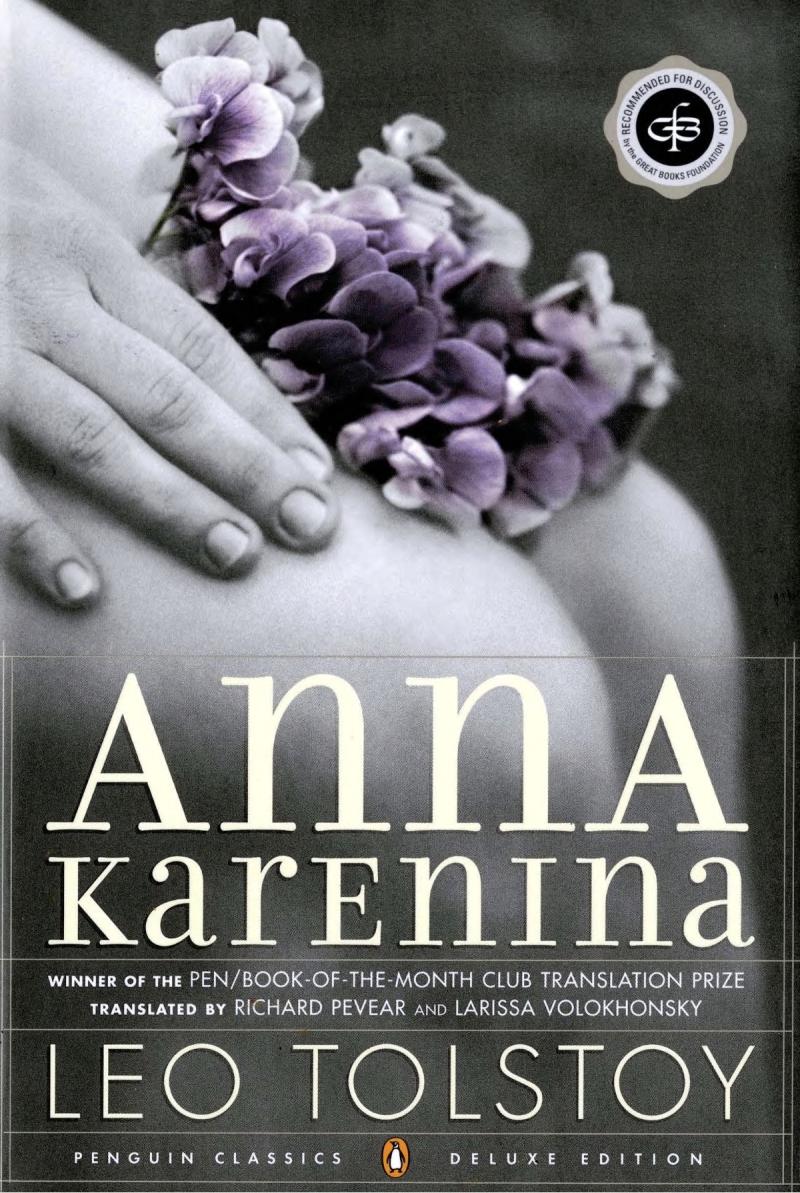
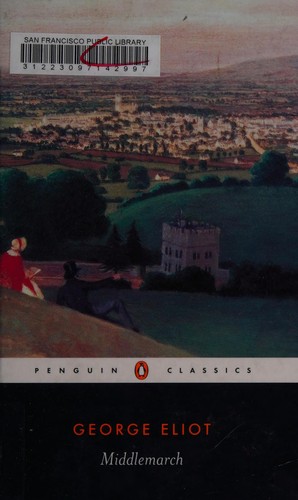
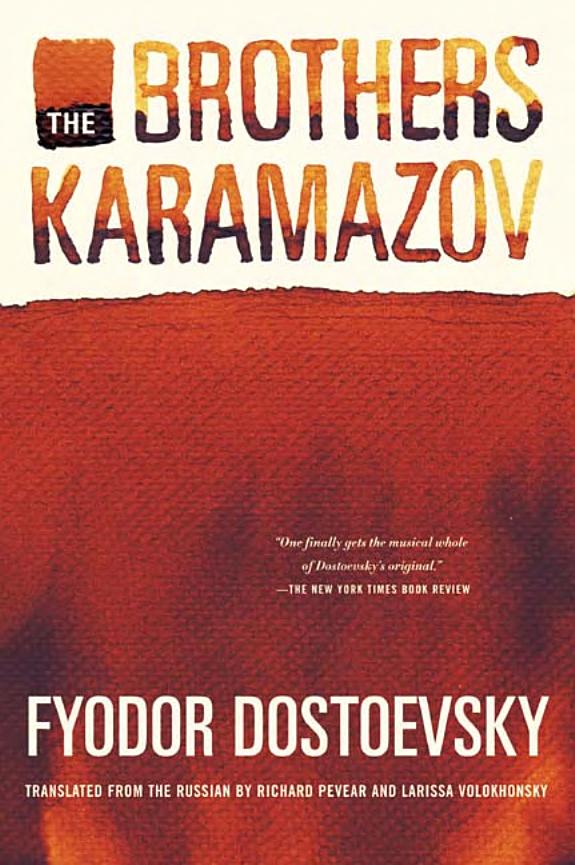
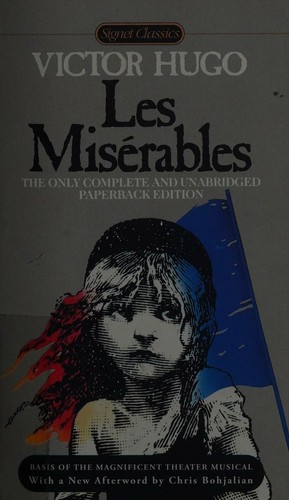
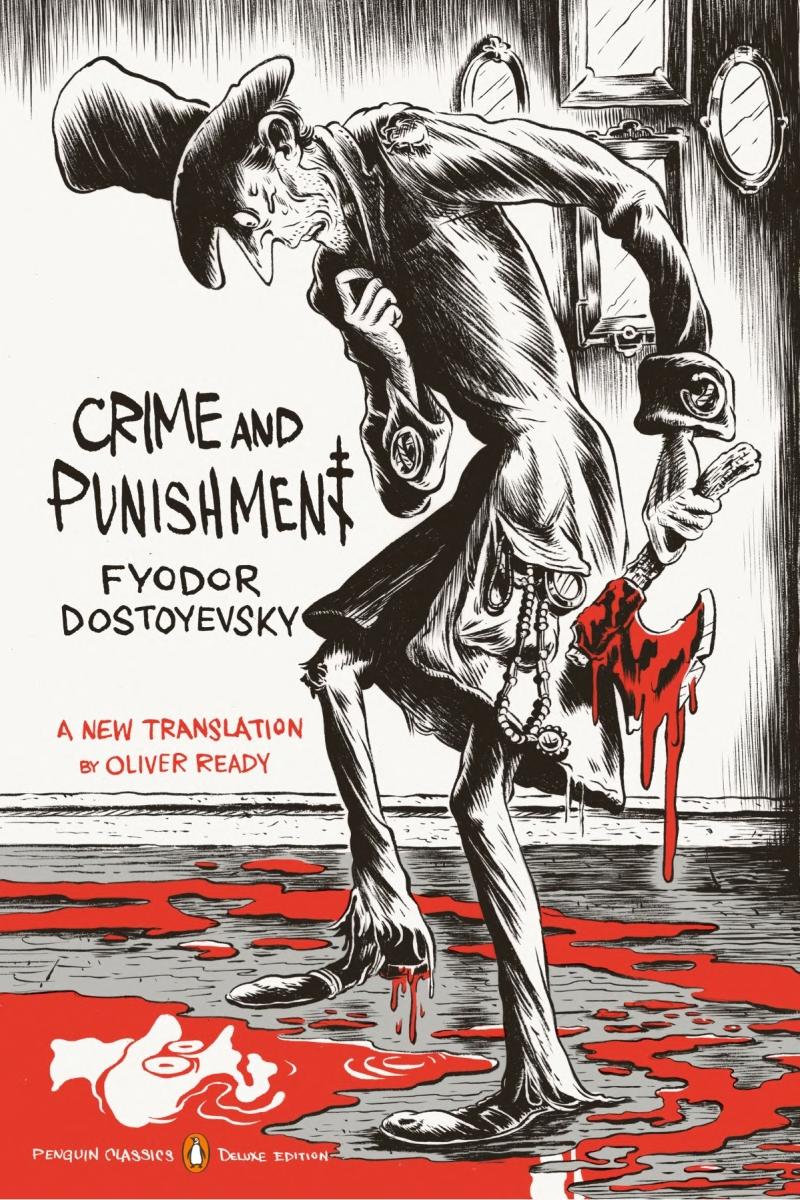
Anna KareninaLeo TolstoyThe direct next step: another Tolstoy at comparable ambition but organized differently. Where War and Peace is epic in its canvas — fifteen years, a civilization at a turning point — Anna Karenina is organized around two parallel trajectories, Anna’s romantic passion and Levin’s domestic searching, that Tolstoy holds in balance with the same quality of omniscient comprehension he brings to Borodino. The social world of Moscow and Petersburg is rendered with the same density as the Rostovs’ household, and the moral intelligence of the narration — the refusal to condemn Anna or exonerate the society that condemns her — is the same quality that makes War and Peace’s judgments feel earned rather than imposed. The right first step after finishing War and Peace, and for many readers ultimately the more moving novel. MiddlemarchGeorge EliotEliot is the English counterpart to Tolstoy: a novelist whose narrator possesses comprehensive social intelligence and moral seriousness comparable to his, applied to a provincial English town rather than to Russian society at war. The scale of Middlemarch is smaller than War and Peace — a community rather than a civilization, a few years rather than fifteen — but the quality of attention is equivalent: the same ability to hold a large cast of characters in mind simultaneously, to understand each of them better than they understand themselves, and to find meaning in the gap between what they intend and what they produce. Henry James called Middlemarch one of the few English novels written for grown-up people; readers who have finished War and Peace are exactly the grown-up people he had in mind. The Brothers KaramazovFyodor DostoevskyDostoevsky’s final novel is the other great contender for the title of the greatest Russian novel, and the most philosophically ambitious. Where Tolstoy’s strength is social comprehension — understanding how large numbers of people exist in relation to each other and to historical forces — Dostoevsky’s strength is psychological penetration and philosophical argument: the three Karamazov brothers represent three incompatible ways of understanding the world, and the murder of their father is the event that tests all three frameworks simultaneously. The novel is shorter than War and Peace but no less demanding; it is the right choice for readers who want to stay with the moral seriousness of Russian literature at its peak. Les MiserablesVictor HugoHugo’s 1,500-page social epic is the French response to the questions Tolstoy was asking about history, justice, and what individual lives mean against the scale of historical forces. The digressions that some readers find frustrating — on the Battle of Waterloo, on the Paris sewer system, on the history of religious orders — are Tolstoy-like in their ambition: Hugo is building the full world that Jean Valjean and Javert inhabit, insisting that their lives can only be understood within the complete historical and social context that produced them. For readers who want to stay at the scale War and Peace operates, this is the most natural continuation in a different language and a different tradition. Crime and PunishmentFyodor DostoevskyThe right recommendation for readers who want to return to Russian literature at high ambition but need something considerably shorter than War and Peace to recover the reading pace. At roughly 500 pages, it is the most concentrated entry on this list: a single consciousness, a single crime, a single investigation — but a moral and psychological depth that is fully commensurate with what War and Peace demands. Dostoevsky’s narration of Raskolnikov’s deteriorating psychology after the murder is the closest available in Russian literature to Tolstoy’s rendering of what Pierre feels at Borodino: a specific consciousness under maximum pressure, rendered from the inside with full precision. Who This Is For
Readers who have finished War and Peace and are experiencing the specific altitude problem — the recalibration of what they expect from fiction — and who want books ambitious enough to meet that raised expectation rather than disappoint it. The literary fiction and historical fiction catalogues have more in this direction.
Frequently asked questions
Q: Is Anna Karenina actually comparable to War and Peace in quality?
A: Many critics and readers rate Anna Karenina more highly. It is more concentrated, more emotionally direct, and arguably more formally controlled. The choice between them depends on whether you prefer Tolstoy’s epic social canvas or his more focused psychological and moral portrait. Most readers who love one immediately read the other.
Q: Is The Brothers Karamazov really as long as its reputation suggests?
A: It is roughly 800 pages, which is long but considerably shorter than War and Peace. The philosophical sections — particularly the Grand Inquisitor chapter — are the most demanding, but Dostoevsky is also a thriller writer and the narrative is more propulsive than War and Peace at equivalent length.
Q: Which translation of War and Peace should I have read?
A: The most widely recommended English translations are by Richard Pevear and Larissa Volokhonsky (known for preserving the Russian rhythm of Tolstoy’s prose) and by Anthony Briggs (known for more natural English flow). Both are excellent; the choice is partly stylistic preference. The same translators have worked on most of the Russian novels on this list, so continuing with the same translation approach you preferred for War and Peace is reasonable.
Q: Can I read Les Miserables in an abridged version after War and Peace?
A: After finishing War and Peace, most readers find that they have built the patience and tolerance for scale that makes unabridged Les Miserables entirely readable. The digressions are integral to Hugo’s project in the same way Tolstoy’s philosophical sections are integral to his; abridging removes the argument along with the pages.
Not sure which of these is right for you specifically? The Pagesmith quiz matches you to books based on your mood, pacing preference, and reading goals, not bestseller lists. Takes two minutes.