There is a legitimate and specific reading need that most book recommendation tools treat as something to gently redirect: the desire for fiction that is genuinely dark. Not grim for atmosphere, not bleak for literary credibility, but actually willing to look at the worst of what people and systems do and render it with honesty. The books below are chosen for readers who need that quality — who want fiction that goes somewhere real rather than pulling back at the last moment.
Dark fiction that earns its darkness through honesty
The distinction between gratuitous darkness and honest darkness is craft. Gratuitous darkness uses violence or despair as sensation. Honest darkness uses it as argument — as the only accurate way to render what it is examining.
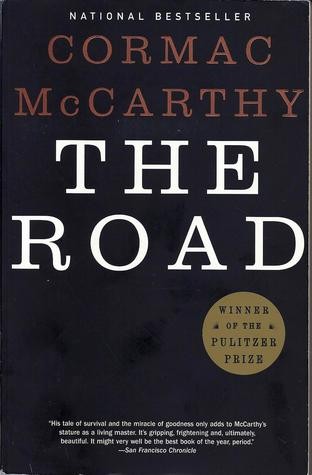
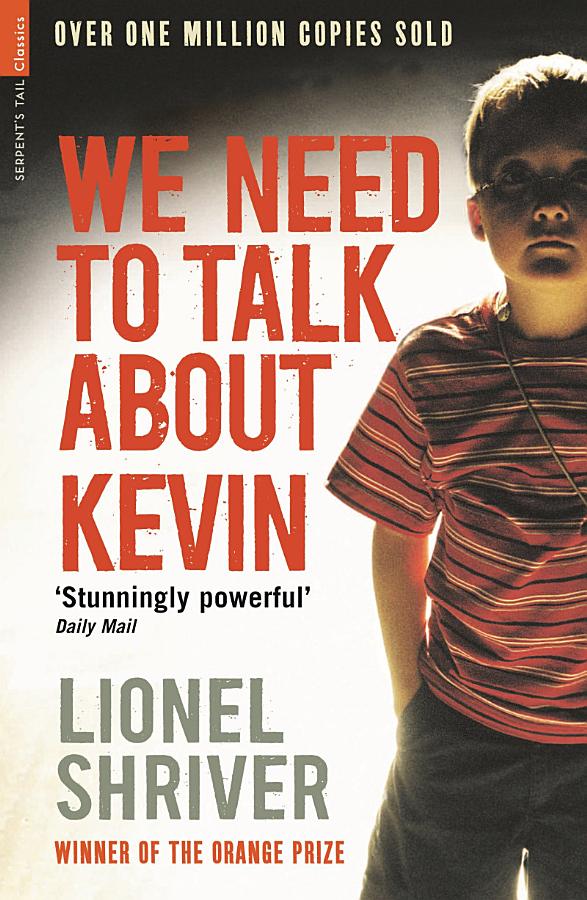
The best dark fiction is not nihilistic — it is honest. It goes to the places that comfortable fiction avoids and renders them with enough accuracy that the reader comes away knowing something real.
Dark fiction about what systems produce
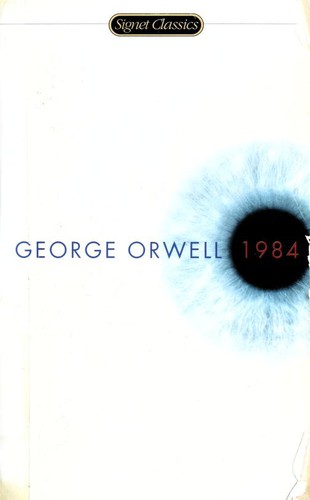
Some of the most useful dark fiction is not about individual horror but about what institutions and societies systematically generate — the violence that is built into the structure rather than perpetrated by exceptional people.
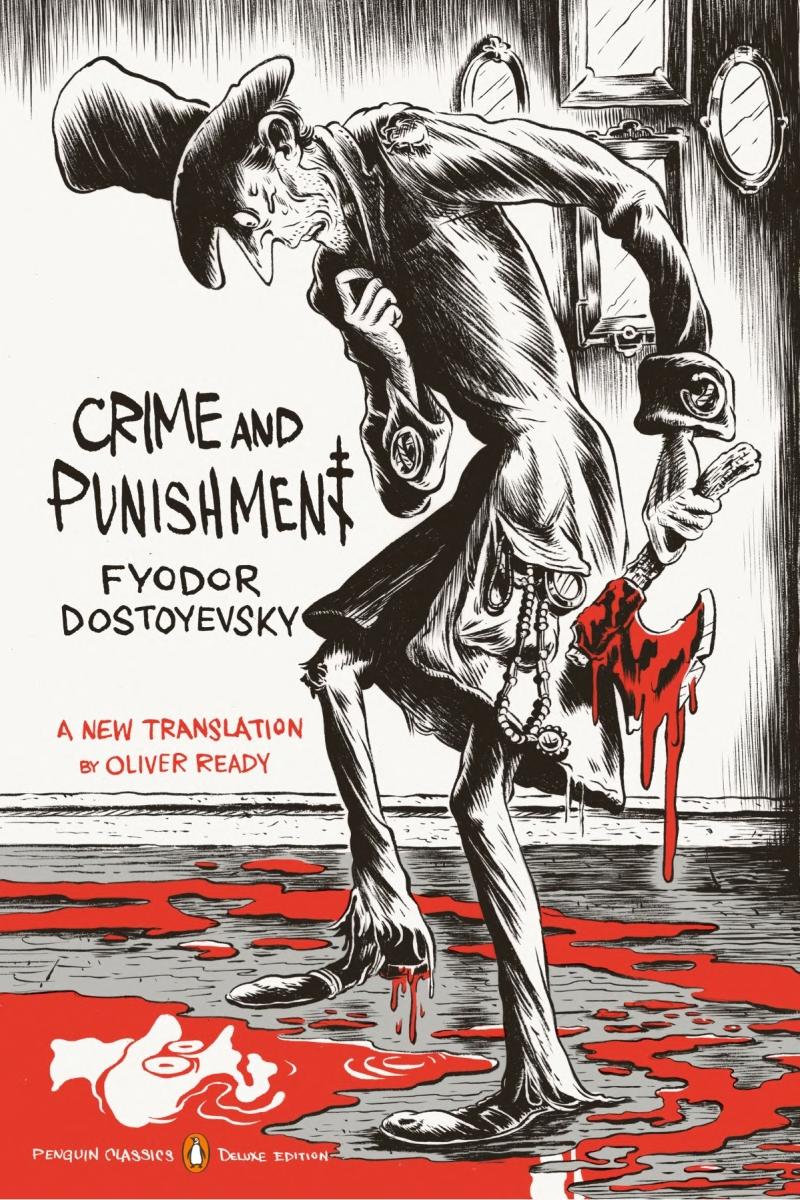
Dark fiction with genuine menace
Who this is for
This list is for readers who need fiction that does not flinch — who find comfortable endings dishonest and want books that go somewhere real. If you want the most formally pure, The Road. If you want the most psychologically granular, Crime and Punishment or We Need to Talk About Kevin. If you want structural darkness, 1984. Browse horror and literary fiction for more.
Frequently asked questions
Q: What are the darkest books worth reading? A: The Road by Cormac McCarthy is the most formally accomplished — the darkness is total and the novel earns every page of it. We Need to Talk About Kevin is the most psychologically disturbing. Blood Meridian by McCarthy is the most unrelenting. All three are worth reading for readers who want fiction that goes all the way.
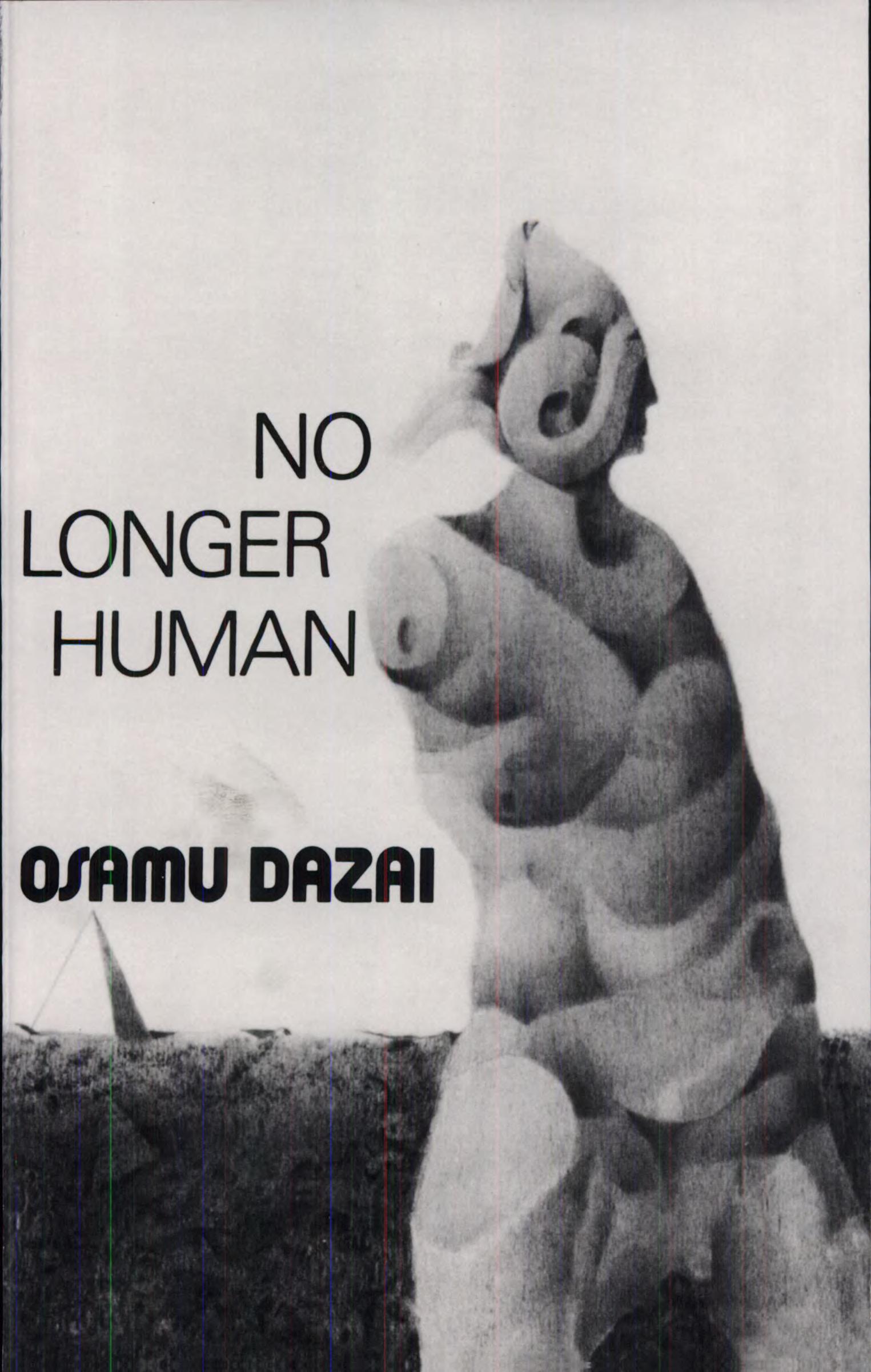
Q: What dark books are also literary? A: Crime and Punishment by Dostoevsky is the most critically acclaimed dark literary novel. No Longer Human by Osamu Dazai is the most interior. Beloved by Toni Morrison is the most formally ambitious. All three use their darkness in service of genuine argument rather than sensation.
Q: What is the difference between dark fiction and gratuitous fiction? A: Craft and purpose. Dark fiction uses its difficult content as argument — as the only accurate way to render what it is examining. Gratuitous fiction uses darkness as sensation, without the structural purpose that would make it mean something. The Road is dark; torture porn is gratuitous. The distinction is in whether the darkness does work.
Q: Are there dark books that are also hopeful? A: The Road arrives at something like hope through its final pages without softening anything that preceded them. Night by Elie Wiesel is about survival under the most extreme conditions, which produces its own specific quality of hope. Parable of the Sower by Octavia Butler is dark about the near future while being genuinely hopeful about human capacity.
Not sure which of these is right for you specifically? The Pagesmith quiz matches you to books based on your mood, pacing preference, and reading goals — not bestseller lists. Takes two minutes.