What to Read When You're in a Reading Slump
A reading slump requires a different kind of book -- not challenging or worthy but mechanically propulsive. These books restart readers because they make reading feel effortless again: the kind where you look up and an hour has passed without you noticing.
June 2026 · 7 min read · The Pagesmith
A reading slump is not a loss of interest in books. It is a loss of momentum: the specific state in which every book you pick up feels like effort, in which you read a page and find yourself re-reading it, in which the chair is uncomfortable and the light is wrong and the book just isn’t quite doing it. The cure is not a better or more important book. The cure is a propulsive one. What breaks a reading slump is a book that removes the effort of reading — that pulls the reader forward so consistently that the question of whether to continue never arises, because the forward motion is doing the work. The books here are chosen specifically for that quality. Some are literary, some are not. All of them are the kind of book where you look up and an hour has passed.
Why the Slump-Breaking Book Is a Specific Kind of Book
The books that break slumps share one quality that has nothing to do with prose style, subject, or reputation: they produce what readers describe as not being able to put them down. That quality comes from different sources in different books — a mystery whose solution the reader needs, a character whose situation they cannot leave, a voice that is so distinctive that the reader simply wants to keep hearing it. What all of them produce is the removal of friction from the reading experience. The books here are not necessarily the best books you will ever read. They are the books most reliably reported by readers as the ones that got them reading again.
The right book for a reading slump is not the most important book you’ve been meaning to read. It is the book that reminds you why you love reading — by making reading feel like the easiest thing in the world for a few hours.
The Books
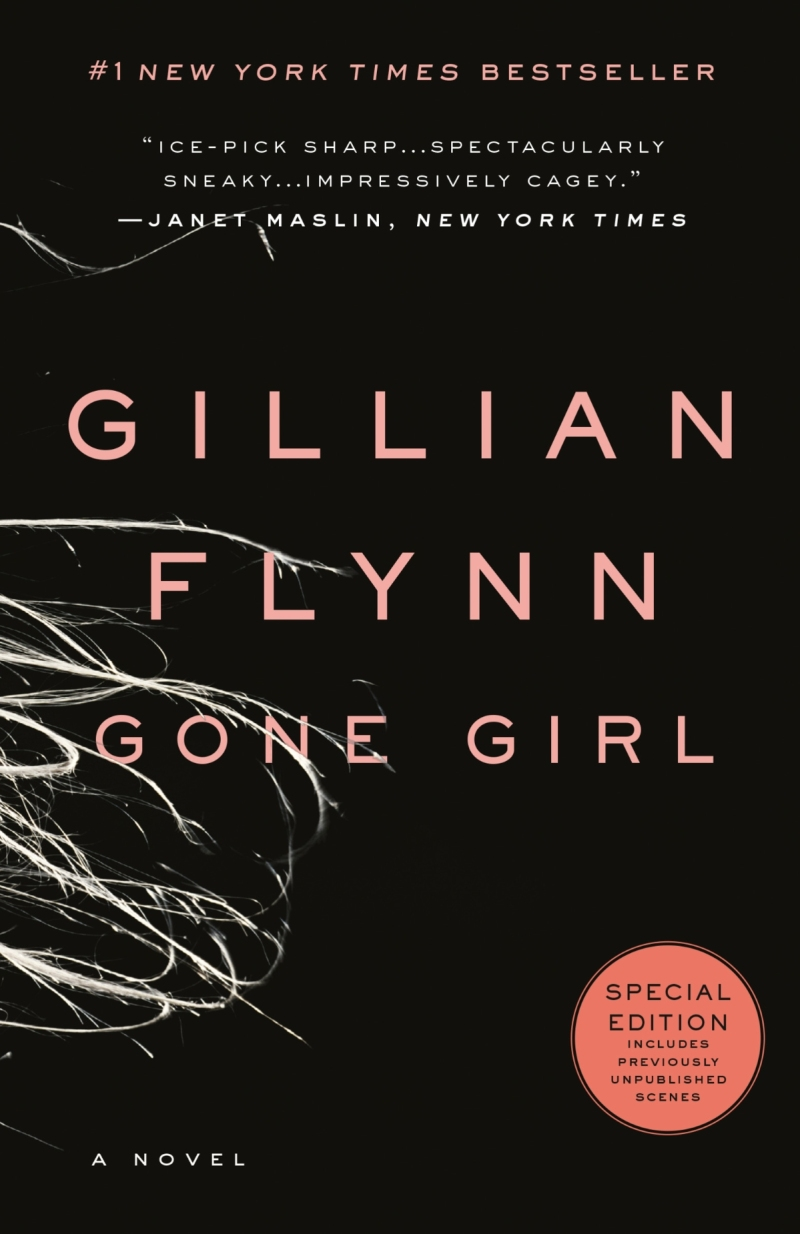
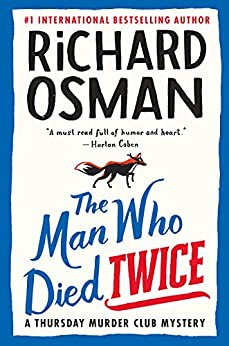
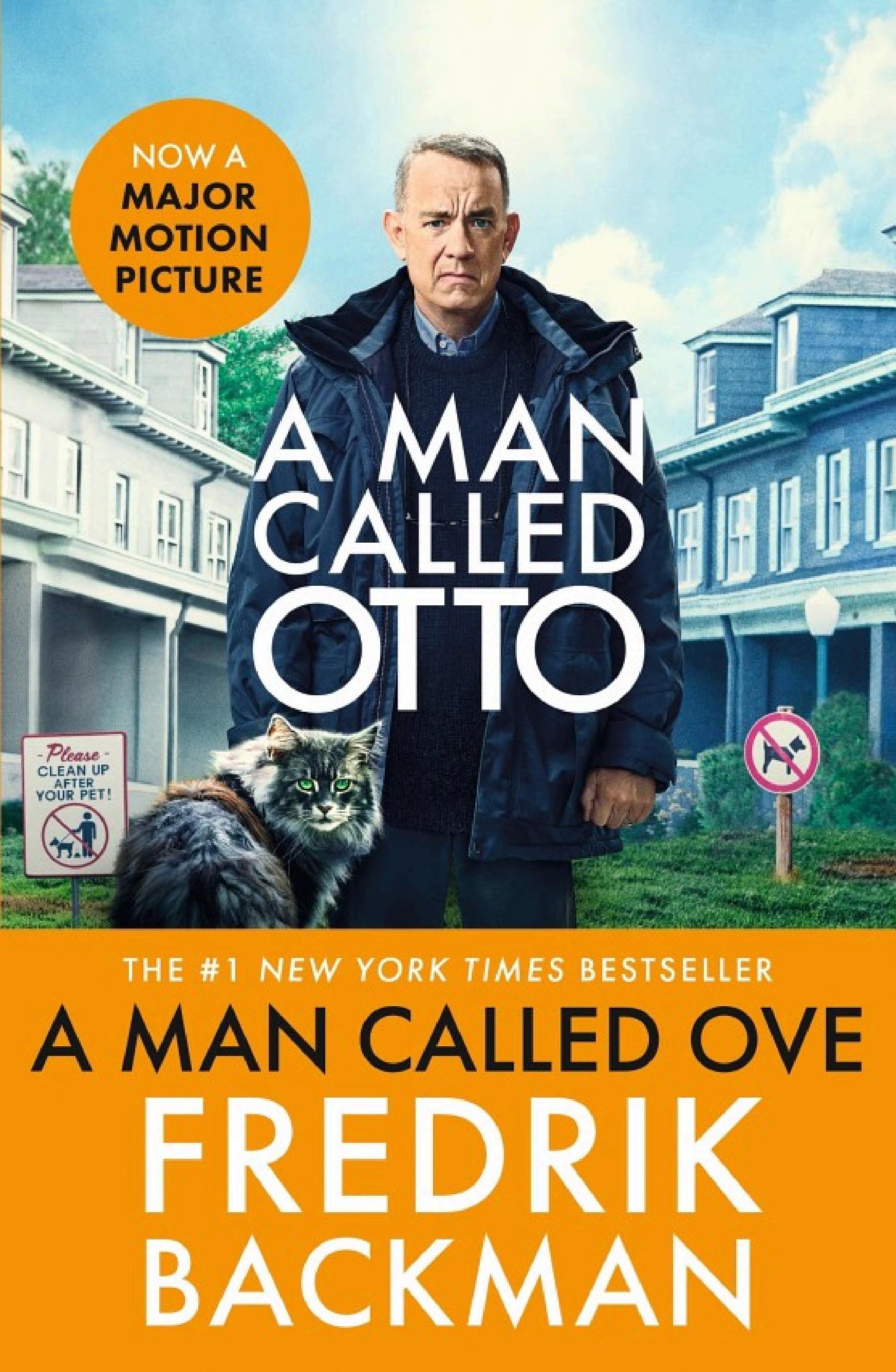
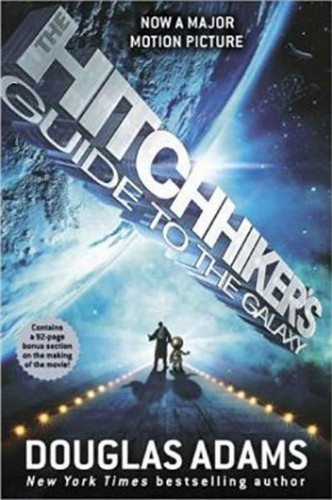
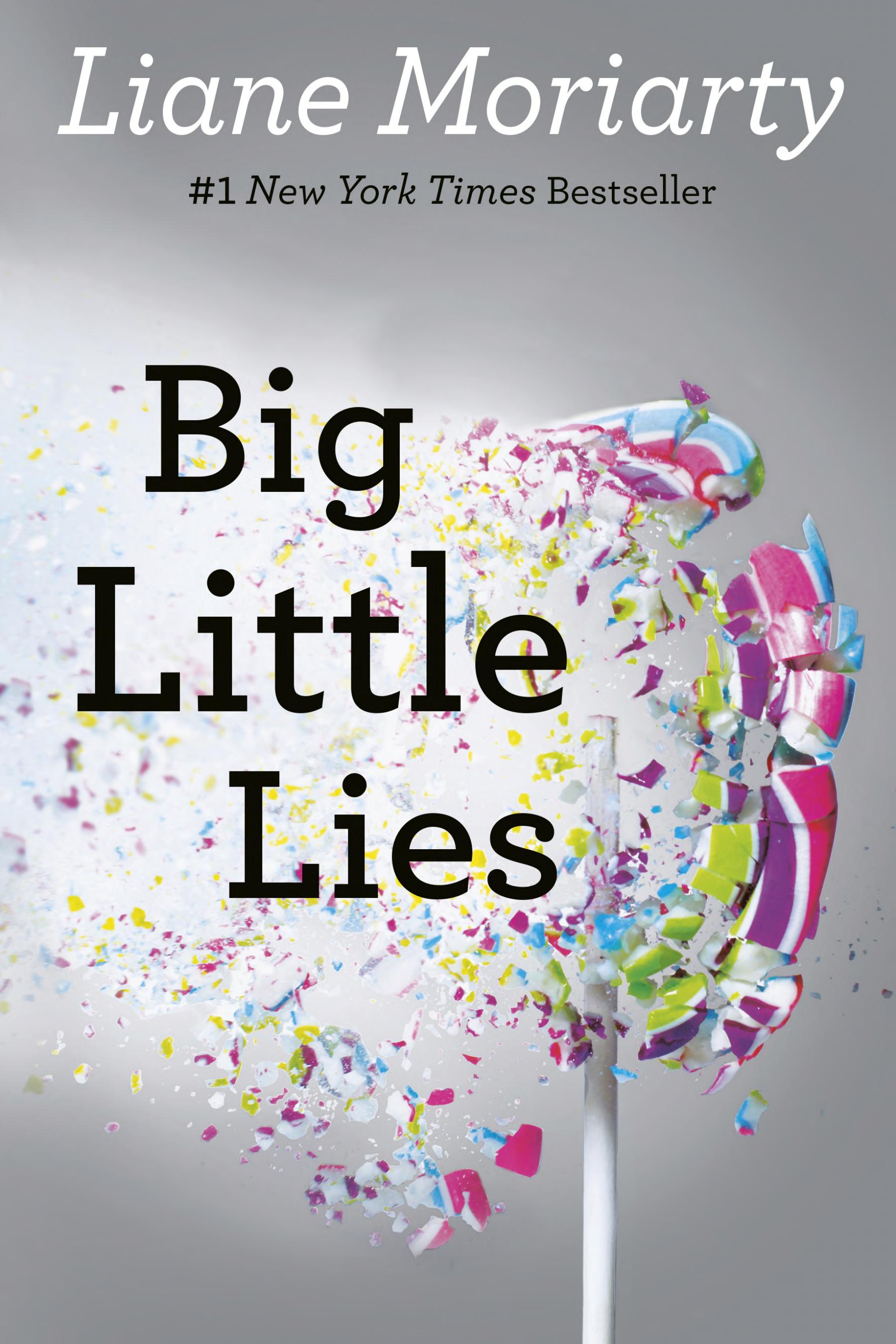
Gone GirlGillian FlynnThe most reliably reported reading-slump cure on this list: a novel whose alternating perspectives and structural twist produce a forward pull that operates almost mechanically. Amy’s diary entries and Nick’s present-tense narration create a gap that the reader needs to close, and Flynn manages the information release with enough precision that the need never dissipates until the ending. The prose is sharp and the characters are deeply unpleasant in ways that are more compelling than likable characters, because the reader needs to understand what they are doing rather than simply accompanying people they enjoy. Fast, smart, structurally irresistible. The Thursday Murder ClubRichard OsmanThe warmest slump-breaker on this list and the one most likely to produce the specific experience of reading for three hours and feeling only that it went too quickly. Osman’s four retirees are immediately enjoyable company, the mystery has genuine propulsion, and the novel’s emotional underpinning — age, friendship, the specific melancholy of knowing that people you love are running out of time — arrives without warning and lands hard. The combination of comedy, warmth, and genuine investment in the characters is the specific formula that makes this the book most consistently recommended as the one that got readers out of a slump. Easy to start; impossible to stop. A Man Called OveFredrik BackmanBackman’s novel breaks slumps through character rather than plot: Ove is so immediately present and so specifically himself that the reader wants to stay with him regardless of what is happening. The comedy of his rigid standards and his interactions with a neighborhood that does not meet them is reliably engaging, and the backstory that Backman releases gradually — the explanation for why Ove is the way he is — produces the specific emotional experience of having one’s assumptions about a character entirely revised. Not a thriller, not particularly plot-driven, but consistently unputdownable because the character is that good. The right recommendation for readers whose slump has been caused by too many books that feel like work. The Count of Monte CristoAlexandre DumasAt 1,200 pages, this appears to be the wrong recommendation for a reading slump. It is in fact the right one for a specific kind of reader: the person whose slump has been caused by books that do not reward their investment. Dumas’s novel moves faster than most 300-page thrillers and builds the most satisfying plot mechanics in the nineteenth century — the reader knows the revenge is coming and watches Dantes execute his plan with the patience of someone who has been waiting for twenty years. The length is not a barrier but a feature: the book that broke your slump should take long enough that you remember what it felt like to be properly inside a novel. This one gives you two weeks. The Hitchhiker’s Guide to the GalaxyDouglas AdamsAdams’s novel is 200 pages and takes approximately four hours to read, which makes it the most efficient slump-breaker on this list. The comedy is so consistent and so surprising that the reader never settles into a passive relationship with the text — every paragraph requires active engagement because every paragraph might contain the funniest sentence you have read this year. The plot is essentially irrelevant (the planet is destroyed on page four) and the forward motion is produced entirely by wanting to know what Adams is going to do next. The right recommendation for readers whose slump has made them impatient with earnest novels. This one asks nothing of the reader except that they pay attention and be willing to laugh. Big Little LiesLiane MoriartyMoriarty’s novel opens with the information that someone died at the school trivia night and that the parents present are being interviewed by police about what happened. The reader spends 400 pages in the social comedy of the Pirriwee school community — the parenting competition, the alliance-building, the specific absurdity of adult social hierarchy organized around children — while the structural knowledge of the opening creates a forward pull that never fully releases. The combination of warm comedy and structural thriller mechanics is the most reliable formula for a slump-breaker: the reader is always entertained, and always slightly anxious about what is coming. Fast, funny, and impossible to put down. Who This Is For
Readers who have been trying to start books for weeks and not getting past the first chapter — who need a book that does the work of pulling them in rather than requiring them to push. Also readers who have just finished something devastating or demanding and need a recovery read before attempting the next serious novel. The thriller and mystery and contemporary catalogues have more in this direction.
Frequently asked questions
Q: What causes a reading slump?
A: Usually one of three things: a book that disappointed after high expectations, a book that was so good that nothing else feels adequate afterward, or a period in which life has been demanding enough that the concentration reading requires feels like more effort than enjoyment. The cure in each case is a propulsive, low-friction book that bypasses the effort question by making reading feel automatic.
Q: Is it okay to skip a book I am not enjoying?
A: Yes, without qualification. Life is short and there are too many good books to spend significant time on ones that are not working. The rule of thumb sometimes called the Rule of 50 suggests reading fifty pages before abandoning a book; subtract your age from 100 for a similar heuristic. The reader is always right about whether a book is working for them.
Q: Why is Gone Girl so good for reading slumps specifically?
A: Because the structural gap between Amy’s diary and what the reader gradually understands to be true creates a need that cannot be satisfied except by continuing to read. The slump is a state in which reading does not feel necessary; Gone Girl makes it feel necessary by withholding something the reader actively needs to know. The mechanism is almost pharmaceutical.
Q: What should I read after breaking a slump?
A: Whatever you actually want to read. The slump-breaking book is not the destination — it is the reset that makes reading feel like reading again. Once the momentum is restored, return to the books that have been waiting and they will be more accessible than they felt when you were stuck.
Not sure which of these is right for you specifically? The Pagesmith quiz matches you to books based on your mood, pacing preference, and reading goals, not bestseller lists. Takes two minutes.